Location
Mount Vernon, WA 98274

Location
Mount Vernon, WA 98274
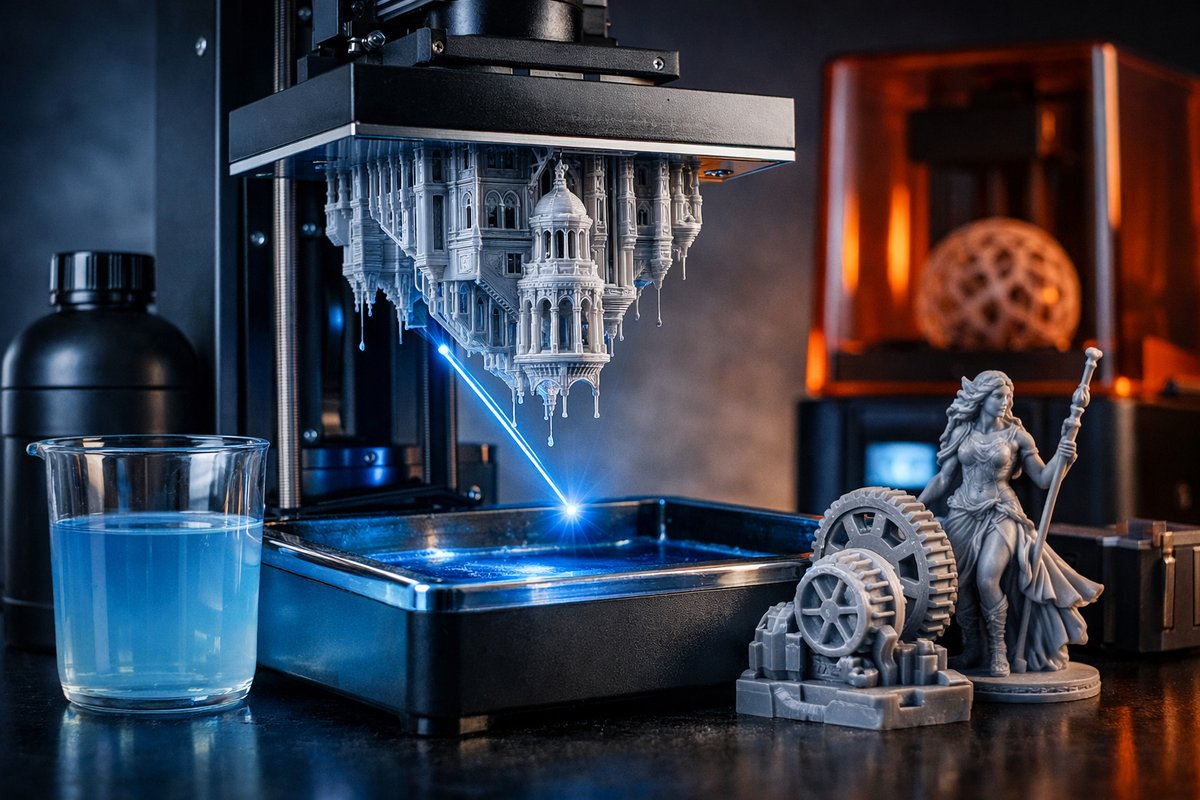
Stereolithography (SLA) is a pioneering additive manufacturing technique that transforms liquid resin into finely detailed solid objects through controlled light exposure. This guide delves into the essentials of SLA printing, highlighting the critical components and materials that empower users to create intricate prototypes, functional parts, and artistic models with remarkable accuracy.
Additive manufacturing has revolutionized the way we approach design and production, enabling the creation of complex geometries and customized objects that were once difficult or impossible to fabricate. Among the various additive manufacturing techniques, stereolithography (SLA) stands out for its ability to produce high-resolution, smooth-surfaced parts with exceptional detail. This article explores the fundamentals of SLA, providing a comprehensive how-to guide that encourages curious makers, designers, and engineers to harness this technology for their projects.
At its core, stereolithography uses a photosensitive liquid resin that hardens when exposed to a specific wavelength of ultraviolet (UV) light. Unlike filament-based 3D printing methods that extrude melted plastic, SLA builds objects layer by layer by selectively curing resin with a UV laser or projector. This process results in parts with fine features and smooth finishes, ideal for applications ranging from dental models and jewelry prototypes to functional engineering components.
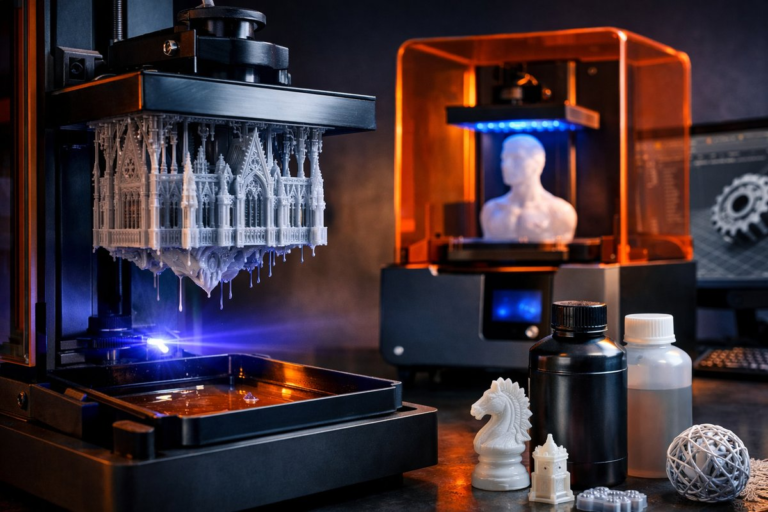
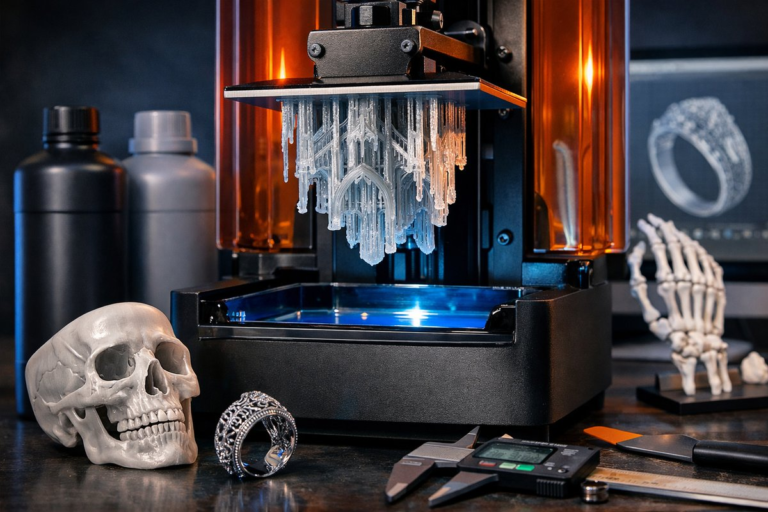
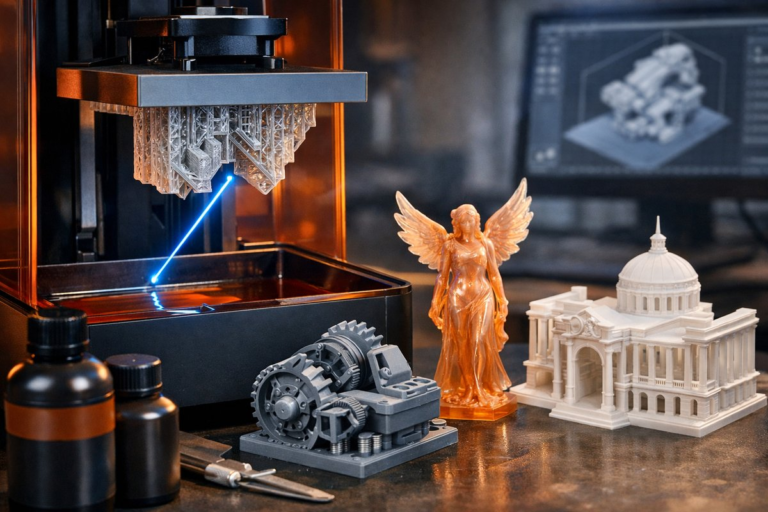
Starting your journey with SLA printing requires understanding the key components of the system. The heart of an SLA printer is the resin vat, which holds the liquid photopolymer. Beneath the vat lies a build platform that moves vertically to allow each cured layer to adhere and form the object. The UV light source-either a laser or a digital light processing (DLP) projector-traces the cross-section of the object on the resin surface, solidifying it precisely where needed.
Choosing the right resin is critical to achieving desired results. Resins come in various formulations, each tailored for specific properties such as flexibility, toughness, transparency, or biocompatibility. For beginners, standard photopolymer resins offer a good balance of printability and finish quality. More advanced users might explore engineering resins designed for high strength or temperature resistance, or specialty resins like castable types for investment casting.
Preparation is key before printing. Begin by designing or obtaining a 3D model in a compatible file format, typically STL. Use slicing software to orient the model optimally, generate necessary support structures, and slice the design into thin layers-usually between 25 to 100 microns thick. Supports are essential in SLA printing to anchor overhangs and delicate features, preventing print failures.
Once the print job is sent to the printer, the build platform lowers into the resin vat just enough for the first layer to be exposed and cured. After each layer solidifies, the platform lifts to allow fresh resin to flow underneath, and the process repeats until the object is complete. This layer-by-layer curing ensures precision and detail that filament printers often struggle to match.
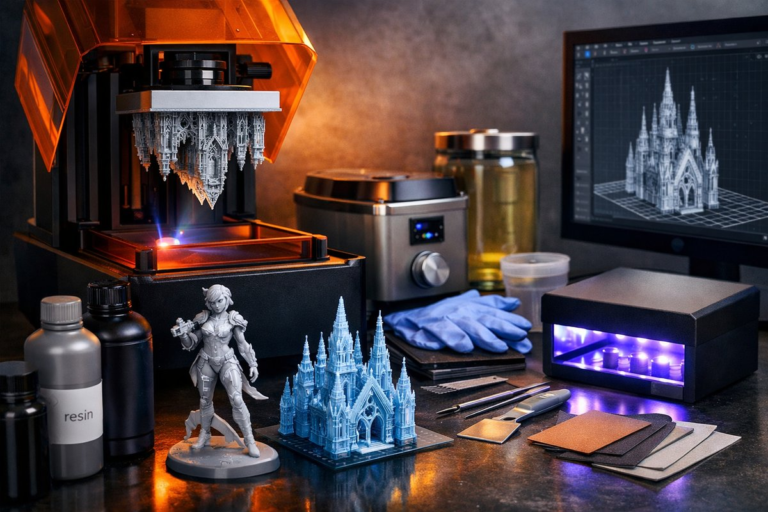
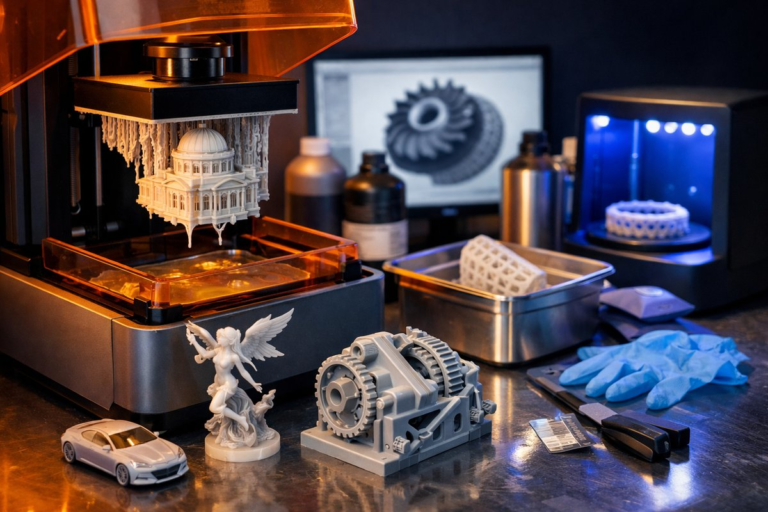
Post-processing is an integral part of SLA workflow. After printing, parts are typically sticky and coated with uncured resin. Rinsing the object in isopropyl alcohol removes excess resin, followed by a secondary curing step under UV light to fully harden the material. Removing support structures carefully and sanding or polishing can further enhance the finish.
Safety and environmental considerations should not be overlooked. Photopolymer resins can be toxic in liquid form and may cause skin irritation. Always use gloves and work in a well-ventilated area. Proper disposal of resin waste and responsible handling align with sustainable practices in additive manufacturing.
The benefits of SLA extend beyond its precision. Its versatility allows for rapid prototyping, enabling designers to iterate quickly and cost-effectively. The smooth surface finish reduces the need for extensive post-processing, saving time and resources. Moreover, SLA’s ability to produce complex internal geometries opens new possibilities in medical modeling, microfluidics, and custom tooling.
For those eager to dive into SLA printing, starting with a reliable desktop SLA printer is advisable. These machines have become more accessible and affordable, offering user-friendly interfaces and robust communities for support. Pairing the printer with high-quality resins and proper finishing tools ensures a rewarding experience.
In summary, stereolithography presents an exciting gateway into high-fidelity additive manufacturing. By mastering the interplay of resin selection, printer settings, and post-processing techniques, users can bring intricate digital designs to life with remarkable accuracy and finish. Whether crafting detailed prototypes, artistic creations, or functional parts, SLA empowers makers to push the boundaries of what’s possible in three-dimensional fabrication.