Location
Mount Vernon, WA 98274

Location
Mount Vernon, WA 98274
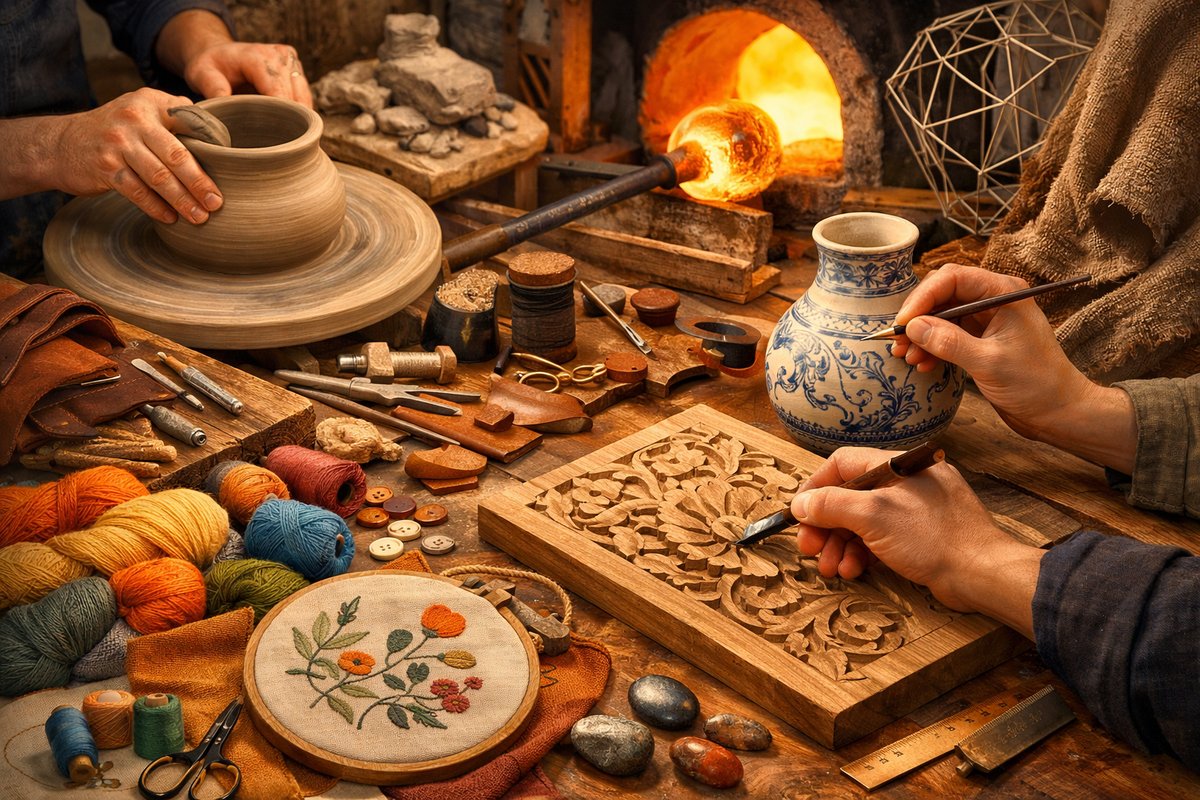
In an era dominated by digital tools and virtual realities, a growing movement is celebrating the tactile, the tangible, and the handcrafted. This renaissance of handmade arts is not only redefining aesthetic values but also fueling innovation in design through material exploration and sensory engagement.
As digital technologies continue to permeate every facet of creative work, there is an intriguing countercurrent gaining momentum: a renewed embrace of handmade arts and crafts. This resurgence is not a nostalgic retreat but a forward-thinking celebration of the physical and sensory dimensions of creativity. It challenges the often intangible nature of digital art by reintroducing texture, imperfection, and materiality as essential components of design innovation.
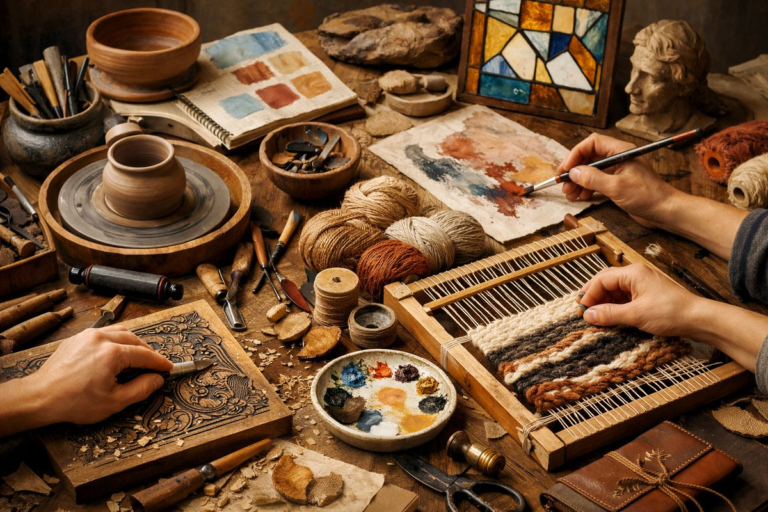
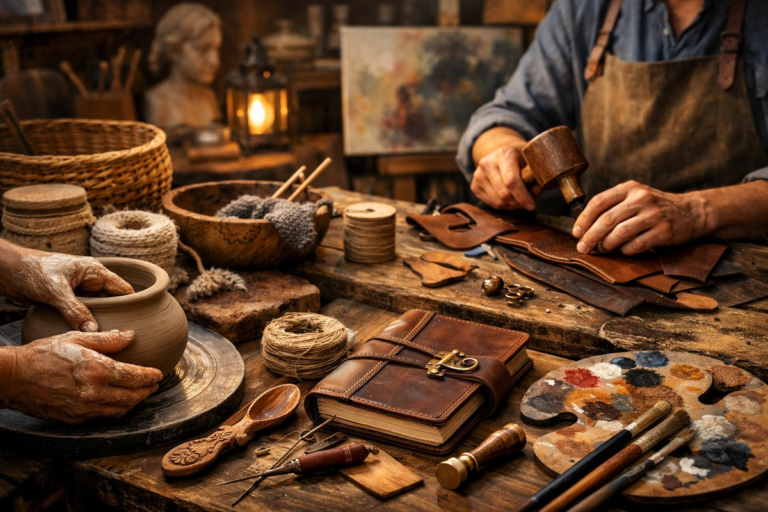
The appeal of handcrafted work lies partly in its authenticity. In a world where images and designs can be endlessly reproduced with pixel-perfect precision, handmade pieces stand out as unique artifacts. They carry the marks of their makers-the subtle variations in brushstrokes, the unevenness of hand-thrown ceramics, the warmth of natural fibers woven with care. These imperfections are not flaws but signatures of individuality and process, inviting viewers and users into a more intimate relationship with the object.
This tactile quality is increasingly prized in design fields ranging from interior decoration to fashion and product design. Designers are exploring how materials like clay, wood, textiles, and recycled components can be transformed through traditional techniques into contemporary artworks and functional pieces. This fusion of old and new stimulates creative problem-solving and sustainability, as artisans and designers seek to minimize waste and repurpose materials.
Moreover, the sensory engagement of handmade arts offers cognitive and emotional benefits. Studies show that interacting with textured and crafted objects can enhance mindfulness, reduce stress, and deepen appreciation for craftsmanship. In design, this translates into products and environments that connect more profoundly with users, going beyond surface aesthetics to deliver meaningful experiences.
The resurgence is also fueled by community and cultural exchange. Workshops, maker spaces, and craft fairs provide platforms for sharing skills and stories, fostering a sense of belonging and continuity. This communal aspect supports creative diversity and preserves traditional knowledge while encouraging innovation through collaboration.
In the marketplace, consumers are increasingly seeking products that reflect values of sustainability, transparency, and ethical production. Handmade goods often embody these principles, as they typically involve lower energy consumption and support local economies. This alignment of values and aesthetics is reshaping consumer expectations and pushing brands to reconsider mass production paradigms.
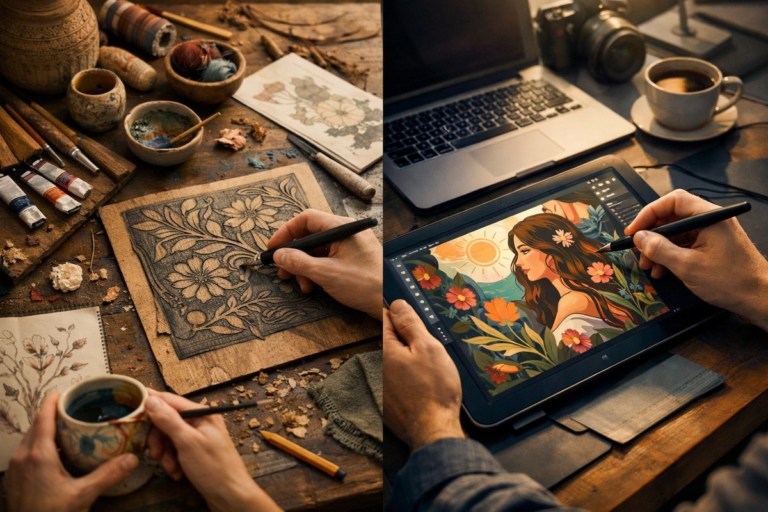
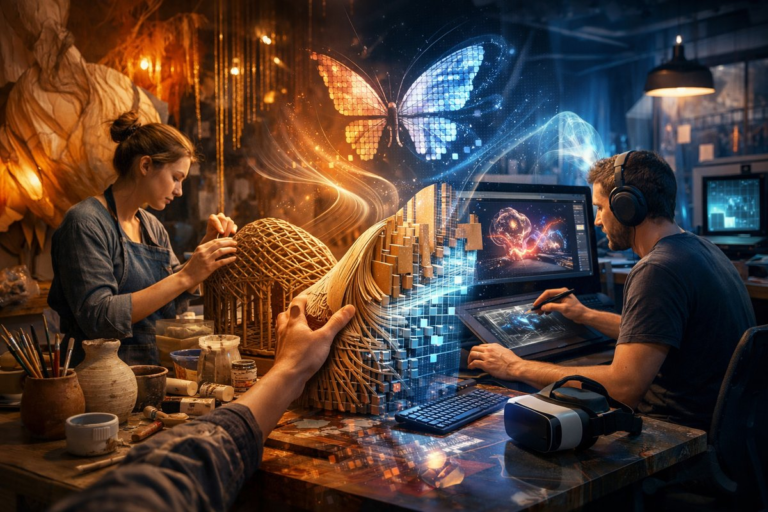
On a technological front, the handmade arts renaissance is not isolated from digital advancements. Instead, many creators use digital tools to complement their craft-employing 3D modeling to plan designs, digital platforms to reach audiences, or hybrid techniques that combine manual and automated processes. This synergy expands creative possibilities while maintaining the integrity of tactile expression.
Looking ahead, the integration of handmade arts into contemporary design signals a broader cultural shift. It underscores a desire to reconnect with material realities and human-scale creativity amid rapid digitization. As this movement evolves, it promises to enrich the visual landscape with objects and experiences that honor both tradition and innovation.
In essence, the tactile revival in art and design invites us to slow down, to appreciate the beauty in process and material, and to embrace creativity as a deeply human endeavor. It challenges us to rethink value beyond perfection and uniformity and to find inspiration in the textures and stories woven into every handcrafted piece.