Location
Mount Vernon, WA 98274

Location
Mount Vernon, WA 98274
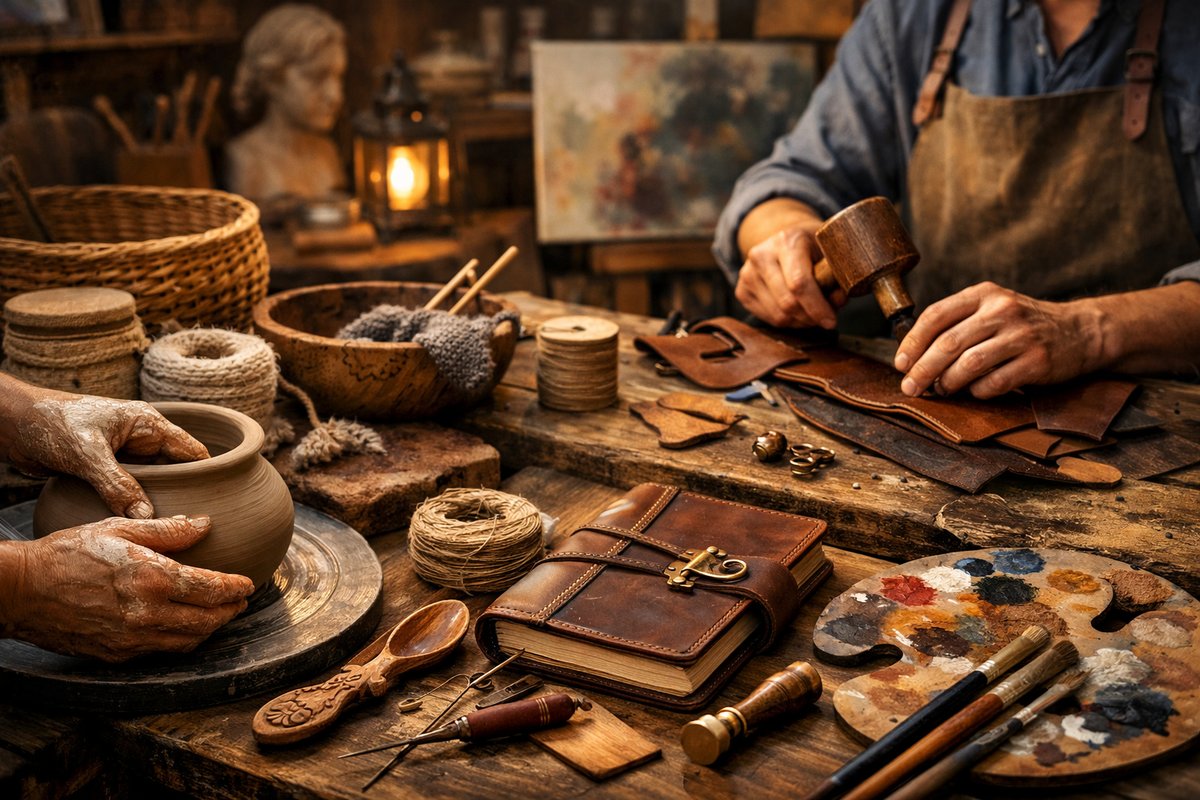
In a digital age saturated with rapid production and virtual experiences, a renewed fascination with handcrafted art and design is taking shape. This resurgence highlights a longing for tactile authenticity, where materials and maker's touch define the creative narrative.
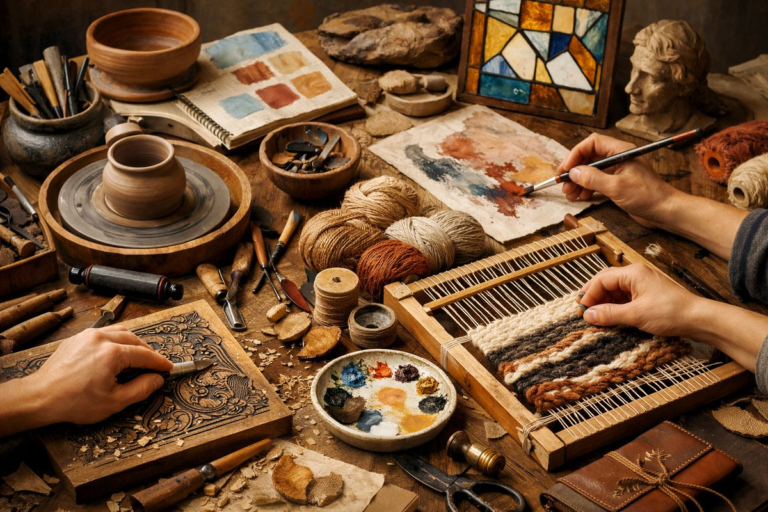
In an era dominated by digital tools and mass production, an intriguing countercurrent is sweeping through the art and design worlds-a revival of handcrafted aesthetics. This movement isn’t merely nostalgic; it represents a profound reevaluation of how creativity, materiality, and sensory experience intersect. As artists and designers seek to re-engage with physical mediums, the tactile qualities of materials and the unique marks left by human hands are reclaiming prominence in studios and galleries worldwide.
The resurgence of handcrafted techniques taps into a collective yearning for authenticity and sustainability, responding to the intangible nature of digital creation. Unlike the sleek uniformity of computer-generated images or the rapid turnover of factory-made goods, handcrafted pieces emphasize irregularities, textures, and imperfections that tell stories of process and place. These qualities create a deeper emotional resonance with audiences, inviting viewers to slow down and appreciate the nuances of form and surface.
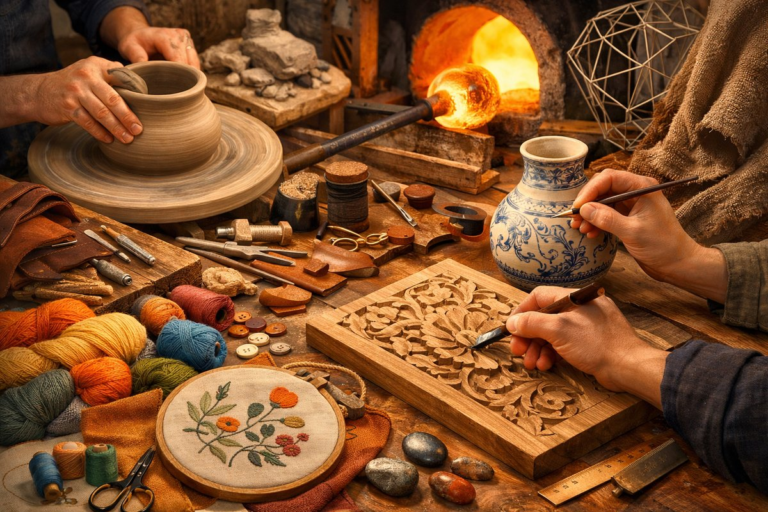
Materiality plays a pivotal role in this renaissance. Artists and designers are turning to natural and recycled materials, exploring wood, ceramics, textiles, and metal with renewed curiosity. This exploration is often coupled with environmentally conscious practices, reflecting growing awareness about the ecological footprint of creative production. For instance, some artisans employ reclaimed wood or repurposed fabrics, not only to reduce waste but to embed history and memory into their works. This integration of sustainability and craft nurtures a more responsible and thoughtful artistic practice.
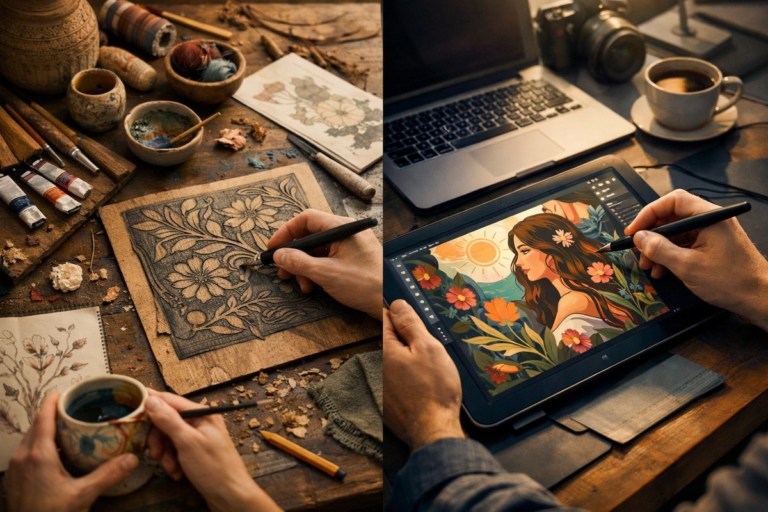
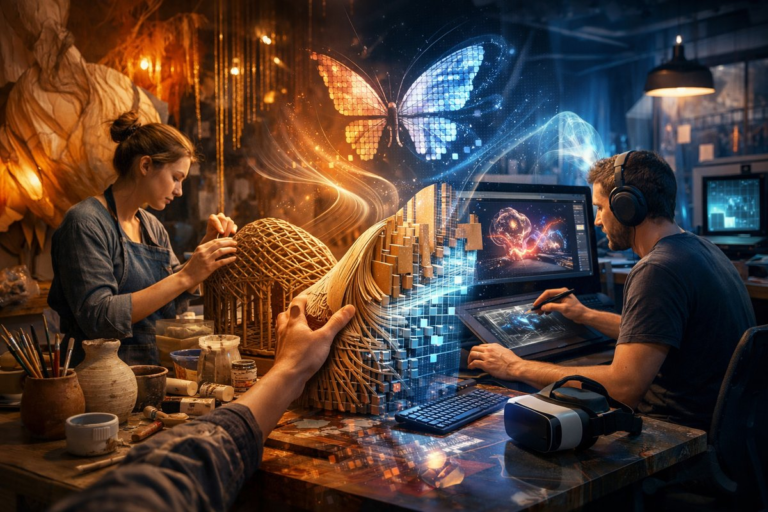
Moreover, the dialogue between traditional craftsmanship and contemporary design thinking has given rise to hybrid works that challenge conventional boundaries. By blending hand techniques with digital fabrication methods-such as laser cutting or 3D printing-creators can amplify the expressiveness of handmade forms while benefiting from technological precision. This synergy expands the possibilities of shape, pattern, and scale, opening new horizons for innovation.
Sensory engagement is another vital dimension of this movement. Handcrafted pieces often invite touch, texture, and even smell, creating multisensory experiences that digital art struggles to replicate. For example, the warm grain of hand-carved wood or the subtle roughness of handwoven textiles can evoke emotions and memories that transcend visual aesthetics alone. Galleries and exhibitions increasingly incorporate interactive installations where audiences can physically engage with materials, fostering empathy and connection.
This trend also reflects broader cultural shifts valuing slow consumption and meaningful ownership. In a marketplace flooded with disposable items, acquiring handcrafted art and design objects signals a commitment to longevity and personal significance. Collectors and consumers alike appreciate the narratives embedded in each piece-the maker’s intention, the journey of the materials, and the time invested in creation. This appreciation supports local artisans and small-scale producers, contributing to resilient creative economies.
Educational institutions and community workshops are responding by integrating traditional craft skills into their curricula and programming. By teaching techniques such as pottery, weaving, metalwork, and woodworking alongside digital design, they prepare a new generation of artists who can fluidly navigate both analog and digital realms. This holistic approach fosters versatility and encourages experimentation with cross-disciplinary methods.
In practical terms, this revival influences product design, interior decoration, and fashion as well. Designers infuse handcrafted elements into everyday objects, from furniture featuring hand-applied finishes to garments adorned with artisanal embroidery. These details elevate functional items into objects of art, imbuing daily life with sensory richness and narrative depth.
Ultimately, the revival of handcrafted aesthetics in modern art and design underscores a humanistic impulse to reconnect with the physical world and the stories it carries. It challenges the dominance of digital ubiquity by asserting the enduring value of touch, time, and material presence. As this movement evolves, it invites creators and audiences to rediscover the joy of making and the beauty inherent in imperfection.
This renaissance is not a rejection of technology but a call for balance-embracing innovation without losing sight of the tangible and the handmade. It is a testament to creativity’s resilience, where the past and future converge in objects that speak to the heart as much as the mind.