Location
Mount Vernon, WA 98274

Location
Mount Vernon, WA 98274
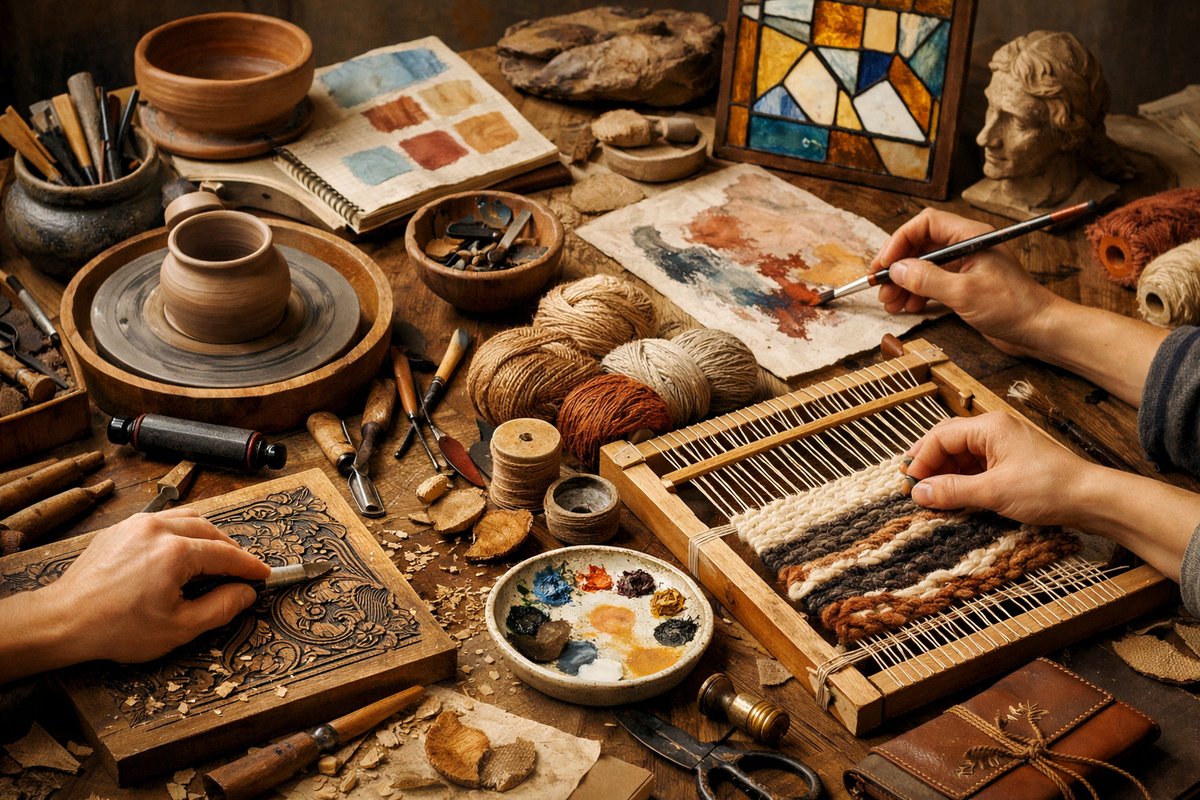
In an era dominated by digital precision and mass production, a growing movement in art and design is turning back to handcrafted techniques and materials. This resurgence highlights the emotional depth and authenticity that tactile processes bring to contemporary creativity.
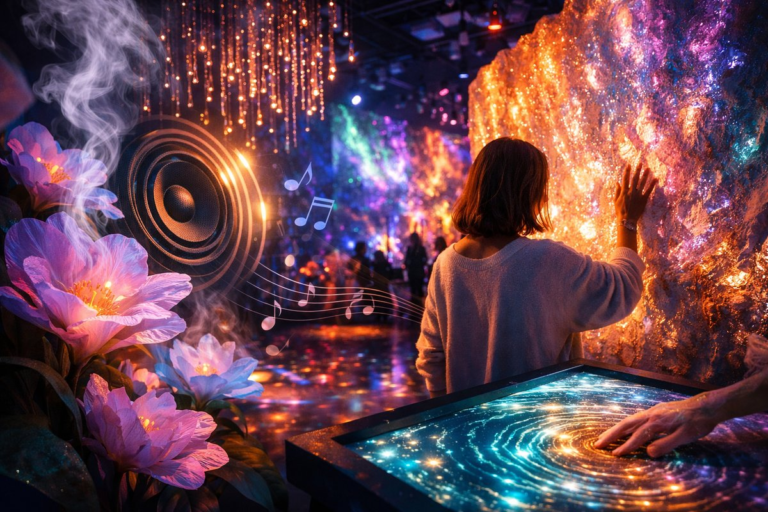
The landscape of art and design continues to evolve, shaped by technological innovations and shifting cultural priorities. While digital tools and automated processes have expanded the possibilities for creators, a notable countercurrent is gaining momentum: the revival of handcrafted aesthetics. This movement embraces traditional craftsmanship, natural materials, and the imperfections inherent in manual creation, positioning these elements as antidotes to the sterile uniformity of mass-produced works.
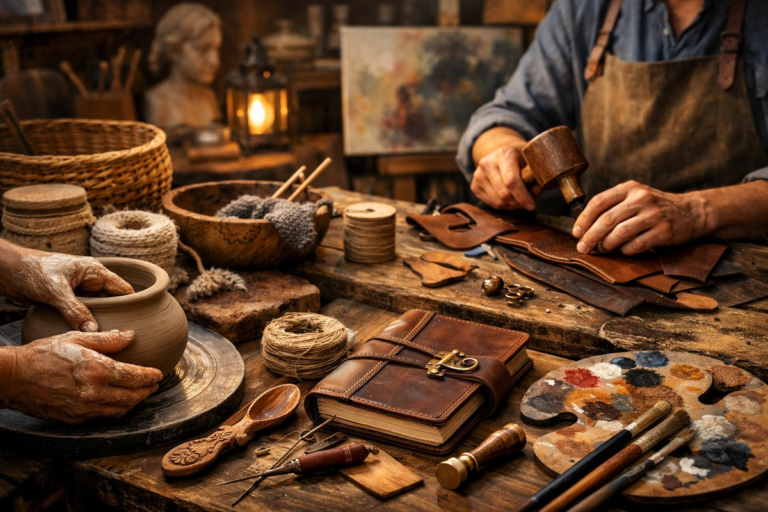
At the heart of this trend is a philosophical reevaluation of what makes art meaningful. The tactile engagement required by handcrafting invites a deeper connection between artist and medium. This relationship is celebrated not only for its nostalgic qualities but also for its ability to imbue objects with unique stories and emotional resonance. Contemporary artists and designers who adopt these methods often emphasize the sustainability and mindfulness embedded in their processes, aligning with broader societal values around environmental responsibility and well-being.
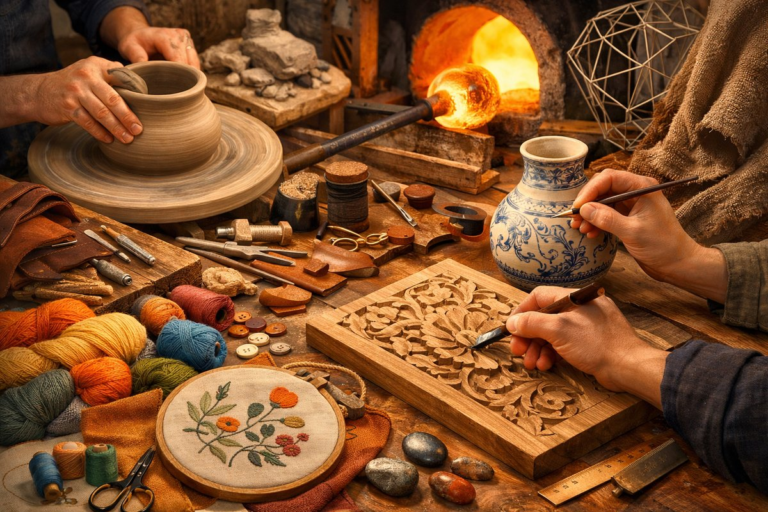
One striking example is the renewed interest in ceramics and pottery, where artists exploit the unpredictability of clay and glaze reactions to produce singular pieces. Unlike factory-made ceramics, these handcrafted items bear the subtle fingerprints of their makers, communicating a narrative of human touch and care. Similarly, textile artists are revisiting hand weaving and natural dyeing techniques, creating fabrics that celebrate regional heritage and ecological consciousness.
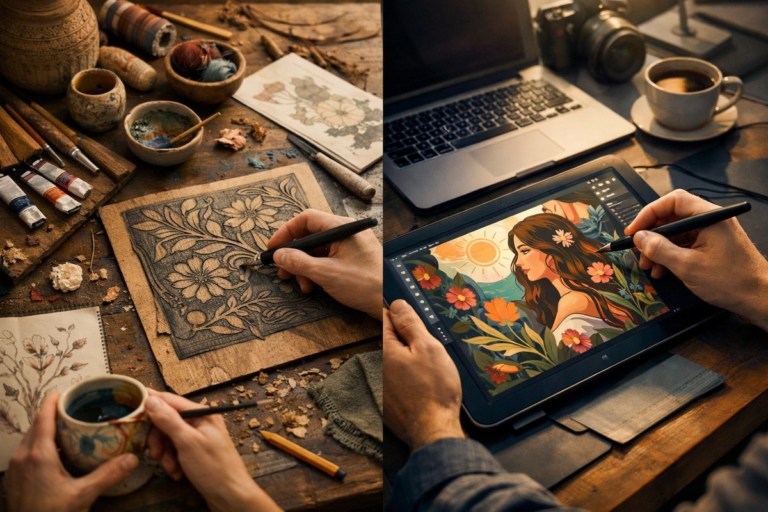
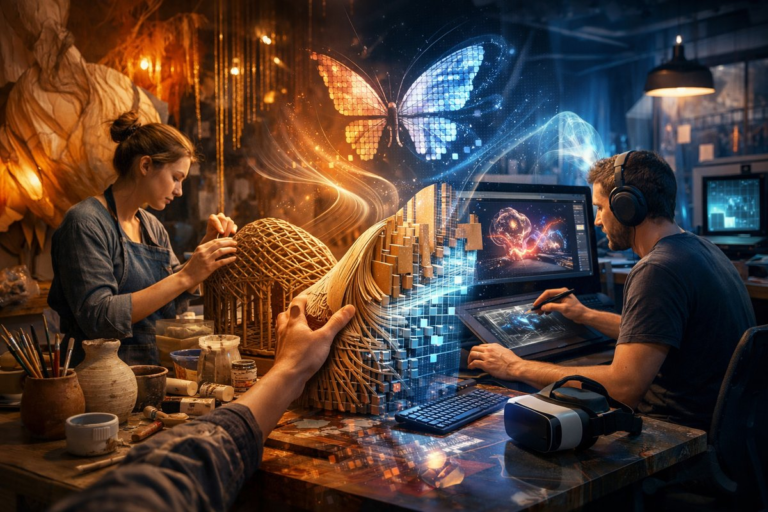
The integration of handcraft into design is not limited to traditional materials. Some creators blend digital and analog methods, using 3D printing as a complement rather than a replacement for handwork. This hybrid approach allows for precision and repeatability while preserving the soulfulness of human imperfection. It also encourages experimentation, as designers manipulate digital files to produce forms that are then finished or embellished manually.
This shift also responds to consumer desires for authenticity and uniqueness in their environments. In a marketplace saturated with identical products, handcrafted items offer differentiation and personal value. Collectors and everyday users alike appreciate the narrative depth and tactile richness of these works, which foster a sense of connection and identity.
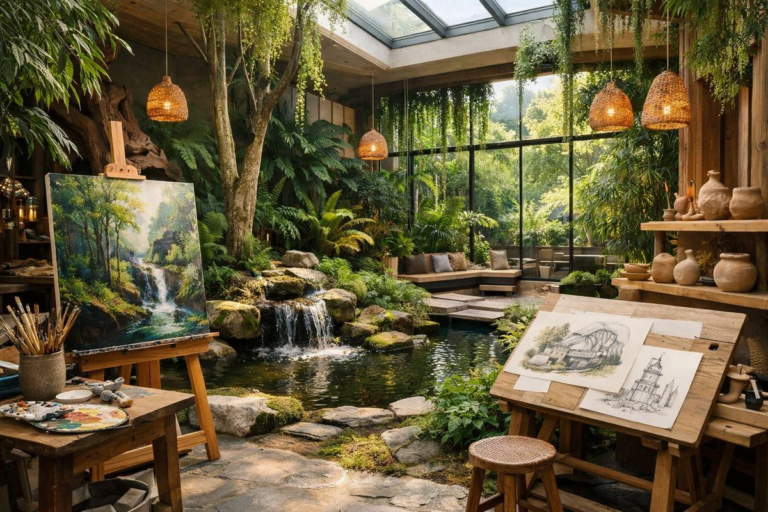
Educational institutions and workshops are adapting to this resurgence by incorporating traditional craft skills into contemporary curricula. This helps bridge generational knowledge gaps and equips new creators with versatile toolsets. The dialogue between old and new techniques enriches the creative community, fostering innovation grounded in respect for materiality and process.
Beyond aesthetics, this revival has implications for sustainability. Handcrafted production typically involves smaller scales, local sourcing, and less waste, aligning with environmental ethics increasingly important to artists and audiences. By prioritizing quality and longevity over disposability, handcrafted design challenges the consumer culture of rapid turnover.
In sum, the renaissance of handcrafted aesthetics in art and design is more than a stylistic preference; it represents a holistic shift toward mindful creativity. It affirms the value of human presence in making, celebrates material stories, and responds to contemporary concerns about sustainability and authenticity. As this movement continues to expand, it invites us to reconsider the meaning of beauty and connection in an increasingly digital world.