Location
Mount Vernon, WA 98274

Location
Mount Vernon, WA 98274
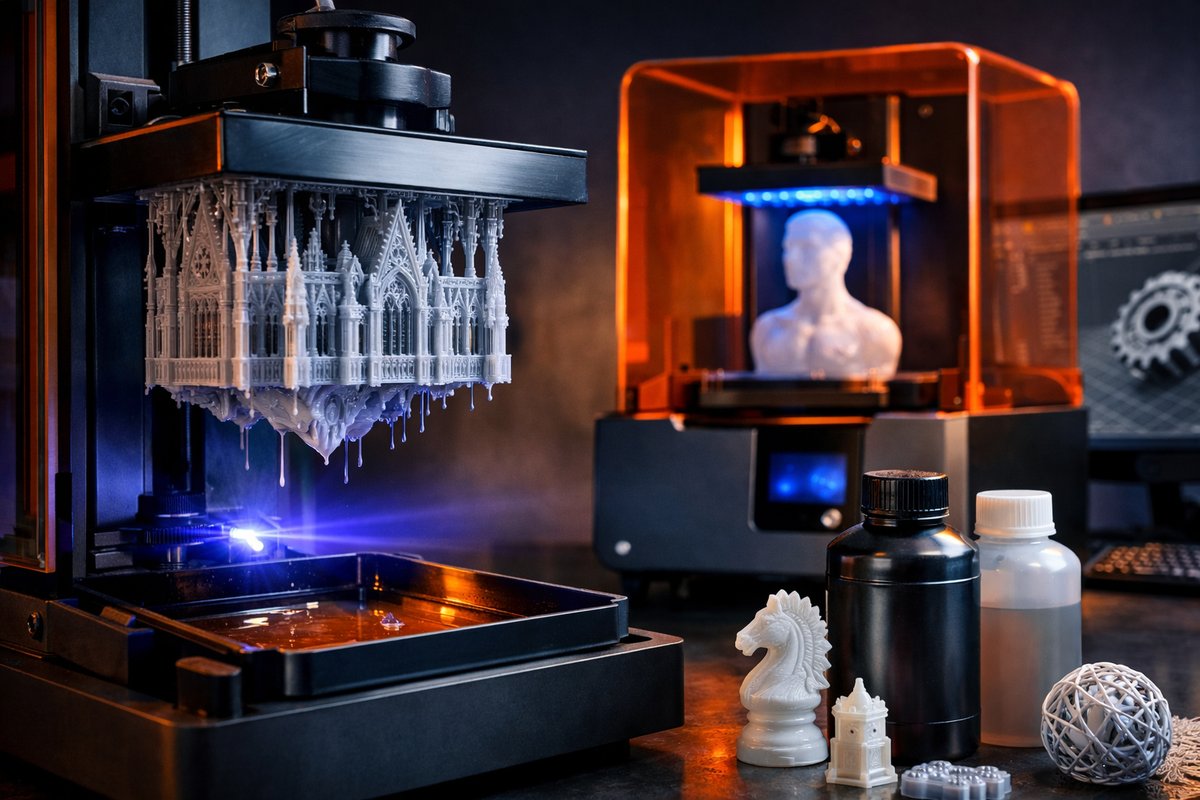
Stereolithography (SLA) offers an exceptional path to creating highly detailed and smooth 3D objects by curing liquid resin layer by layer with ultraviolet light. This guide demystifies the SLA process, highlights essential components like resins and printers, and empowers you to explore this precise additive manufacturing technique with confidence.
Additive manufacturing has revolutionized how we transform digital designs into physical objects, with numerous techniques available to suit different needs and materials. Among these, stereolithography (SLA) stands out for its ability to produce parts with remarkable surface finish and intricate detail, making it a favorite for applications ranging from jewelry and dental models to engineering prototypes and custom figurines.
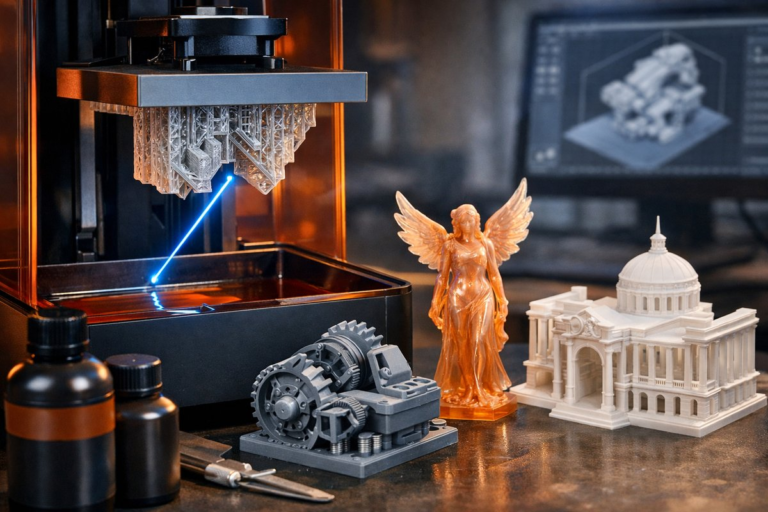
SLA operates by selectively curing a photopolymer resin using a focused ultraviolet (UV) laser or light source, building the object layer by layer from a vat of liquid resin. Unlike filament-based methods that extrude melted plastic, SLA’s approach enables finer resolutions and smoother surfaces, often requiring less post-processing. This precision comes with its own set of considerations and best practices, which we’ll explore in this comprehensive guide.
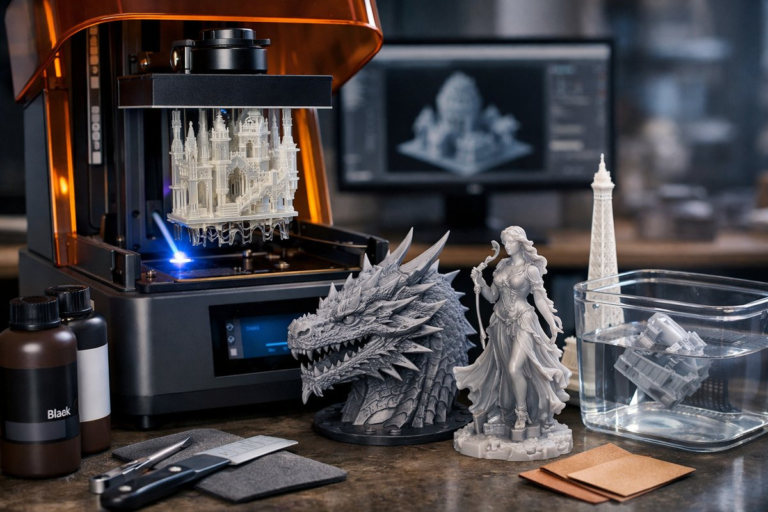
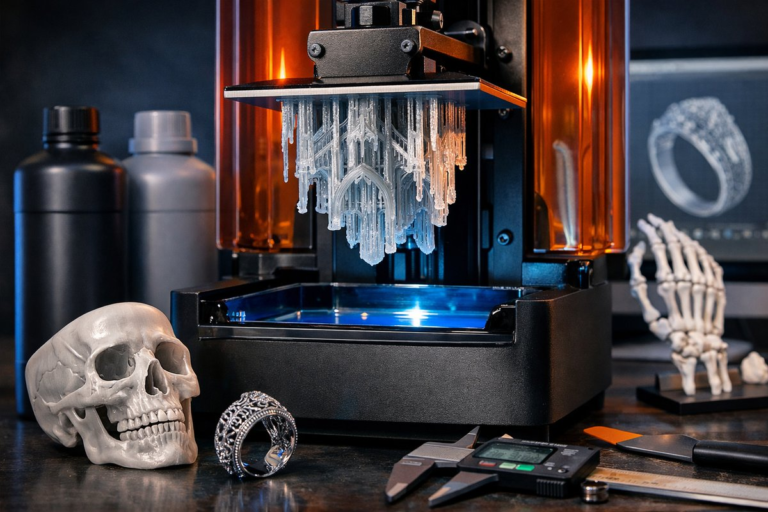
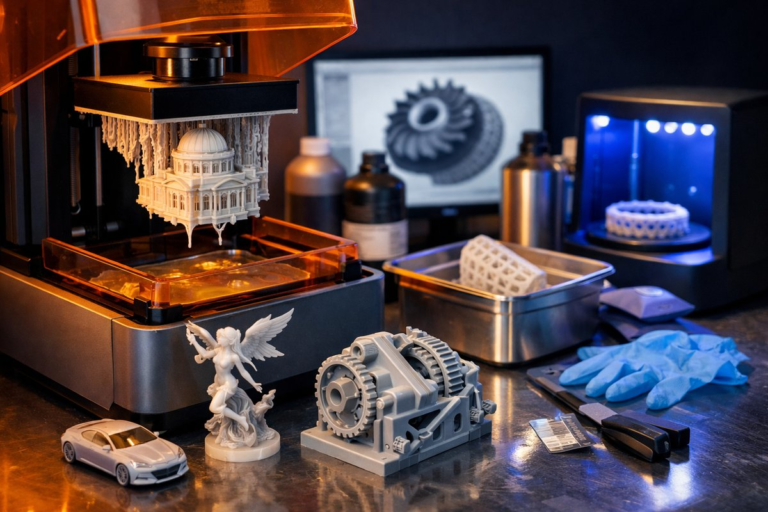
To get started, understanding the core components of an SLA setup is essential. The heart of the system is the resin vat, a shallow container holding the liquid photopolymer. Above this vat, a build platform gradually lifts the part out of the resin as each layer is cured. The curing itself is performed by a UV laser or an array of LEDs, controlled by software that translates your 3D model into precise light patterns.
Choosing the right resin is crucial to achieving your desired results. Resins come in a variety of formulations tailored for specific properties: standard resins provide good detail and smooth finish; tough resins offer increased impact resistance; flexible resins mimic rubber-like elasticity; and castable resins are designed for investment casting processes in jewelry and dental work. When selecting a resin, consider the mechanical properties you need, the color, and the post-curing requirements.
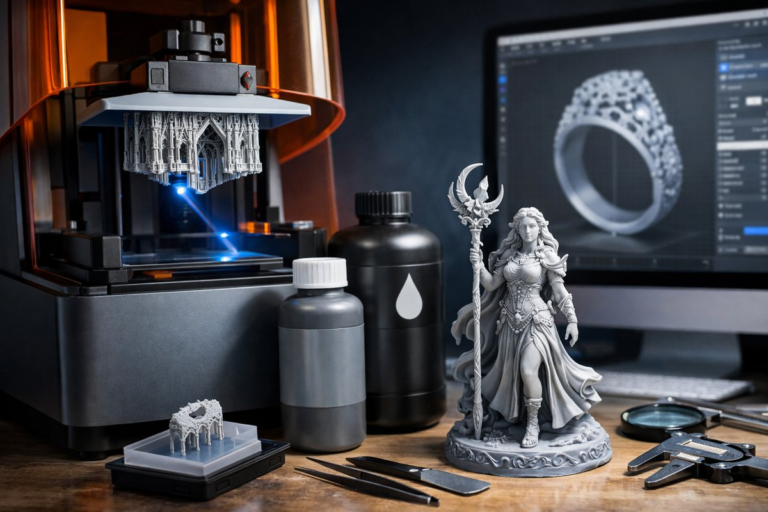
Before printing, it’s important to prepare your 3D model properly. SLA printers typically require models to be hollowed to reduce resin use and print time, and to include drainage holes to allow uncured resin to escape. Supports must be generated to anchor overhanging parts and prevent deformation during the build. Many slicing software tools designed for SLA printers offer automated support generation with adjustable parameters to optimize print success.
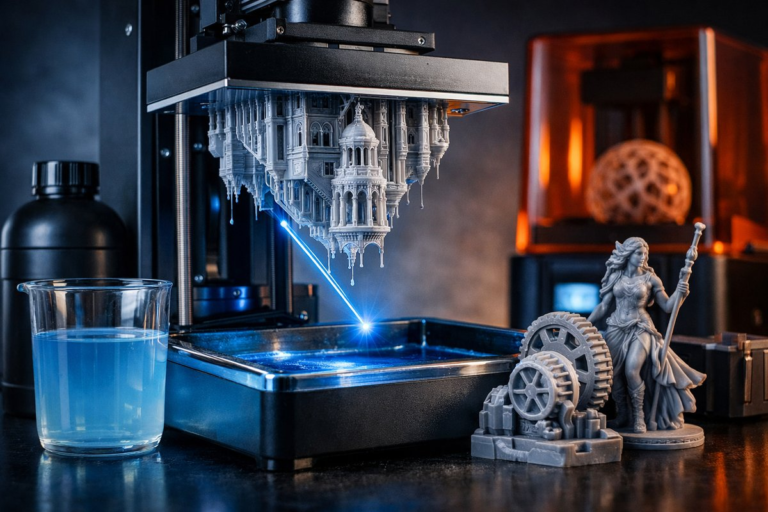
The printing process begins by filling the resin vat and calibrating the build platform to ensure accurate layer heights. The printer then projects UV light onto the resin surface, solidifying the first layer. After each layer cures, the platform lifts the part slightly to allow fresh resin to flow underneath, and the process repeats until the object is complete.
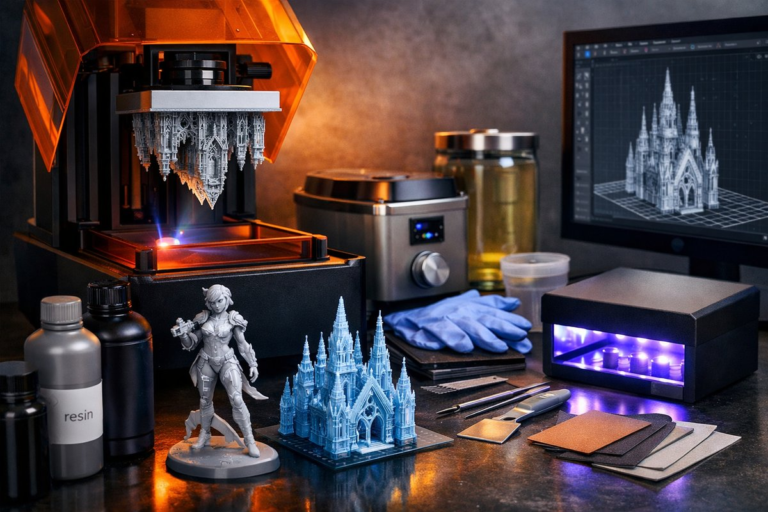
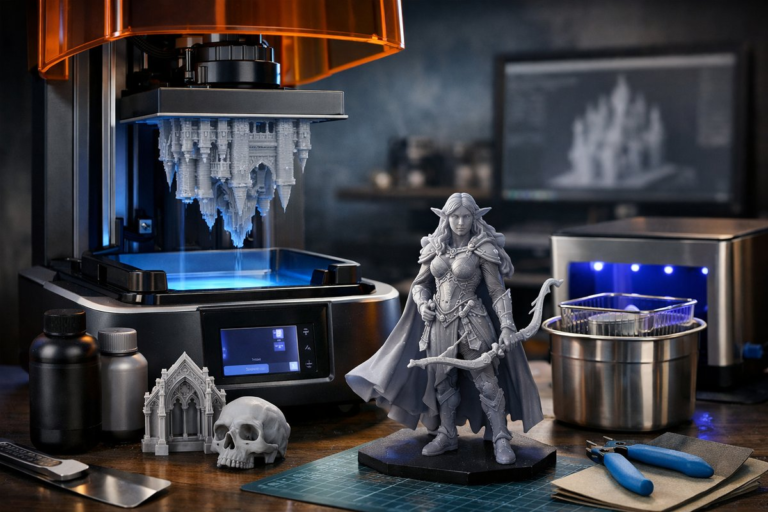
Post-processing is a critical step to achieve the best mechanical properties and surface quality. After printing, parts are typically rinsed in isopropyl alcohol or specialized cleaning solutions to remove uncured resin. Following cleaning, parts undergo post-curing under UV light to fully harden the material and enhance strength. Removing support structures carefully with flush cutters or pliers helps avoid damaging delicate features.
Safety considerations should not be overlooked. Liquid resins can be toxic or irritant, so wearing nitrile gloves and working in a well-ventilated area is recommended. Proper disposal of resin waste and cleaning materials is important for environmental responsibility.
Experimenting with SLA opens up exciting possibilities for makers and professionals alike. The ability to create detailed prototypes, functional parts, and artistic pieces with smooth finishes and complex geometries is empowering. Whether you’re designing custom tools, medical models, or intricate miniatures, SLA offers a compelling blend of precision and versatility.
To maximize your success, investing in quality components tailored to your needs is key. From reliable printers with stable build platforms and precise light sources to high-performance resins formulated for your application, these choices directly influence print quality and workflow efficiency.
In summary, stereolithography is a powerful additive manufacturing technique that transforms liquid resin into finely detailed, durable objects through controlled UV curing. By understanding the technology, selecting appropriate materials, preparing models thoughtfully, and following careful post-processing protocols, you can unlock the full potential of SLA and bring your digital ideas into vivid reality.