Location
Mount Vernon, WA 98274

Location
Mount Vernon, WA 98274
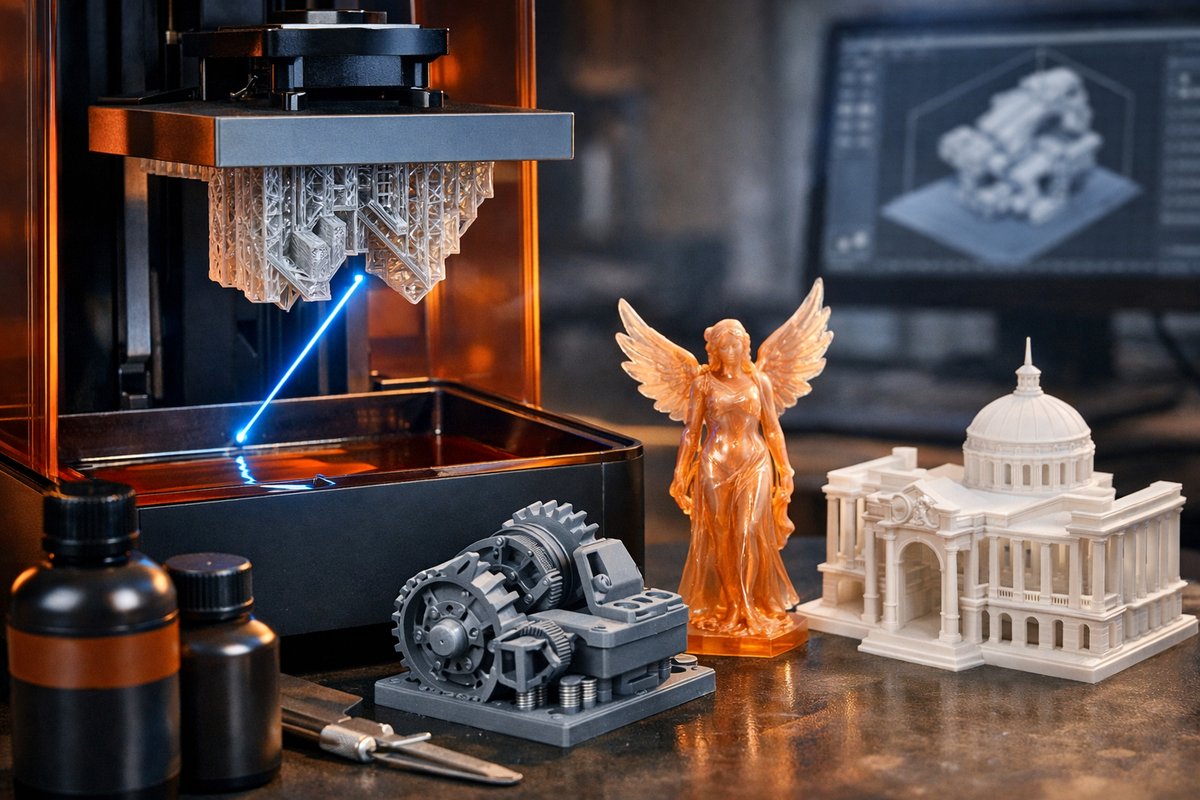
Stereolithography (SLA) is a powerful additive manufacturing technique that uses light to cure liquid resin into intricate, high-resolution 3D objects. This guide explores the essentials of SLA printing, from selecting the right resin to mastering printer setup, enabling you to create detailed prototypes, functional parts, and artistic models with ease.
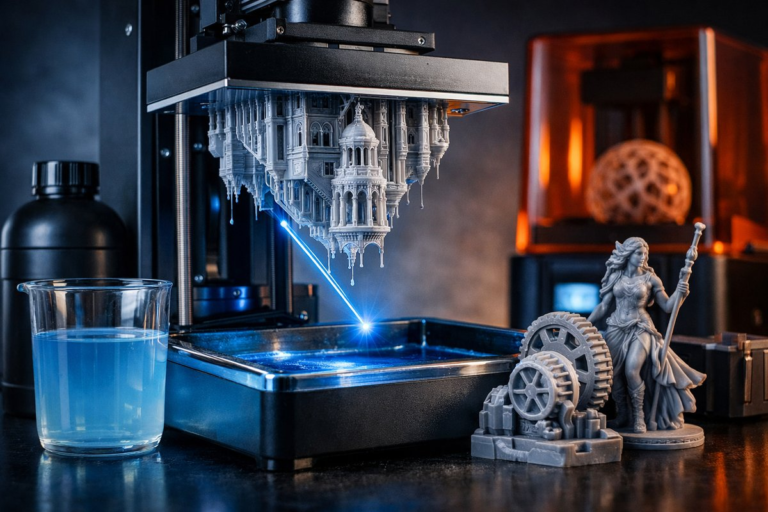
Additive manufacturing has revolutionized how we bring digital designs into the physical world, and among its many techniques, stereolithography (SLA) stands out for its exceptional precision and surface finish. Unlike filament-based methods that extrude melted plastic, SLA uses a light source-typically a laser or LCD screen-to selectively cure liquid photopolymer resin layer by layer. This process allows for the creation of complex geometries with smooth surfaces and fine details, making it a favorite for applications ranging from dental models to jewelry prototypes and intricate engineering parts.
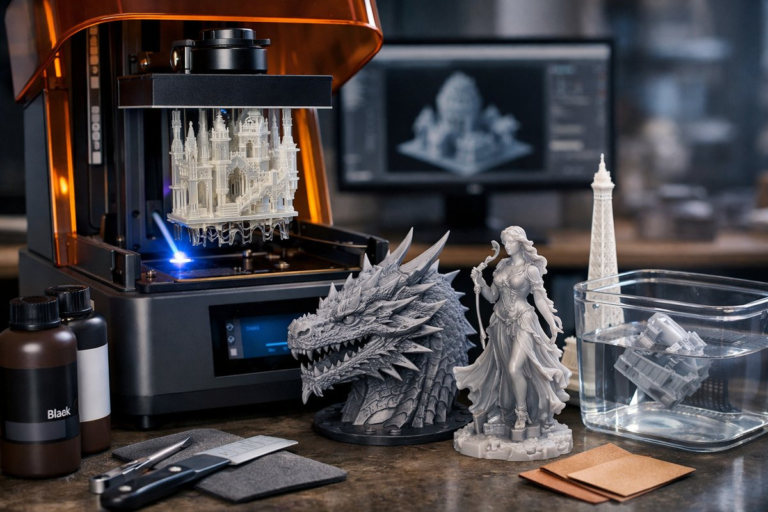
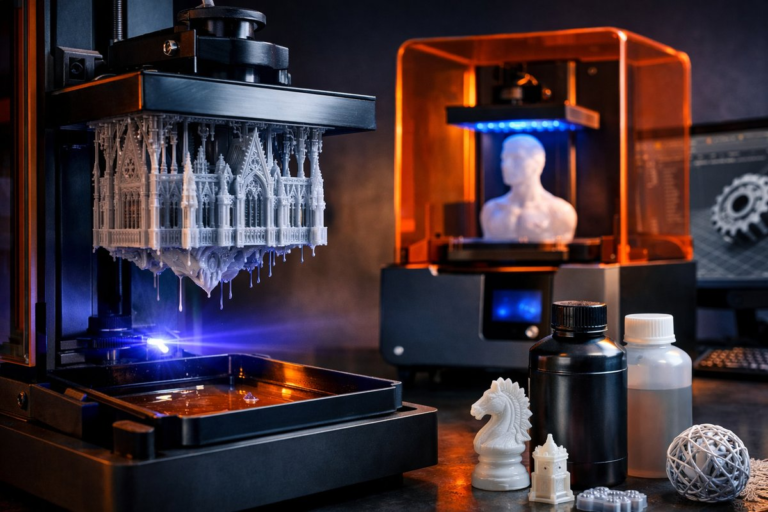
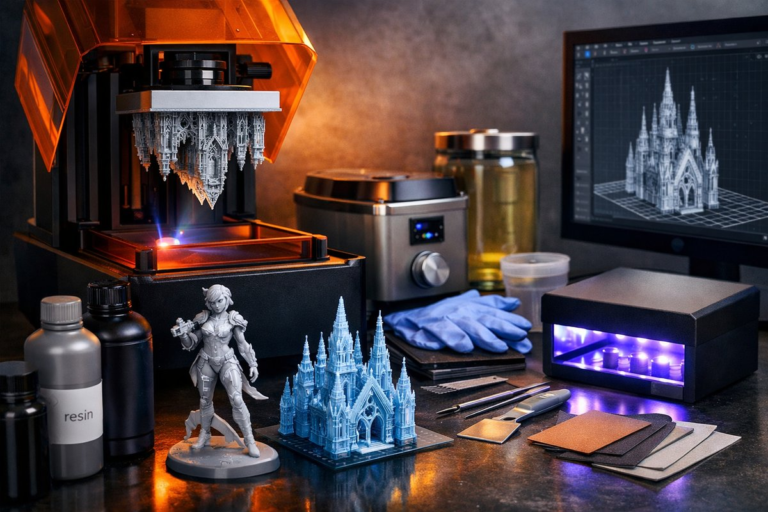
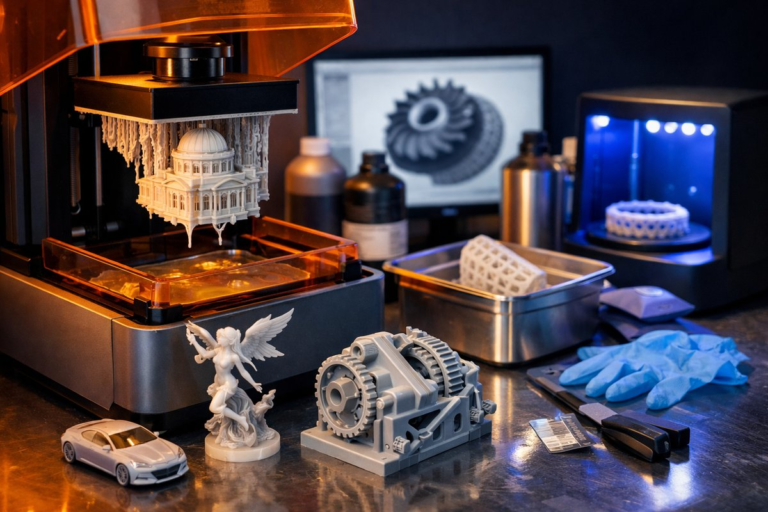
Getting started with SLA printing requires understanding the core components and workflow. At its heart, an SLA printer consists of a resin vat, a build platform, and a light source that solidifies the resin. The build platform gradually moves upward as each layer cures, slowly revealing the finished object. This vertical layering approach contrasts with other additive manufacturing methods, offering unique advantages and considerations.
Choosing the right resin is pivotal to achieving your desired results. Photopolymer resins come in various formulations tailored for specific properties such as flexibility, toughness, translucency, or biocompatibility. For beginners, a standard gray or clear resin is often ideal due to its balanced performance and ease of post-processing. Specialty resins, like dental or castable types, cater to advanced users targeting niche applications. When selecting resin, consider factors such as curing wavelength compatibility with your printer, viscosity for smooth layer formation, and safety data to handle materials responsibly.
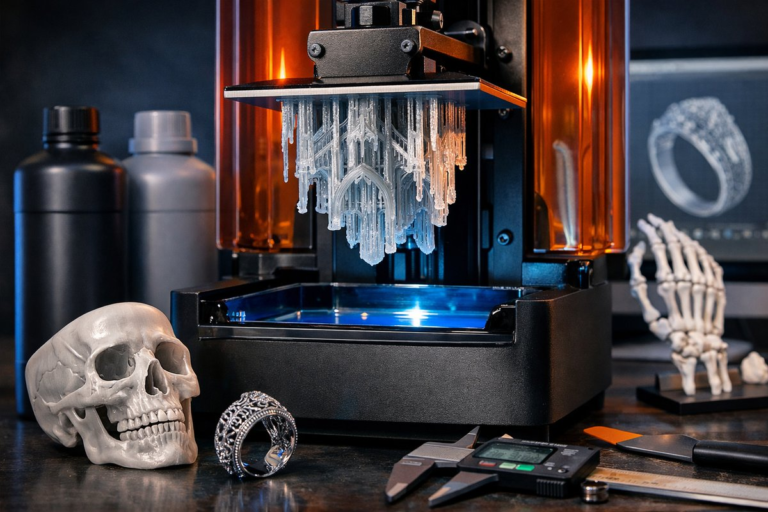
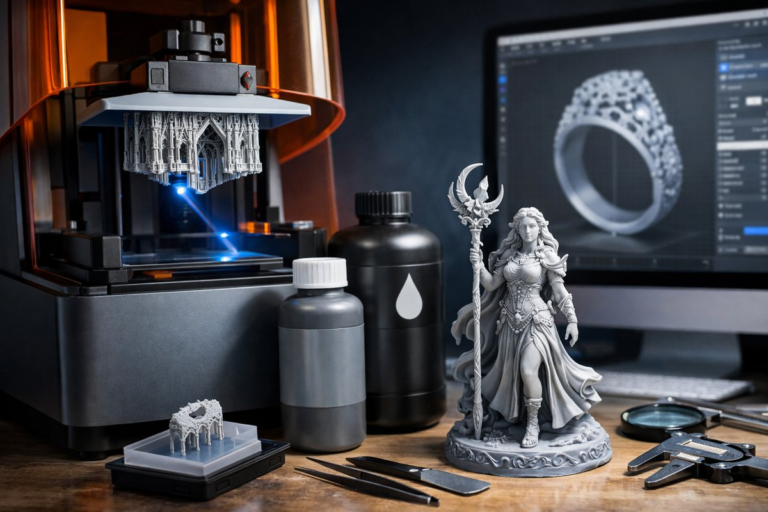
Before printing, meticulous preparation of the digital model is essential. SLA slicing software converts your 3D design into thin cross-sectional layers and generates support structures to prevent delicate features from collapsing during printing. Supports are typically fine, tree-like scaffolds that attach to the model at minimal contact points, preserving surface quality. Adjusting parameters like layer thickness, exposure time, and lift speed influences print resolution and speed. Thinner layers yield finer detail but increase print duration, while exposure settings must balance curing completeness with avoiding overexposure that can blur features.
Once the print starts, monitoring the process is beneficial, especially for first-time users. SLA printing environments should be stable and free from vibrations to ensure layer alignment. After completion, the object remains coated in uncured resin and requires careful post-processing. This involves rinsing the print in isopropyl alcohol or a similar solvent to remove excess resin, followed by curing under UV light to fully harden the material. Proper post-curing enhances mechanical properties and dimensional stability.
Safety cannot be overstated when working with photopolymer resins. Always wear nitrile gloves and eye protection, work in a well-ventilated area, and store resins in opaque containers away from direct sunlight. Dispose of waste resin and solvents according to local regulations to minimize environmental impact. Many communities now offer hazardous waste collection programs specifically for 3D printing materials.
One of the most exciting aspects of SLA is its versatility. Designers can create highly detailed miniatures with crisp textures, functional parts with tight tolerances, and smooth prototypes that require minimal finishing. SLA also supports multi-material workflows by combining different resins or integrating with other manufacturing methods. This opens doors to innovative product development and artistic expression.
For those eager to dive into SLA printing, investing in quality components can make a significant difference. A reliable resin printer with a high-resolution LCD screen or laser module ensures consistent results. Complementing this with premium resins designed for your printer model reduces print failures and improves surface finish. Additional tools like ultrasonic cleaners for post-wash, UV curing stations, and precision tweezers streamline the workflow and enhance safety.
In summary, stereolithography offers an accessible yet sophisticated avenue into additive manufacturing. By understanding the interplay of resin chemistry, printer mechanics, and post-processing techniques, you can unlock a new realm of creative and functional possibilities. Whether crafting delicate art pieces or engineering prototypes, SLA empowers makers to transform ideas into tangible reality with remarkable fidelity.
Embarking on your SLA journey invites patience and experimentation, but the rewards are tangible-beautiful, precise objects born from the synergy of light and liquid. With the right tools and knowledge, you can harness this technology to bring your most intricate designs to life.