Location
Mount Vernon, WA 98274

Location
Mount Vernon, WA 98274
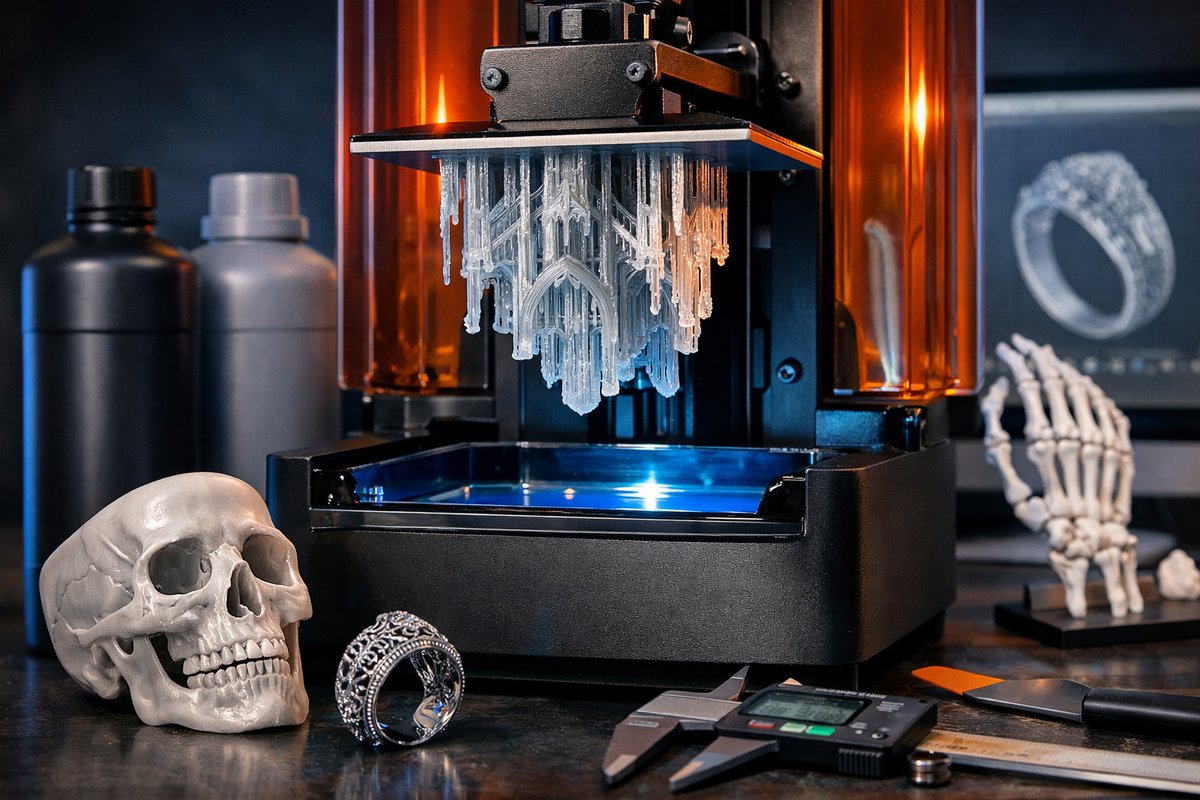
Stereolithography (SLA) offers unmatched precision in additive manufacturing, turning digital designs into detailed, smooth models using photopolymer resin cured by UV light. This guide explores the essentials of SLA printing, from selecting the right resin to mastering printer calibration, empowering newcomers to create intricate prototypes, jewelry, and medical models with confidence.
In the diverse landscape of additive manufacturing, stereolithography (SLA) stands out as a technique prized for its exceptional resolution and surface finish. Unlike filament-based methods, SLA uses a liquid photopolymer resin cured layer by layer with a focused ultraviolet (UV) laser or light source. This process enables the creation of highly detailed and smooth objects, making it ideal for applications requiring fine features and intricate geometries, such as dental models, jewelry prototypes, and engineering parts.
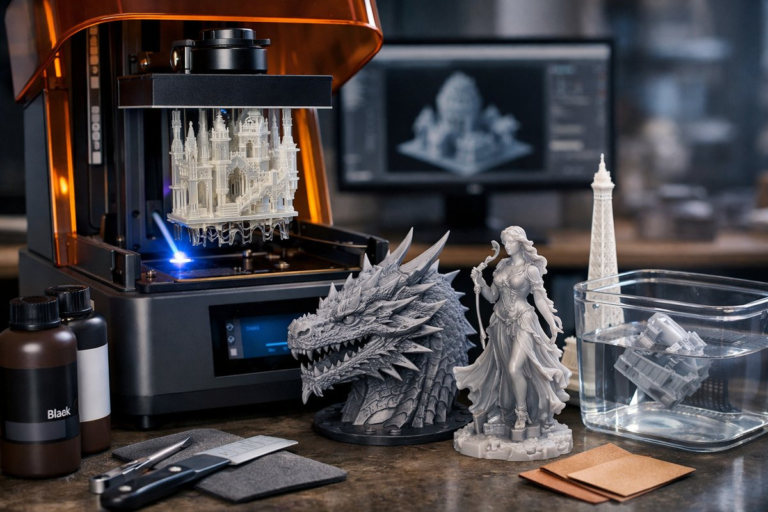
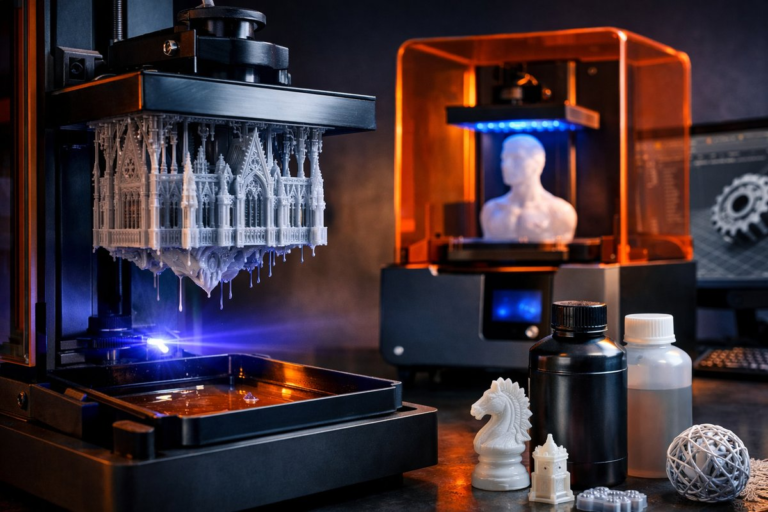
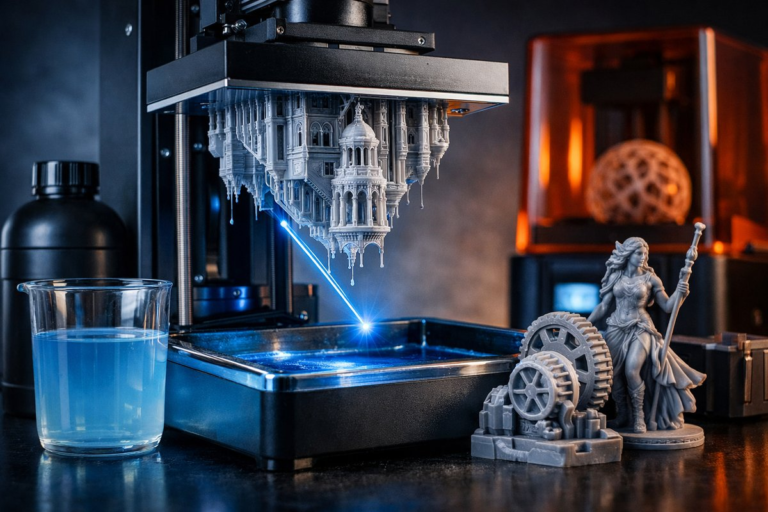
Getting started with SLA printing involves understanding the core components and workflow that define this technology. At the heart of an SLA printer is the resin vat-a shallow tank filled with photosensitive resin-and a build platform that moves vertically as layers are successively cured. The UV laser or digital light projector selectively solidifies resin according to the digital 3D model sliced into thin layers. This layer-by-layer approach builds the object from the bottom up, with each cured layer adhering firmly to the previous one.
One of the first considerations for newcomers is choosing the right resin. Resins come in a variety of formulations tailored to different properties: standard resins provide good detail and smooth finishes; tough resins offer enhanced durability; flexible resins mimic rubber-like elasticity; and castable resins are designed for investment casting in jewelry and dental applications. Selecting a resin compatible with your printer and suited to your project’s mechanical or aesthetic requirements is crucial for success.
Before printing, the digital model must be prepared using slicing software specific to SLA machines. This software converts the 3D design into thin cross-sectional layers and generates support structures that anchor overhanging features during printing. Proper orientation and support placement minimize print failures and surface imperfections. For example, angling the model can reduce the number of supports needed and improve surface quality on visible faces.
Printer calibration is another key step. Ensuring the build platform is level and the resin vat is clean prevents issues like layer misalignment or adhesion problems. Many SLA printers include automated leveling routines, but manual checks and adjustments may still be necessary. Additionally, controlling environmental factors such as ambient temperature and light exposure can influence resin curing behavior and print quality.
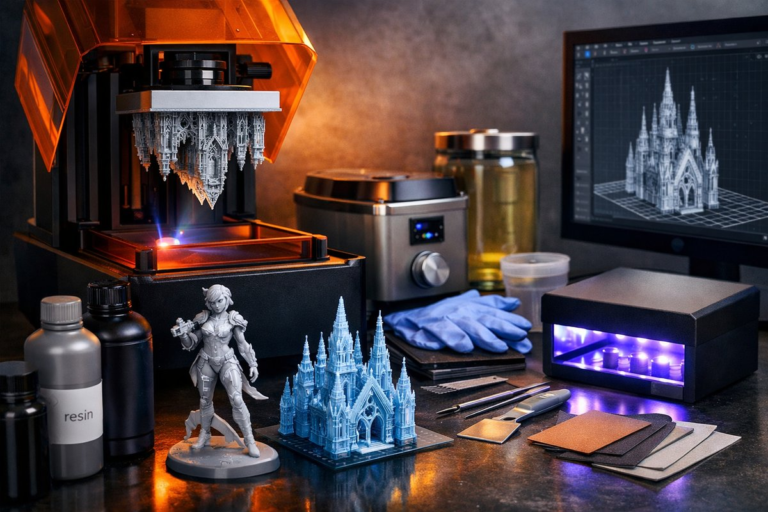
Once the print is complete, post-processing begins. Freshly printed SLA parts are coated with uncured resin, so they require thorough washing-typically in isopropyl alcohol-to remove residue. After washing, parts are cured under UV light to fully harden and stabilize the material. Some resins may also benefit from additional heat curing to enhance mechanical properties. Proper handling with gloves and working in a well-ventilated area is recommended due to the chemical nature of resins.
The benefits of mastering SLA printing extend beyond precision. Its ability to produce smooth surfaces reduces or eliminates the need for extensive sanding or finishing. The fine detail capability supports rapid prototyping of complex designs that would be challenging or impossible with traditional manufacturing. For medical professionals, SLA enables the creation of accurate anatomical models for surgical planning. In jewelry, it facilitates direct casting patterns with minimal post-processing.
For hobbyists and small businesses, investing in an SLA printer opens doors to creative experimentation and customized production. The relatively compact footprint of desktop SLA machines makes them accessible for home workshops or design studios. Meanwhile, advancements in resin formulations and printer technology continue to expand the range of achievable materials and applications.
To summarize, diving into stereolithography printing involves a blend of technical knowledge and hands-on practice. By selecting appropriate resins, preparing digital files thoughtfully, calibrating equipment carefully, and following thorough post-processing protocols, users can harness the full potential of SLA to bring intricate digital designs into the physical world with remarkable fidelity.
Whether your goal is crafting detailed miniatures, producing precise dental molds, or exploring functional prototypes, SLA offers a compelling additive manufacturing path worth exploring. Its unique combination of accuracy, surface quality, and material versatility makes it a valuable addition to any maker’s toolkit.