Location
Mount Vernon, WA 98274

Location
Mount Vernon, WA 98274
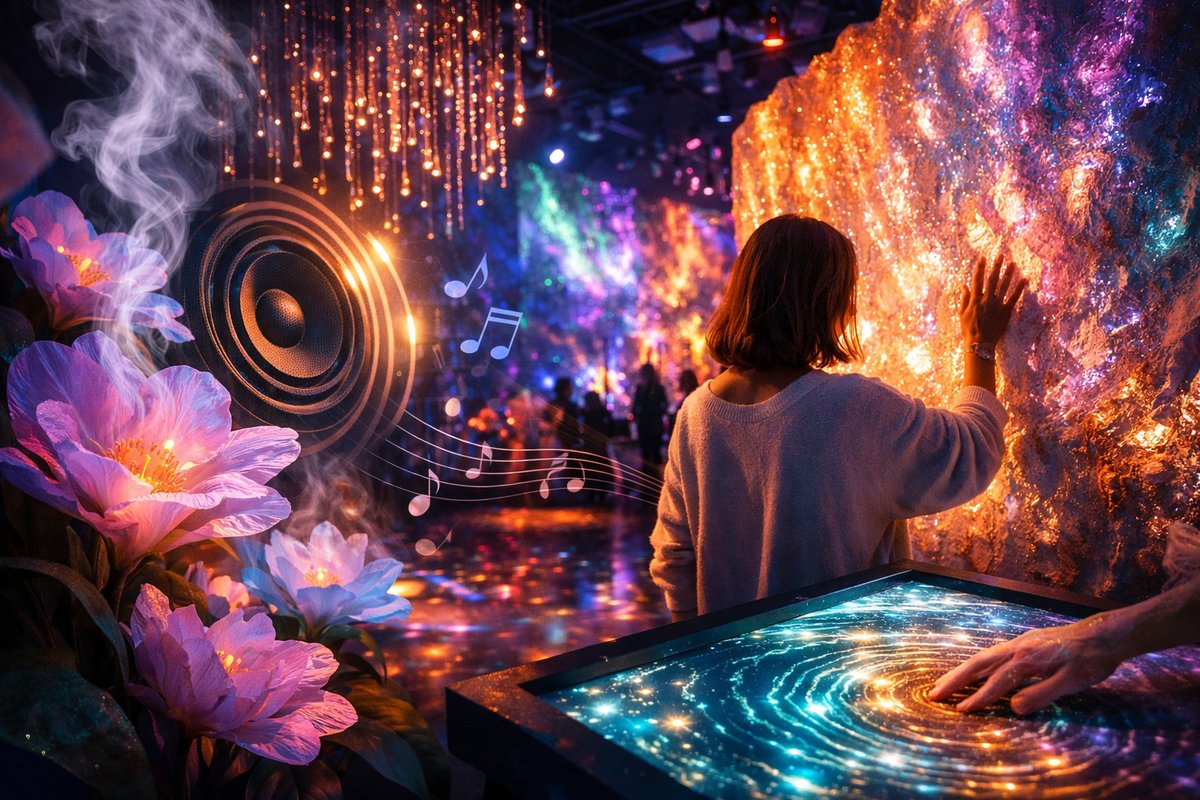
Artists and designers are increasingly blending sensory modalities to create immersive environments that engage more than just sight. This multisensory approach challenges traditional visual-centric art forms, inviting audiences to experience creativity through sound, touch, and even scent, fostering deeper emotional connections and novel interpretations.
In recent years, the boundaries between art and design have become ever more fluid, with a pronounced shift toward multisensory experiences that engage audiences beyond the visual plane. This paradigm shift reflects a growing curiosity about how integrating sound, texture, scent, and even spatial perception can enrich artistic expression and invite viewers to participate in a more holistic encounter with creativity.
Historically, art has primarily appealed to sight, whether through paintings, sculptures, or digital visuals. However, emerging projects and installations now prioritize an expanded sensory palette to foster emotional resonance and cognitive engagement. This approach aligns with contemporary understandings of neuroaesthetics, where stimulating multiple senses can enhance memory formation, empathy, and personal meaning.
One compelling example can be found in immersive exhibitions where ambient soundscapes are choreographed to complement visual elements, creating a dynamic interplay between what is seen and heard. For instance, an installation might feature projected abstract visuals accompanied by generative music that shifts in response to audience movement, transforming passive observation into active participation. This interactivity invites viewers to become co-creators, blurring the line between artist and audience.
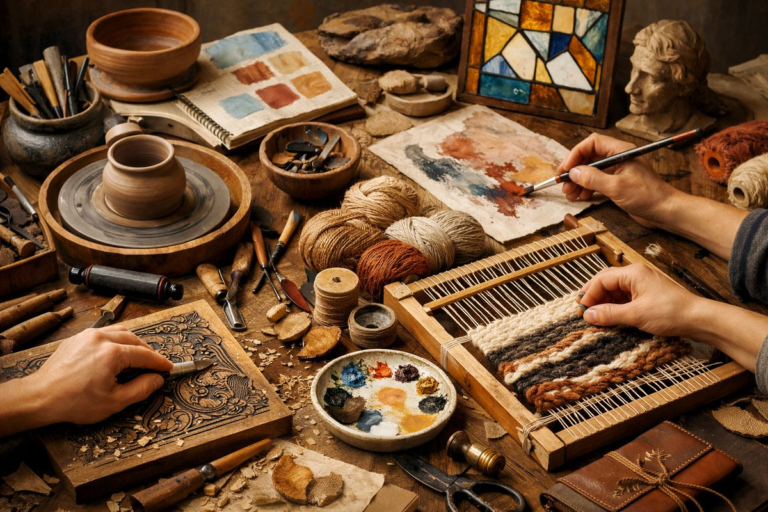
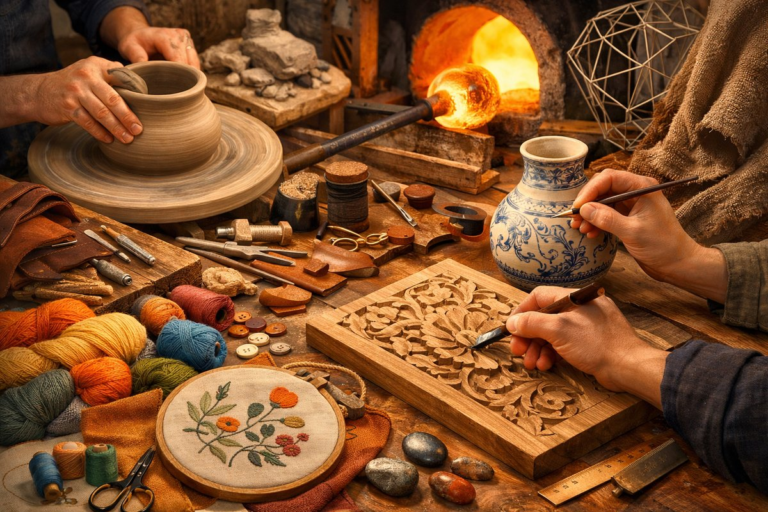
Texture and tactility are also reclaiming their place within artistic design. Artists are experimenting with materials that invite touch-ranging from fabrics with unusual weaves to malleable surfaces that change form under pressure. These tactile elements challenge the conventional ‘do not touch’ museum paradigm and encourage a more intimate and personal engagement with art. Moreover, advances in material science and sustainable design practices facilitate the creation of innovative mediums that are environmentally responsible while offering new sensory dimensions.
Scent, an often underappreciated sense in visual arts, is gaining traction as a powerful tool for evoking memory and atmosphere. Designers collaborate with perfumers to infuse spaces with fragrances that resonate with the thematic content of the work, enhancing immersion and emotional depth. For example, an installation reflecting on natural landscapes might incorporate earthy, woody aromas that transport visitors beyond the gallery walls.
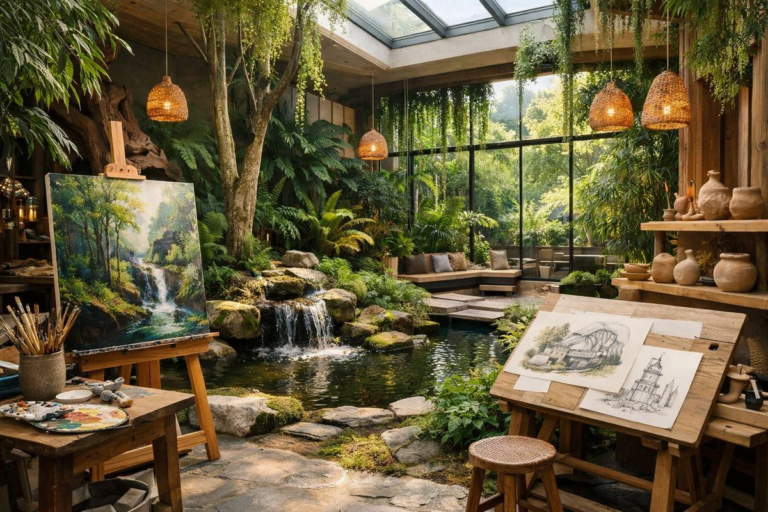
This multisensory trend is also influencing architectural and interior design, where sensory cues shape how spaces are experienced and inhabited. Lighting, acoustics, material textures, and scent are thoughtfully orchestrated to evoke moods, encourage social interaction, or foster contemplation. Such environments emphasize sustainability and wellbeing, demonstrating how sensory design can support both aesthetic and ethical values.
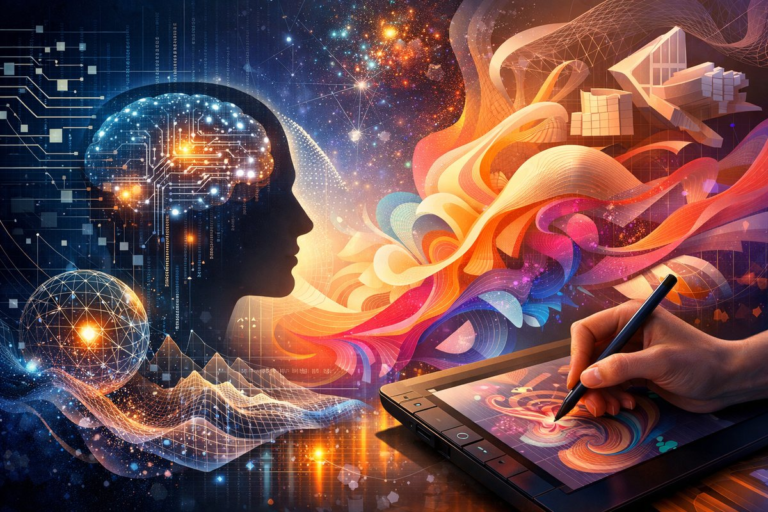
The integration of technology plays a pivotal role in enabling these sensory experiences. Sensors, projection mapping, and augmented reality tools allow designers to create responsive environments that adapt in real time to visitor behavior. For example, a gallery space might adjust its lighting hues or sound intensity based on occupancy or movement patterns, making each visit unique. These innovations highlight the potential for technology to deepen emotional connection rather than simply serve functional ends.
Despite these exciting developments, the multisensory approach presents challenges. Designers must balance sensory stimuli to avoid overwhelming visitors or diluting the artistic message. Accessibility considerations are paramount, ensuring that multisensory art is inclusive for individuals with sensory impairments. Additionally, ethical questions arise regarding the use of scent or sound in public spaces, particularly concerning allergies or noise pollution.
Educational institutions and art organizations are increasingly embracing this multisensory ethos by offering interdisciplinary programs that combine fine arts, design, psychology, and technology. These initiatives nurture future creators who are adept at crafting experiences that resonate on multiple levels, fostering empathy and curiosity in diverse audiences.
Ultimately, the rise of multisensory design signals a broader cultural shift toward valuing experience over object, connection over observation. By engaging multiple senses, artists and designers invite us to explore creativity in richer, more embodied ways-reminding us that art is not only seen but also felt, heard, and remembered.
As this field continues to evolve, it encourages ongoing dialogue about the role of sensory perception in human experience and the ways in which design can nurture emotional intelligence, sustainability, and inclusivity in the arts.