Location
Mount Vernon, WA 98274

Location
Mount Vernon, WA 98274
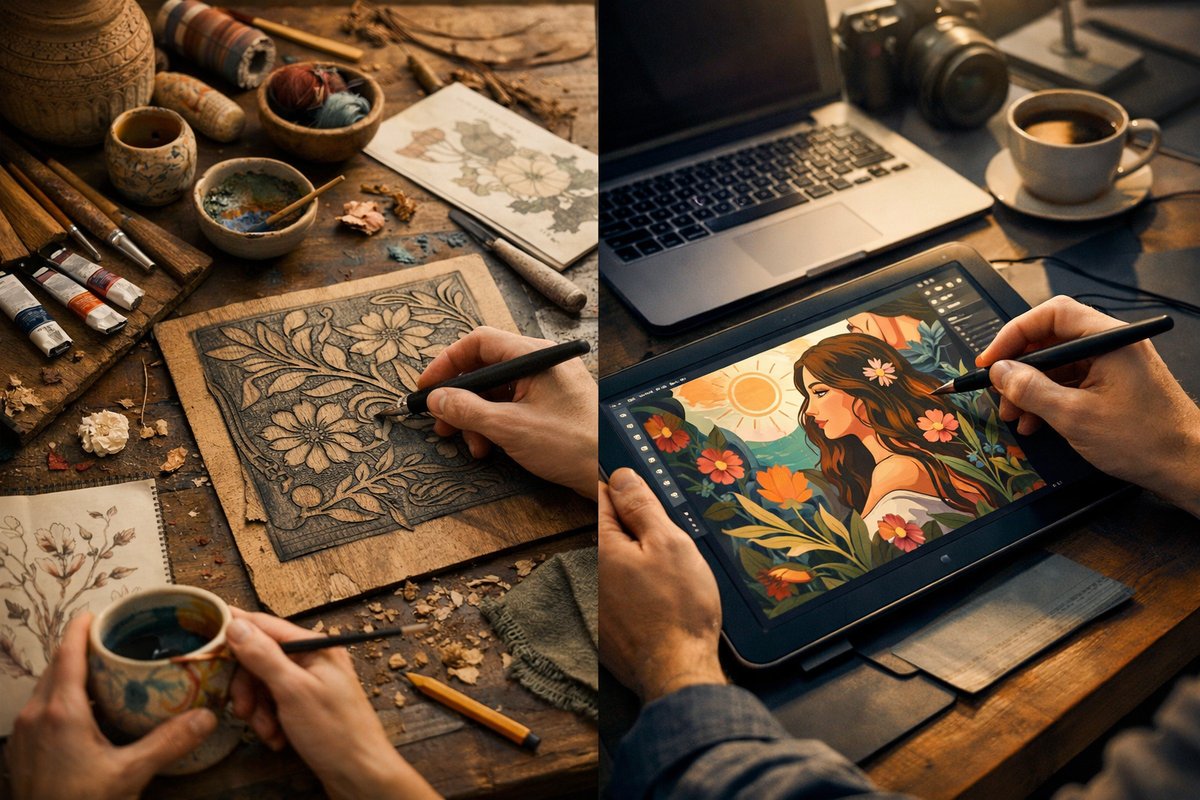
As digital tools continue to dominate creative industries, a resurgence in handcrafted art and design is redefining how creators connect with their materials and audiences. This revival not only celebrates tactile expression but also challenges the impersonal nature of digital production by emphasizing authenticity, sensory experience, and sustainability.
In an era saturated with digital innovation, where pixels often replace paint and algorithms craft compositions, a quiet but powerful renaissance is unfolding within the art and design communities. This resurgence of handcrafted techniques signals more than nostalgia; it is a deliberate re-engagement with the physical, sensory, and sustainable aspects of creativity that digital tools sometimes overlook. As artists and designers seek to balance the efficiencies of technology with the irreplaceable qualities of human touch, the conversation around what it means to create in the 21st century has deepened and expanded.
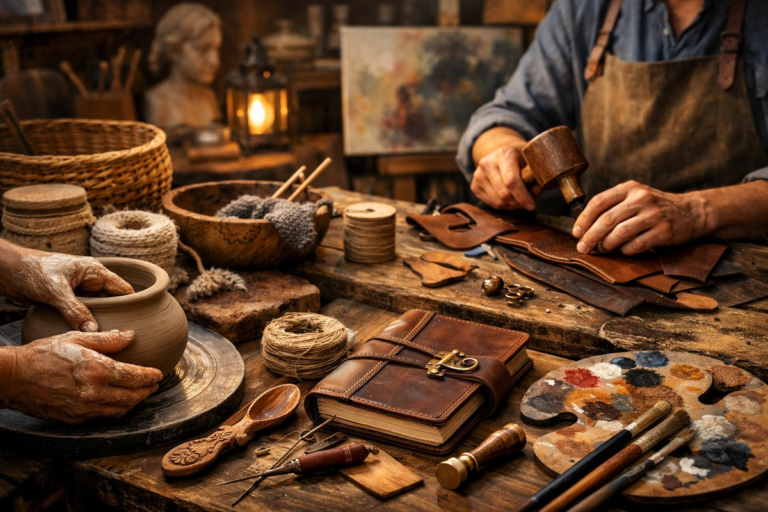
The tactile appeal of handcrafted work offers a distinct emotional resonance. Unlike digital creations, which can feel infinitely reproducible and detached, objects made by hand carry the imprint of their maker’s intention, effort, and even imperfections. These nuances create a unique narrative embedded in the work itself, inviting viewers to explore beyond surface aesthetics into the artist’s process and philosophy. This phenomenon reflects a broader cultural craving for authenticity and connection in an increasingly virtual world.
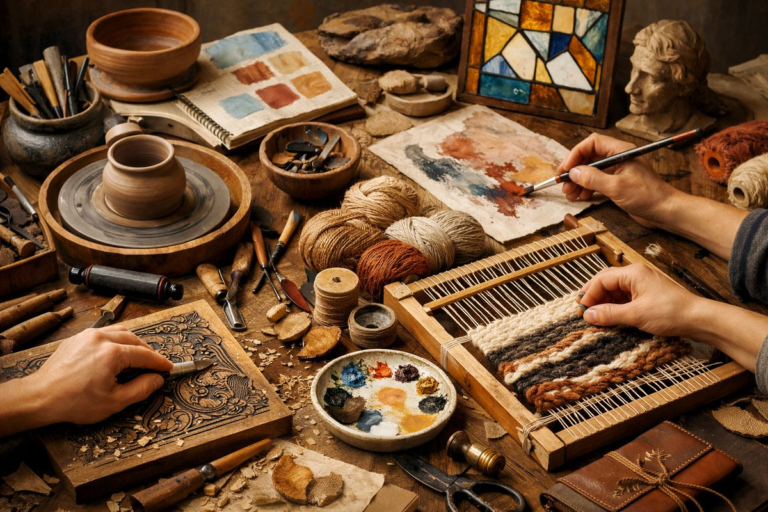
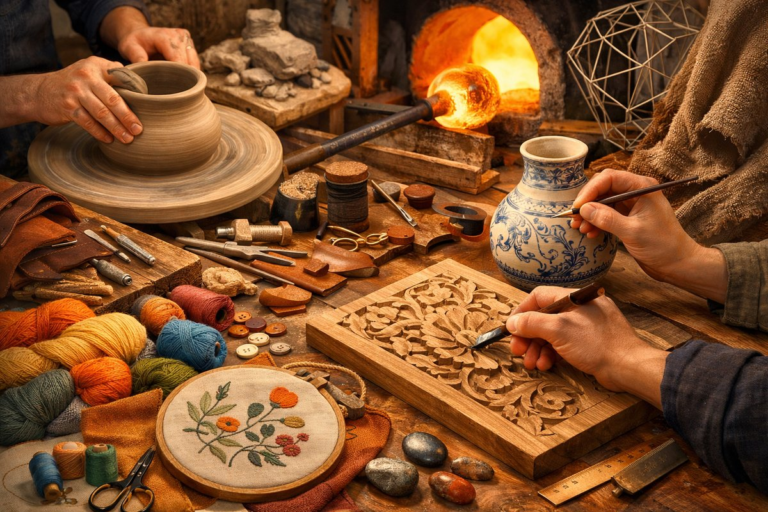
Artisans and designers are embracing diverse materials and traditional methods, sometimes reinventing ancient crafts to fit contemporary contexts. From pottery and textile weaving to metalworking and paper making, these practices are being reinterpreted with new sensibilities that prioritize sustainability and ethical sourcing. This shift aligns with growing awareness of environmental impact and a collective desire to reduce waste. For example, natural dyes derived from local plants or recycled metals not only minimize ecological footprints but also introduce organic variations that enrich the visual and tactile qualities of the work.
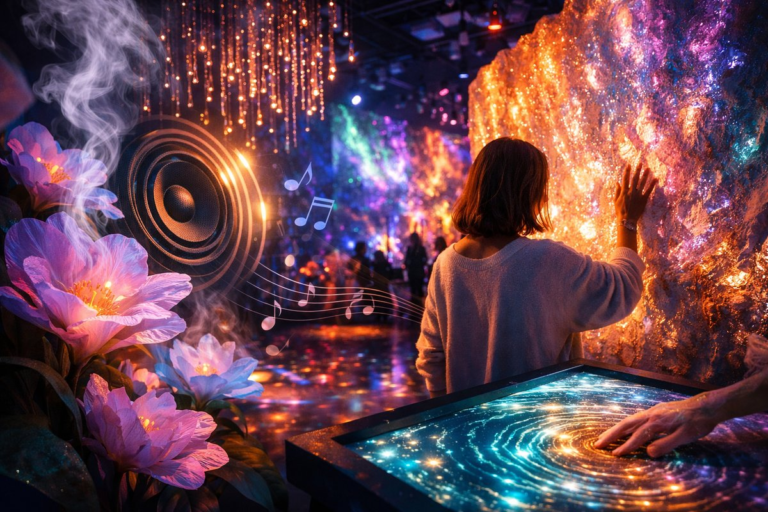
Moreover, the resurgence of handcrafted design intersects with a sensory design philosophy that champions multi-dimensional experiences. By incorporating texture, smell, sound, and even temperature, creators expand the boundaries of visual expression to engage audiences more holistically. Imagine a sculptural installation where the roughness of carved wood contrasts with the softness of hand-dyed fabric, inviting visitors to touch and feel the art, or a furniture piece that subtly releases a faint aroma of cedarwood, linking materiality with memory and emotion. These sensory layers deepen appreciation and foster meaningful encounters with design.
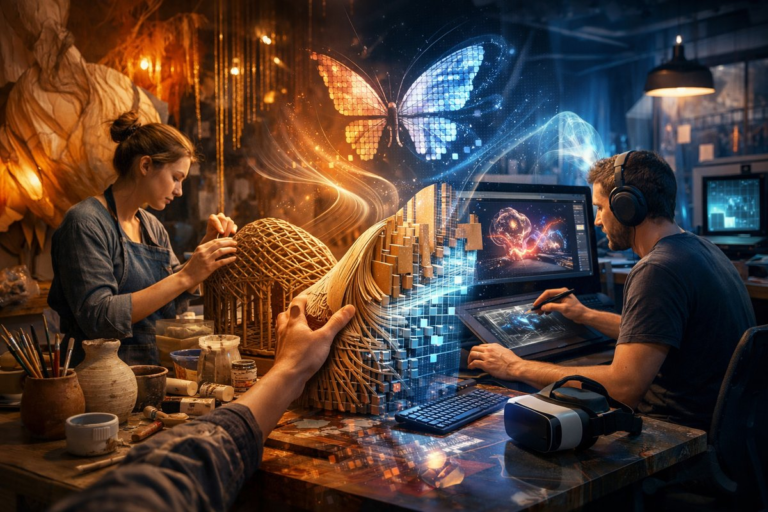
Educational institutions and creative hubs are increasingly supporting this blended approach. Workshops that combine digital fabrication techniques with hands-on craft skills empower emerging artists to harness the best of both worlds. Digital design software and 3D printers enable rapid prototyping and experimentation, while traditional tools cultivate patience, dexterity, and a nuanced understanding of materials. This hybrid methodology not only enhances creative possibilities but also prepares practitioners for a diverse and evolving market that values originality and craftsmanship.
On a social level, handcrafted design often encourages community engagement and knowledge sharing. Collaborative projects and maker spaces facilitate intergenerational dialogues, connecting experienced artisans with younger creatives eager to learn and innovate. This exchange nurtures cultural preservation while inspiring new interpretations and cross-disciplinary collaborations. It also democratizes access to creative resources, inviting participation beyond exclusive studios and galleries.
The economic implications of this movement are equally significant. As consumers increasingly seek products with transparent origins and meaningful stories, handcrafted goods gain competitive advantage in a marketplace often dominated by mass production. Designers who emphasize ethical production and local materials appeal to conscientious buyers willing to invest in quality and sustainability. This trend supports small businesses and local economies, contributing to more resilient and diverse creative sectors.
Critically, the renaissance of handcrafted design is not a rejection of digital progress but rather a complementary evolution. It challenges creators and audiences to reconsider the value of imperfection, process, and sensory richness in a digital landscape that often prioritizes speed, scalability, and visual perfection. By integrating tactile traditions with innovative technologies, the art and design fields are cultivating a richer, more inclusive future where creativity honors both heritage and possibility.
As this dialogue continues to unfold, it invites all curious minds-whether seasoned makers, novice enthusiasts, or thoughtful consumers-to explore and celebrate the enduring power of human touch in art. In a world awash with digital images, the warmth of handcrafted work reminds us that creation is not merely about the end product, but about connection, intention, and the stories embedded in every mark and material.