Location
Mount Vernon, WA 98274

Location
Mount Vernon, WA 98274
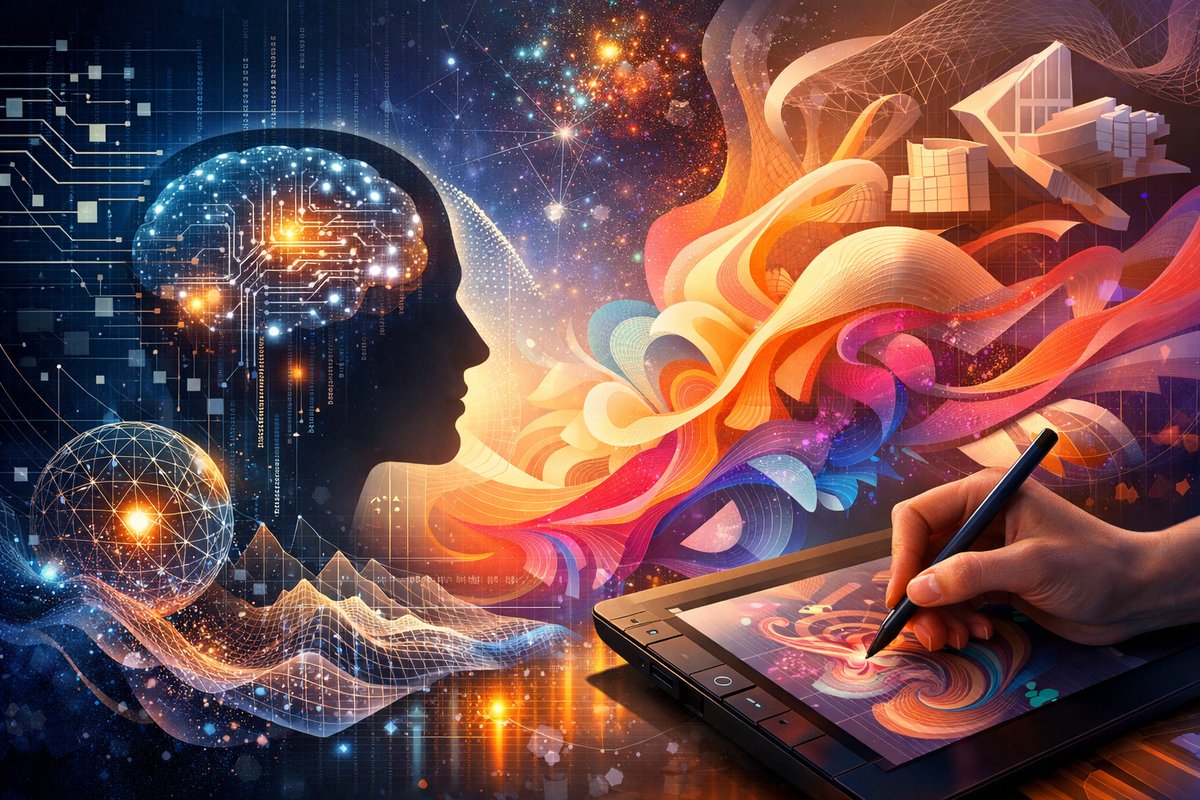
The fusion of technology and creativity is reshaping how artists and designers approach visual expression. Algorithmic art and generative design are opening new pathways for innovation, blending computational logic with aesthetic intuition to redefine what art can be.
In recent years, the intersection of technology and artistic creation has become a fertile ground for innovation. Algorithmic art and generative design, once niche practices relegated to experimental labs, are now gaining broader recognition and influencing mainstream creative workflows. These disciplines harness the power of code and computational processes to produce visual outputs that challenge traditional notions of authorship, control, and aesthetics.
At its core, algorithmic art involves programming a set of rules or instructions that a computer follows to generate images, patterns, or animations. Rather than manually crafting every detail, artists craft frameworks or systems that can autonomously produce diverse visual results. This approach embraces unpredictability and complexity, often yielding intricate and unexpected forms that might be difficult or impossible to conceive through direct manual effort.
Generative design extends this concept into design domains, using algorithms to explore vast solution spaces for problems related to form, structure, and functionality. Designers input parameters such as materials, constraints, and performance goals, and the generative system iterates multiple design options. The outcomes can be refined or selected based on aesthetic appeal or practical viability, making this method particularly valuable in architecture, product design, and fashion.
One compelling aspect of these practices is their ability to blend human creativity with computational rigor. Artists and designers are not replaced by machines; instead, they act as curators, programmers, and collaborators with their digital counterparts. This hybrid model expands creative potential, inviting a dialogue between intention and chance, control and emergence.
The philosophical implications are equally profound. Algorithmic art challenges the romantic ideal of the solitary genius artist by foregrounding process, systems, and networks. It invites viewers to reconsider notions of originality and the role of technology in culture. Moreover, it encourages sustainability through optimization and resource-conscious design, aligning with broader ecological values.
Practically, the tools enabling these forms have become more accessible. Open-source programming languages like Processing and p5.js allow artists to experiment with code without steep learning curves. Meanwhile, generative design platforms integrated into CAD software provide designers with intuitive interfaces to harness computational power. The democratization of these tools fosters a vibrant community of practitioners who share code, techniques, and artworks online, accelerating collective learning and innovation.
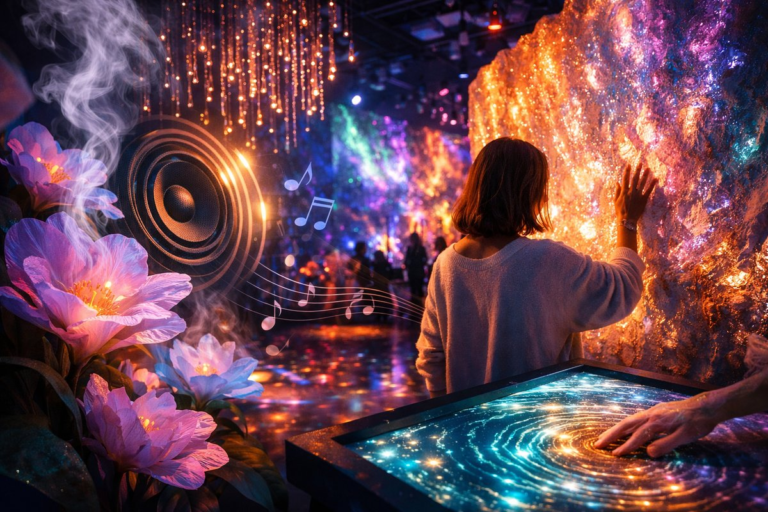
Recent exhibitions and digital galleries showcase how algorithmic and generative works captivate audiences with their mesmerizing complexity and dynamic qualities. Interactive installations, where viewers influence parameters in real time, enhance engagement and blur boundaries between creator and observer. Such experiences underscore the evolving relationship between technology, art, and society.
As these practices mature, ethical considerations emerge. Transparency about algorithmic decision-making, inclusivity in data sets, and awareness of biases embedded in code become crucial. Artists and designers are increasingly mindful of the social impact of their computational creations, advocating for responsible innovation.
Looking ahead, the synergy between artificial intelligence and generative art promises further breakthroughs. Machine learning models trained on vast artistic datasets can assist in style transfer, composition, and even concept generation. This collaboration raises questions about creativity’s essence and the future role of human artists.
Ultimately, algorithmic art and generative design represent a compelling frontier where curiosity and creativity converge. They invite us to embrace complexity, rethink authorship, and explore new aesthetic territories shaped by both human imagination and digital intelligence. For artists, designers, and audiences alike, this evolving landscape offers endless possibilities to discover and redefine visual expression.