Location
Mount Vernon, WA 98274

Location
Mount Vernon, WA 98274
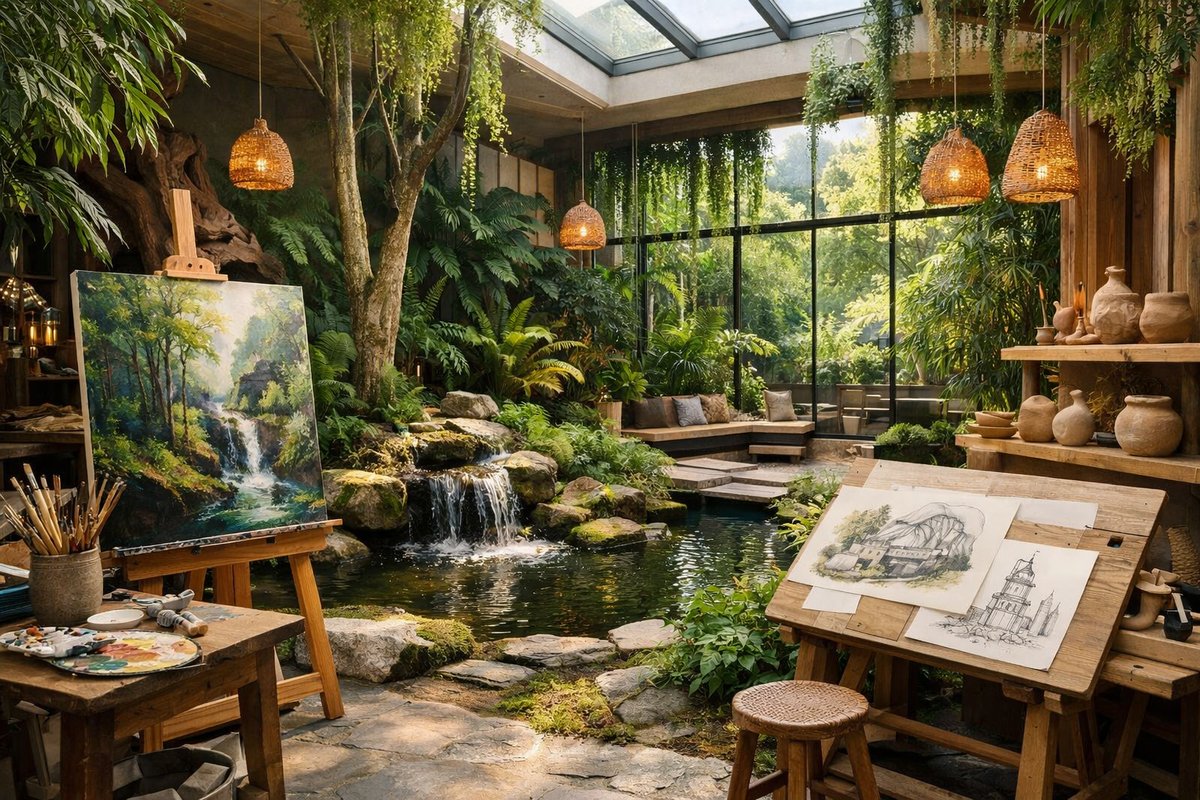
In recent years, biophilic design has surged as a compelling movement in art and architecture, seamlessly integrating natural elements into creative spaces. This approach not only transforms aesthetics but also fosters emotional well-being and sustainability, inviting artists and designers to rethink how nature can inspire and shape visual expression.
Biophilic design, a concept rooted in the innate human affinity for nature, has transcended its initial architectural context to become a dynamic influence in the world of art and design. This movement emphasizes the integration of natural forms, materials, and patterns into creative environments, fostering a deeper connection between humans and the natural world. As society grapples with urbanization and digital saturation, artists and designers are increasingly turning toward biophilic principles to cultivate spaces that nourish both creativity and mental health.
One of the defining characteristics of biophilic design is its emphasis on natural materials. Wood, stone, and plant-based textiles are no longer mere backdrops but active components that dialogue with the artwork itself. This dialogue enriches the sensory experience, appealing not only visually but also through texture, scent, and even sound when incorporating elements like water features or rustling foliage. The tactile quality of these materials invites a multisensory engagement, encouraging viewers and creators to slow down and fully immerse themselves in their surroundings.
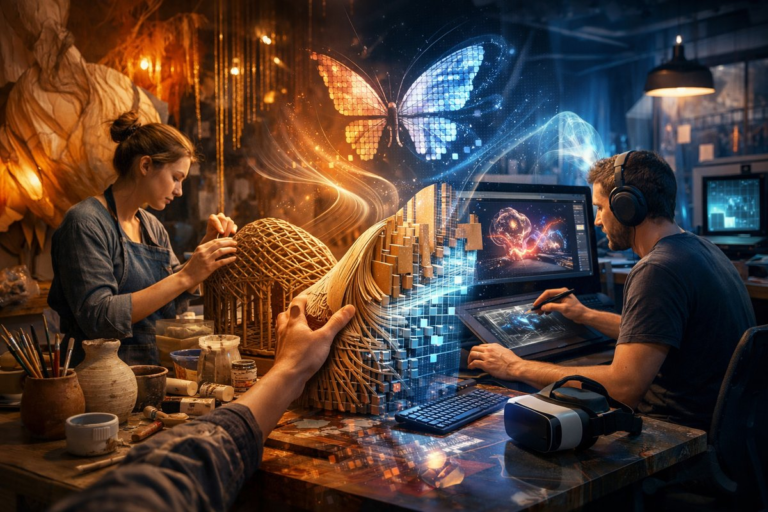
Beyond materials, biophilic art spaces often incorporate organic shapes and patterns inspired by fractals and natural geometry. These patterns, observed in leaves, shells, and clouds, evoke a sense of harmony and balance, subtly influencing psychological well-being. Artists are exploring these forms to blur the boundaries between the natural and the synthetic, using mediums ranging from ceramics to digital fabrication. For instance, some installations utilize 3D-printed structures that mimic the cellular patterns found in plants, marrying cutting-edge technology with natural aesthetics.
The infusion of living plants and green walls into galleries and studios also reflects a growing trend toward sustainability and emotional health. Studies indicate that exposure to greenery reduces stress and increases cognitive function, making such environments conducive to creative work. Artists and designers are not only placing plants as decorative accents but integrating them as co-creators within installations, allowing the growth and change of living elements to become part of the artwork’s narrative.
Light, a critical component of biophilic design, is harnessed to simulate natural cycles and enhance the mood of spaces. Dynamic lighting systems that adjust color temperature and intensity throughout the day replicate dawn, daylight, and dusk, supporting circadian rhythms and enhancing the viewer’s experience. This temporal layering adds a performative dimension to art exhibitions, where the interaction between light and material evolves as the day progresses.
Importantly, biophilic design aligns closely with sustainability, a core value for many contemporary artists and designers. Using renewable resources, promoting local materials, and designing for longevity and adaptability reduce environmental impact while fostering creativity that is mindful of ecological footprints. This ethical dimension deepens the meaning behind biophilic art, making it not only visually compelling but also socially responsible.
The emotional intelligence embedded in biophilic spaces is perhaps its most transformative attribute. By reconnecting individuals with nature, these designs nurture empathy, calm, and introspection. In art education and therapy, such environments have demonstrated significant benefits, supporting mental health and encouraging vulnerability-essential ingredients for authentic artistic expression.
As biophilic design continues to inspire new forms of visual expression, it challenges traditional notions of art and space. The boundaries between the gallery, the studio, and the natural environment become porous, inviting audiences to engage in immersive, evolving experiences. This approach champions curiosity and sustainability, offering a blueprint for future creative endeavors that honor both human and ecological flourishing.
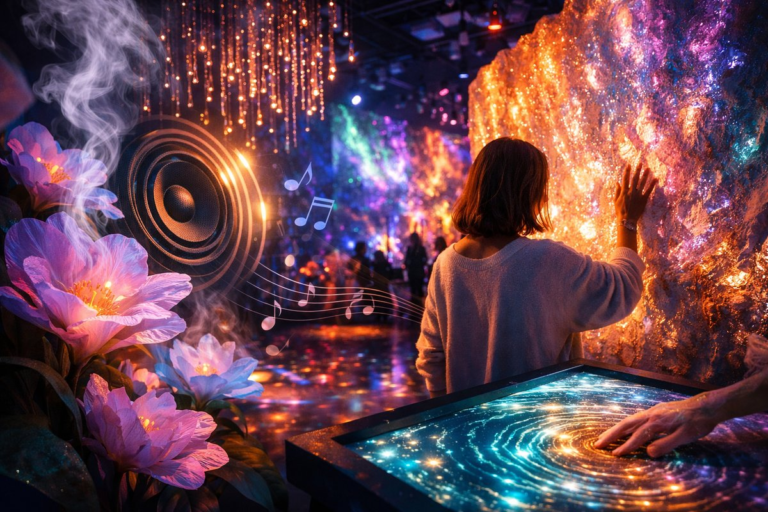
Looking ahead, we can anticipate further innovations in biophilic art, particularly through the integration of digital technology and living systems. Interactive installations that respond to environmental data or viewer presence exemplify this frontier, creating dialogues between art, nature, and technology. Such projects invite us to reconsider our role within the biosphere, positioning creativity as a vital force for ecological awareness and connection.
Ultimately, the rise of biophilic design in art and design underscores a profound cultural shift: a yearning to restore balance in a rapidly changing world. By embedding nature at the heart of creativity, artists and designers are crafting spaces that are not only visually stunning but also emotionally enriching and ethically grounded. This convergence of aesthetics, well-being, and sustainability marks an exciting chapter in the evolution of visual expression.