Location
Mount Vernon, WA 98274

Location
Mount Vernon, WA 98274

Christianity today is experiencing a dynamic evolution, blending ancient traditions with modern challenges and opportunities. This article explores how believers are reshaping spiritual practices, community engagement, and theological reflection to find meaning and resilience in an ever-changing cultural landscape.
Christianity, a faith tradition with roots stretching back millennia, continues to be a vital and evolving presence in the lives of millions worldwide. In recent years, the landscape of Christian faith has undergone significant shifts, shaped by rapid societal changes, technological advancements, and new cultural conversations. This evolution is not a departure from tradition but rather a nuanced re-engagement that invites believers to explore faith in ways that resonate with contemporary realities.
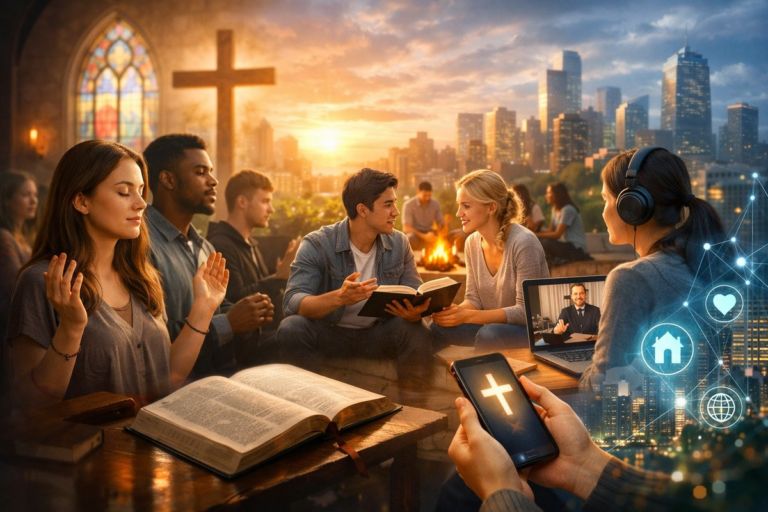
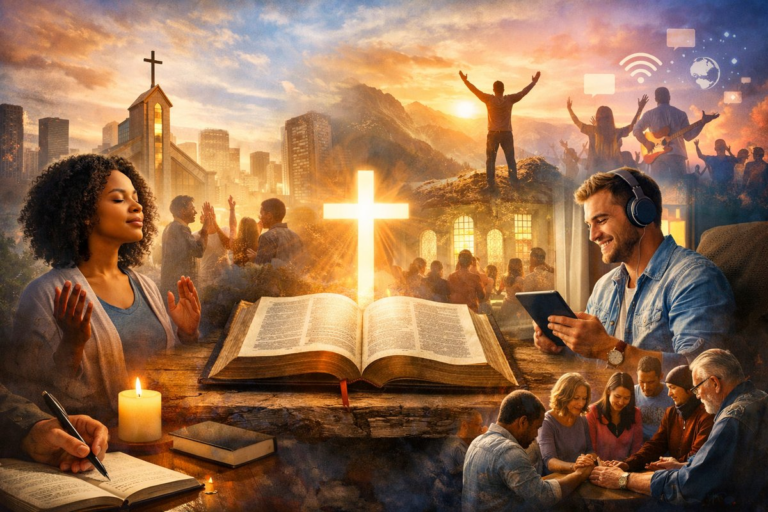
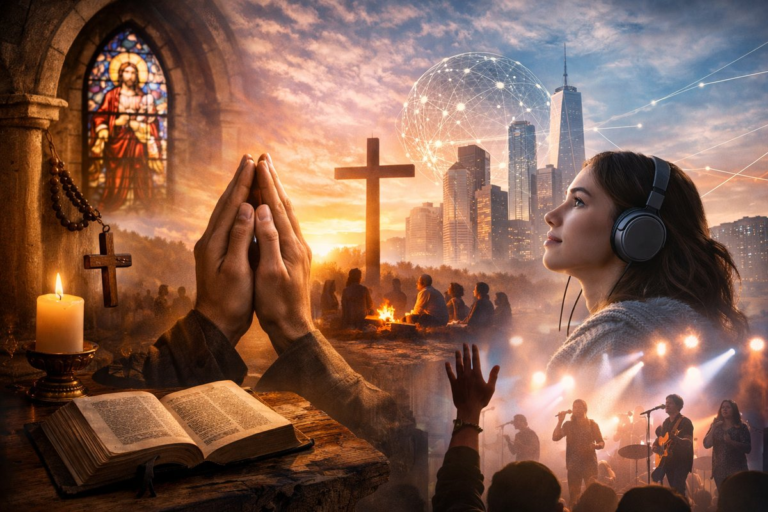
One of the most striking features of modern Christianity is its embrace of diversity in expression and practice. While traditional liturgies and doctrines remain foundational, many communities are experimenting with new forms of worship, outreach, and spiritual disciplines. This includes integrating digital technology to foster connection and accessibility, especially in the wake of global events that have limited physical gatherings. Online services, virtual prayer groups, and faith-based podcasts have become common avenues for nurturing spiritual life, reflecting a broader trend toward hybrid models of communal worship.
At the heart of this transformation is a renewed emphasis on personal experience and authenticity. Many believers are seeking a faith that speaks to their individual journeys, struggles, and hopes. This has led to a flourishing of spiritual memoirs, reflective writing, and artistic expressions that capture the complexities of living out Christian values in a pluralistic world. The focus on emotional intelligence and vulnerability within faith communities encourages deeper empathy and mutual support, fostering environments where questions and doubts are welcomed rather than suppressed.
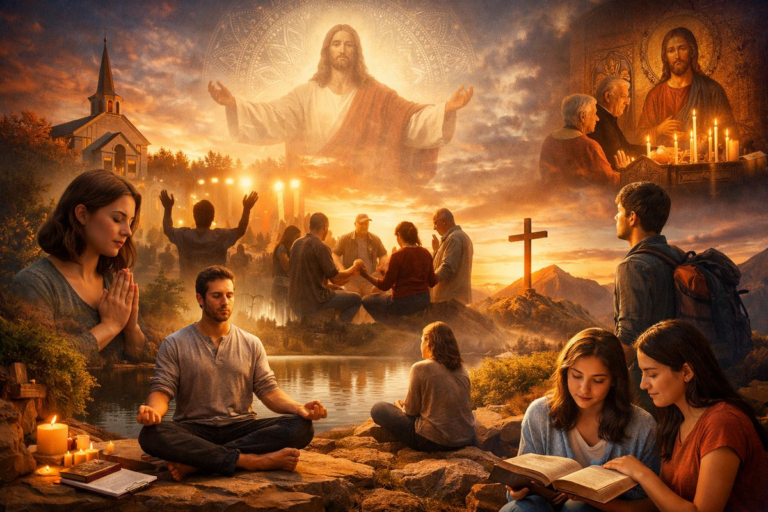
Contemplative practices, once considered niche, are gaining wider recognition as tools for spiritual renewal. Meditation, silence, and contemplative prayer offer counterpoints to the fast-paced, distraction-heavy culture, providing spaces for stillness and inner transformation. These practices, rooted in ancient Christian mysticism, are being adapted to contemporary contexts, helping believers cultivate resilience and peace amid uncertainty.
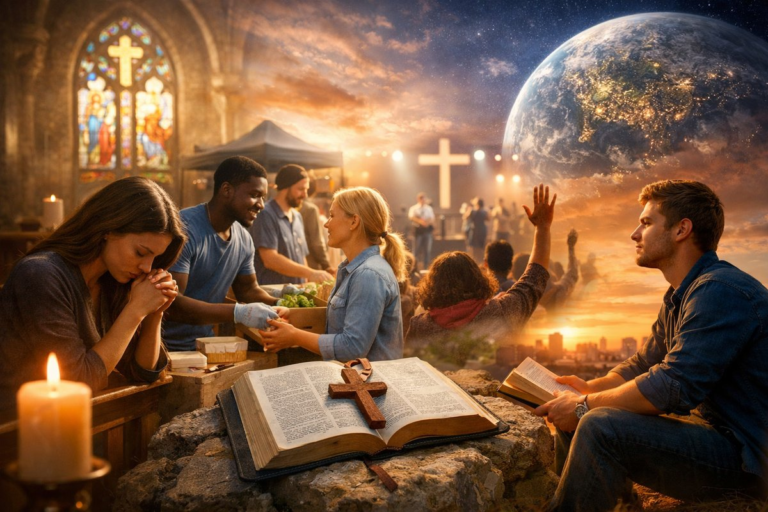
Social justice and environmental stewardship have also become integral to many expressions of Christianity today. The call to love one’s neighbor extends into active engagement with issues such as racial reconciliation, poverty alleviation, and climate action. This ethical awakening connects faith with tangible efforts to create a more just and sustainable world, reflecting a holistic understanding of spirituality that encompasses both personal and communal responsibility.
Theological reflection continues to evolve alongside these practical shifts. Scholars and laypeople alike are revisiting core doctrines through lenses informed by modern science, intercultural dialogue, and historical-critical methods. This openness encourages a dynamic faith that dialogues with contemporary knowledge and challenges, rather than retreating into dogmatism.
Despite these changes, the enduring themes of hope, grace, and redemption remain central. Christianity’s narrative of transformation and renewal offers a profound resource for navigating the complexities of modern life. Communities that balance tradition with innovation, personal depth with social action, and contemplation with engagement are crafting a vibrant future for the faith.
In summary, contemporary Christianity is characterized by a fluid interplay between ancient wisdom and present-day realities. It invites believers into a journey marked by curiosity, courage, and compassion, where faith is continually reimagined to meet the needs of the world and the soul. This evolving journey underscores the timeless relevance of Christianity as a source of meaning, connection, and quiet courage in a rapidly changing world.