Location
Mount Vernon, WA 98274

Location
Mount Vernon, WA 98274
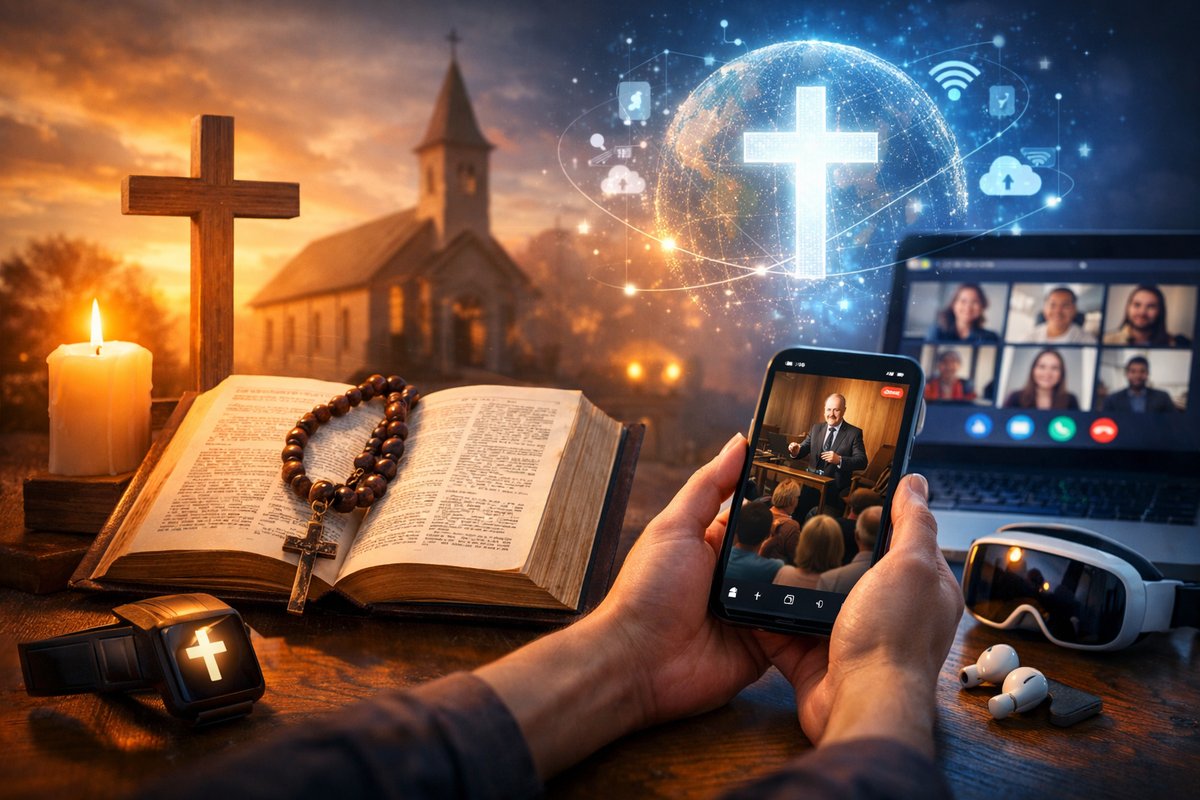
As Christianity continues to evolve amid rapid technological and cultural shifts, believers are discovering fresh ways to engage with ancient traditions. This exploration reveals how faith adapts, offering both continuity and innovation in spiritual practice.
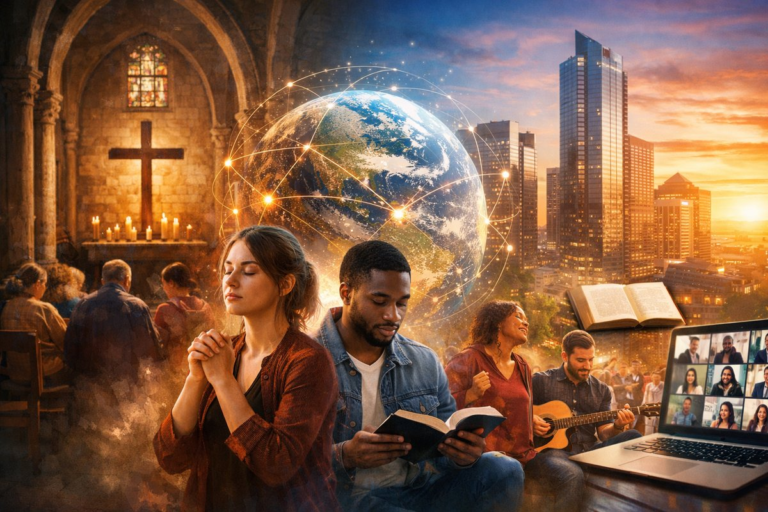
Christianity, with its rich tapestry of history and tradition, is experiencing a dynamic transformation in the modern world. This evolution is not a departure from its foundational beliefs but rather an adaptation to the digital age and contemporary cultural contexts. Believers across denominations are finding new avenues to express their faith, deepen their spirituality, and engage with communities both locally and globally.
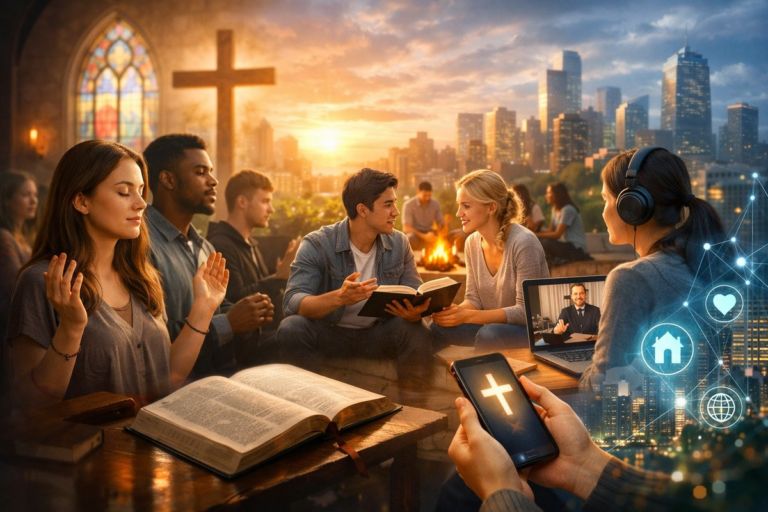
The rise of digital platforms has been a catalyst for this shift. Online worship services, virtual prayer groups, and social media faith communities have expanded the reach of Christian fellowship beyond physical church walls. These tools have democratized access to spiritual resources, enabling individuals who might be isolated by geography, health, or circumstance to participate actively in faith life. The immediacy and interactivity of digital media also foster a sense of connection and shared experience, vital in times of social distancing and global uncertainty.
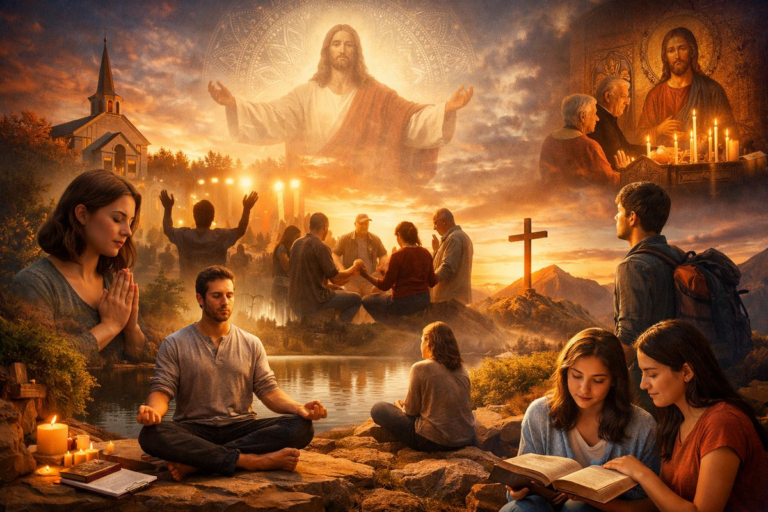
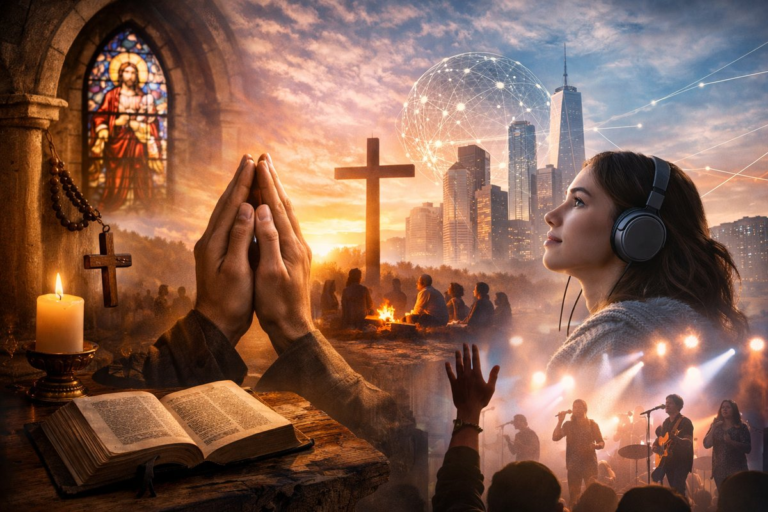
Alongside technological innovation, there is a renewed emphasis on contemplative practices within Christianity. Meditation, silence, and mindfulness, often associated with other spiritual traditions, are being embraced by many Christians seeking a deeper encounter with God. This contemplative turn reflects a desire for stillness and presence amid the noise of modern life, inviting believers to cultivate inner peace and spiritual resilience.
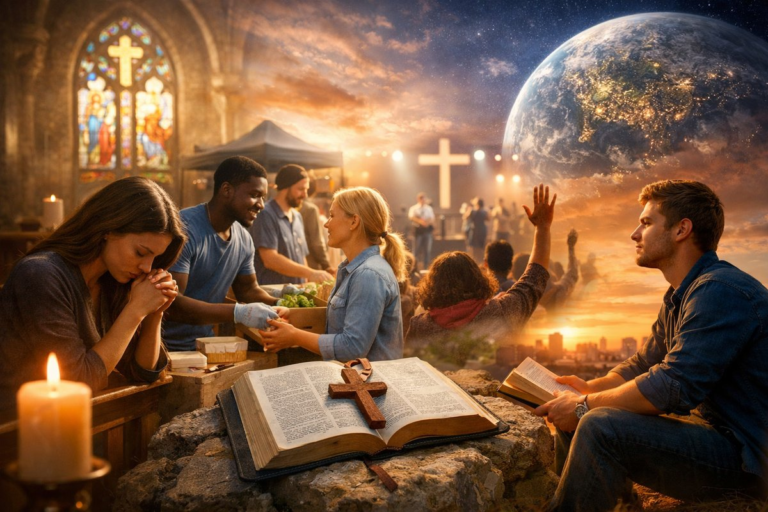
Moreover, the integration of social justice concerns with faith practice has become increasingly prominent. Many Christian communities are actively engaging with issues such as racial reconciliation, environmental stewardship, and economic equity, viewing these commitments as expressions of their faith in action. This holistic approach to spirituality underscores the interconnectedness of belief, ethics, and community life.
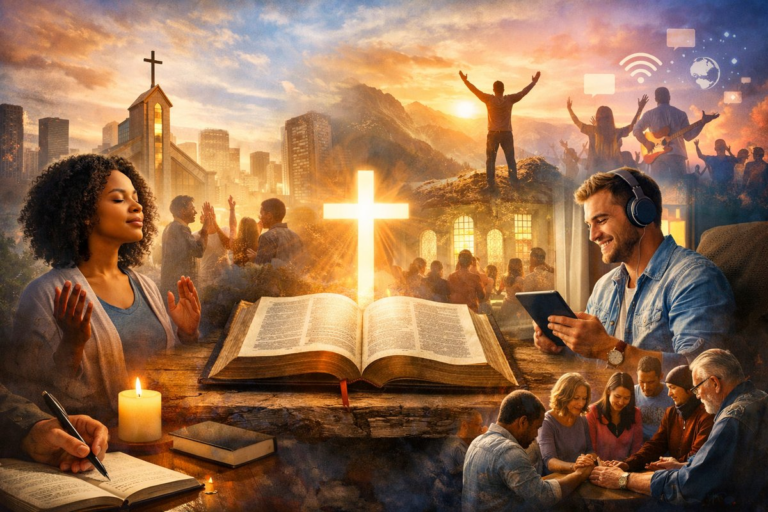
Theological education and scriptural engagement are also adapting. Digital Bible study tools, podcasts, and online theological courses provide accessible opportunities for learning and reflection. These resources support lifelong faith formation, encouraging believers to wrestle with scripture and doctrine in ways that resonate with contemporary questions and challenges.
Despite these innovations, the core of Christian faith-centered on the life, teachings, and resurrection of Jesus Christ-remains a grounding presence. The sacraments, liturgy, and communal worship continue to offer a profound sense of continuity and identity. Many find that these traditional practices, when combined with new expressions, enrich their spiritual journey and foster a vibrant, living faith.
In this landscape of change and continuity, the Christian journey invites openness, curiosity, and courage. It calls for a faith that is both rooted and responsive, honoring the past while engaging creatively with the present. As believers navigate this evolving terrain, they contribute to a faith story that is both ancient and ever new, marked by a commitment to meaning, renewal, and quiet courage in a complex world.