Location
Mount Vernon, WA 98274

Location
Mount Vernon, WA 98274
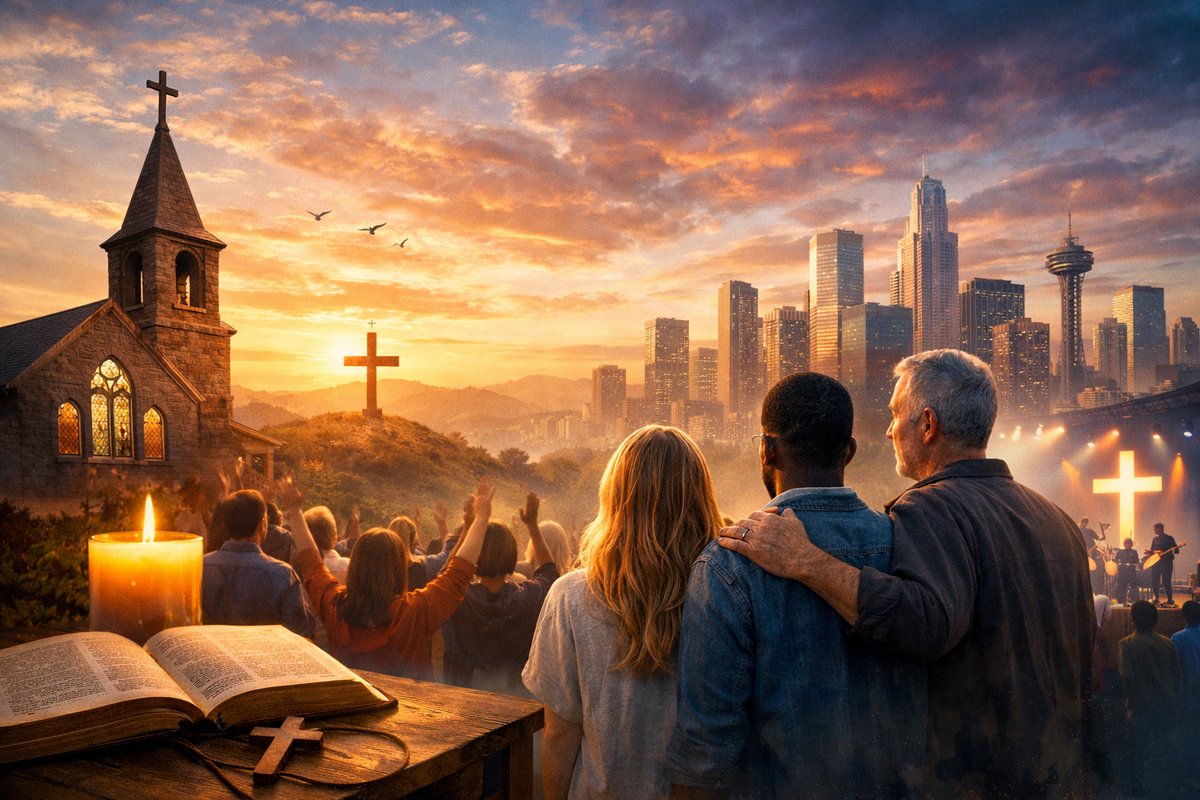
Christianity today is marked by a subtle yet profound resilience, as believers navigate a rapidly changing cultural landscape. This evolving faith embraces both tradition and innovation, inviting a renewed sense of purpose and community amidst contemporary challenges.
In an era defined by rapid technological advancement, shifting social norms, and global uncertainties, Christianity continues to demonstrate a quiet resilience that speaks to the enduring human search for meaning and connection. Far from being static or monolithic, contemporary Christian faith is a dynamic tapestry woven from threads of ancient tradition, personal experience, and thoughtful reflection. This evolving landscape invites believers and seekers alike into a journey that balances reverence for the past with openness to new expressions of spirituality.
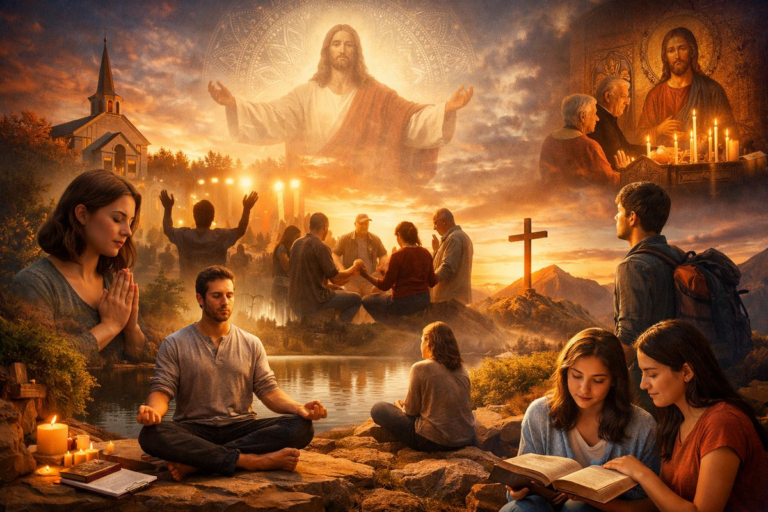
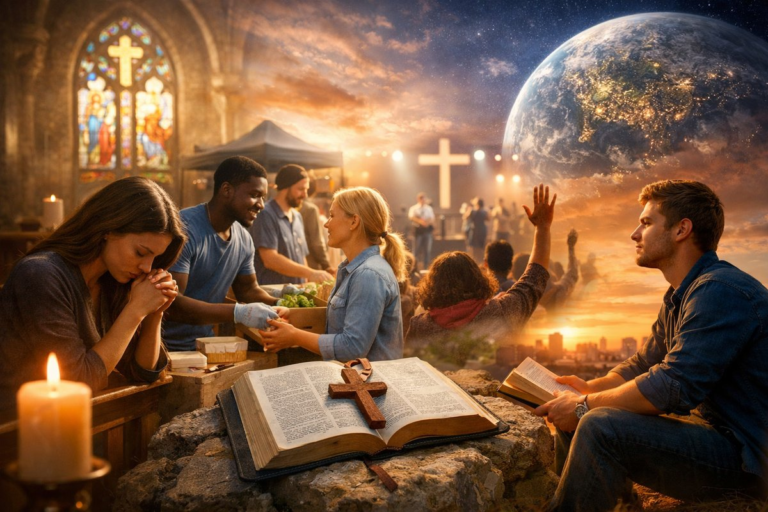
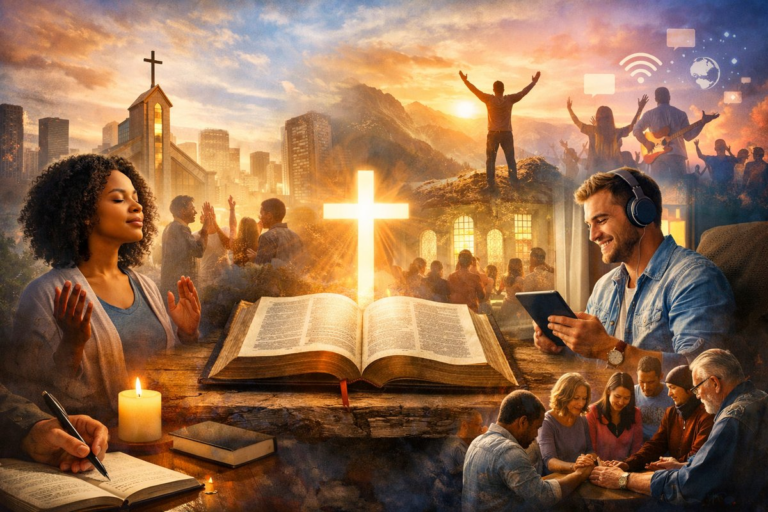
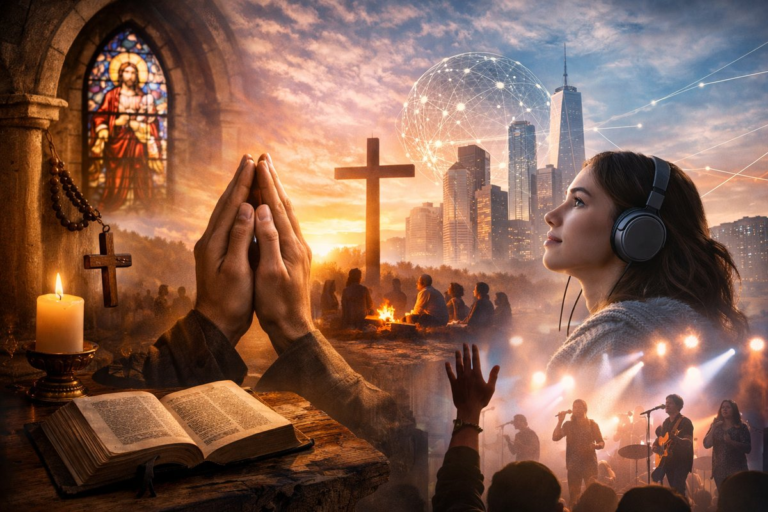
One of the most striking features of modern Christianity is its embrace of diverse spiritual practices that nurture both individual and communal well-being. Practices such as contemplative prayer, meditation, and the use of sacred music have seen a resurgence, offering believers a space to cultivate stillness and inner peace amid the noise of daily life. This revival of contemplative disciplines reflects a broader cultural yearning for mindfulness and presence, demonstrating how Christian spirituality can adapt to meet contemporary needs without sacrificing its core values.
At the same time, many Christian communities are actively engaging with social and environmental issues, reflecting a faith that is deeply concerned with justice, stewardship, and compassion. This engagement is not merely performative but rooted in a theological conviction that caring for the marginalized and the earth is integral to living out the gospel message. Such activism often takes the form of grassroots initiatives, community partnerships, and educational programs that seek to embody the principles of love and service in tangible ways.
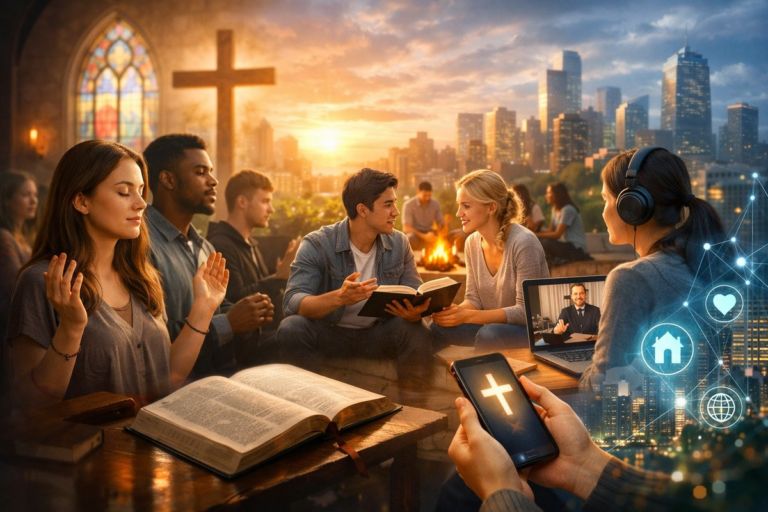
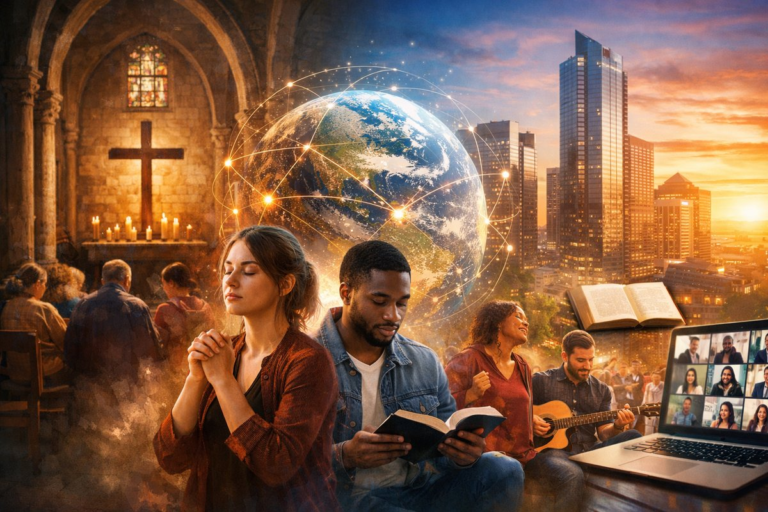
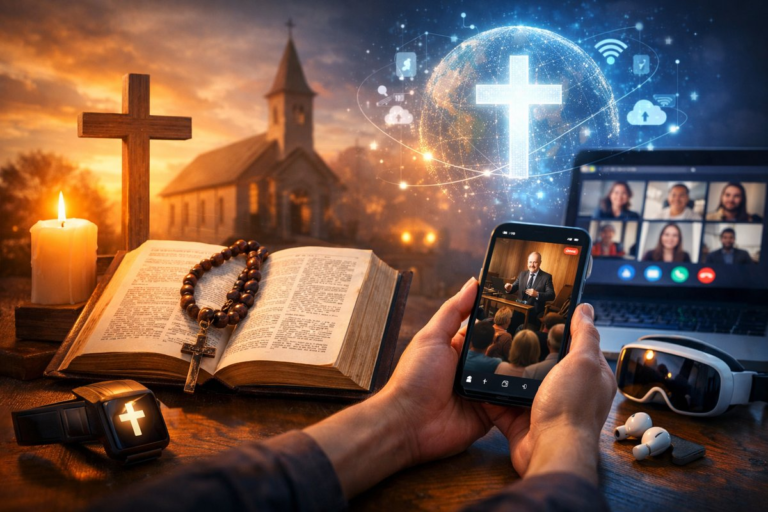
The role of technology in shaping modern Christian experience cannot be overlooked. Online worship services, digital prayer groups, and faith-based apps have become vital tools for connection, especially in contexts where physical gathering is limited. These digital spaces offer new opportunities for inclusivity, allowing individuals from diverse backgrounds and geographies to participate in shared spiritual practices. However, they also raise important questions about the nature of community and the balance between virtual and embodied presence.
Personal narratives continue to play a powerful role in contemporary Christianity, as individuals share stories of transformation, doubt, and hope. These testimonies often highlight the ways faith intersects with everyday life, providing resilience in times of hardship and a framework for ethical decision-making. The sharing of such stories fosters empathy and solidarity, creating a sense of belonging that transcends denominational boundaries.
Moreover, there is a growing interest in exploring Christianity’s rich theological and cultural heritage through art, literature, and music. This creative engagement invites a deeper reflection on the mysteries of faith and the human condition, enriching spiritual life and offering fresh perspectives. From sacred architecture that inspires awe to modern Christian literature that challenges and comforts, these expressions serve as bridges between tradition and contemporary relevance.
Despite these vibrant developments, contemporary Christianity also faces significant challenges. Declining membership in some regions, theological polarization, and the struggle to remain relevant to younger generations are ongoing concerns. These issues prompt critical reflection on how Christian communities can foster inclusivity, dialogue, and renewal without compromising their foundational beliefs.
Ultimately, the story of Christianity today is one of quiet courage and hopeful adaptation. It is a faith that invites ongoing exploration-both inward and outward-encouraging believers to live with authenticity, compassion, and a deep sense of purpose. As the world continues to change, this resilient tradition offers a steady compass for navigating the complexities of modern life, reminding us that faith is not merely a set of doctrines but a lived experience that shapes how we relate to ourselves, others, and the divine.
This ongoing journey of renewal and reflection underscores the importance of creating spaces where questions are welcomed and diverse expressions of faith are honored. Whether through contemplative practice, community service, or creative exploration, contemporary Christianity remains a vibrant and evolving path toward meaning and connection in a complex world.