Location
Mount Vernon, WA 98274

Location
Mount Vernon, WA 98274
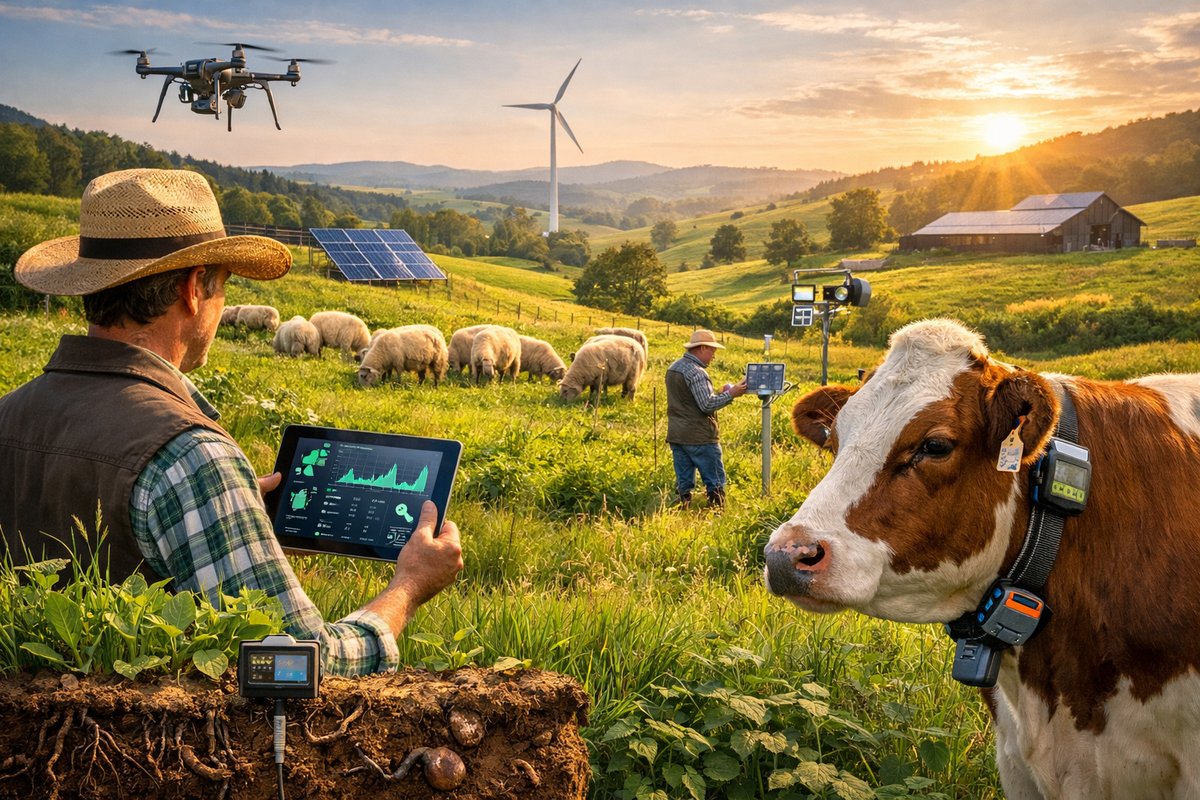
Across rural landscapes, a new wave of sustainable farming and livestock care is taking root, blending traditional wisdom with cutting-edge technologies. From regenerative grazing to precision animal health monitoring, farmers are reshaping agriculture to nurture ecosystems and animal welfare alike.
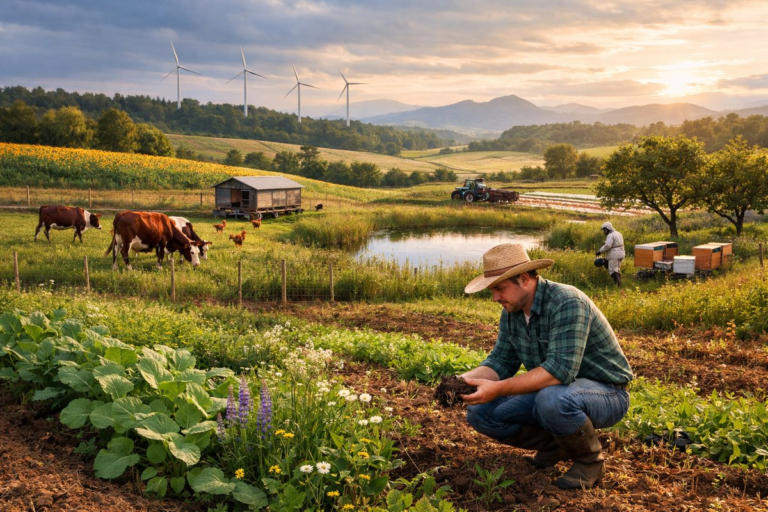
In recent years, the agricultural sector has witnessed a transformative shift toward sustainability that goes beyond conventional organic practices. This movement is characterized by regenerative farming techniques, innovative livestock care, and the integration of technology to foster resilient rural systems. These approaches emphasize soil health, biodiversity, animal welfare, and climate resilience, offering promising pathways for the future of farming.
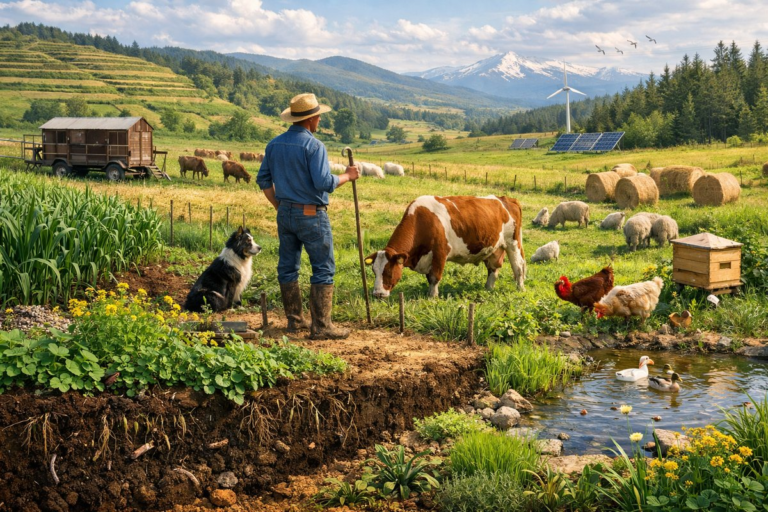
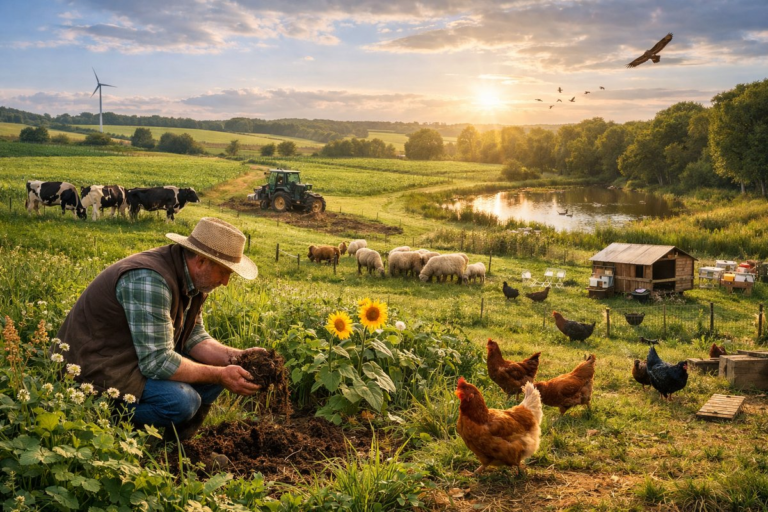
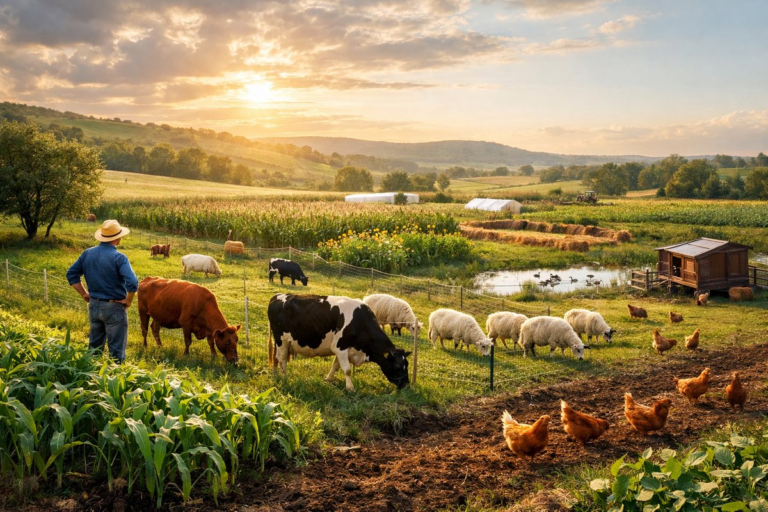
One cornerstone of this evolution is regenerative grazing, a practice that mimics natural herd movements to restore grasslands and enhance soil carbon sequestration. By rotating livestock across carefully planned pastures, farmers stimulate plant growth, improve water retention, and reduce erosion. This method not only supports healthier ecosystems but also leads to more nutritious forage, benefiting the animals themselves. Studies have shown that regenerative grazing can increase soil organic matter significantly within a few years, contributing to climate change mitigation.
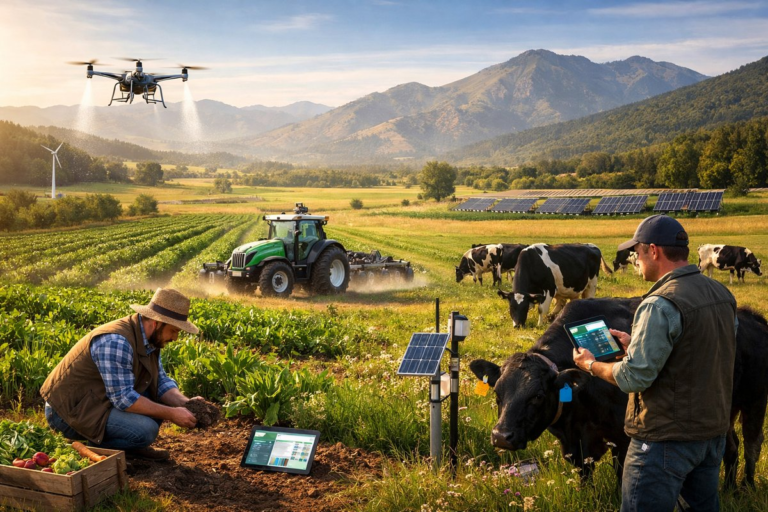
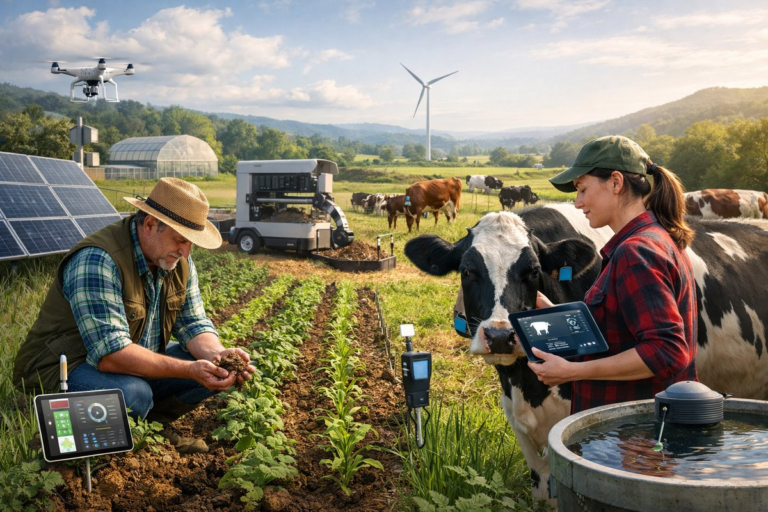
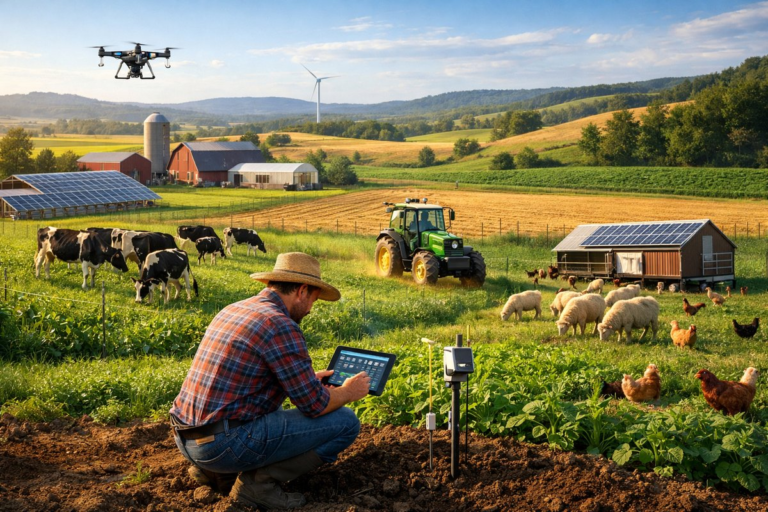
Complementing pasture management, advances in animal health monitoring have empowered farmers to track livestock well-being with unprecedented precision. Wearable sensors and smart collars now provide real-time data on vital signs, activity levels, and behavior patterns. This granular insight allows for early detection of illness or stress, minimizing the need for antibiotics and improving overall herd health. Moreover, such technology facilitates individualized care even in large herds, supporting ethical treatment and reducing mortality rates.
In parallel, sustainable feed innovations are gaining traction. Many farms are exploring locally sourced, nutrient-dense feed options that reduce dependence on imported grains and soy, which often have high environmental footprints. Incorporating cover crops and forage legumes into crop rotations enriches soil nitrogen naturally and provides diverse nutrition for animals. Additionally, some farmers are experimenting with insect protein supplements, which require fewer resources to produce and offer a promising alternative protein source for livestock.
Water management is another critical aspect addressed by sustainable farm initiatives. Efficient irrigation systems, rainwater harvesting, and constructed wetlands help conserve water and improve quality. Healthy water systems are vital not only for crop irrigation but also for maintaining clean drinking sources for animals, reducing disease risk. Innovations such as solar-powered water pumps and automated watering systems enhance efficiency while lowering energy consumption.
Beyond individual farm practices, community-based approaches are fostering knowledge exchange and collective resilience. Cooperative grazing agreements, shared equipment, and local processing facilities enable small-scale farmers to compete and thrive sustainably. These collaborations often emphasize transparency and traceability, allowing consumers to connect with the origins of their food and support ethical producers.
Education and training programs play a pivotal role in disseminating sustainable farming knowledge. Workshops, online platforms, and demonstration farms provide hands-on experience with regenerative techniques and technology integration. This empowers a new generation of farmers to adopt practices that align with environmental stewardship and animal welfare.
Economic incentives and policy frameworks are gradually adapting to support these sustainable models. Grants, cost-sharing programs, and certification schemes encourage farmers to invest in regenerative infrastructure and practices. At the same time, consumer demand for sustainably produced meat and dairy is driving market shifts, rewarding farms that prioritize ecological balance and humane treatment.
Challenges remain, including the upfront costs of technology adoption, the need for region-specific research, and balancing productivity with conservation goals. However, the growing body of evidence demonstrates that sustainable farm and livestock care can be both economically viable and ecologically beneficial.
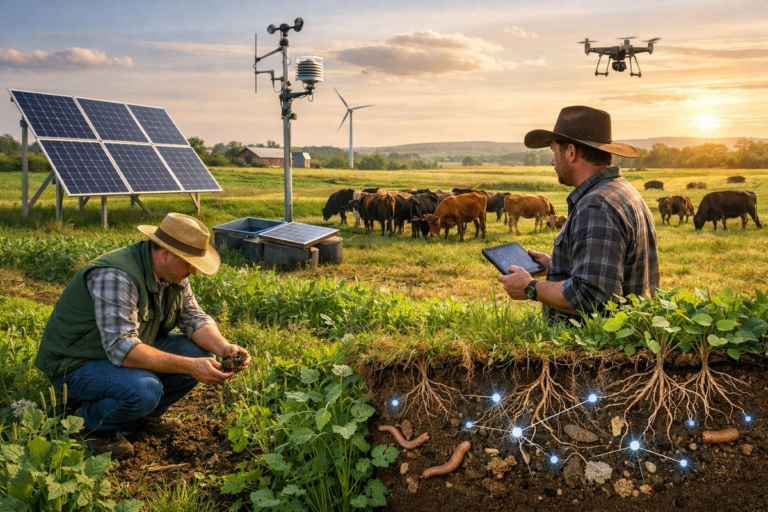
Looking ahead, the integration of artificial intelligence and remote sensing promises to further refine farm management. Predictive analytics could optimize grazing patterns, disease prevention, and resource use, making sustainable farming more precise and adaptive. Furthermore, ongoing innovations in breeding and genetics aim to enhance animal resilience naturally, reducing reliance on chemical inputs.
Ultimately, the convergence of traditional ecological knowledge with modern science and technology is redefining what it means to care for the land and animals. This holistic approach nurtures interconnected systems where soil, plants, animals, and humans thrive together. As more farmers embrace these regenerative and innovative practices, the future of agriculture looks increasingly sustainable, ethical, and resilient.