Location
Mount Vernon, WA 98274

Location
Mount Vernon, WA 98274
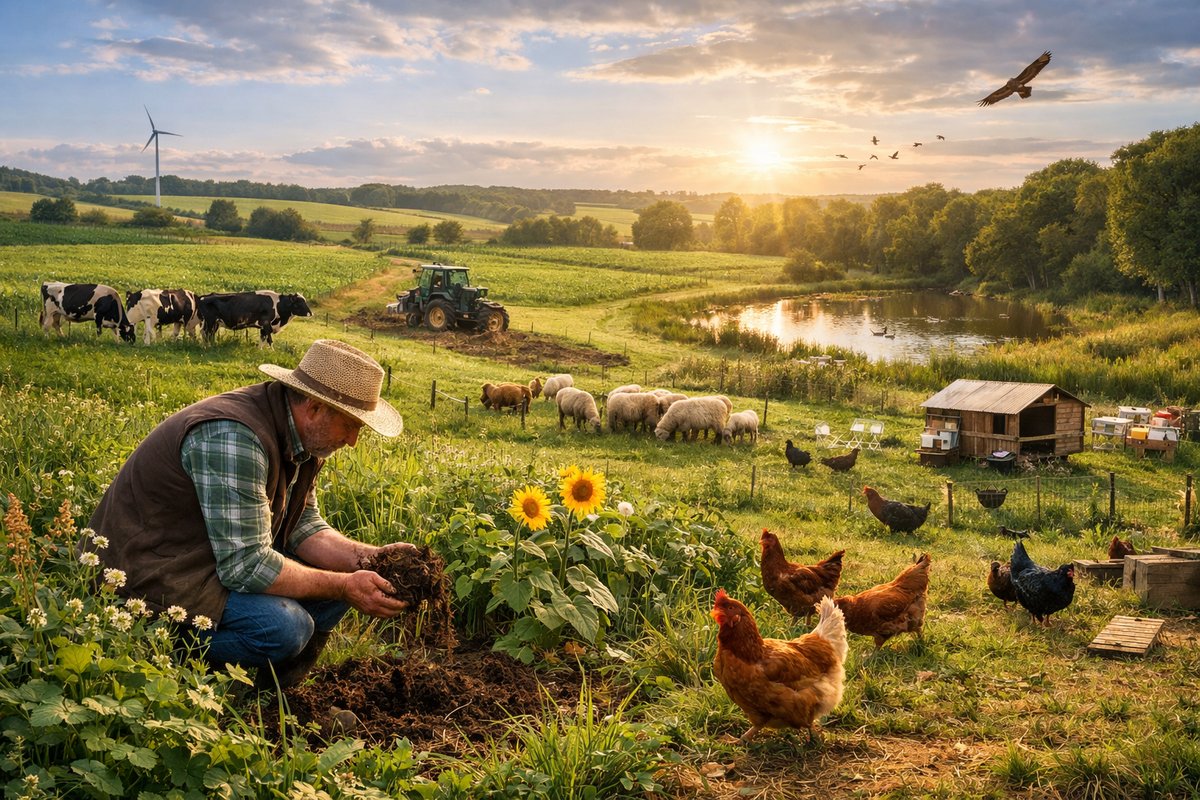
Across rural landscapes, farmers are embracing regenerative practices that prioritize soil health, animal welfare, and ecological balance. This shift toward holistic farm and livestock management not only addresses environmental concerns but also enhances farm resilience and productivity in the face of climate challenges.
In recent years, the agricultural sector has witnessed a transformative movement toward regenerative farming and livestock care, reshaping how food is produced and animals are raised. This approach goes beyond traditional sustainability by actively restoring ecosystems, improving biodiversity, and fostering resilience against climate variability. The integration of innovative techniques and technologies is empowering farmers to nurture their land and livestock in ways that benefit both the environment and their communities.
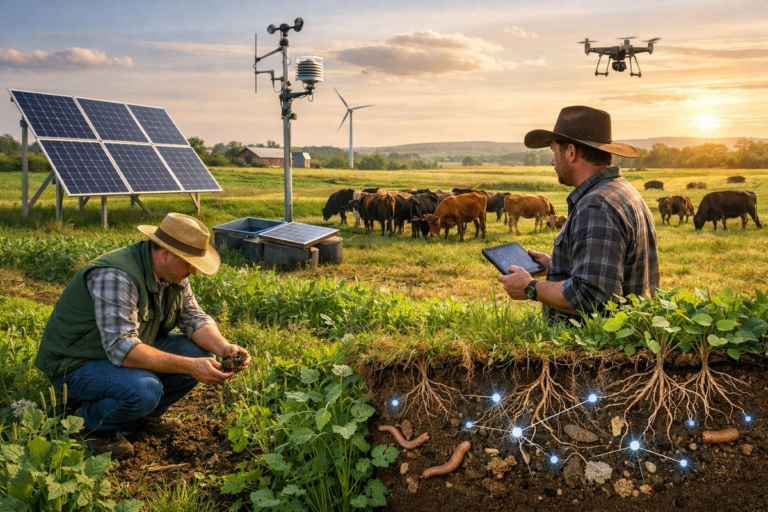
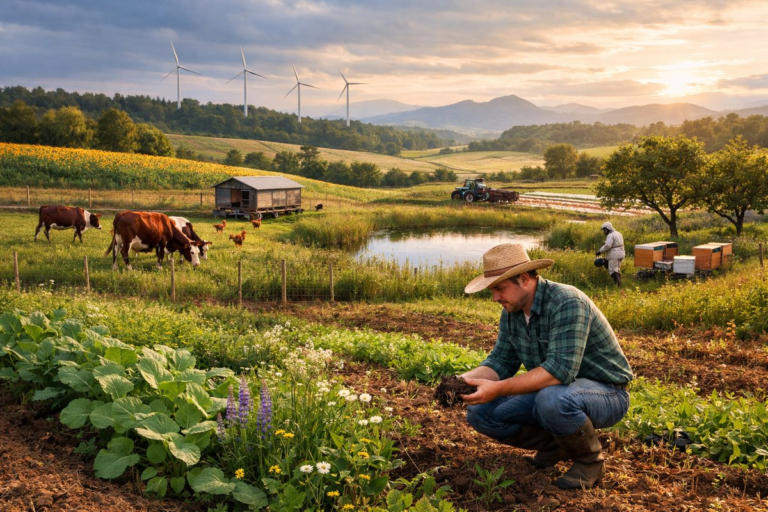
Central to regenerative agriculture is the focus on soil health. Farmers are adopting practices such as cover cropping, reduced tillage, and diverse crop rotations that rebuild organic matter and improve soil structure. These methods enhance the soil’s ability to retain water and nutrients, reducing erosion and dependency on synthetic inputs. Healthier soils contribute to increased carbon sequestration, playing a vital role in mitigating greenhouse gas emissions.
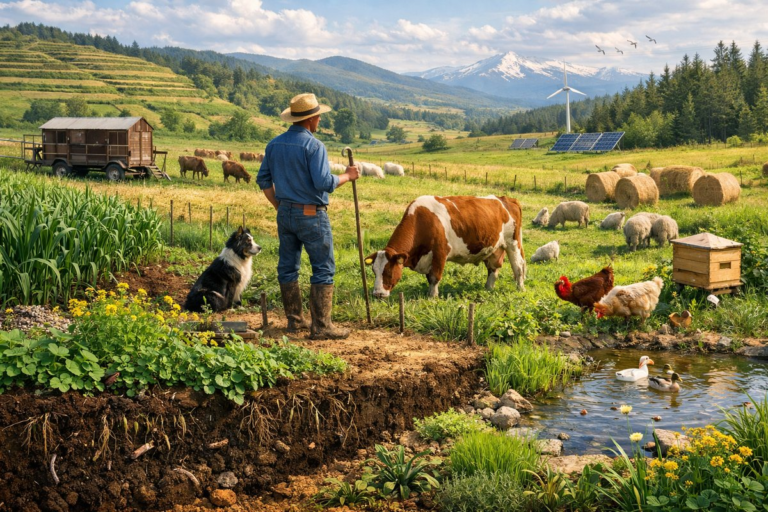
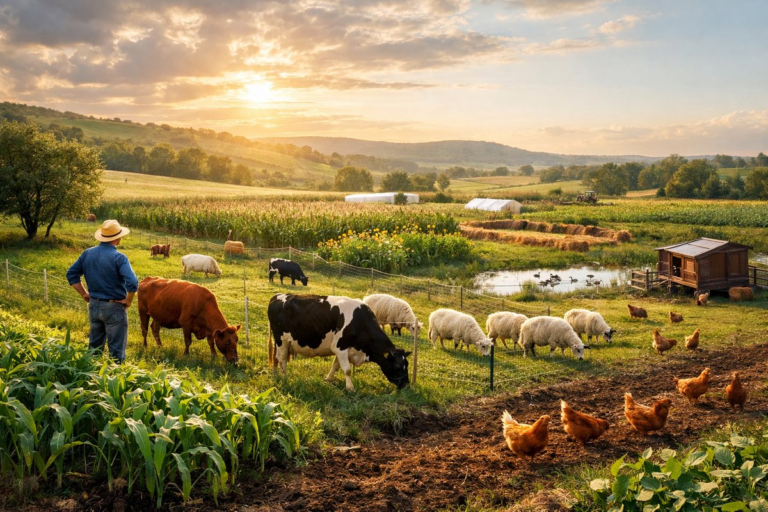
Livestock management is also undergoing a paradigm shift. Instead of confining animals in intensive systems, many farms are implementing rotational grazing and silvopasture-integrating trees and shrubs into pastures. These practices mimic natural ecosystems, allowing animals to graze on diverse forage while promoting soil fertility and biodiversity. Rotational grazing, in particular, helps prevent overgrazing, supports pasture regeneration, and reduces the need for chemical fertilizers.
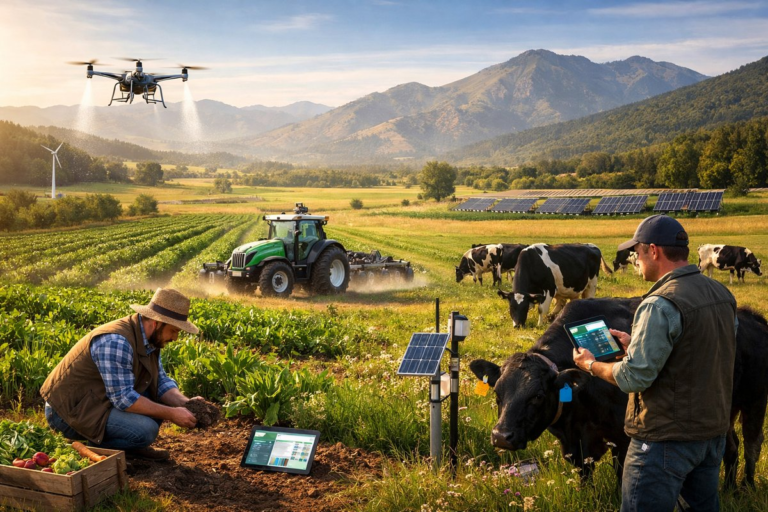
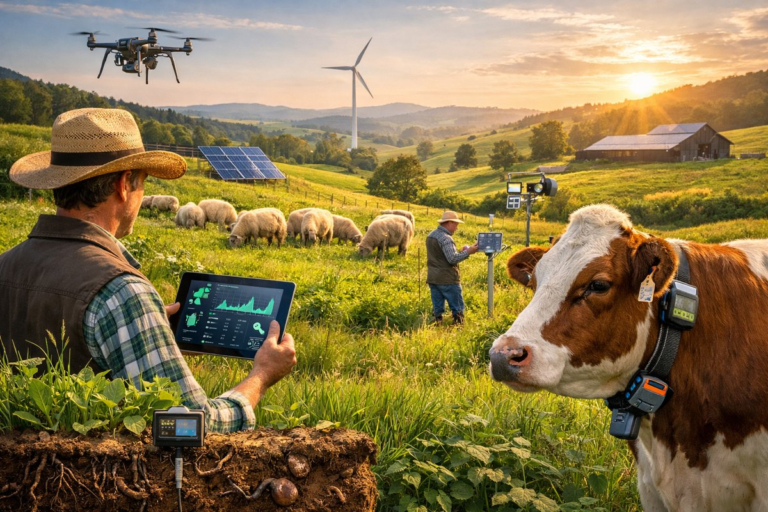
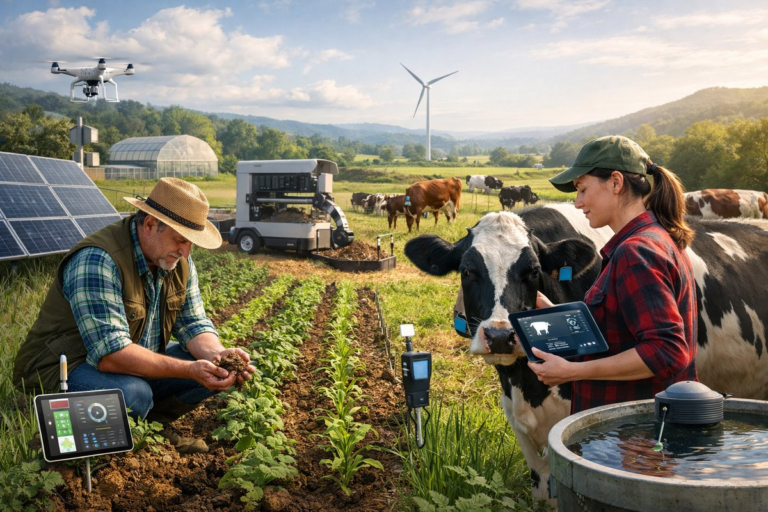
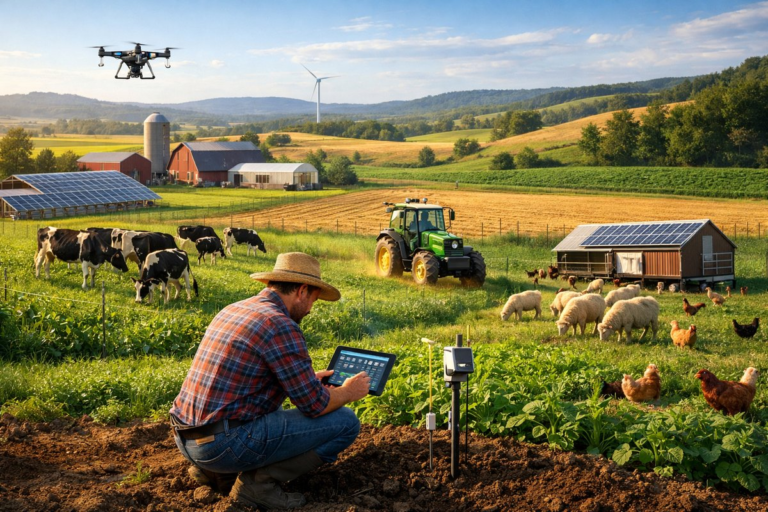
Technology is complementing these ecological strategies. Precision agriculture tools, such as GPS-guided grazing systems and soil sensors, enable farmers to monitor pasture conditions and animal health in real time. This data-driven approach allows for tailored interventions that optimize resource use and animal welfare. Additionally, renewable energy installations like solar panels are becoming more common on farms, reducing reliance on fossil fuels and lowering operational costs.
Community involvement and knowledge sharing are vital components of this movement. Farmer cooperatives and extension services facilitate the exchange of experiences and innovations, fostering a culture of continuous learning. Educational programs and workshops emphasize the importance of holistic management, encouraging new generations to engage with farming practices that honor ecological cycles.
Economic considerations are also evolving. While regenerative practices may require upfront investment and a learning curve, they often lead to long-term savings and new market opportunities. Consumers increasingly seek products that align with ethical and environmental values, supporting farms that demonstrate transparent stewardship. Certification programs for regenerative agriculture and animal welfare help connect producers with conscientious buyers.
Challenges remain, including the need for policy support and infrastructure that accommodate regenerative methods. Access to affordable technology and financial incentives can accelerate adoption. Moreover, addressing social equity in rural areas ensures that small-scale and marginalized farmers benefit from these advancements.
The convergence of ecological insight, technological innovation, and community engagement is crafting a hopeful narrative for farm and livestock care. By embracing regenerative principles, agriculture can become a force for healing landscapes, supporting animal well-being, and sustaining rural livelihoods amid a changing climate. This holistic vision offers a pathway toward food systems that nourish people and the planet alike.