Location
Mount Vernon, WA 98274

Location
Mount Vernon, WA 98274
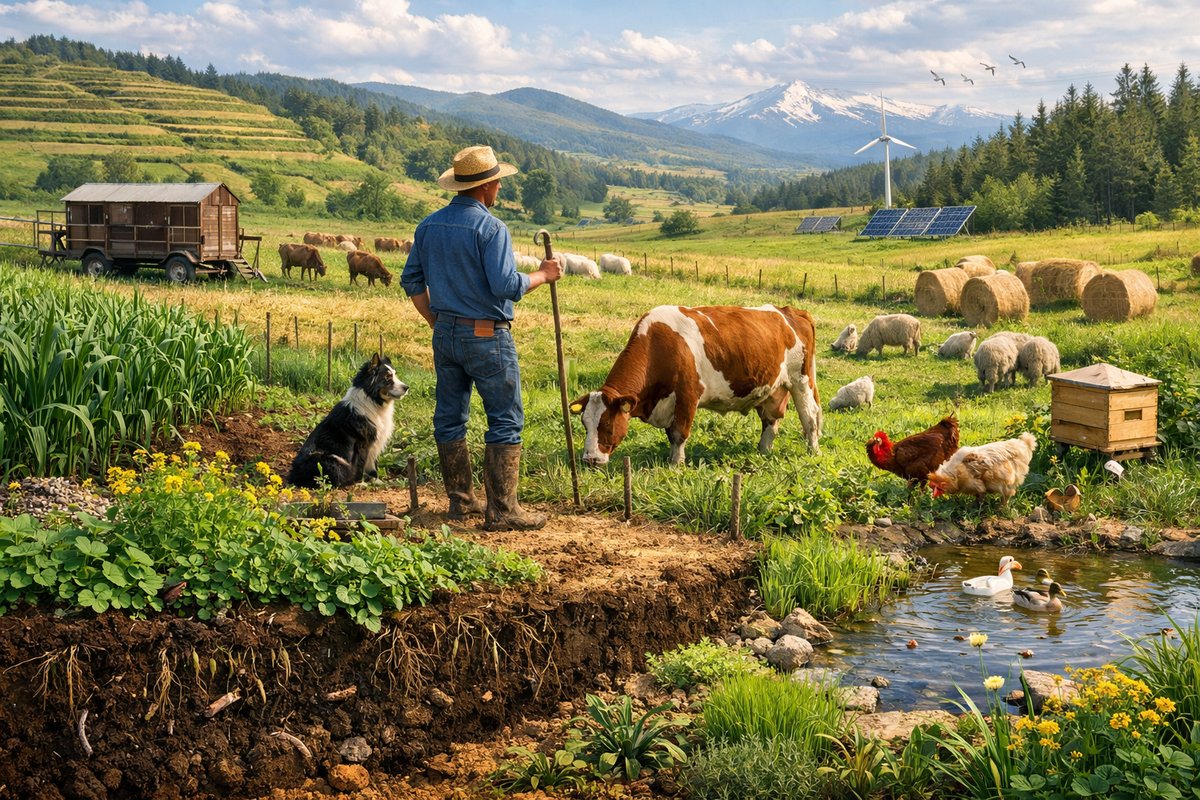
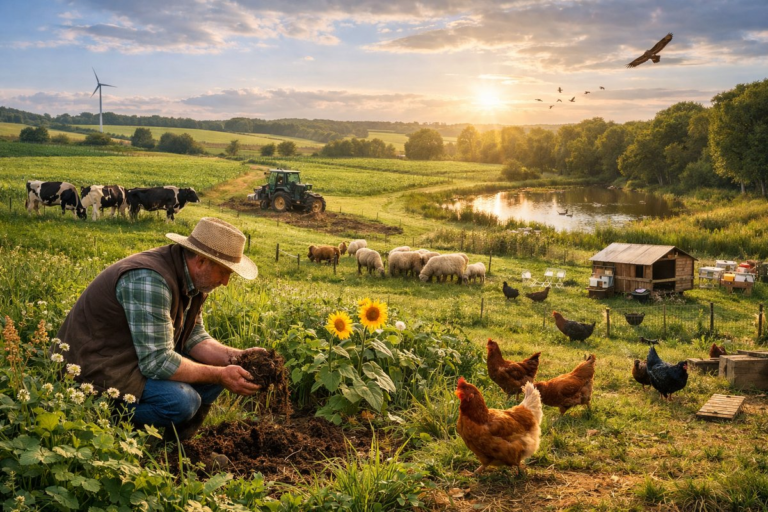
Across diverse rural landscapes, farmers and livestock managers are embracing regenerative practices that restore soil health, enhance animal welfare, and foster community resilience. This evolving approach to agriculture integrates traditional knowledge with innovative techniques, aiming to balance productivity with ecological stewardship.
In recent years, a quiet revolution has been unfolding on farms worldwide, where sustainability is no longer just a buzzword but a guiding principle reshaping how food is grown and animals are raised. Regenerative farming and livestock management practices are gaining traction as viable solutions to the environmental challenges facing agriculture, including soil degradation, biodiversity loss, and climate change impacts. These methods prioritize the health of the land, animals, and people, creating systems that are productive, resilient, and restorative.
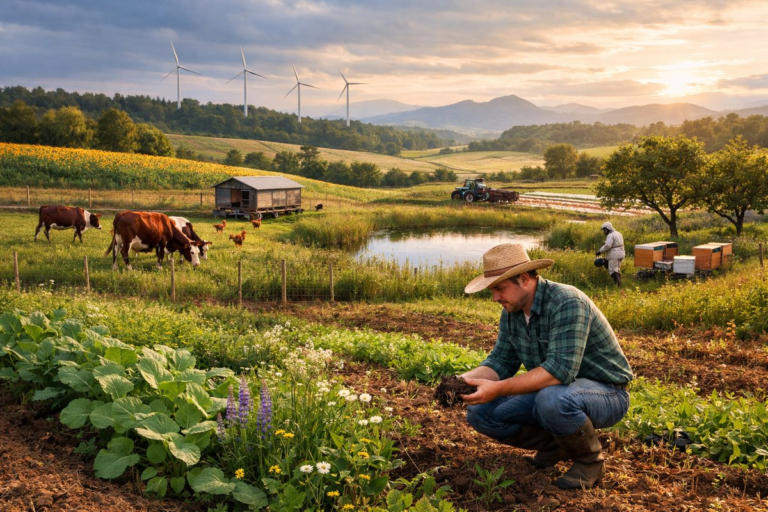
Central to regenerative farming is the concept of soil health. Unlike conventional farming, which often relies heavily on synthetic fertilizers and intensive tillage, regenerative approaches emphasize building organic matter, enhancing microbial diversity, and improving soil structure. Practices such as cover cropping, crop rotation, reduced tillage, and compost application help sequester carbon in the soil, reduce erosion, and increase water retention. These benefits translate into more robust crops and a reduced need for chemical inputs.
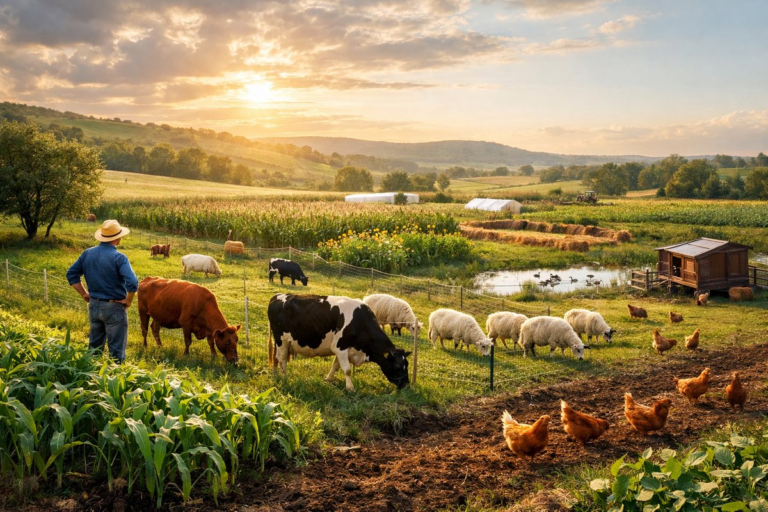
Livestock management within regenerative systems is equally transformative. Instead of confining animals to feedlots or limited pastures, rotational grazing techniques are employed. This involves moving livestock frequently across different pasture sections, allowing grasslands to recover and thrive. Such grazing mimics natural herd movements, promoting plant diversity and stimulating soil microbial activity. Moreover, well-managed grazing can help restore degraded lands and improve nutrient cycling, creating a symbiotic relationship between animals and the environment.
Animal welfare is a cornerstone of these practices. Providing livestock with access to open pastures, clean water, and shelter not only improves their health and productivity but also aligns with ethical considerations increasingly valued by consumers. Many farmers are adopting low-stress handling techniques and monitoring animal behavior closely to ensure well-being. This attention to welfare often results in higher-quality products, from meat and dairy to fiber.
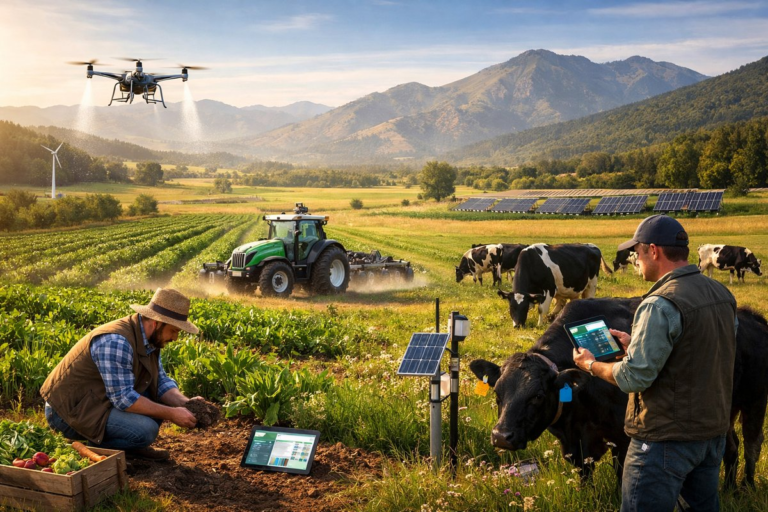
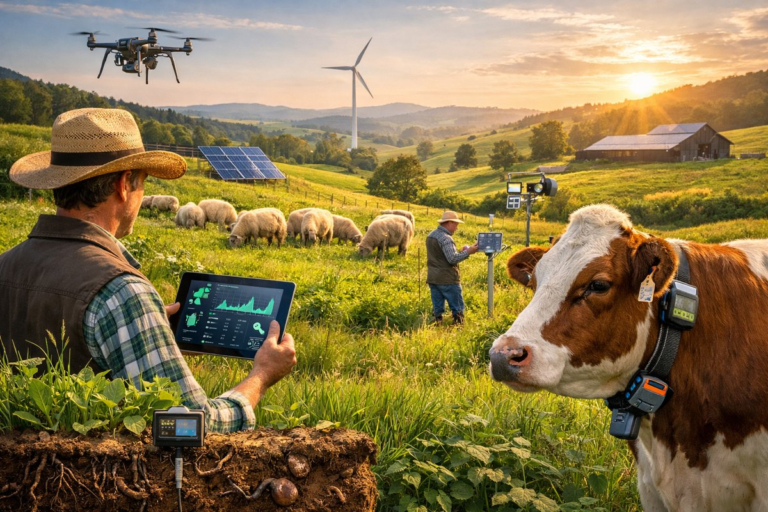
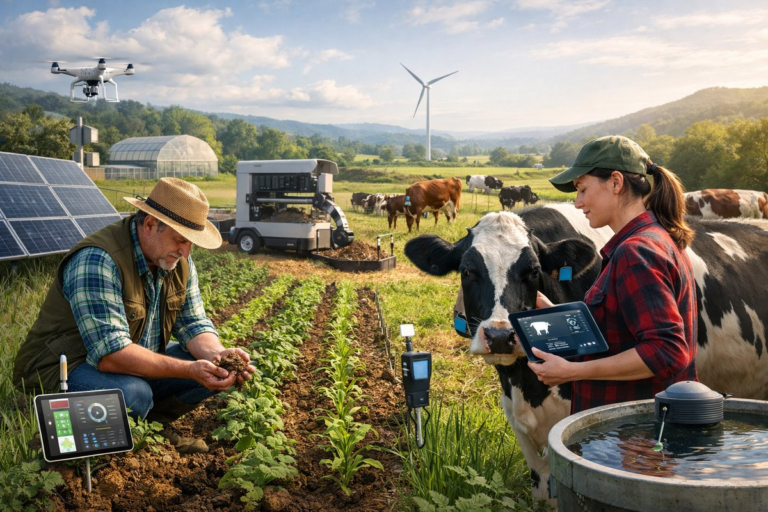
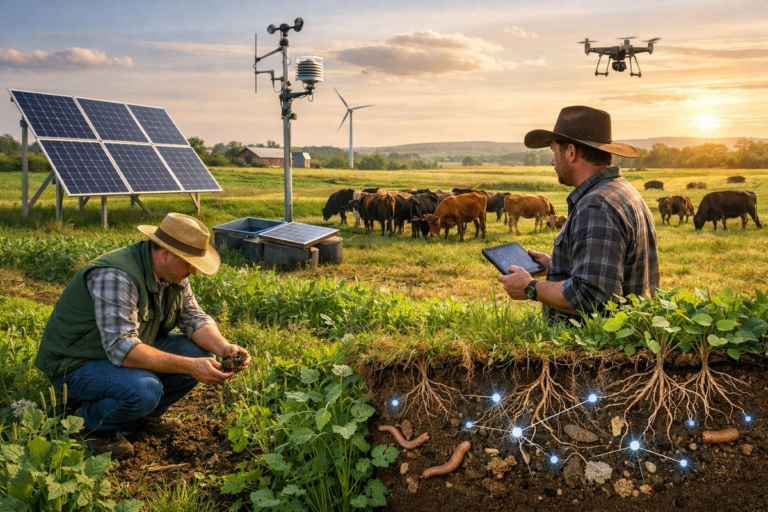
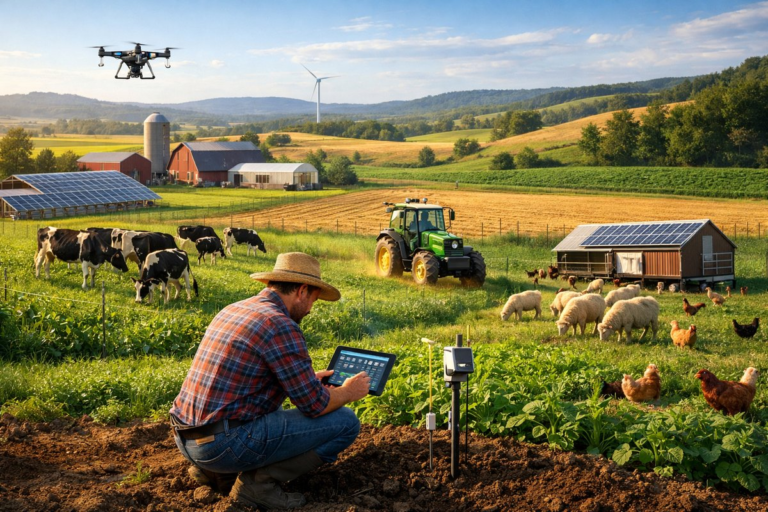
Technology and innovation are playing supportive roles in advancing sustainable farm and livestock care. Precision agriculture tools, such as soil sensors and drones, enable farmers to monitor crop health and soil conditions in real time, optimizing resource use. Mobile applications help track livestock movements and health indicators, facilitating timely interventions. Additionally, renewable energy installations, like solar-powered water pumps, reduce the carbon footprint of farm operations.
Community engagement and knowledge sharing are vital to the success of these sustainable initiatives. Farmer cooperatives, workshops, and online platforms provide spaces for exchanging experiences, troubleshooting challenges, and disseminating research findings. This collaborative spirit fosters resilience, especially for small-scale farmers who may lack access to extensive resources.
Economic viability remains a key consideration. While transitioning to regenerative practices can involve upfront costs and learning curves, many farmers report improved profitability over time due to reduced input expenses, premium product markets, and enhanced ecosystem services. Certification programs and direct-to-consumer sales channels further support farmers committed to sustainability.
Looking ahead, integrating agroforestry, permaculture principles, and biodiversity corridors into farm landscapes promises to deepen the ecological benefits of regenerative agriculture. These approaches can create habitats for pollinators and wildlife, improve microclimates, and diversify income streams. Furthermore, ongoing research into soil microbiomes and animal nutrition continues to refine best practices.
In essence, the movement toward sustainable farm and livestock care represents a holistic reimagining of agriculture-one that honors the interconnectedness of soil, plants, animals, and people. By embracing regenerative methods, rural communities are not only safeguarding their livelihoods but also contributing to a healthier planet for future generations.