Location
Mount Vernon, WA 98274

Location
Mount Vernon, WA 98274
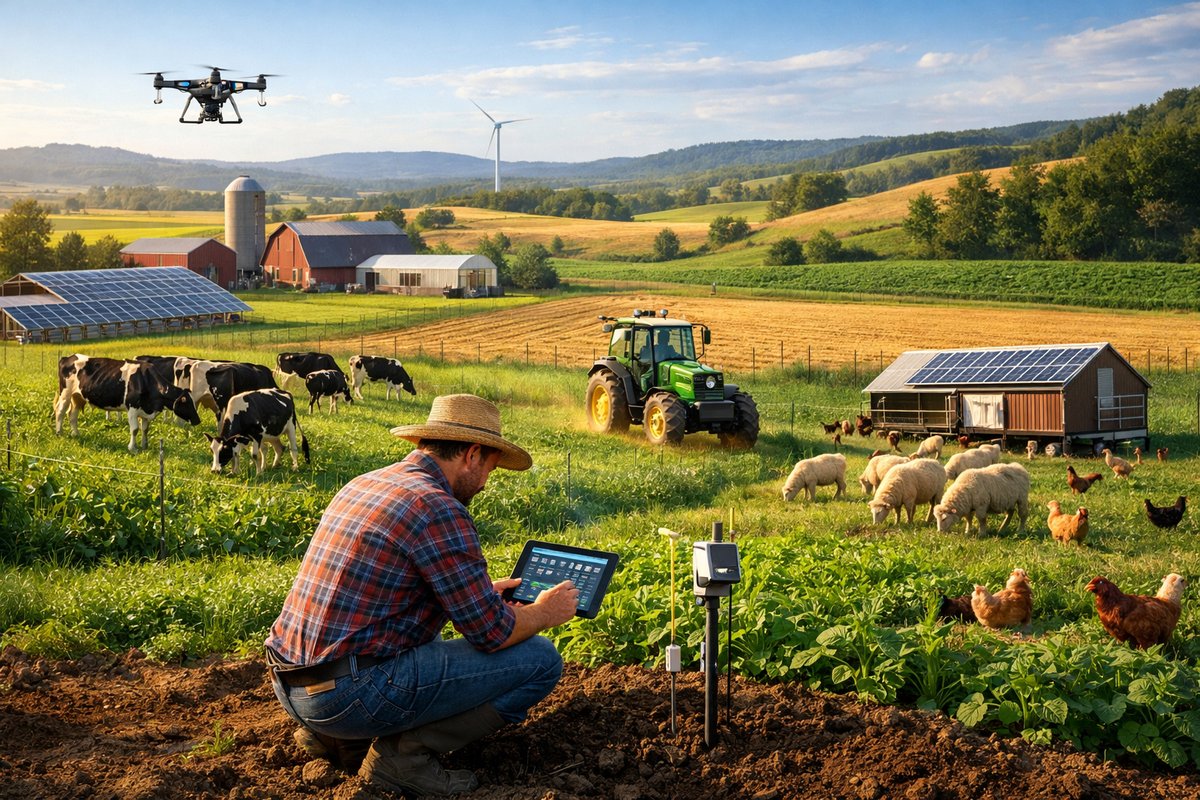
Across diverse rural landscapes, farmers are blending time-tested regenerative practices with cutting-edge technology to foster healthier soils, improve animal welfare, and build resilient food systems. This evolving synergy reflects a growing commitment to sustainability and innovation in farm and livestock management.
In recent years, the agricultural sector has witnessed a dynamic transformation as farmers and ranchers embrace regenerative principles and innovative technologies to enhance sustainability and animal welfare. This shift goes beyond mere productivity gains, aiming to restore ecosystems, reduce environmental footprints, and improve the quality of life for both livestock and farmers.
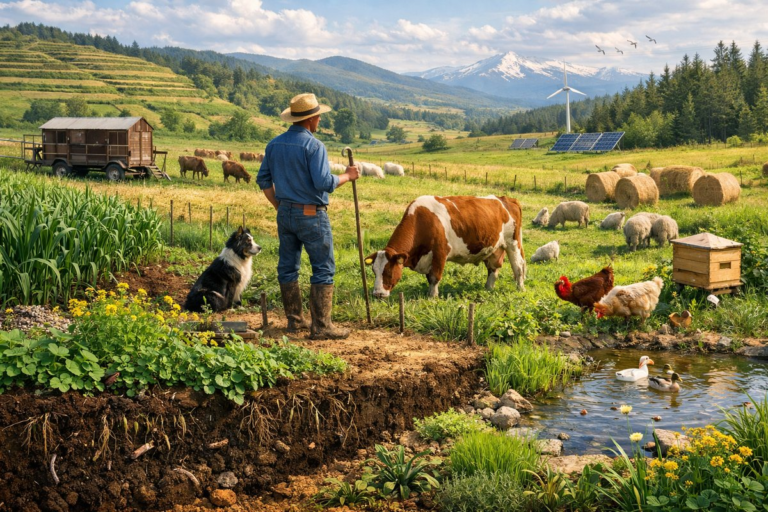
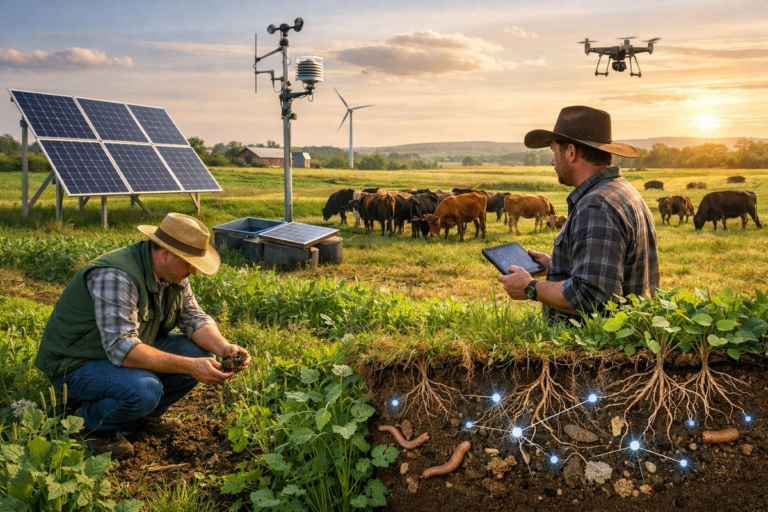
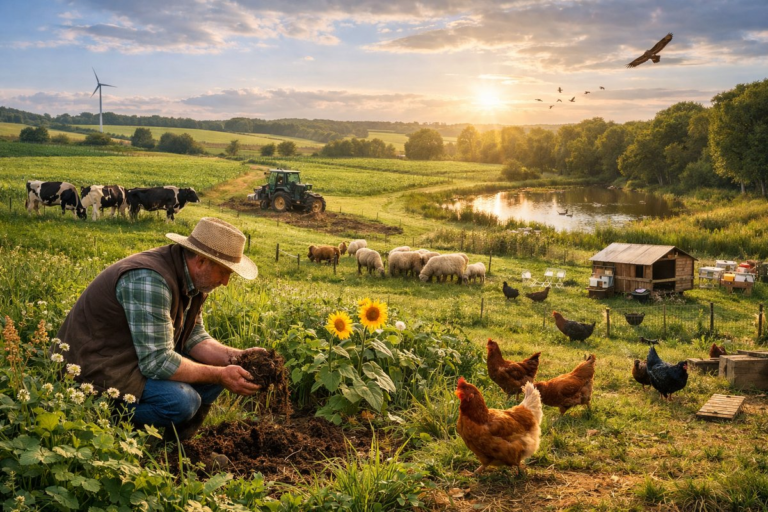
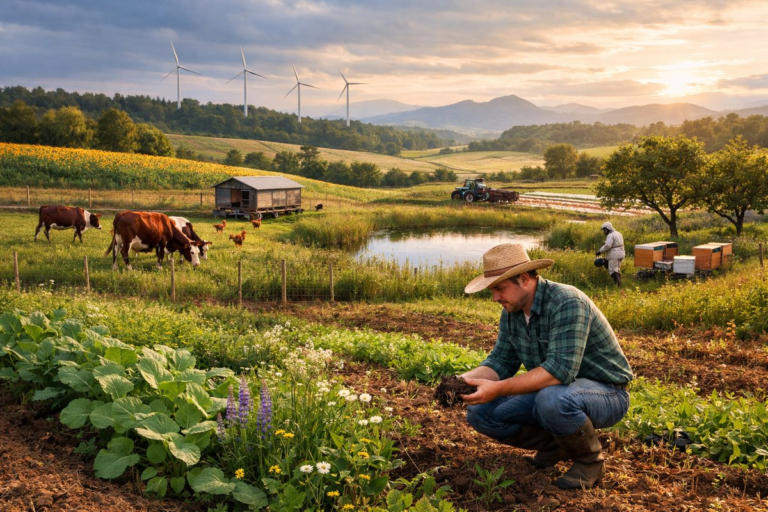
One of the cornerstones of this movement is regenerative agriculture, a holistic approach that prioritizes soil health, biodiversity, and carbon sequestration. Techniques such as cover cropping, rotational grazing, and minimal tillage are increasingly adopted to rebuild organic matter in soils, improve water retention, and foster beneficial microbial communities. These practices not only support crop yields but also create healthier pastures for livestock, which in turn produce higher-quality meat and dairy products.
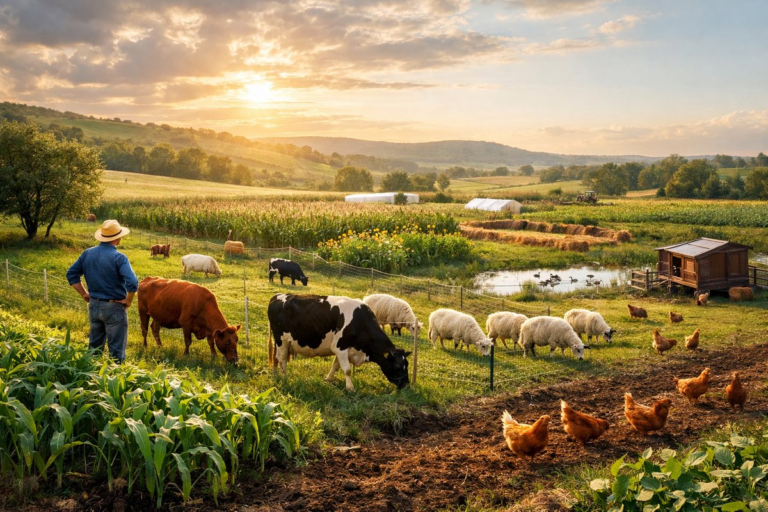
Rotational grazing, in particular, has gained traction as a method to mimic natural herd movements, preventing overgrazing and allowing vegetation to recover. By moving animals strategically across paddocks, farmers can maintain diverse plant species and reduce the need for chemical fertilizers. This practice also contributes to carbon capture in soils, a critical factor in mitigating climate change.
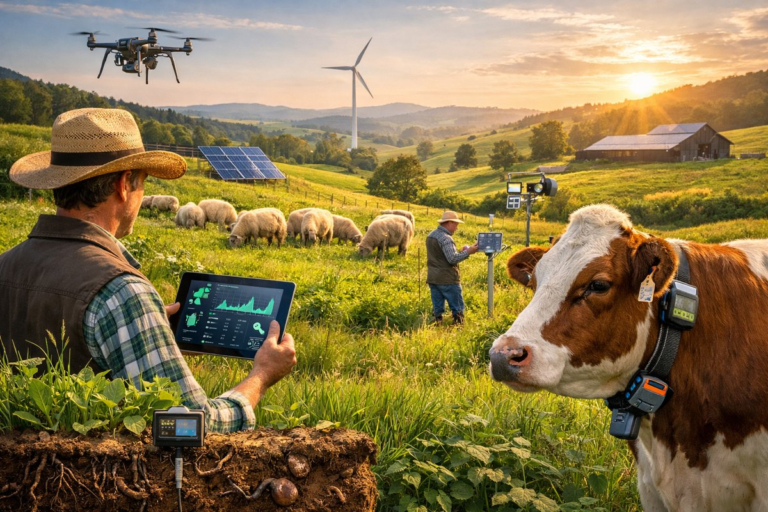
Animal welfare has become a central focus in sustainable livestock care. Farmers are adopting low-stress handling techniques and providing environments that allow animals to express natural behaviors. Innovations such as automated feeders and climate-controlled shelters help optimize nutrition and comfort, reducing disease incidence and improving growth rates. Moreover, integrating technology like wearable sensors enables real-time monitoring of animal health and behavior, allowing for early intervention and tailored care.
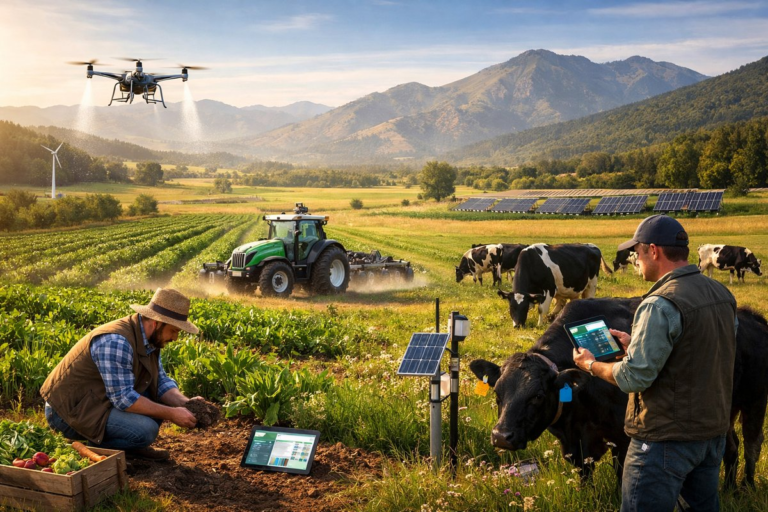
The integration of precision agriculture tools extends beyond crops to livestock management. Drones equipped with thermal imaging cameras assist in monitoring herd health and detecting injuries or illnesses that might go unnoticed during routine checks. GPS tracking collars help manage grazing patterns and prevent livestock from straying into vulnerable ecosystems or neighboring properties.
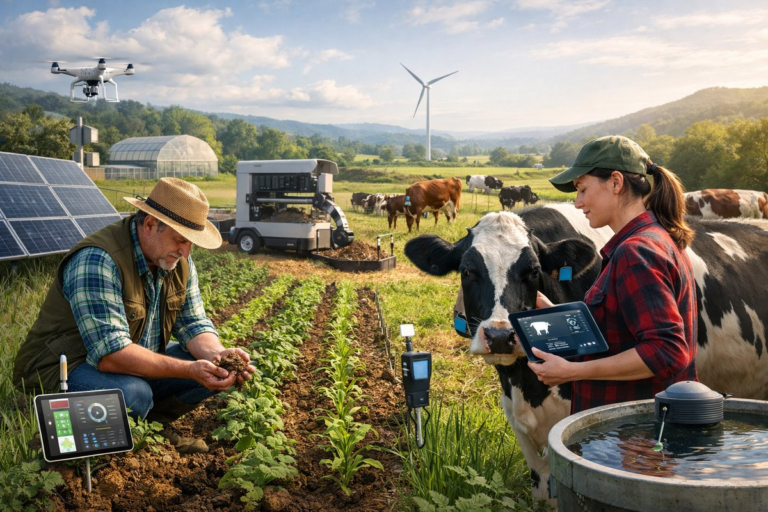
Water management is another critical aspect of sustainable farm and livestock operations. Innovative irrigation systems that recycle water and sensors that monitor soil moisture levels help conserve this vital resource. In livestock care, water quality sensors ensure that animals have access to clean and safe drinking water, which is essential for their health and productivity.
Farmers are also exploring alternative feed options to reduce reliance on conventional grains, which often require intensive inputs. Incorporating locally sourced forage, agroforestry products, and byproducts from other industries can lower feed costs and environmental impact. Some farms are experimenting with insect-based protein supplements, which have a smaller ecological footprint and can enhance animal nutrition.
Community-supported agriculture (CSA) and direct-to-consumer models are reshaping the relationship between producers and consumers. By fostering transparency and trust, these models encourage sustainable practices and allow farmers to receive fair compensation for their efforts. This economic resilience supports ongoing investments in sustainable infrastructure and animal welfare improvements.
Education and knowledge-sharing networks play a vital role in disseminating best practices. Farmers participate in workshops, online forums, and cooperative extension programs to stay abreast of the latest research and technologies. This collaborative spirit accelerates adoption of innovations and helps tailor solutions to local conditions.
The future of farm and livestock care lies in balancing tradition with innovation, respecting natural systems while leveraging technology to optimize outcomes. As climate challenges intensify and consumer expectations evolve, this integrated approach offers a hopeful pathway toward resilient and ethical food production.
By prioritizing soil regeneration, animal welfare, water conservation, and community engagement, modern farms are not only sustaining their operations but contributing positively to the environment and society. This paradigm shift embodies a deeper understanding of agriculture’s role as a steward of the land and a provider of nourishment.
As more farms adopt these regenerative and tech-forward strategies, the agricultural landscape is poised for a more sustainable and compassionate future, where productivity harmonizes with ecological balance and social responsibility.