Location
Mount Vernon, WA 98274

Location
Mount Vernon, WA 98274
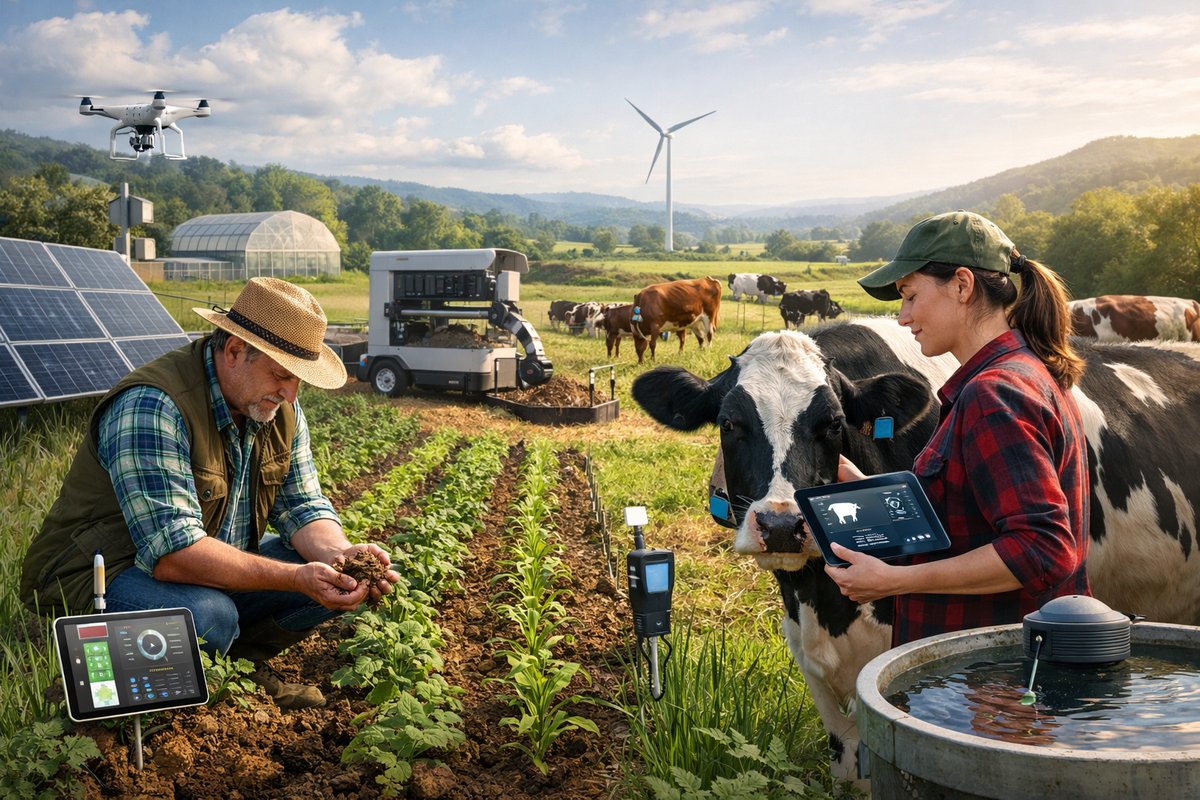
Farmers and ranchers are increasingly adopting regenerative farming techniques and smart animal care technologies to enhance sustainability, animal welfare, and productivity. This shift reflects a growing commitment to ecological balance and innovation in rural communities.
Across diverse agricultural landscapes, a quiet revolution is underway as farmers and livestock managers embrace regenerative practices combined with emerging technologies to transform traditional farming into a more sustainable and resilient enterprise. This evolution is not only about boosting yields or profits but about fostering ecosystems that support soil health, biodiversity, and animal welfare over the long term.
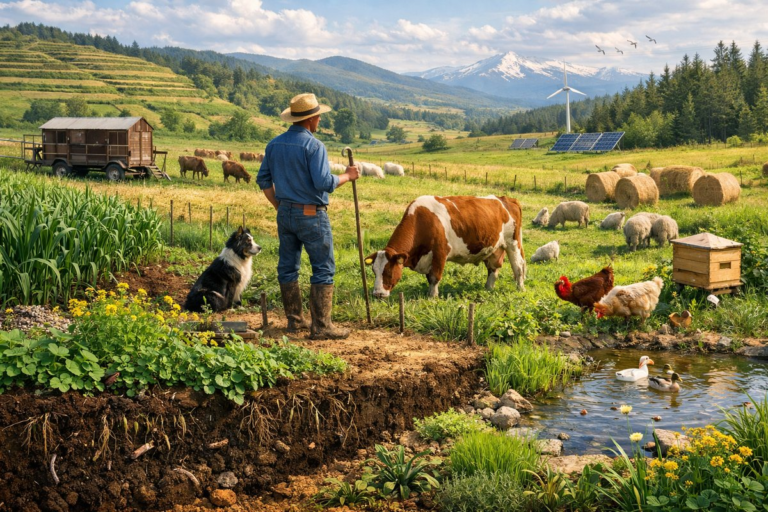
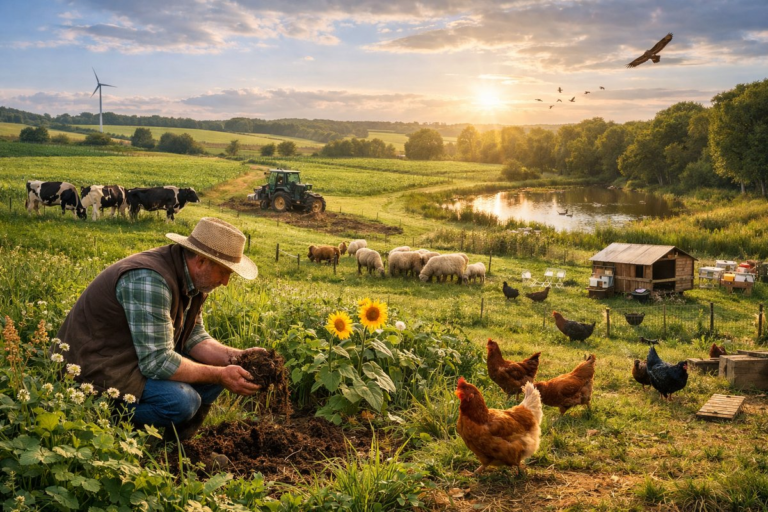
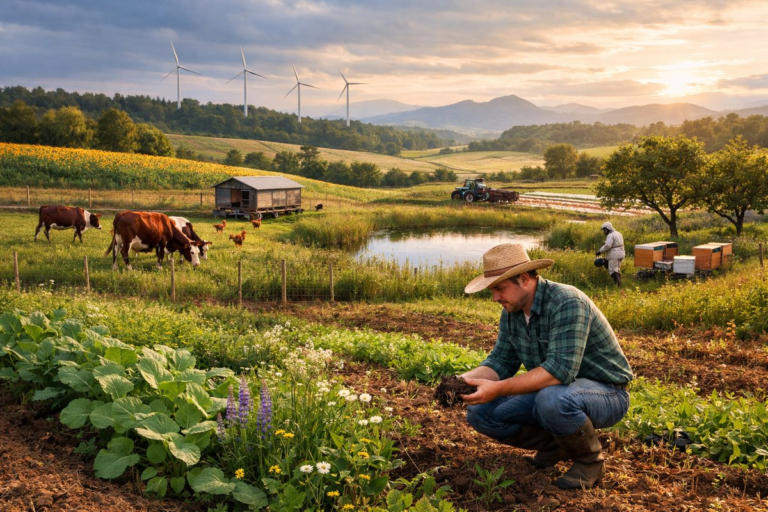
Regenerative farming, which emphasizes soil regeneration, carbon sequestration, and minimal chemical inputs, is gaining traction in many regions. By integrating cover cropping, rotational grazing, and reduced tillage, farmers are restoring degraded soils and improving water retention. These methods help sequester carbon in the earth, mitigating climate change impacts while enhancing the land’s productivity.
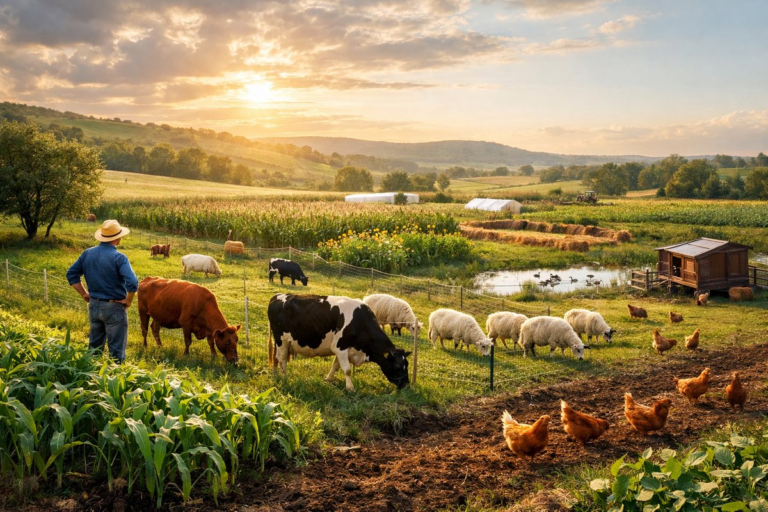
Rotational grazing, in particular, is proving to be a game-changer for livestock management. By moving animals between pastures systematically, farmers mimic natural herd movements, which prevents overgrazing and promotes the growth of diverse forage species. This practice not only improves pasture health but also benefits animal nutrition and welfare, reducing the need for supplemental feed and antibiotics.
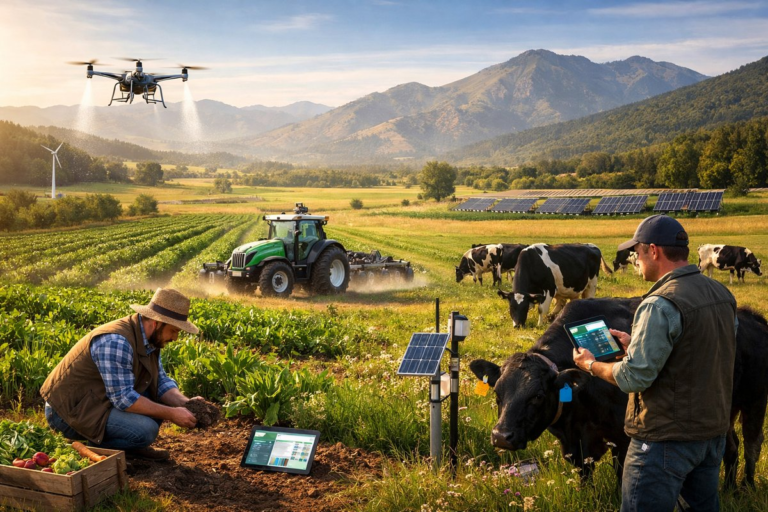
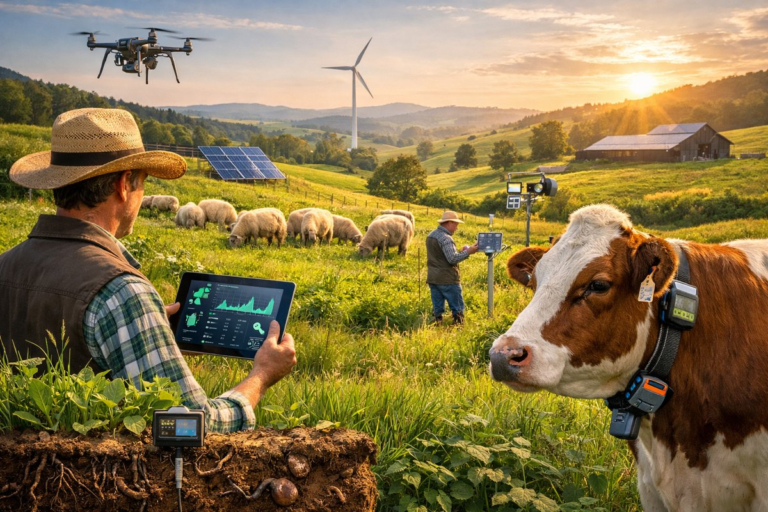
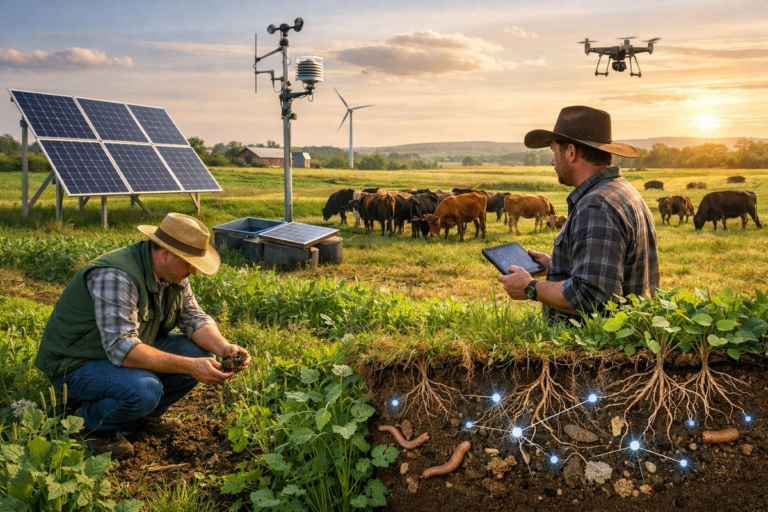
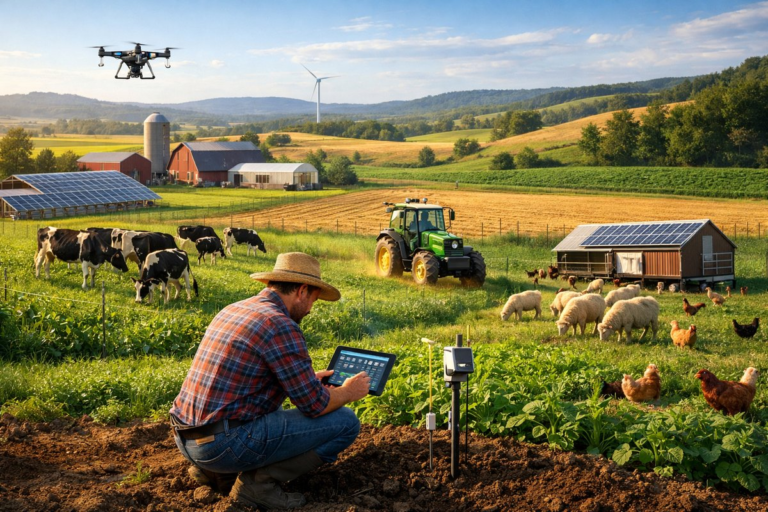
In parallel with these ecological approaches, technology is playing an increasingly vital role in modern farm and livestock care. Precision agriculture tools such as soil sensors, GPS mapping, and drone surveillance allow farmers to monitor soil moisture, nutrient levels, and crop health with unprecedented accuracy. This data-driven approach enables targeted interventions, reducing waste and environmental footprint.
Livestock care is also benefiting from technological advancements. Wearable sensors attached to animals can track vital signs, activity levels, and behavioral changes, alerting farmers to early signs of illness or stress. These real-time insights facilitate prompt care, improving animal welfare and reducing losses.
Moreover, automated feeding systems and climate-controlled shelters are helping maintain optimal living conditions for animals, which enhances growth rates and product quality. For small-scale farmers, mobile apps and cloud-based platforms are democratizing access to expert advice, weather forecasts, and market information, empowering them to make informed decisions.
Community-based initiatives are amplifying these trends by fostering knowledge sharing and collaborative innovation. Farmer cooperatives and extension programs are promoting regenerative practices and technology adoption through workshops, demonstration farms, and peer networks. This collective learning environment is vital for scaling sustainable agriculture and livestock care.
Despite these promising developments, challenges remain. Transitioning to regenerative systems requires upfront investment, technical knowledge, and a willingness to experiment. Additionally, integrating new technologies demands infrastructure and digital literacy that may be limited in rural areas. Policymakers and industry stakeholders are increasingly recognizing these barriers and working to provide financial incentives, training, and broadband access to support farmers.
Looking ahead, the convergence of ecological stewardship and smart technology promises a resilient agricultural future. By valuing soil health, animal welfare, and data-informed management, farms can thrive economically while contributing to environmental sustainability and rural vitality. This holistic approach reflects a deepening respect for the interconnectedness of natural and human systems that sustain food production.
As more farmers adopt regenerative and tech-enabled practices, their stories offer inspiration and practical insights for others seeking to navigate the complex challenges of modern agriculture. The ongoing transformation in farm and livestock care is a testament to human ingenuity and commitment to nurturing the land and animals that feed the world.