Location
Mount Vernon, WA 98274

Location
Mount Vernon, WA 98274
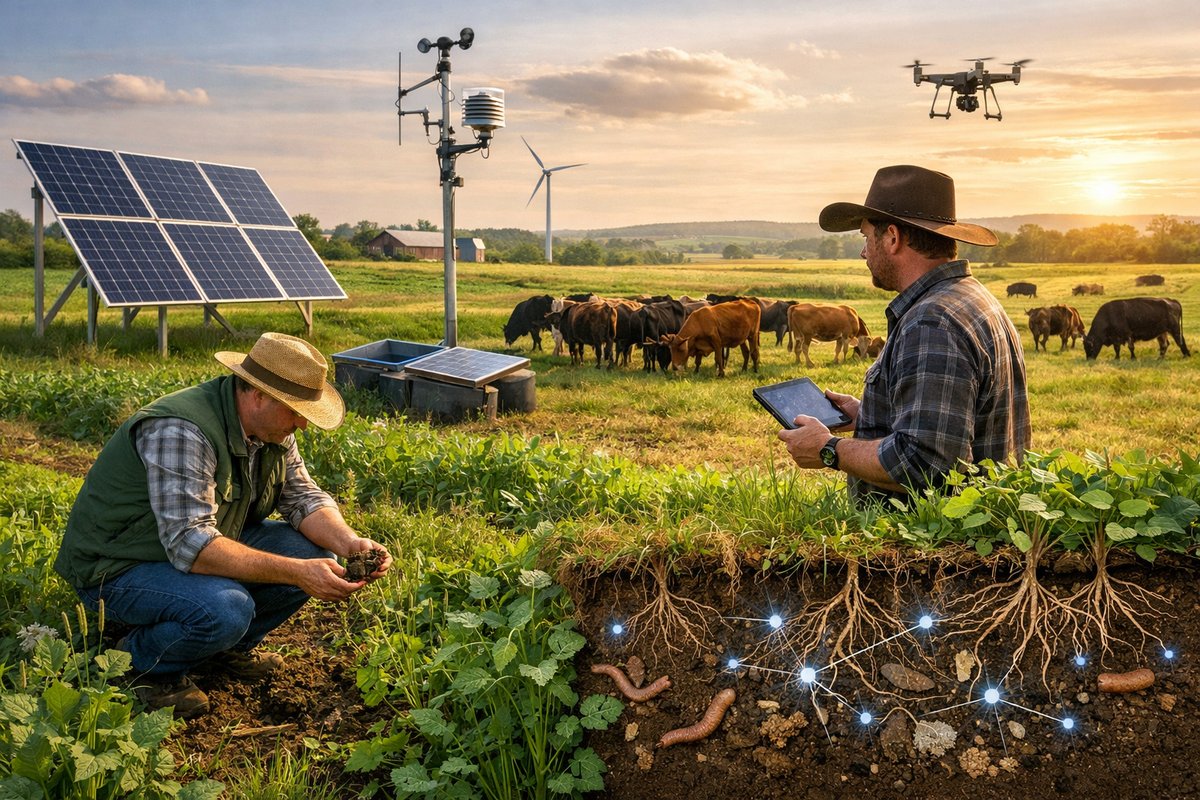
As climate challenges intensify, farmers and ranchers are adopting regenerative methods and integrating innovative technologies to enhance sustainability in livestock management. These evolving practices not only improve animal welfare but also contribute to soil health and carbon sequestration, signaling a hopeful future for rural agriculture.
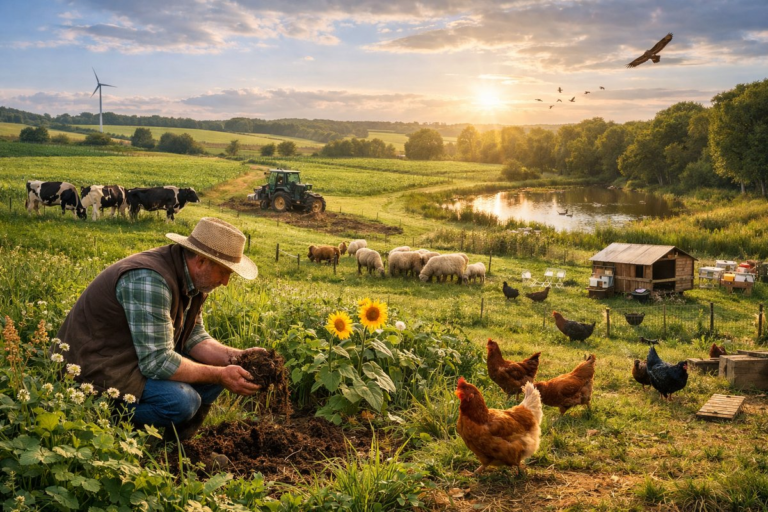
In recent years, the agricultural sector has witnessed a profound shift toward sustainability, driven by mounting environmental pressures and a growing awareness of ecological stewardship. Farm and livestock care, traditionally centered on maximizing yield, is now embracing regenerative principles that prioritize ecosystem health, animal welfare, and long-term resilience.
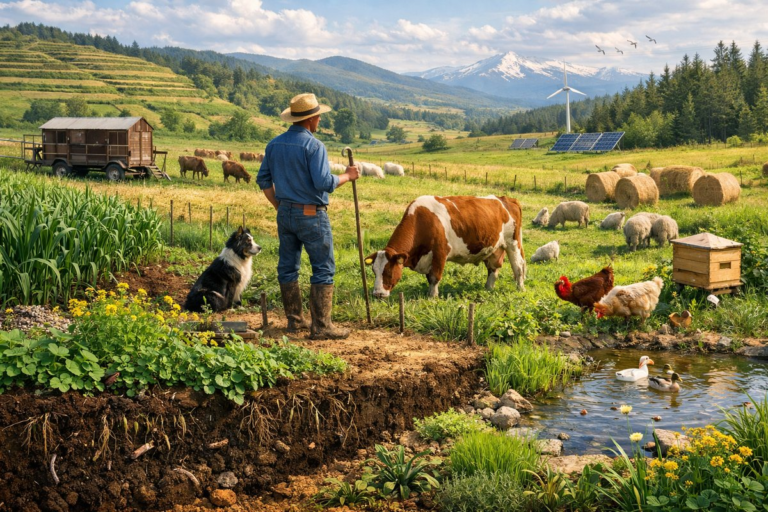
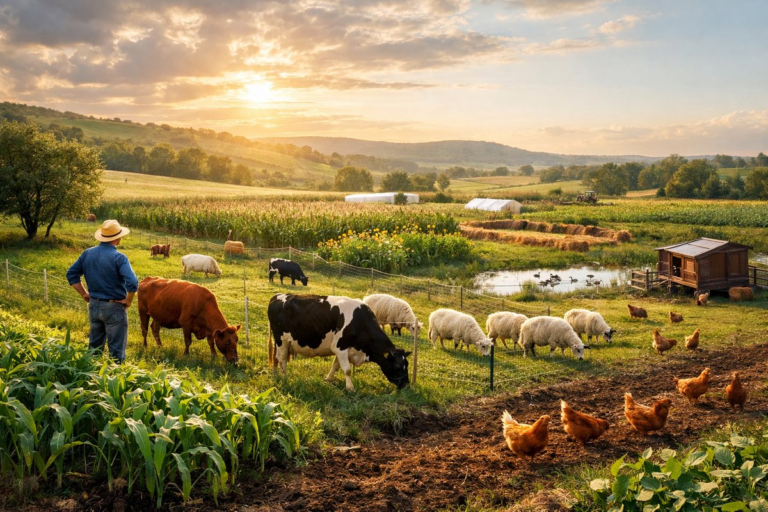
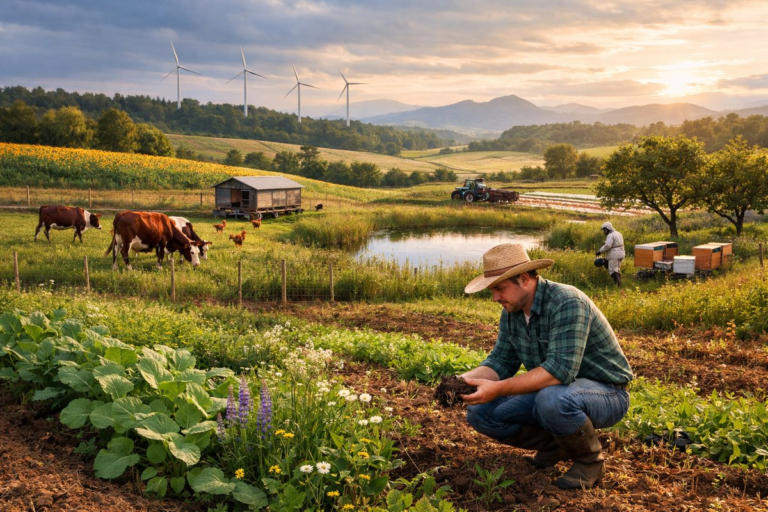
One of the most significant trends reshaping livestock management is the adoption of rotational grazing systems. This practice involves systematically moving herds across pastures to prevent overgrazing, allowing grasslands to recover and flourish. Beyond preserving vegetation, rotational grazing enhances soil structure and promotes biodiversity, creating a more balanced and sustainable farm ecosystem. Studies have shown that well-managed grazing can increase soil organic matter, which in turn improves water retention and carbon sequestration, contributing to climate change mitigation.
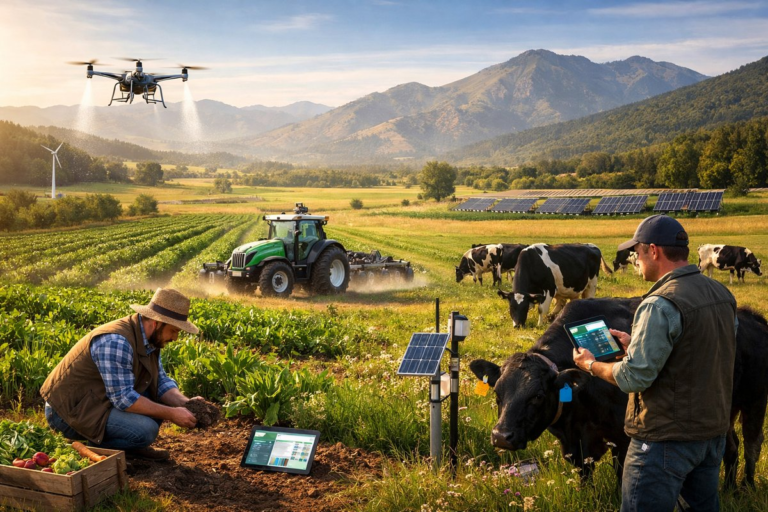
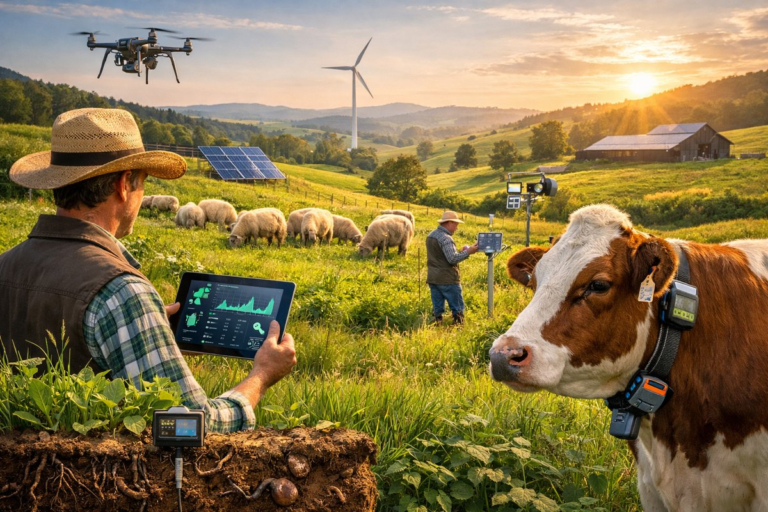
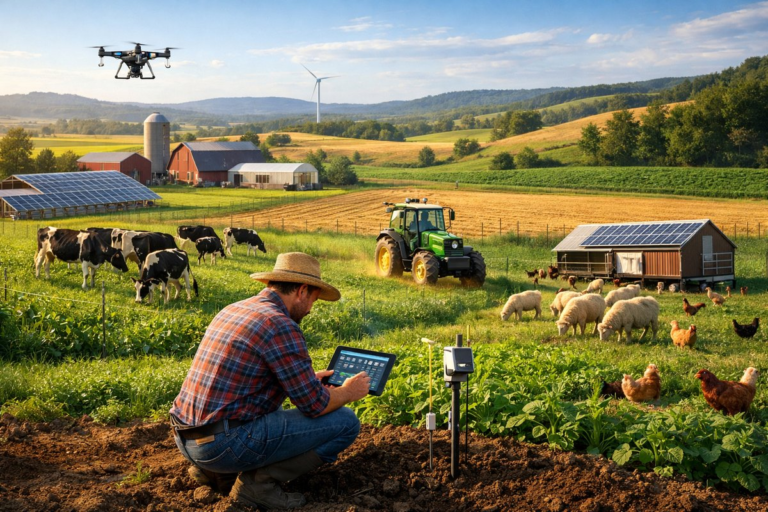
Farmers implementing these methods often combine traditional knowledge with modern technology. For example, GPS tracking collars enable precise monitoring of herd movement and grazing patterns, facilitating data-driven decisions that optimize pasture usage. This digital integration helps farmers balance livestock needs with land conservation goals, ensuring that animals have access to nutritious forage while minimizing environmental impact.
Animal welfare is another cornerstone of sustainable livestock care. Increasingly, farmers are adopting low-stress handling techniques that reduce anxiety and injury in animals. These methods emphasize gentle herding, quiet environments, and adequate space, reflecting a deeper understanding of animal behavior and psychology. Such practices not only improve the quality of life for livestock but also enhance productivity, as less stressed animals tend to have stronger immune systems and better growth rates.
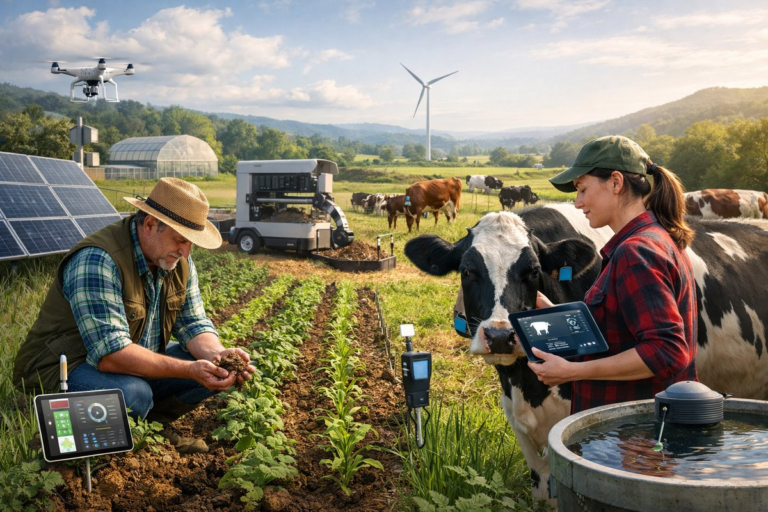
Technological innovations are also playing a pivotal role in monitoring animal health and welfare. Wearable sensors and smart feeders collect real-time data on vital signs, feeding habits, and activity levels. This continuous stream of information allows for early detection of illness or distress, enabling timely interventions that reduce the need for antibiotics and other treatments. By leveraging these tools, farmers can maintain healthier herds and reduce the environmental footprint associated with veterinary care.
Water management is a critical aspect of sustainable farming, especially in regions facing drought or water scarcity. Innovative irrigation systems equipped with soil moisture sensors ensure that pastures receive adequate hydration without wasteful overwatering. Additionally, the integration of rainwater harvesting and constructed wetlands on farms helps recycle water and improve overall farm resilience.
Beyond individual farm practices, collaboration and knowledge sharing among farmers have accelerated the spread of sustainable livestock innovations. Cooperative networks and digital platforms enable producers to exchange insights on successful techniques, challenges, and emerging technologies. This communal approach fosters a culture of continuous learning and adaptation, essential for navigating the uncertainties of climate change and market fluctuations.
Moreover, there is a growing consumer demand for ethically raised and environmentally responsible animal products. This shift in market preferences incentivizes farmers to adopt transparent and sustainable practices, often certified through third-party labeling programs. By aligning production with consumer values, farms can secure premium prices and build stronger community relationships.
On the policy front, governments and agricultural organizations are increasingly supporting regenerative agriculture through grants, technical assistance, and research initiatives. These programs aim to lower barriers for farmers transitioning to sustainable systems and to validate the environmental benefits of innovative livestock care methods. Such institutional backing is crucial for scaling regenerative practices and ensuring their long-term viability.
In summary, the convergence of regenerative farming principles, technological advancements, and community collaboration is transforming farm and livestock care into a more sustainable and humane endeavor. As these approaches continue to evolve, they offer promising pathways to enhance rural livelihoods, protect natural resources, and contribute to global climate solutions.