Location
Mount Vernon, WA 98274

Location
Mount Vernon, WA 98274
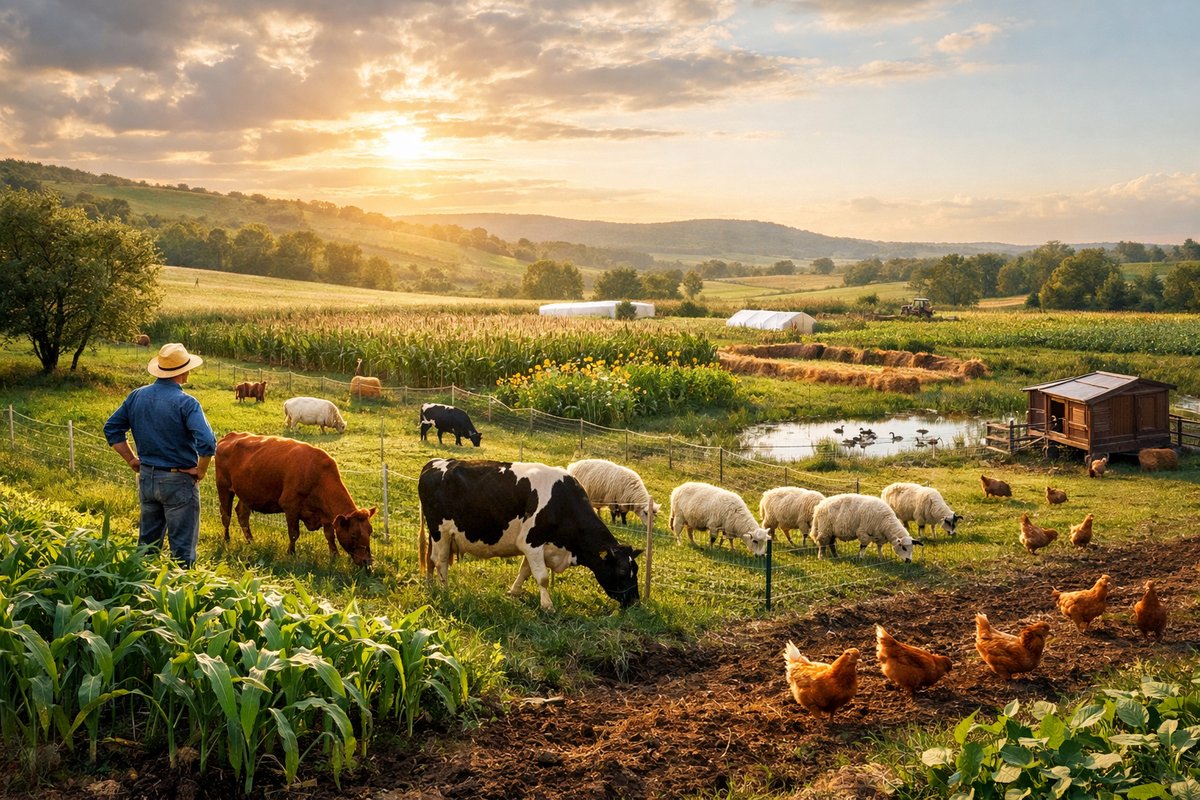
As climate challenges intensify, regenerative livestock farming emerges as a promising approach to enhance soil health, animal welfare, and farm resilience. This article explores how innovative grazing techniques, integrated crop-livestock systems, and ethical animal care practices are reshaping rural landscapes and supporting sustainable food systems.
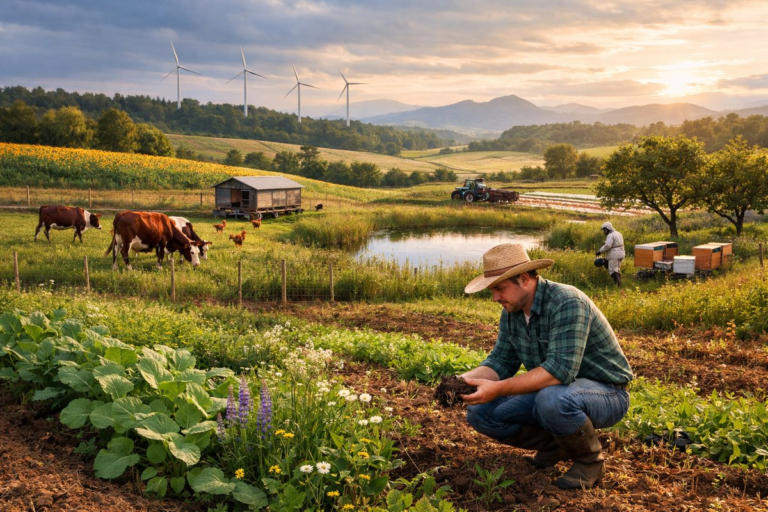
The agricultural sector faces unprecedented pressures from climate change, resource depletion, and shifting consumer expectations. Within this context, regenerative livestock farming has gained traction as a holistic approach that prioritizes ecological balance, animal welfare, and long-term productivity. Unlike conventional methods that often emphasize maximum output with heavy inputs, regenerative practices seek to restore soil vitality, foster biodiversity, and create resilient farm ecosystems.
Central to regenerative livestock farming is the concept of planned rotational grazing. This practice involves systematically moving animals across pastures to prevent overgrazing, promote plant recovery, and enhance soil carbon sequestration. By mimicking natural herd movements, rotational grazing encourages deeper root growth and improves water infiltration, which in turn bolsters drought resilience. Studies have shown that well-managed grazing can increase soil organic matter, reduce erosion, and support beneficial soil microorganisms critical for nutrient cycling.
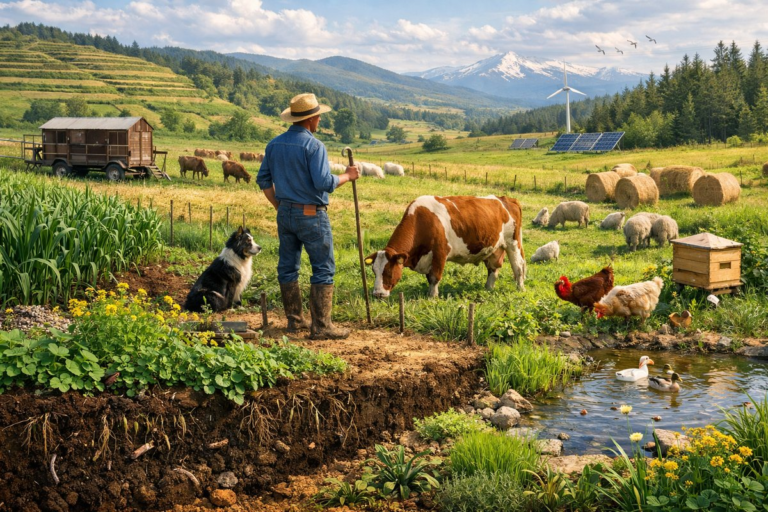
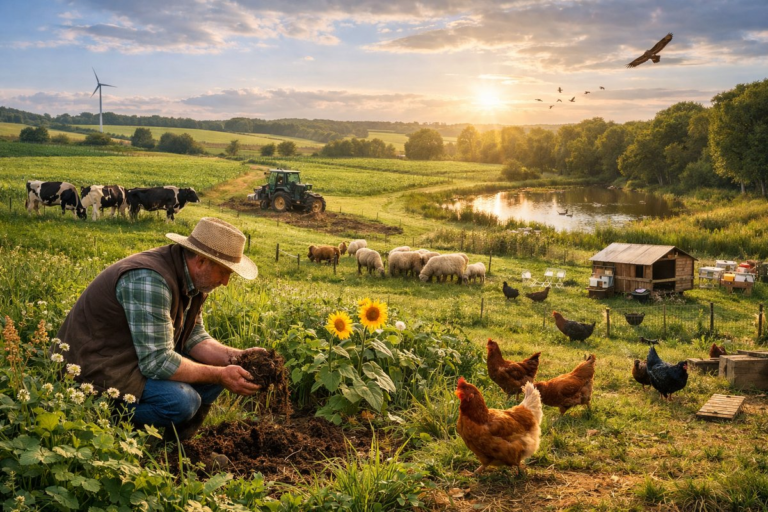
In addition to grazing management, integrating livestock with crop production is another pillar of regenerative systems. Mixed farming operations utilize animal manure as a natural fertilizer, reducing reliance on synthetic chemicals and closing nutrient loops. Crop residues can serve as supplemental feed, while livestock help control pests and weeds, minimizing the need for herbicides and pesticides. This synergy not only boosts farm biodiversity but also diversifies income streams, enhancing economic stability for rural communities.
Animal welfare is a foundational value in regenerative livestock care. Ethical treatment encompasses providing adequate space, access to pasture, clean water, and minimizing stress through low-impact handling techniques. Farms adopting these principles often report healthier animals with stronger immune systems, which can reduce dependency on antibiotics and other pharmaceuticals. Transparent communication about animal care practices also builds consumer trust and aligns with growing demand for ethically produced food.
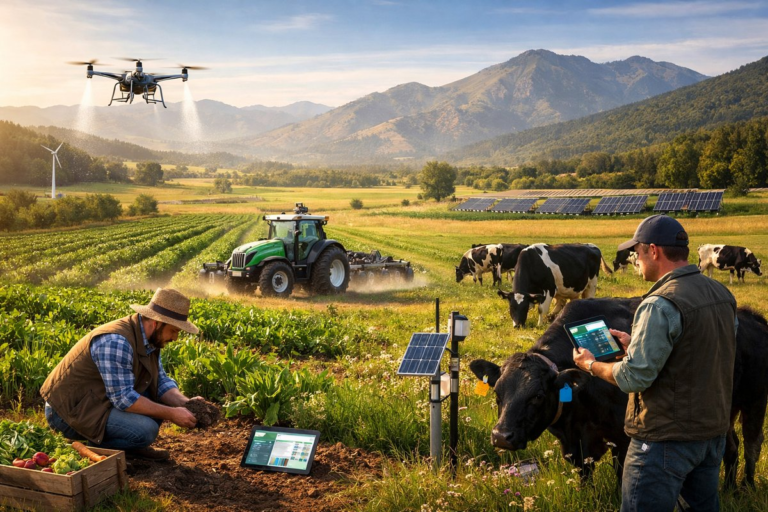
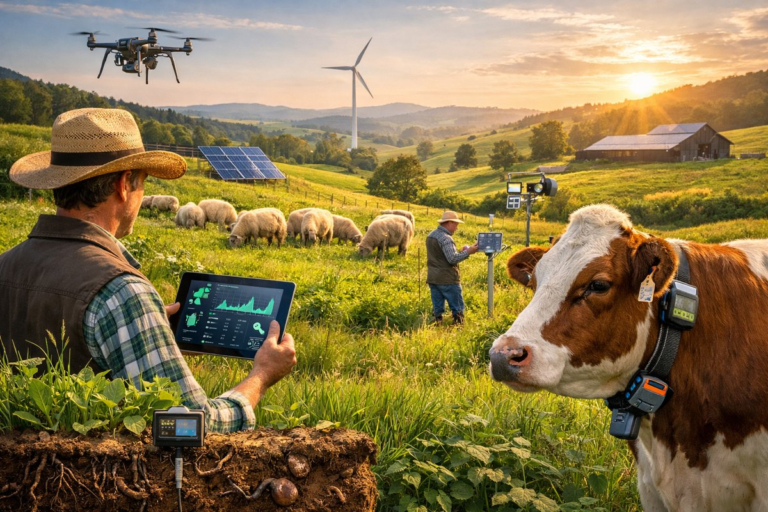
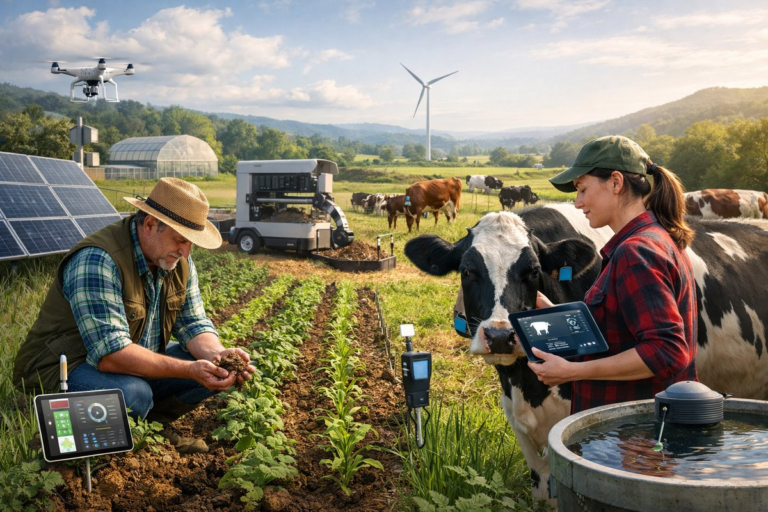
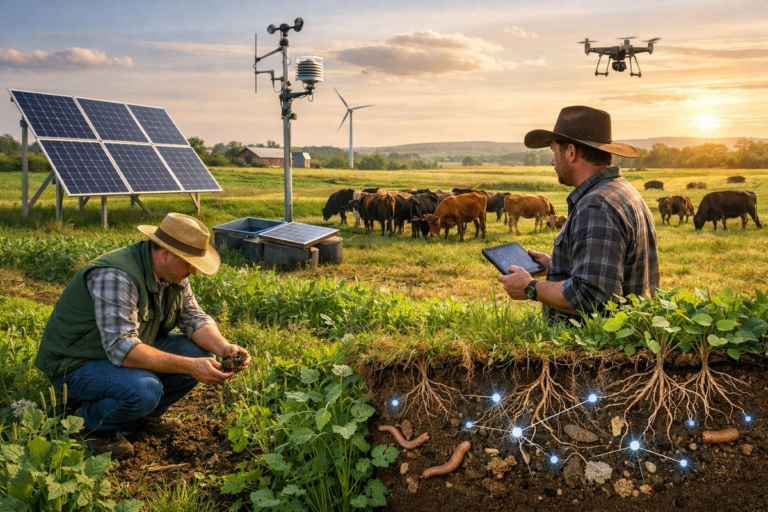
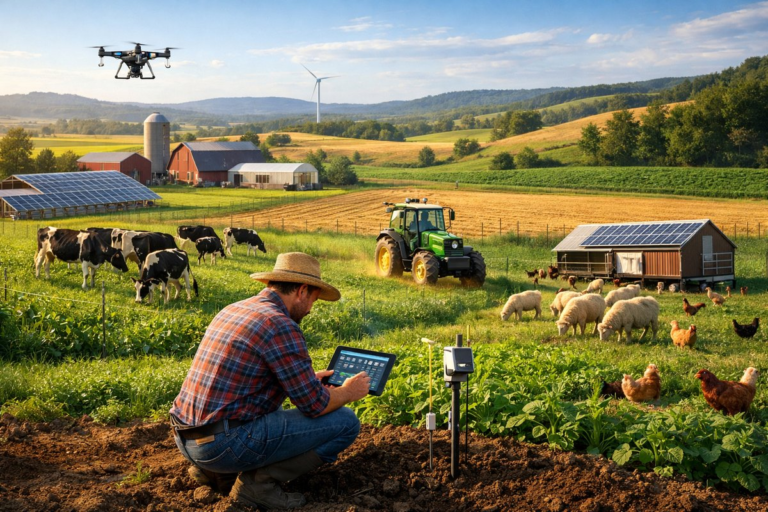
Technological innovations support these regenerative efforts by enabling precise monitoring of animal health and pasture conditions. Remote sensors and drones can track grazing patterns, soil moisture, and forage availability, allowing farmers to make data-driven decisions that optimize resource use and animal well-being. Additionally, advances in breeding for traits such as disease resistance and feed efficiency complement management practices to improve overall sustainability.
Community engagement and knowledge sharing are vital to scaling regenerative livestock farming. Farmer cooperatives, extension services, and online platforms facilitate the exchange of experiences and best practices. Educational programs emphasize the interconnectedness of soil health, animal care, and ecosystem services, fostering a systems-thinking mindset among new and experienced producers alike.
Despite its promise, regenerative livestock farming faces challenges including market access, certification complexities, and the need for upfront investment in infrastructure and training. Policymakers and industry stakeholders play critical roles in creating supportive frameworks through incentives, research funding, and transparent labeling standards.
Looking ahead, regenerative livestock farming represents more than a production method; it embodies a shift toward stewardship and resilience in agriculture. By harmonizing animal needs with environmental health, this approach offers a pathway to sustainable food systems that nourish people and the planet alike. As farmers innovate and adapt, the potential for regenerative practices to transform rural landscapes and contribute to climate solutions continues to grow.