Location
Mount Vernon, WA 98274

Location
Mount Vernon, WA 98274
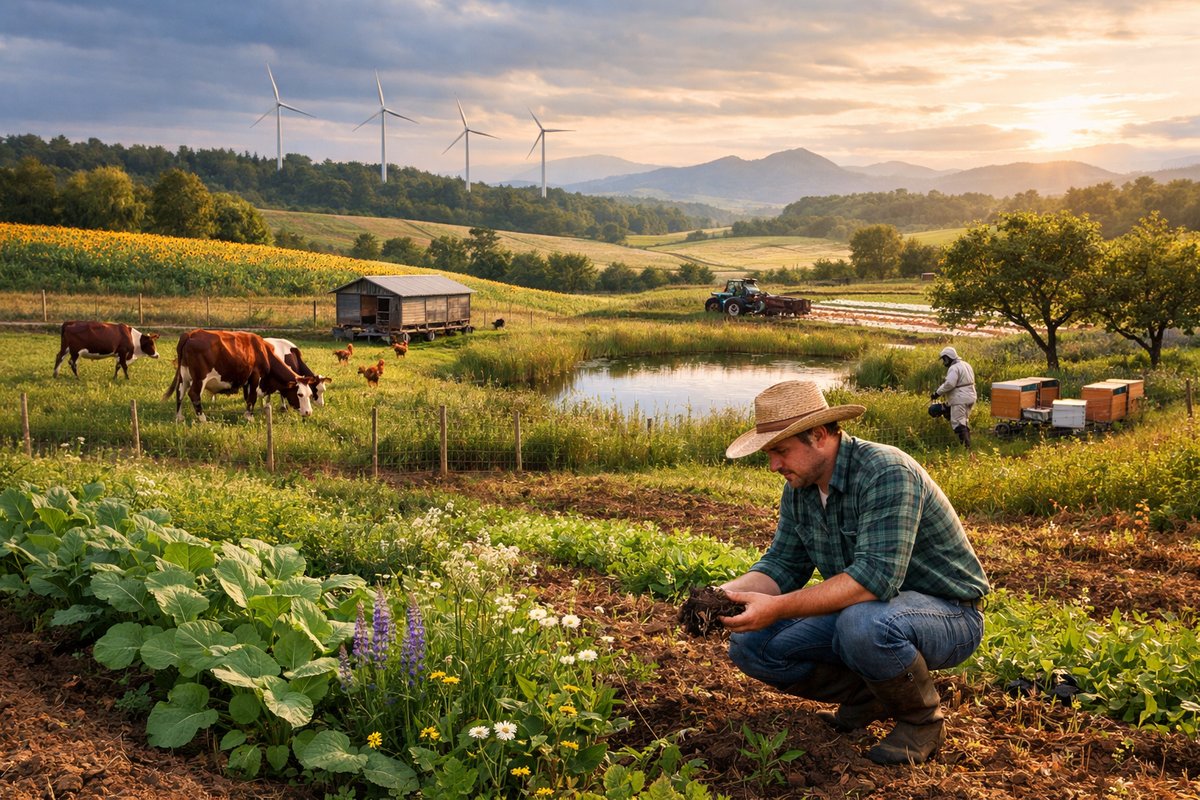
Across diverse rural landscapes, farmers are embracing regenerative practices that prioritize soil health, animal welfare, and ecological balance. These innovations not only enhance farm productivity but also foster resilience against climate challenges, signaling a hopeful shift toward sustainable agriculture.
In the evolving world of agriculture, a quiet revolution is underway-one that redefines the relationship between humans, animals, and the land. Regenerative farming and livestock care are emerging as powerful frameworks that prioritize environmental stewardship, animal welfare, and long-term sustainability. These approaches are reshaping rural communities and offering a blueprint for farming that nurtures ecosystems while supporting livelihoods.
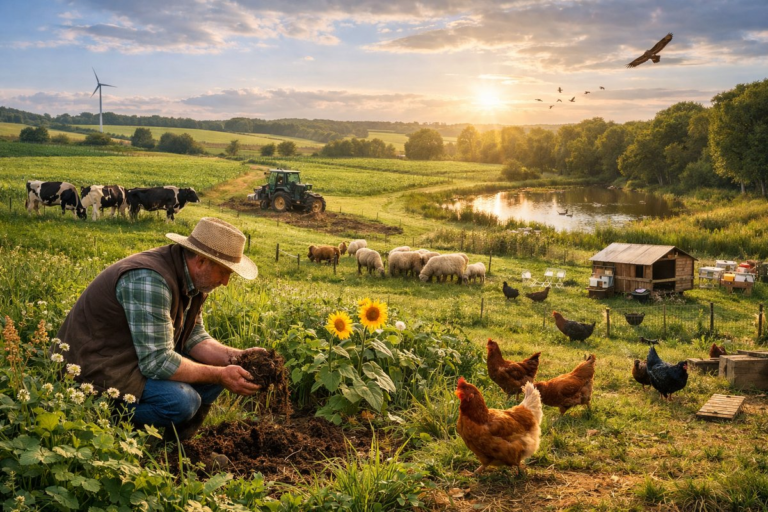
At the heart of regenerative farming lies a commitment to restoring soil vitality. Unlike conventional methods that often rely heavily on chemical inputs and intensive tillage, regenerative practices emphasize minimal soil disturbance, cover cropping, and diverse crop rotations. These techniques enhance soil organic matter, increase water retention, and foster beneficial microbial communities. The result is a living soil that acts as a carbon sink, helping mitigate climate change while improving crop resilience.
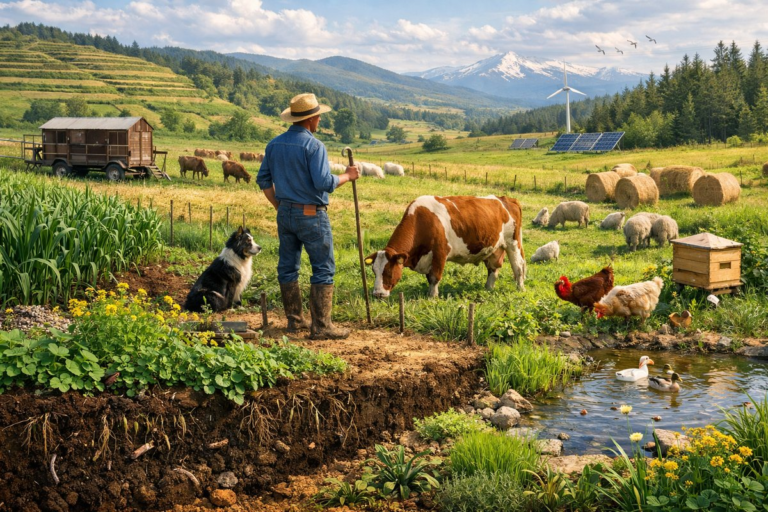
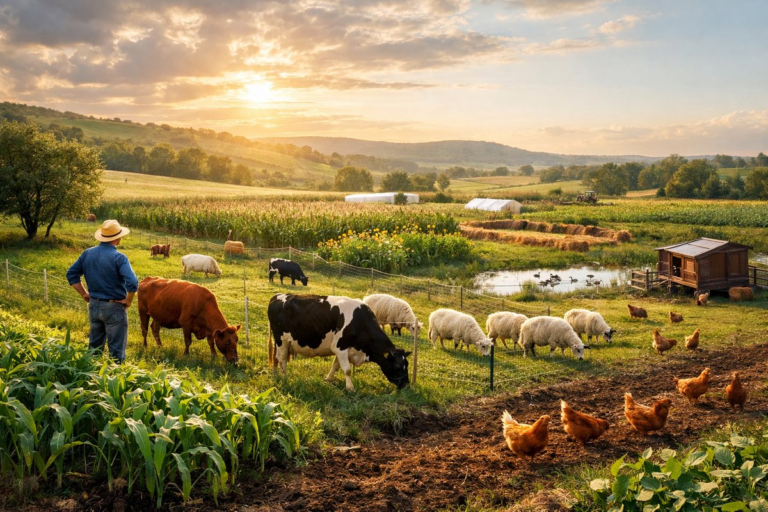
Livestock management within this paradigm also undergoes a transformative shift. Instead of confining animals in concentrated feedlots, regenerative livestock care promotes rotational grazing and pasture-based systems. This method mimics natural grazing patterns, allowing pastures to recover and maintain biodiversity. Animals contribute to soil fertility through their manure, and their movement helps distribute nutrients evenly across the land. Moreover, this approach supports animal welfare by providing more natural living conditions, reducing stress and disease.
Farmers adopting these methods often report a synergy between crops and animals that boosts overall farm productivity. For example, integrating poultry into orchards can control pests naturally, while grazing sheep can manage undergrowth in vineyards. Such diversification enhances farm resilience, reduces reliance on synthetic chemicals, and can open new market opportunities for sustainably produced goods.
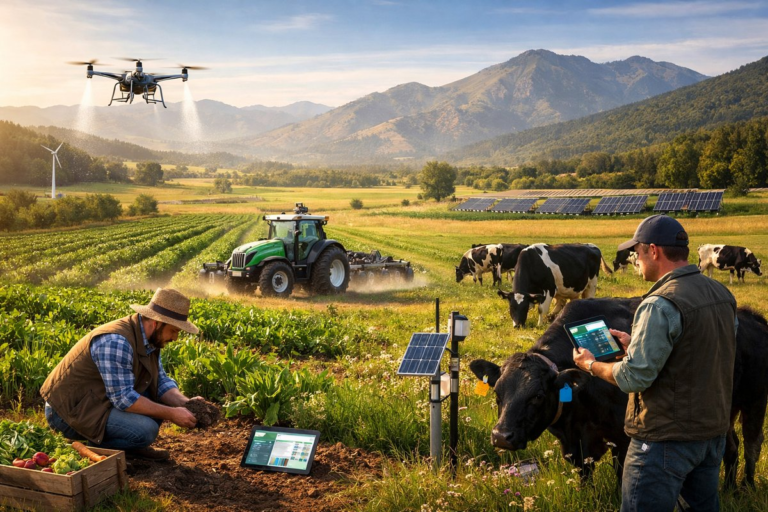
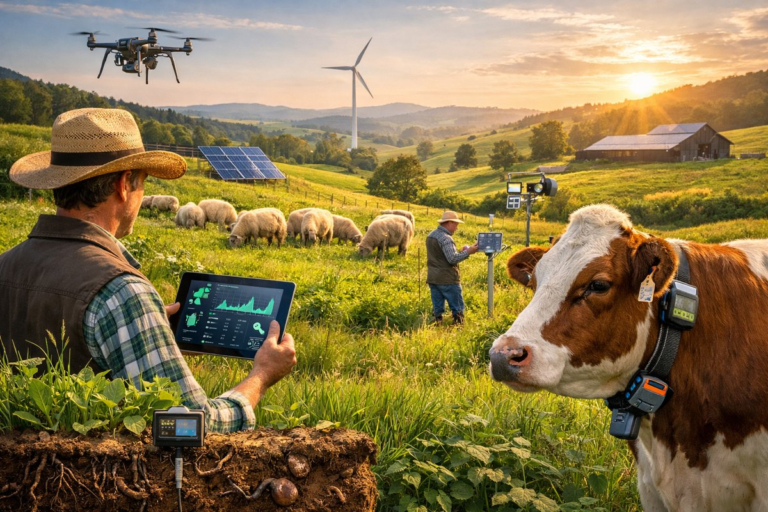
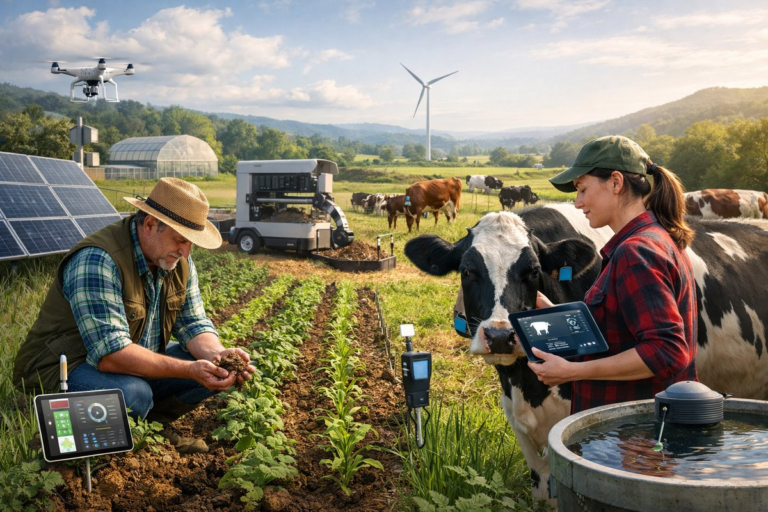
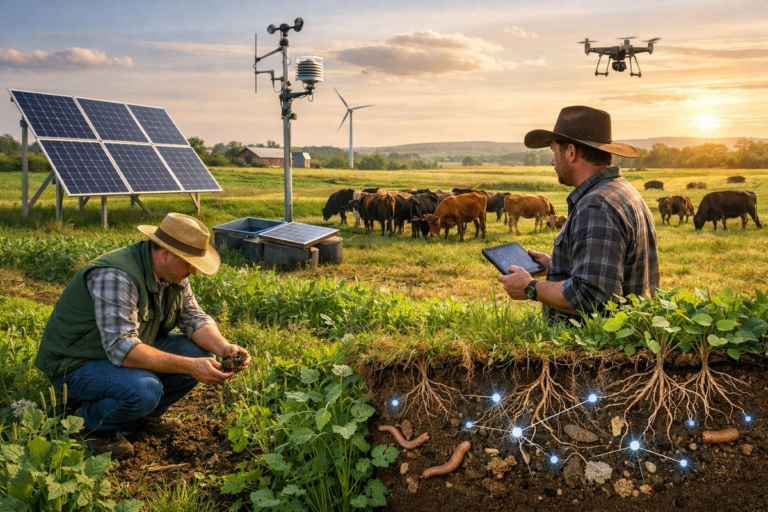
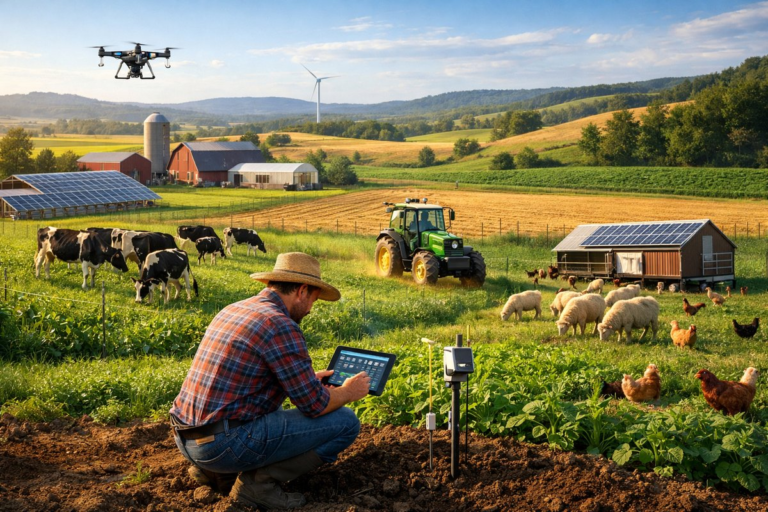
Technological innovations are also playing a role in advancing sustainable livestock care. Precision agriculture tools, such as soil sensors and GPS-enabled grazing management systems, help farmers monitor pasture health and optimize grazing patterns. Additionally, mobile fencing systems allow for flexible pasture rotation, adapting to seasonal changes and preventing overgrazing.
Community-driven initiatives are crucial in spreading regenerative knowledge. Farmer cooperatives, workshops, and online platforms facilitate the exchange of best practices and innovations. These networks empower small and mid-sized farms to implement changes without prohibitive costs, fostering a collective movement toward sustainability.
Challenges remain, including the need for supportive policies, access to markets that value regenerative products, and education tailored to diverse farming contexts. However, the growing consumer awareness around food origins and environmental impact is creating demand for products raised with care for the planet and animals.
Ultimately, regenerative farming and livestock care represent more than agricultural techniques-they embody a philosophy that honors interconnectedness and responsibility. By nurturing the soil, respecting animal life, and embracing innovation, rural communities are crafting a future where farming contributes to ecological health and social well-being alike. This holistic vision offers a hopeful path forward in the face of environmental uncertainties and global food system pressures.