Location
Mount Vernon, WA 98274

Location
Mount Vernon, WA 98274
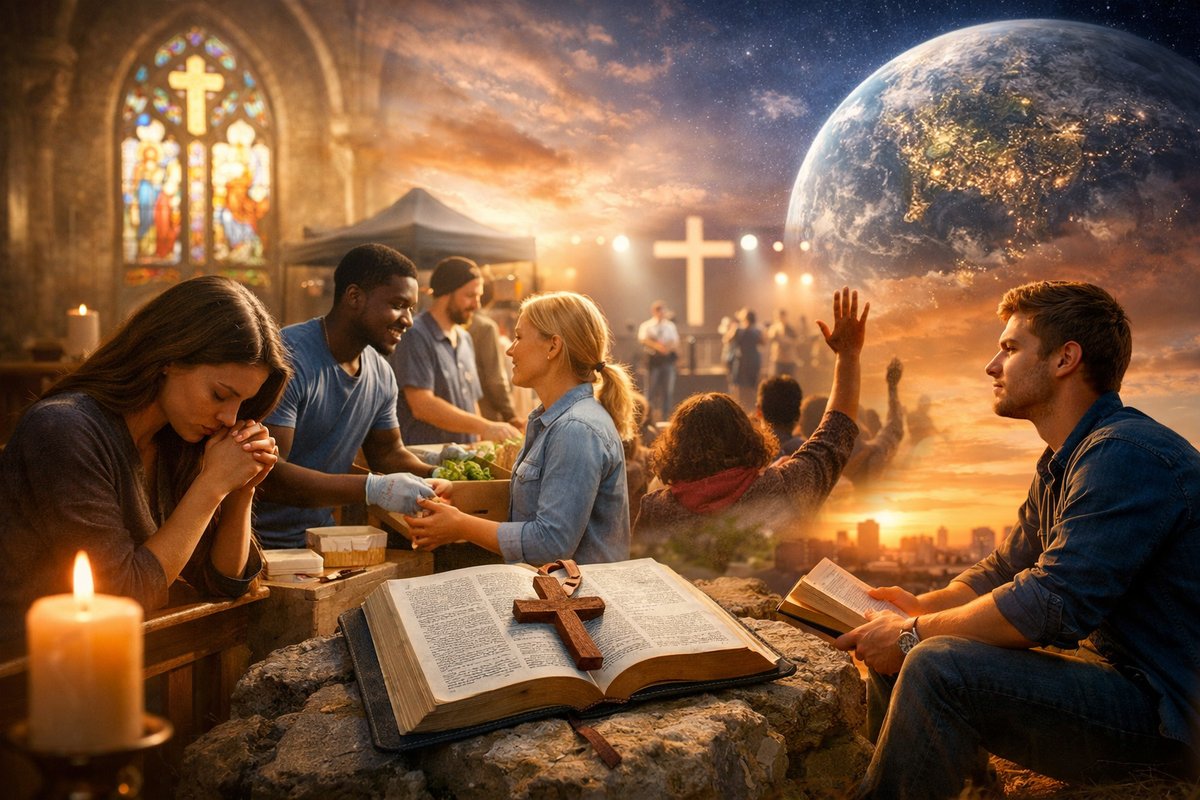
Christianity today reveals a rich tapestry of evolving expressions that balance tradition with contemporary challenges. From deepening personal spirituality to embracing community engagement, believers are finding new ways to live out their faith amid cultural shifts and global uncertainties.
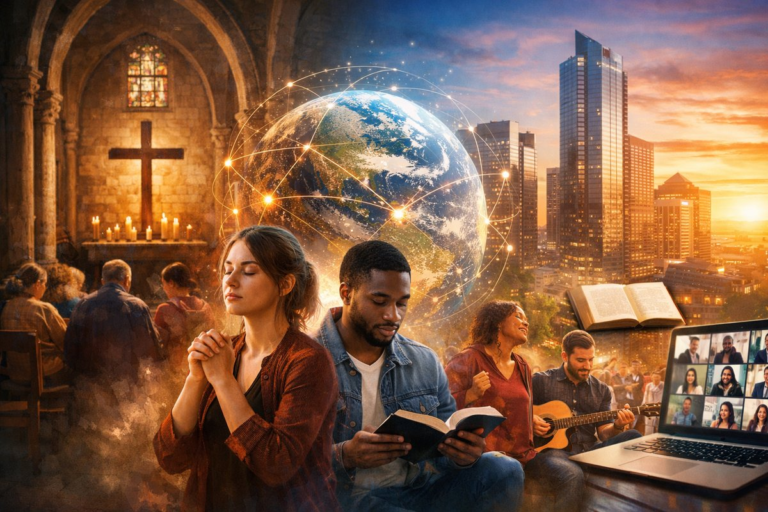
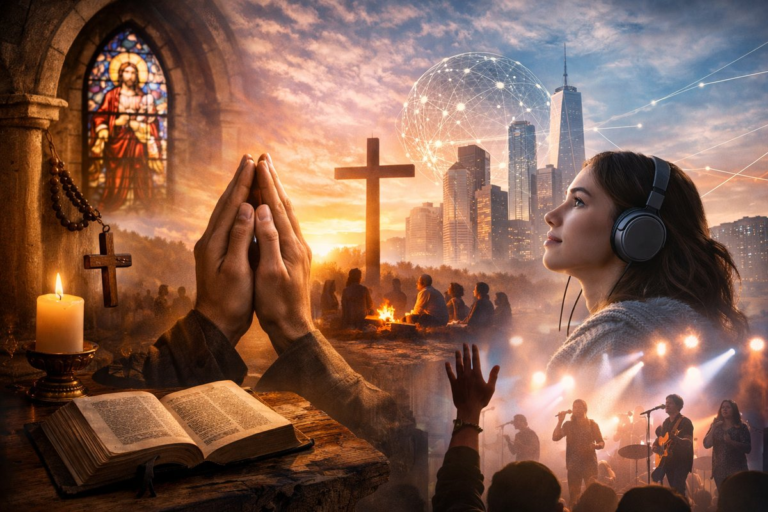
Christianity, one of the world’s oldest faith traditions, continues to evolve in response to the complexities of modern life. While rooted in centuries of scripture, theology, and ritual, contemporary Christian practice increasingly reflects a dynamic interplay between tradition and innovation. This ongoing transformation invites believers and seekers alike to explore faith as a living, breathing journey rather than a static inheritance.
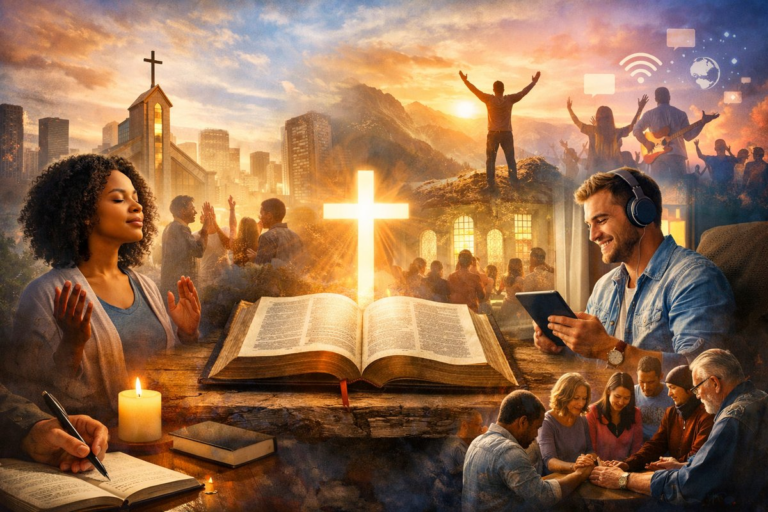
At the heart of this evolution is a renewed emphasis on personal spirituality. Many Christians today are moving beyond formal religious observance to cultivate an intimate, experiential relationship with the divine. This shift often includes practices such as contemplative prayer, meditation, and reflective journaling-tools that foster inner stillness and self-awareness amid the noise of daily life. These spiritual disciplines echo ancient Christian mysticism but are reinterpreted for contemporary seekers hungry for meaning and peace.
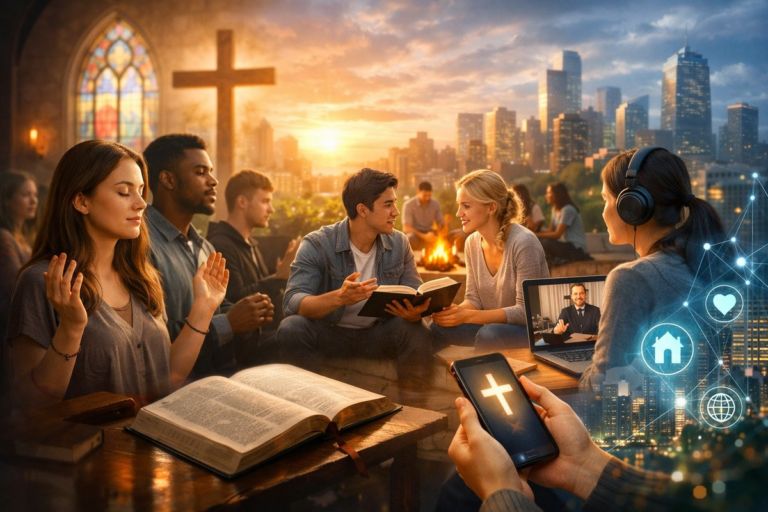
Simultaneously, the communal aspect of Christianity remains vital. Churches and faith communities are reimagining their roles as centers not only for worship but also for social justice, environmental stewardship, and mental health support. This broadened mission reflects a holistic understanding of faith as inseparable from action in the world. Congregations are increasingly engaging in outreach programs that address homelessness, racial reconciliation, and ecological sustainability, embodying the Christian call to love and serve neighbors.
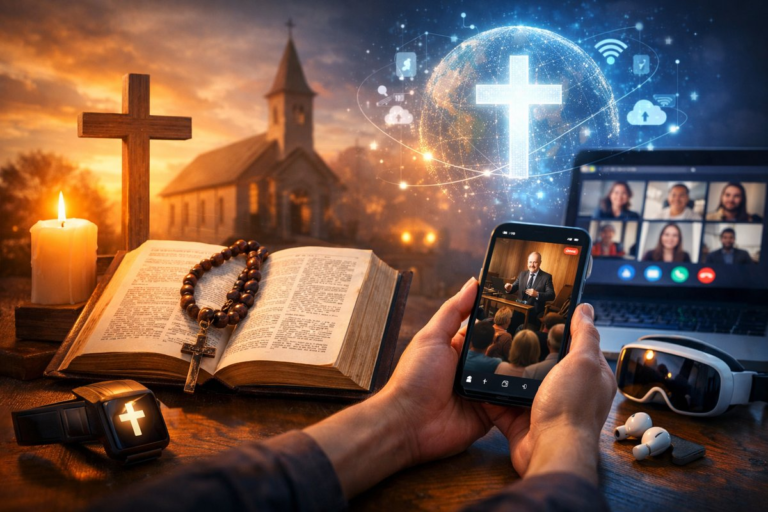
Technology also plays a pivotal role in shaping modern Christian experience. Digital platforms offer unprecedented access to sermons, Bible studies, and prayer groups, connecting believers across geographical and cultural boundaries. Online communities provide spaces for dialogue, encouragement, and shared learning, helping to bridge gaps created by physical distance or mobility limitations. However, this digital engagement also raises questions about authenticity, privacy, and the nature of spiritual presence in virtual environments.
Theologically, contemporary Christianity grapples with complex ethical and social issues, from gender identity and sexuality to economic inequality and political polarization. Diverse interpretations of scripture and doctrine reflect the plurality within the faith, prompting ongoing conversations about inclusion, justice, and the church’s prophetic voice. This diversity challenges believers to hold space for difference while seeking unity in core convictions.
Importantly, younger generations are shaping the future of Christianity through their values and priorities. Many express skepticism toward institutional religion but remain deeply interested in spirituality and moral purpose. They often favor informal gatherings, creative worship expressions, and faith communities that emphasize authenticity, social responsibility, and environmental care. This generational shift signals a potential redefinition of what it means to be Christian in the 21st century.
Despite these changes, certain constants endure. The Bible remains a foundational text, inspiring reflection, guidance, and debate. The sacraments-such as baptism and communion-continue to mark significant spiritual milestones and communal identity. The call to love God and neighbor persists as the central ethical imperative. These anchors provide continuity amid transformation, connecting present-day believers with a rich heritage.
Exploring Christianity today reveals a faith alive with questions, challenges, and hope. It invites individuals to engage deeply with their own beliefs while participating in a broader story of renewal and resilience. Whether through quiet contemplation, communal action, or digital fellowship, the journey of faith continues to unfold in diverse and meaningful ways. This evolving landscape encourages curiosity, compassion, and courage-qualities essential for navigating the complexities of modern life with grace and conviction.