Location
Mount Vernon, WA 98274

Location
Mount Vernon, WA 98274
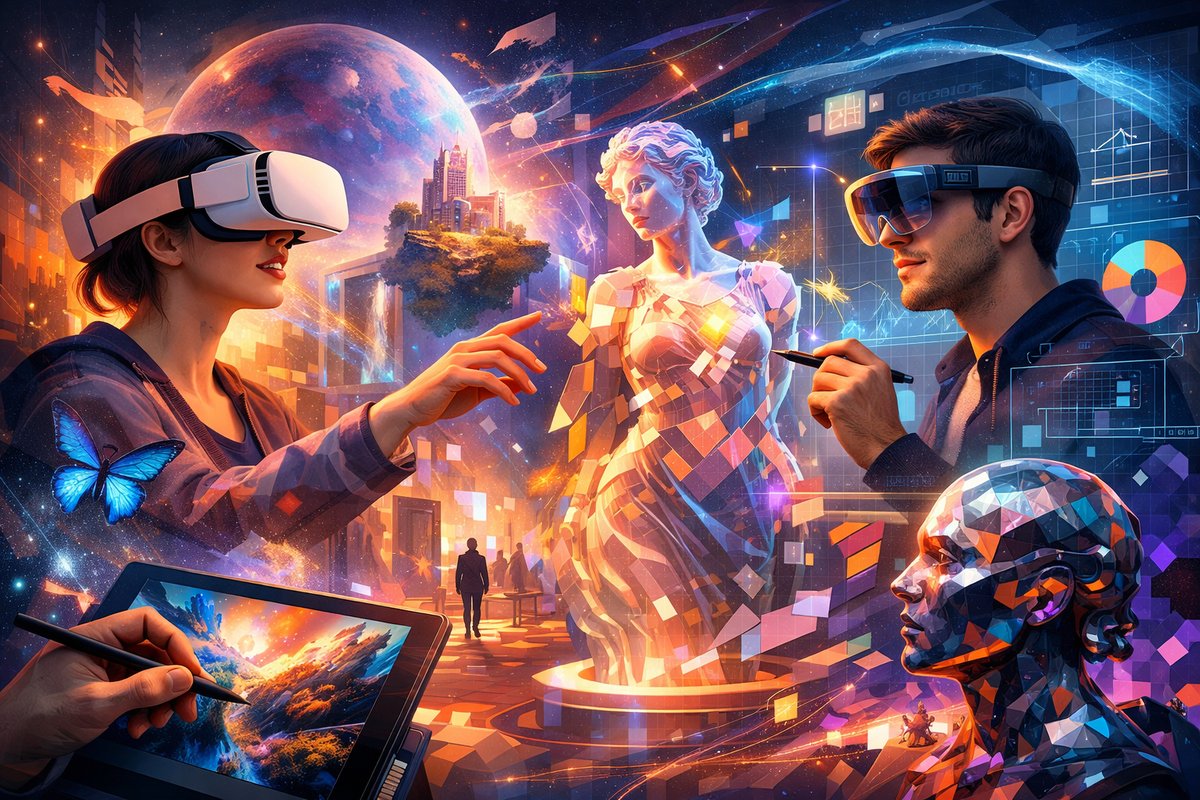
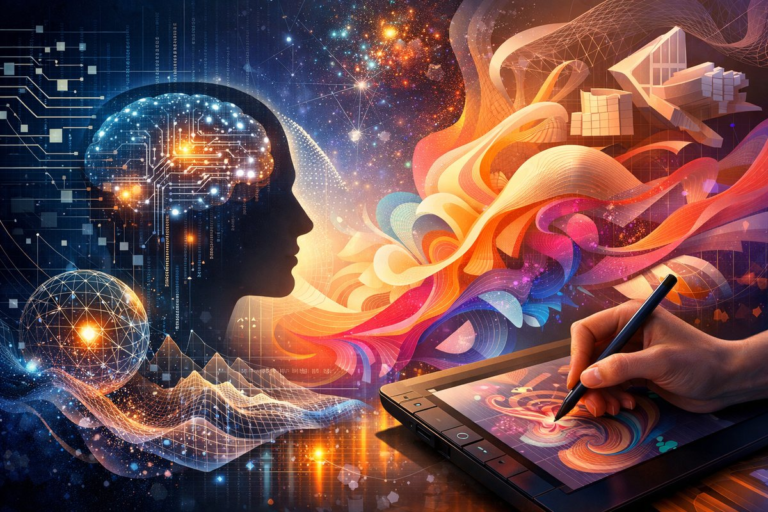
Art and design are undergoing a radical transformation as immersive technologies like virtual reality and augmented reality become central tools for creators. This fusion of tech and creativity is opening fresh avenues for expression, challenging traditional boundaries, and inviting audiences to experience art in profoundly new ways.
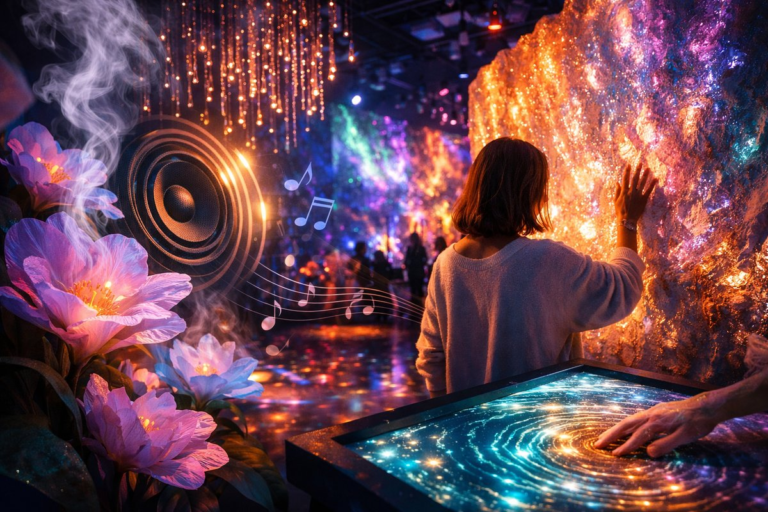
In recent years, the intersection of immersive technology and creative practice has sparked what many are calling a new renaissance in art and design. Technologies such as virtual reality (VR), augmented reality (AR), and mixed reality (MR) have moved beyond the realm of entertainment and gaming to become essential instruments for artists and designers. This convergence is reshaping the way art is created, experienced, and understood, inviting both creators and audiences into dynamic, participatory environments that transcend the limitations of physical space.
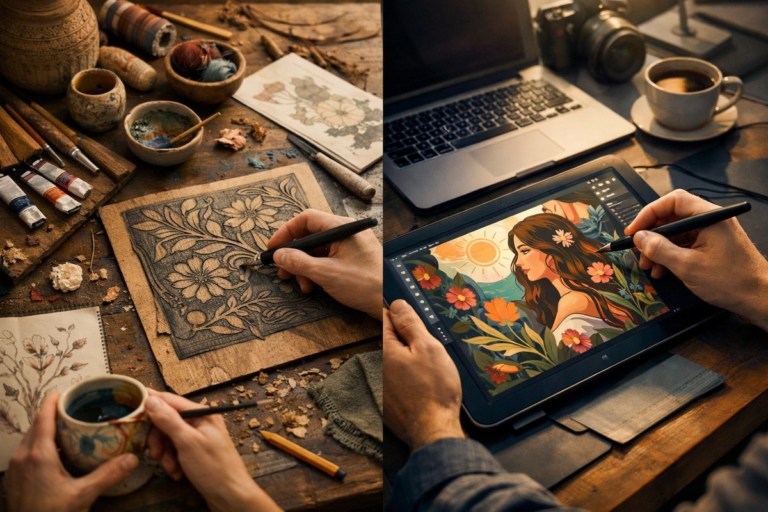
Historically, art has been a medium for storytelling, emotional expression, and cultural reflection. Traditionally confined to tangible materials like canvas, sculpture, and print, the forms of artistic expression have expanded with technological progress. The advent of digital tools marked a significant shift, enabling new aesthetics and workflows, but immersive technologies represent a deeper transformation-one that alters not just the output but the very process and context of creation.
Virtual reality, for instance, offers artists a boundless three-dimensional canvas, allowing them to sculpt, paint, and compose in a fully immersive environment. Artists can craft entire worlds, manipulate light and texture in real-time, and invite viewers to step inside their creations. This experiential aspect fundamentally changes the role of the audience from passive observers to active participants. Viewers can navigate through a virtual sculpture garden, witness an evolving digital painting from multiple angles, or become part of an interactive narrative.
Augmented reality extends this interactivity into the physical world by overlaying digital elements onto real environments. This blend invites artists and designers to rethink public spaces and traditional exhibitions. AR installations can transform cityscapes, historical sites, or even private homes, embedding ephemeral art that interacts with its surroundings. This democratizes art access by bringing it into everyday contexts, breaking down barriers between galleries and the public.
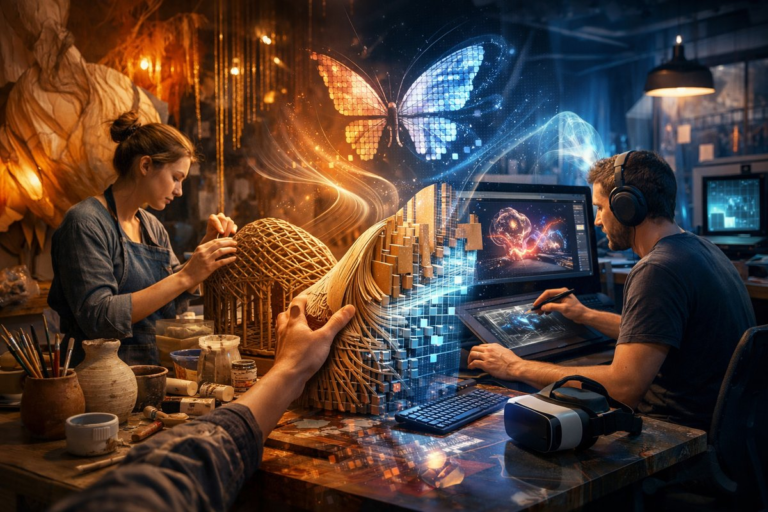
Mixed reality, combining elements of both VR and AR, further pushes the envelope by enabling seamless interaction between physical and virtual objects. Designers are experimenting with MR to prototype products in lifelike settings or to create hybrid performances where physical actors and digital avatars coexist.
This technological integration prompts a reexamination of artistic authorship and collaboration. Many immersive projects involve multidisciplinary teams-programmers, designers, sound artists, choreographers-working collectively to realize complex visions. This collaborative spirit reflects a broader cultural shift toward interconnected creativity, where boundaries between disciplines dissolve.
The philosophical implications of these developments are profound. Immersive art challenges the notion of permanence, as many digital works exist in ephemeral or evolving states. It also raises questions about presence, identity, and reality itself, inviting audiences to engage with concepts in experiential rather than purely intellectual ways.
From a practical standpoint, the rise of immersive art has stimulated new markets and educational opportunities. Museums and galleries are incorporating VR and AR experiences to complement traditional exhibitions, enhancing engagement and accessibility. Educational programs are integrating immersive tools to teach art and design skills with unprecedented interactivity.
However, the embrace of technology is not without challenges. Issues of accessibility persist, as high-quality VR equipment remains costly and requires technical proficiency. There are also concerns about digital fatigue and the environmental impact of energy-intensive hardware. Artists and institutions are increasingly mindful of these factors, exploring sustainable practices and inclusive design to ensure immersive art’s benefits are broadly shared.
Looking ahead, the fusion of immersive technology with art and design promises continued innovation. Emerging technologies like haptic feedback, eye tracking, and AI-driven generative art will deepen the sensory richness and responsiveness of creative experiences. The boundaries between creator and audience, physical and virtual, object and experience will blur further, ushering in a more fluid and participatory artistic landscape.
This ongoing transformation invites curiosity and openness to new modes of perception and expression. It underscores the enduring human drive to explore, connect, and imagine-now amplified through the lens of digital immersion. As these tools become more accessible and integrated, they hold the potential to enrich cultural narratives, expand creative possibilities, and foster deeper empathy through shared, embodied experiences.
In essence, immersive technologies are not merely tools but catalysts for rethinking what art and design can be. They invite us to step beyond the frame, beyond the screen, and into spaces where creativity knows no bounds.