Location
Mount Vernon, WA 98274

Location
Mount Vernon, WA 98274
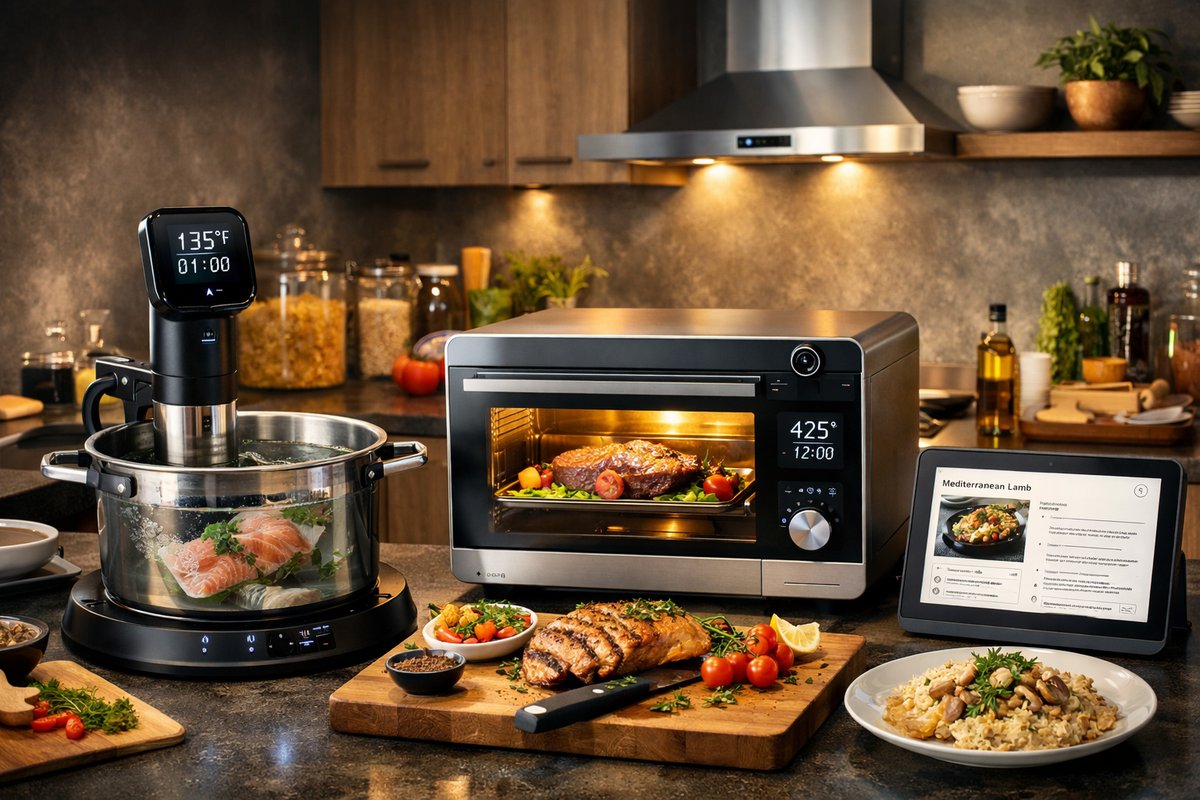
Modern kitchen technology is quietly reshaping how we approach cooking, blending tradition with innovation to create more flavorful, personalized meals. From precision temperature controls to AI-driven recipe assistants, these tools invite cooks to explore new tastes and rituals that turn everyday meals into memorable adventures.
In the evolving landscape of culinary arts, technology has become a subtle yet powerful ally in the quest for flavor and meaningful kitchen experiences. While flashy gadgets often grab headlines, the true revolution lies in tools that enhance precision, customization, and sensory engagement, allowing both novice and seasoned cooks to deepen their relationship with food.
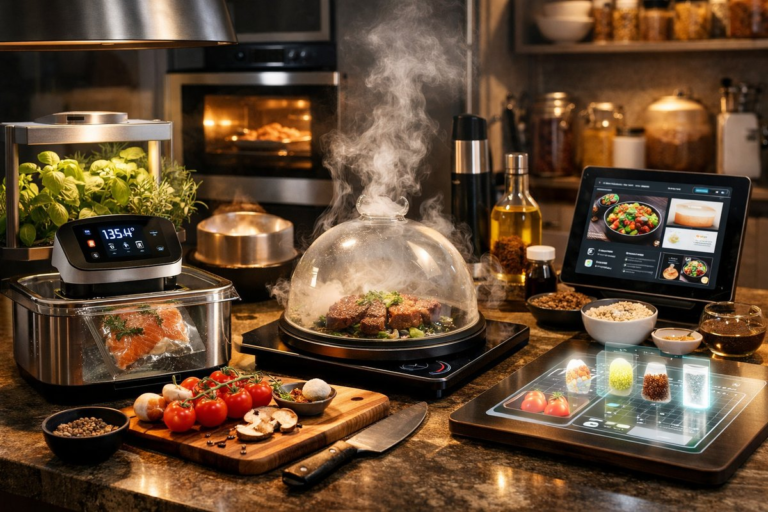
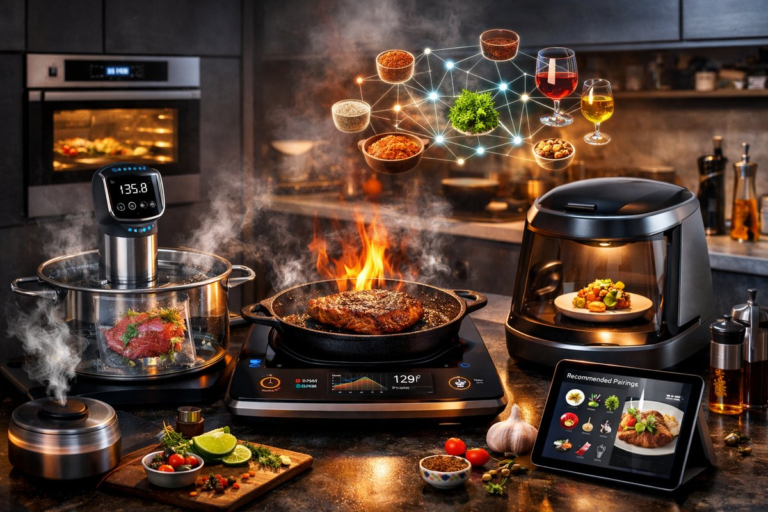
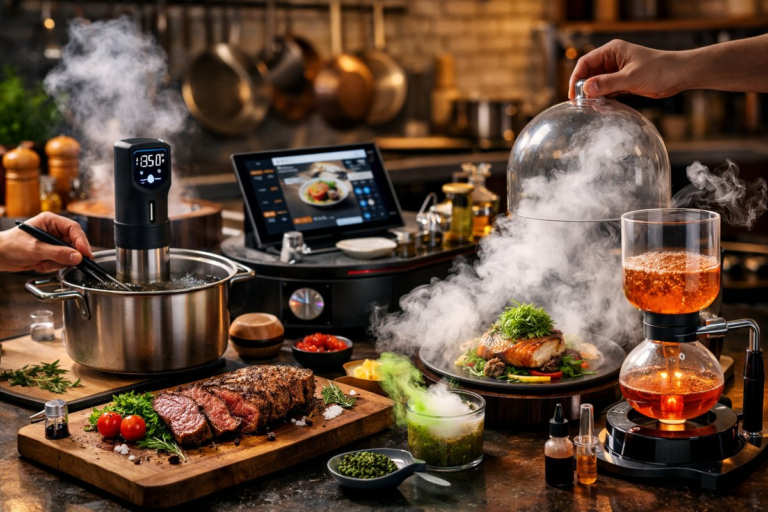
One of the most transformative developments is the rise of smart cooking devices that prioritize exact temperature control. Precision sous-vide machines, for example, enable cooks to gently cook proteins and vegetables at consistent temperatures, unlocking textures and flavors impossible to achieve through traditional methods. This technique enhances the natural taste of ingredients, allowing their unique qualities to shine without overcooking or drying out. The gentle immersion cooking method also aligns with sustainable practices by reducing energy waste compared to conventional ovens.
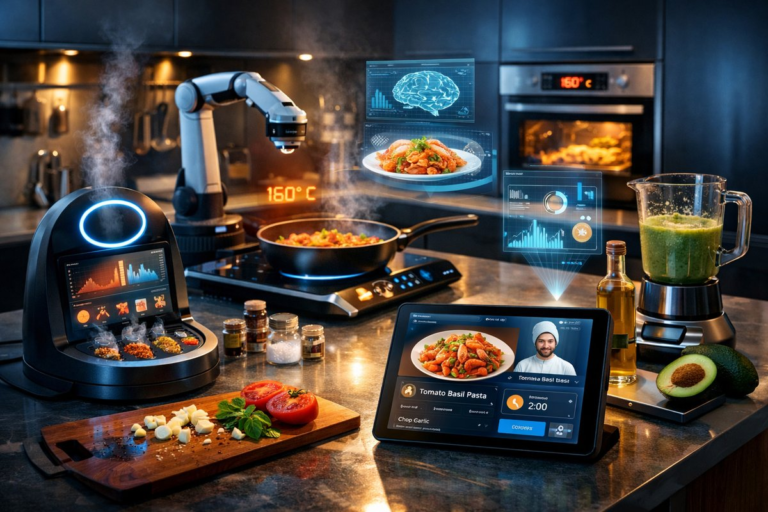
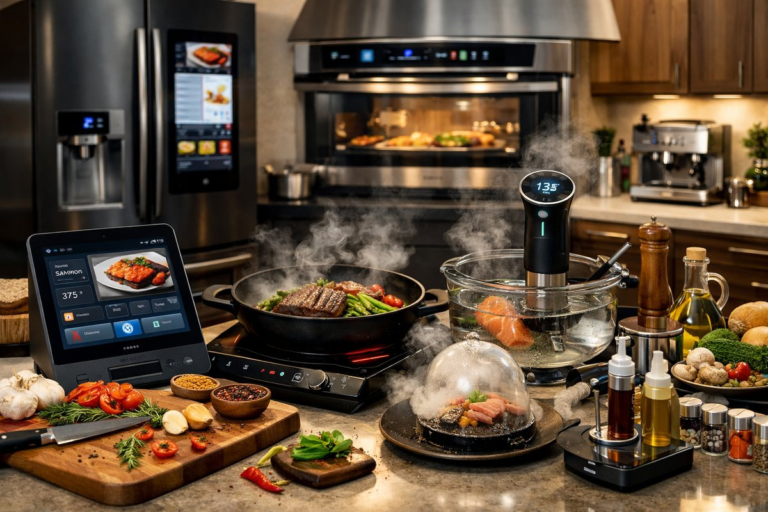
Another innovation reshaping home kitchens is the integration of AI-powered recipe assistants. These digital sous-chefs analyze pantry inventories, dietary preferences, and even nutritional goals to recommend tailored recipes. By adapting traditional dishes to individual tastes and health needs, they transform cooking from a repetitive chore into an exploratory adventure. Such technology fosters curiosity by encouraging experimentation with new ingredients and techniques, gently guiding cooks through unfamiliar culinary territories while respecting their pace and style.
Connected kitchen scales and smart measuring tools further refine the cooking process. These devices provide real-time feedback on ingredient quantities, helping to perfect recipes and reduce food waste. Precision in measurement not only improves flavor balance but also enhances the ritual of cooking, inviting mindfulness and attentiveness. This aligns with a growing cultural emphasis on sustainability and thoughtful consumption.
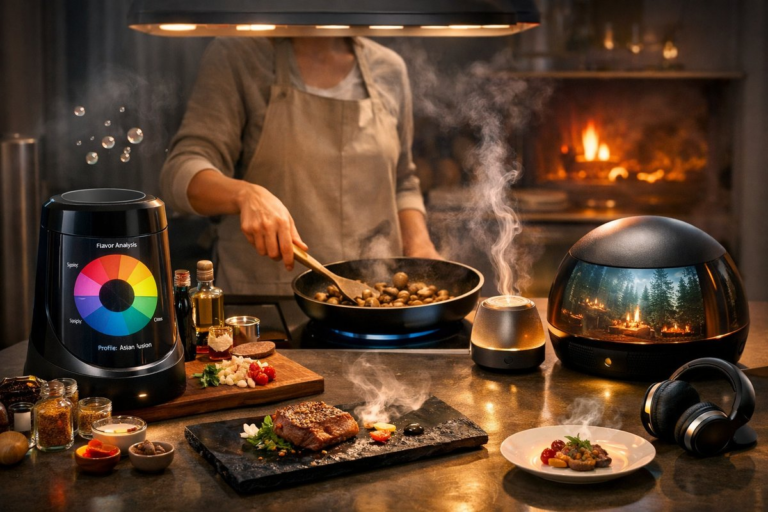
In parallel, advancements in kitchen ventilation and aroma diffusion technologies are heightening sensory immersion. Smart range hoods equipped with air quality sensors adjust extraction power automatically, maintaining an optimal environment that preserves delicate aromas and flavors within the kitchen space. Additionally, aroma diffusers designed for culinary use can subtly enhance the atmosphere, complementing the cooking experience with complementary scents that evoke memories or inspire creativity.
The design of kitchen appliances is also evolving to support emotional connections with cooking. Interfaces now emphasize intuitive touchscreens, voice commands, and personalized feedback that encourage users to engage more deeply with their food preparation. By reducing friction and complexity, these tools make cooking accessible and enjoyable, nurturing confidence and satisfaction.
Despite the technological sophistication, there remains a reverence for traditional ingredients and manual techniques. Many cooks blend smart devices with hands-on methods such as fermentation, hand-kneading, or open-flame grilling, creating a hybrid practice that honors heritage while embracing innovation. This balance underscores a central theme in modern culinary technology: tools should empower rather than replace human creativity and intuition.
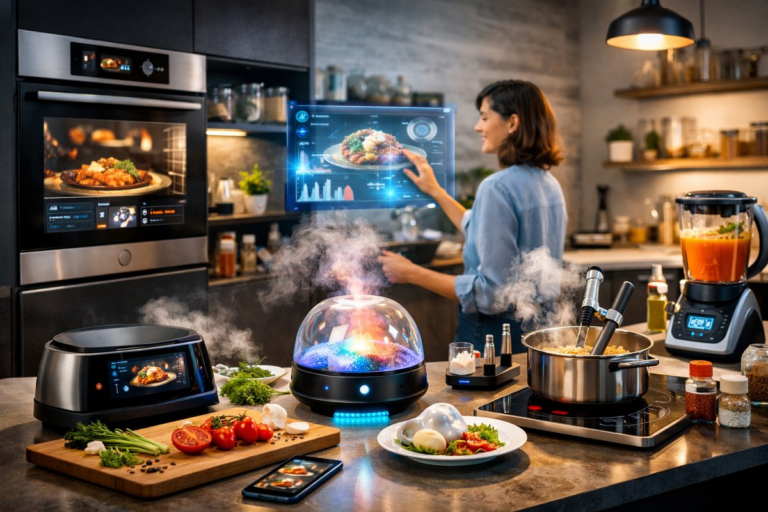
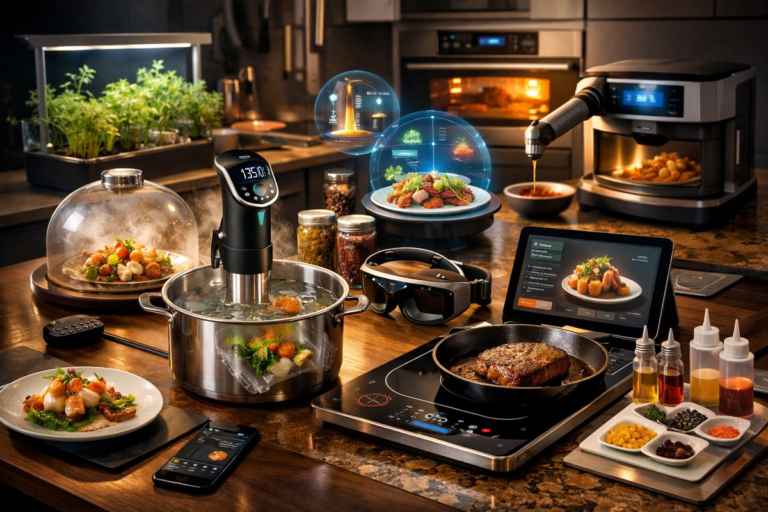
Looking ahead, the kitchen of the future promises even greater integration of multisensory technology. Emerging research explores the use of augmented reality to visualize cooking processes, haptic feedback to simulate textures, and AI to predict flavor pairings based on chemical profiles. These innovations aim to expand the boundaries of taste and ritual, transforming cooking into a deeply immersive and personalized journey.
In essence, the current wave of kitchen technology is less about flashy gadgets and more about enriching the emotional and sensory dimensions of cooking. By focusing on precision, personalization, sustainability, and sensory engagement, these tools invite all cooks to rediscover the joy of flavor and the magic of transforming meals into moments. This quiet revolution nurtures curiosity and playfulness, turning the kitchen into a laboratory of taste and tradition where every meal becomes an adventure worth savoring.