Location
Mount Vernon, WA 98274

Location
Mount Vernon, WA 98274
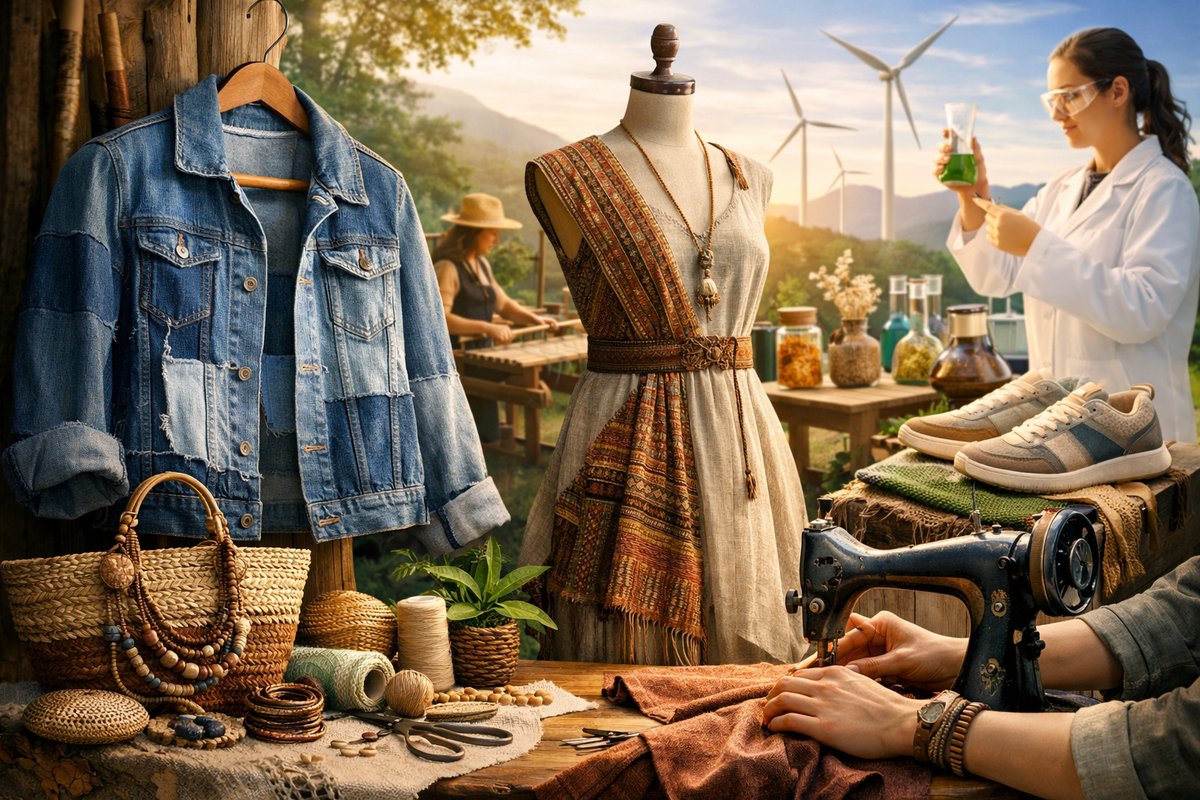
In an era where every purchase is a statement, fashion is evolving beyond aesthetics to embody ethics, heritage, and innovation. From upcycled materials to artisan collaborations, the industry is weaving a story where sustainability meets self-expression in bold and transformative ways.
Fashion has long been a mirror of culture and identity, but today it is undergoing a profound transformation. The rise of ethical fashion reflects a shift in consumer values, emphasizing not just how clothes look, but how they are made, who makes them, and the impact they have on the planet. This movement challenges the fast-fashion paradigm and invites wearers to consider the stories embedded in every thread.
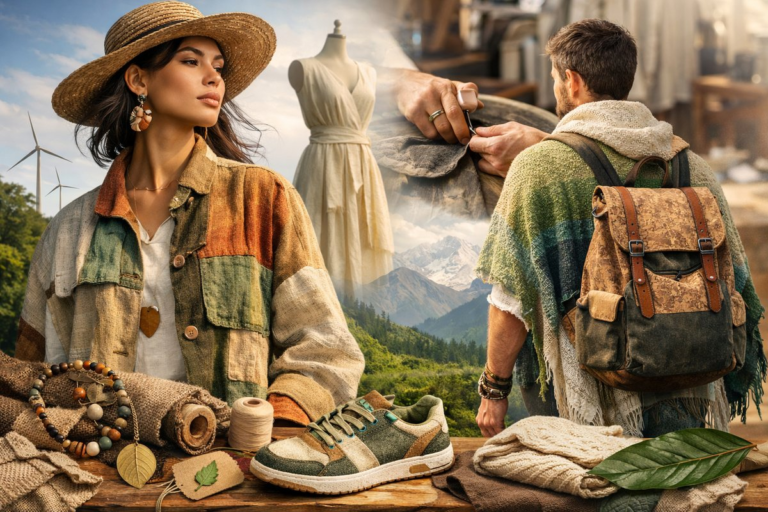
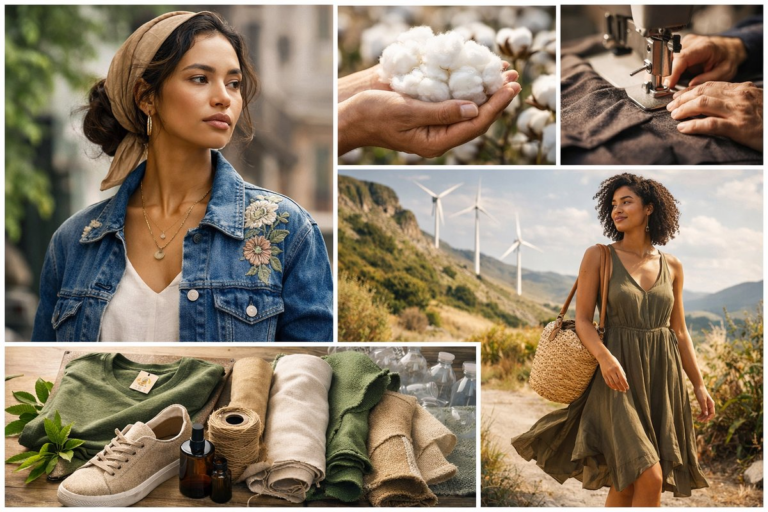
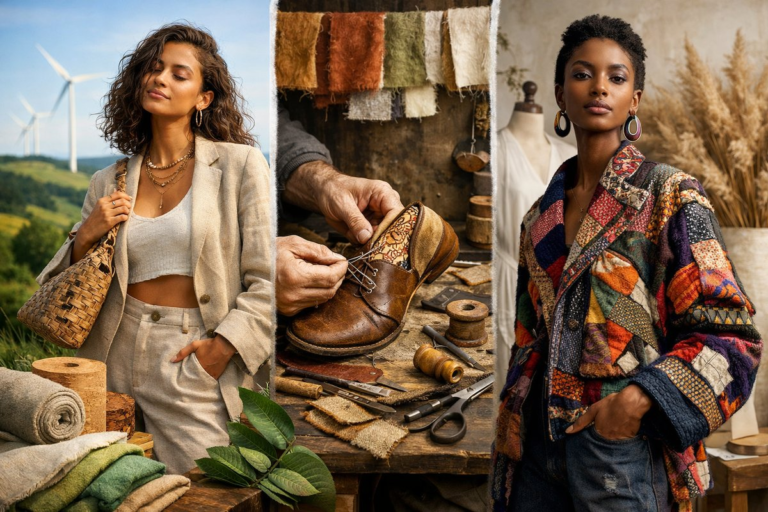
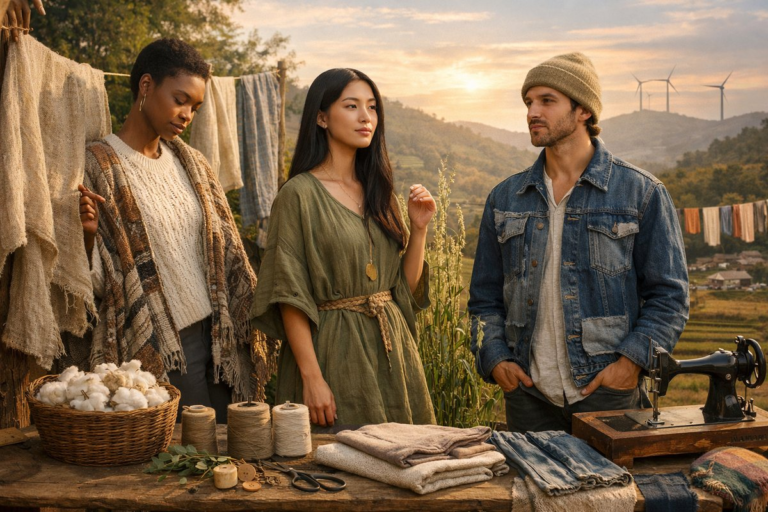
At the heart of this shift is a renewed appreciation for craftsmanship and materials that prioritize environmental stewardship. Designers and brands are increasingly turning to organic fibers, recycled textiles, and innovative bio-based fabrics that reduce waste and pollution. Materials such as organic cotton, hemp, and Tencel offer breathability and durability while minimizing water consumption and chemical use compared to conventional fabrics.
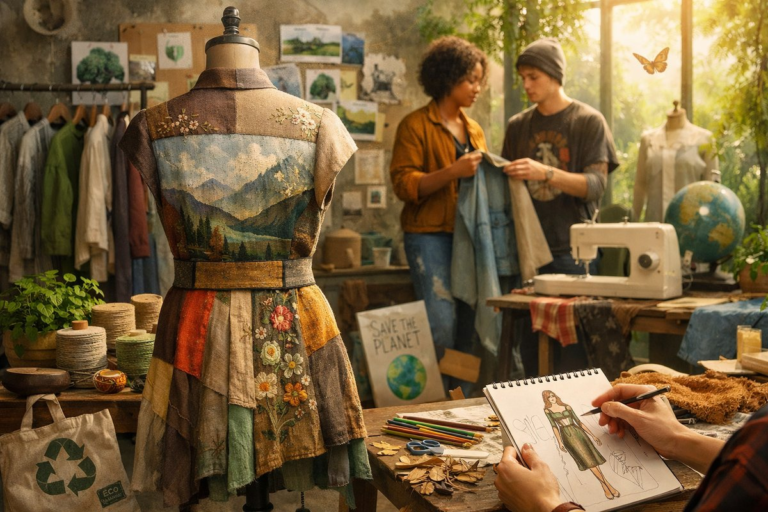
One notable trend is the creative repurposing of pre-existing garments and textile scraps into new, wearable art. Upcycling transforms discarded materials into unique pieces, celebrating imperfection and sustainability simultaneously. This approach not only extends the lifecycle of textiles but also fosters a culture of mindful consumption. Consumers embracing upcycled fashion often express a desire to stand apart from mass-produced trends, choosing garments that carry a story and a conscience.
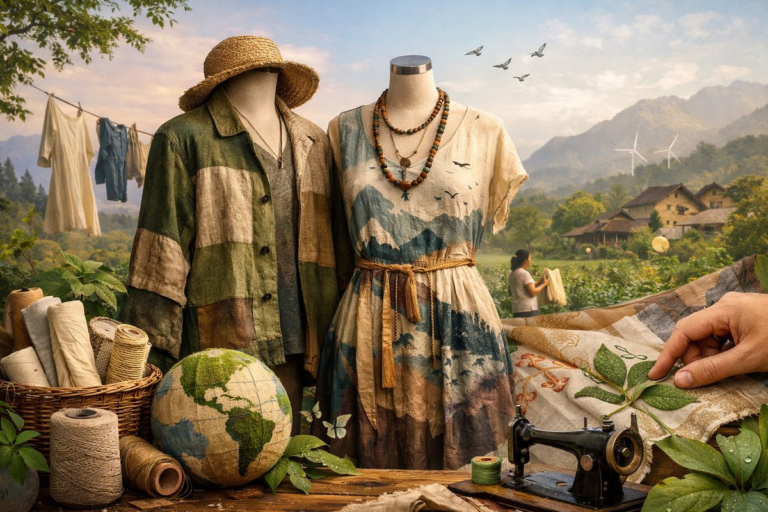
Artisanal collaborations are also gaining momentum, linking modern fashion with traditional techniques. Handwoven textiles, natural dyeing methods, and intricate embroidery from communities around the world are being integrated into contemporary collections. These partnerships provide economic opportunities for artisans while preserving cultural heritage, creating garments that are rich in both aesthetic and ethical value.
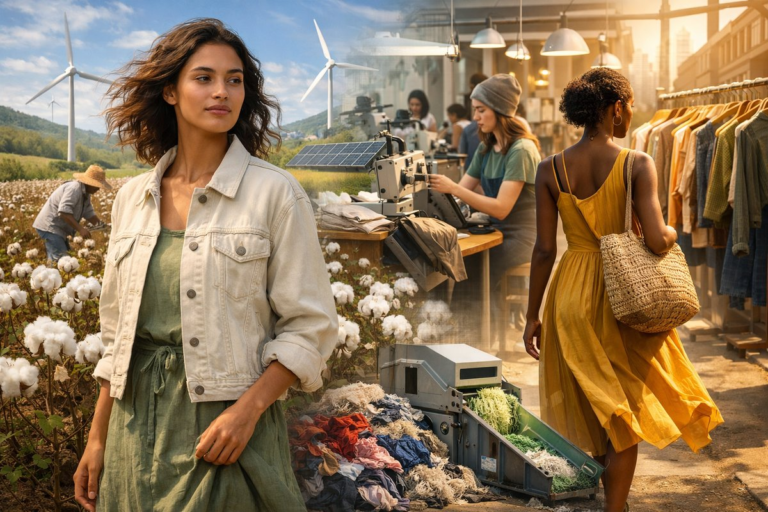
Technology plays a complementary role in this evolving landscape. Digital tools enable transparent supply chains, allowing customers to trace the origins of their clothing and verify sustainable claims. Innovations in fabric production, such as lab-grown leather alternatives and waterless dyeing processes, continue to push the boundaries of what is possible while reducing environmental footprints.
The impact of these changes extends beyond environmental concerns to social justice. Ethical fashion advocates emphasize fair wages, safe working conditions, and inclusive representation within the industry. Brands adopting these principles are fostering a more equitable ecosystem where workers’ rights and dignity are prioritized.
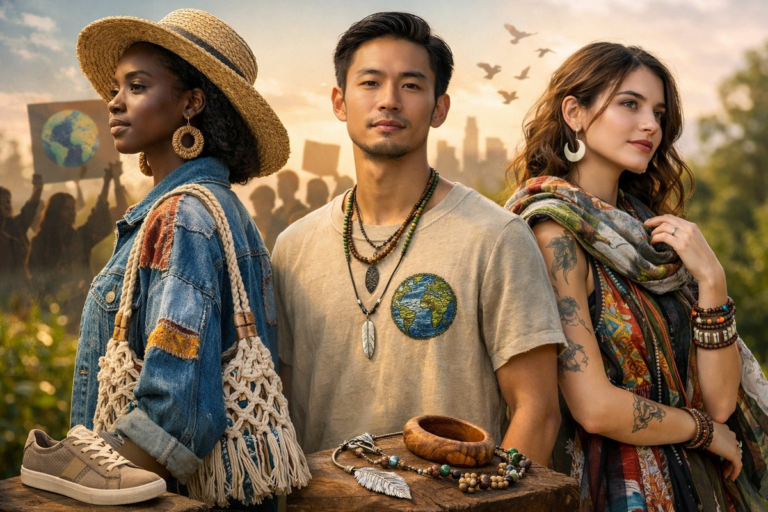
Consumers are responding enthusiastically to these shifts, seeking pieces that align with their values and encourage thoughtful expression. Capsule wardrobes built on versatile, high-quality essentials reduce overconsumption and promote longevity. Bold accessories crafted from sustainable materials allow individuals to showcase their unique identities without compromising their ethics.
This convergence of style and substance is also influencing mainstream fashion events and retail spaces. Sustainable collections are increasingly featured on runways, and retailers are dedicating sections to ethical brands. Educational initiatives and storytelling campaigns help bridge the gap between producers and consumers, cultivating a community united by purpose and creativity.
However, challenges remain. The higher cost of sustainable materials and ethical production can limit accessibility for some consumers. Moreover, greenwashing-the practice of misleading claims about sustainability-requires vigilance and critical evaluation. It is essential for shoppers to seek verified certifications and transparent information to make informed decisions.
Looking ahead, the fashion industry’s evolution toward sustainability and ethical practice represents a hopeful trajectory. By valuing quality over quantity, honoring tradition while embracing innovation, and prioritizing people alongside profit, fashion can become a powerful agent of positive change. Each garment becomes more than just apparel-it is a statement of values, a connection to global communities, and a step toward a more conscious future.
For those intrigued by this new narrative, exploring ethical fashion offers a meaningful way to engage with style that respects both the planet and its people. It invites curiosity, creativity, and a deeper appreciation for the stories woven into the fabric of what we wear.