Location
Mount Vernon, WA 98274

Location
Mount Vernon, WA 98274
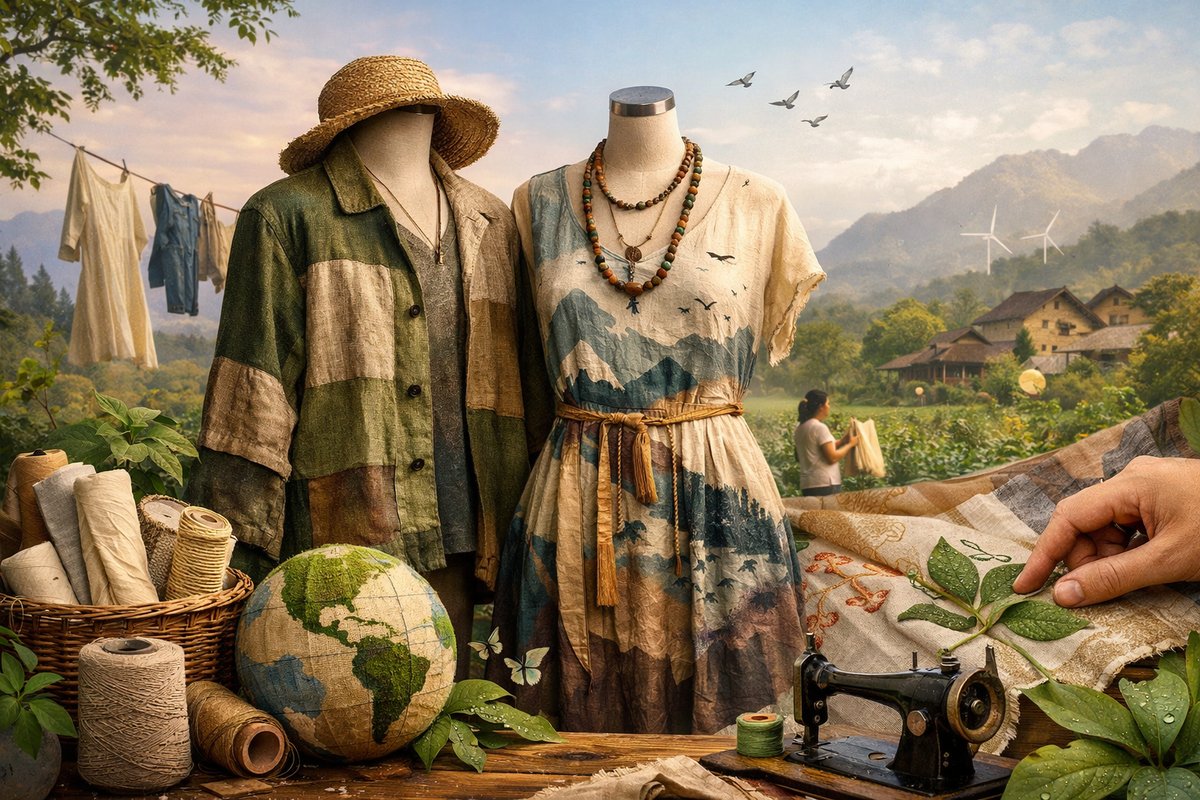
The fashion industry is undergoing a transformative shift as designers and consumers embrace eco-conscious apparel that tells stories beyond style. This movement blends sustainability with self-expression, redefining how clothing connects us to values, heritage, and innovation.
In recent years, the fashion world has witnessed an awakening-a purposeful pivot toward apparel that transcends mere aesthetics to embody deeper narratives about the planet, culture, and individual identity. This evolution is more than a trend; it is a redefinition of what it means to wear one’s values. As environmental concerns mount and consumers seek authenticity, eco-conscious fashion emerges as a powerful medium where style meets story.
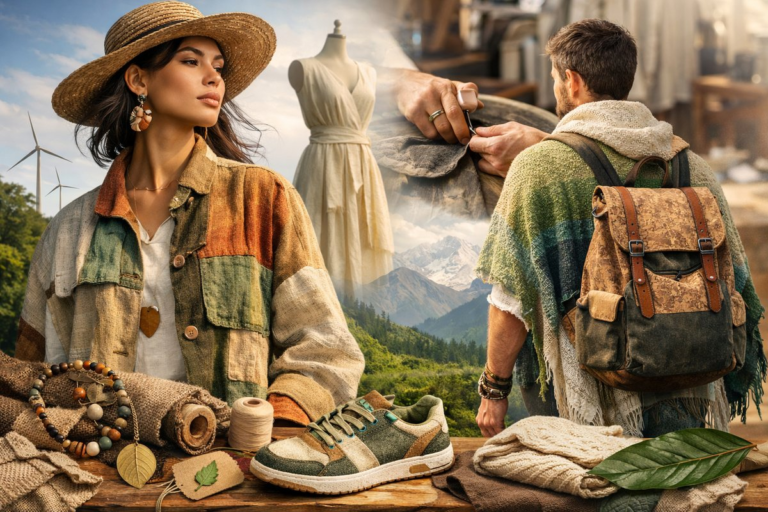
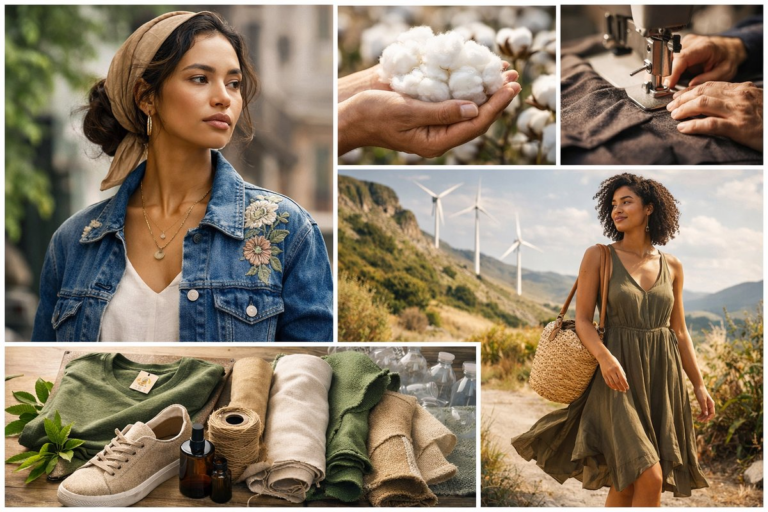
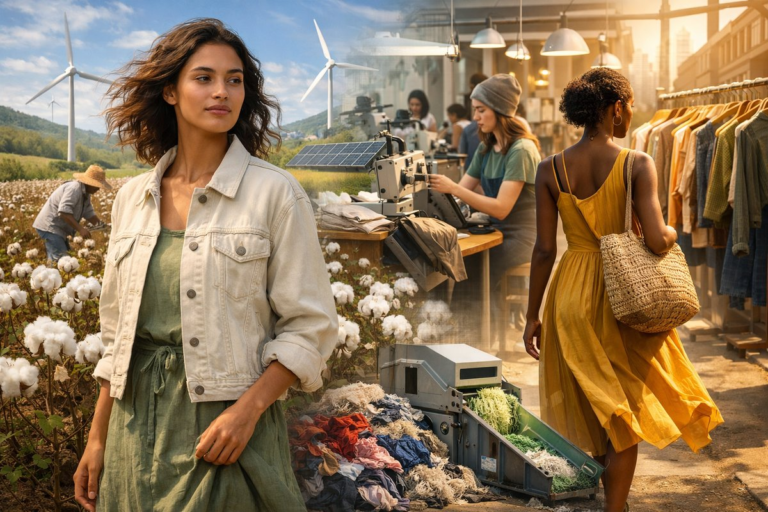
The journey begins with materials. Traditional fabrics like cotton and polyester, often associated with high water usage and pollution, are increasingly being replaced or supplemented by innovative, sustainable textiles. Hemp, bamboo, organic cotton, and recycled fibers are gaining prominence, each carrying a legacy of reduced environmental impact and durability. For example, recycled polyester derived from plastic bottles is transforming waste into wearable art, closing the loop between consumption and conservation.
Beyond the environmental benefits, these materials invite new textures and aesthetics, inspiring designers to craft garments that are both beautiful and purposeful. The tactile experience of wearing hemp or organic cotton, often softer and more breathable, fosters a tangible connection to the earth and its cycles. This sensory element deepens the wearer’s relationship with their clothing, turning fashion into a mindful ritual rather than a disposable commodity.
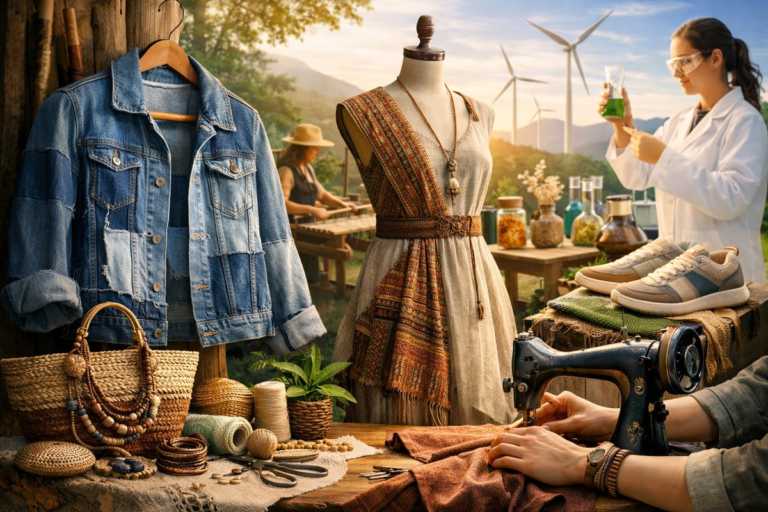
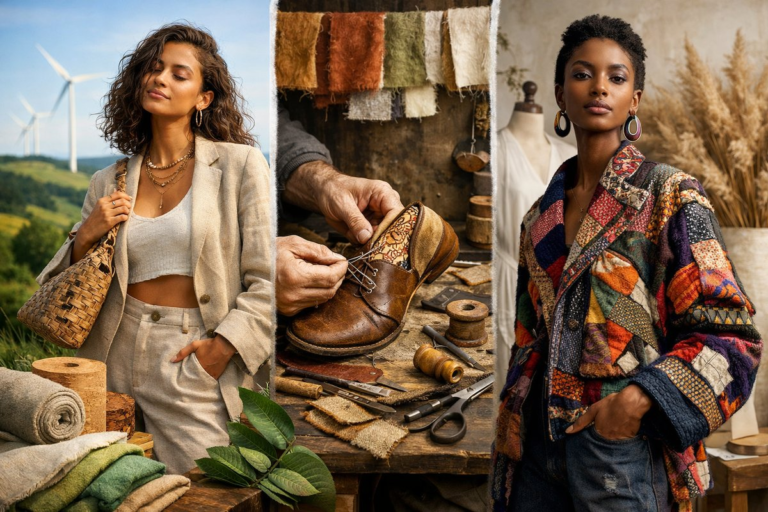
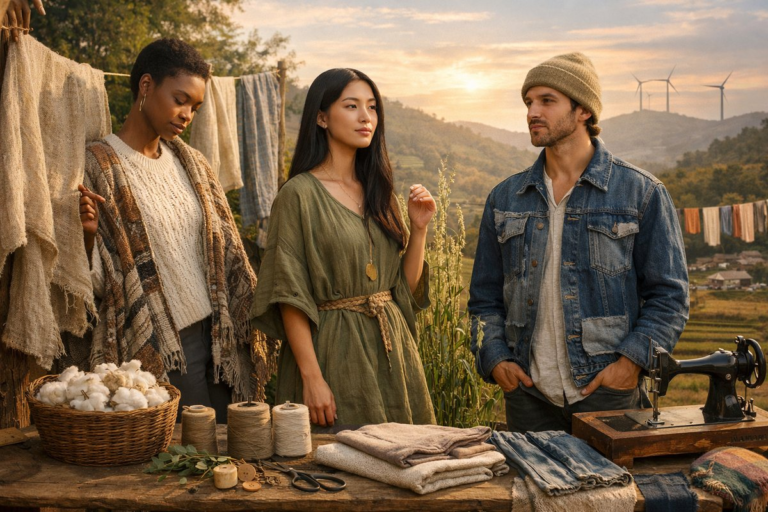
Artisanal craftsmanship is another cornerstone of this movement. Small-scale, community-based production methods honor traditional techniques while reducing the carbon footprint associated with mass manufacturing. Handwoven fabrics, natural dyeing processes using plant extracts, and zero-waste pattern making not only minimize environmental harm but also celebrate cultural heritage and creativity. These pieces become wearable stories, each stitch a testament to human skill and ecological respect.
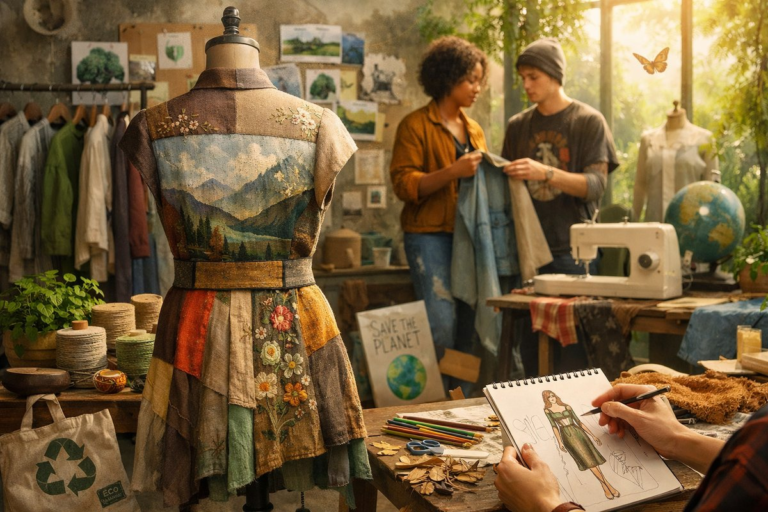
Consumers are no longer passive recipients of fashion but active participants in its narrative. The rise of upcycled fashion-transforming vintage or discarded textiles into fresh, unique designs-exemplifies this shift. Upcycling challenges the notion of waste and invites individuals to reconsider the lifecycle of their wardrobe. It encourages experimentation and personalization, allowing wearers to express their values through distinct, one-of-a-kind pieces that defy fast fashion’s uniformity.
Technology also plays a pivotal role in this sustainable revolution. Digital platforms enable transparent supply chains, allowing customers to trace the origins of their garments and verify ethical practices. Virtual fitting rooms and 3D design tools reduce overproduction and returns, cutting down on waste. Moreover, innovative fibers made from algae, mushroom leather alternatives, and lab-grown textiles are pushing the boundaries of what sustainable fashion can achieve, blending science with style in exciting new ways.
The impact of this conscious approach extends beyond the individual to communities and ecosystems. Ethical labor practices ensure fair wages and safe working conditions, fostering social sustainability alongside environmental stewardship. Meanwhile, regenerative agriculture used in cultivating natural fibers helps restore soil health and biodiversity, creating a positive feedback loop between fashion and nature.
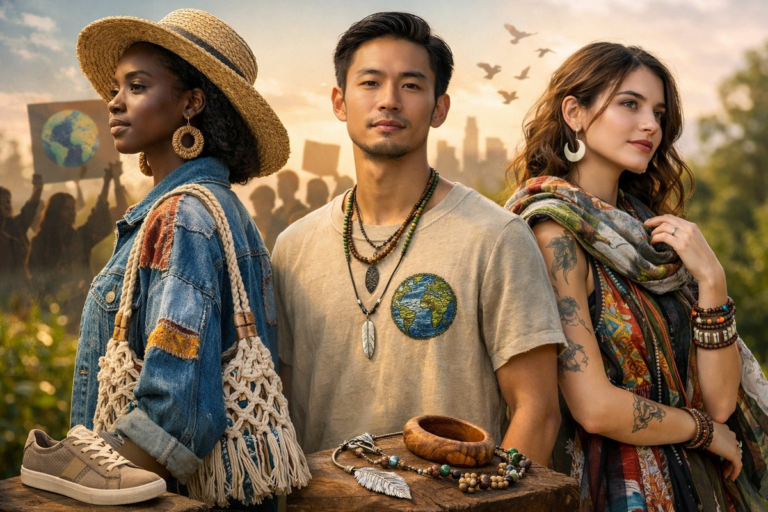
Wearing eco-conscious apparel thus becomes a statement of empathy and responsibility. It signals an alignment with values that prioritize the planet’s well-being and social equity. This alignment resonates deeply with a generation attuned to global challenges and eager to make meaningful choices through everyday actions.
Yet, the journey is ongoing. Challenges remain in scaling sustainable practices, ensuring affordability, and combating greenwashing. Consumers and creators alike must continue to cultivate curiosity and critical thinking, demanding transparency and innovation. By supporting brands that embody genuine sustainability and embracing garments with stories woven into their fabric, the fashion community can drive a lasting transformation.
Ultimately, this movement invites us all to rethink our relationship with clothing-not as disposable trends but as extensions of our identity and values. Each piece worn with intention carries the potential to inspire change, spark conversation, and nurture a more harmonious connection between humanity and the natural world.