Location
Mount Vernon, WA 98274

Location
Mount Vernon, WA 98274
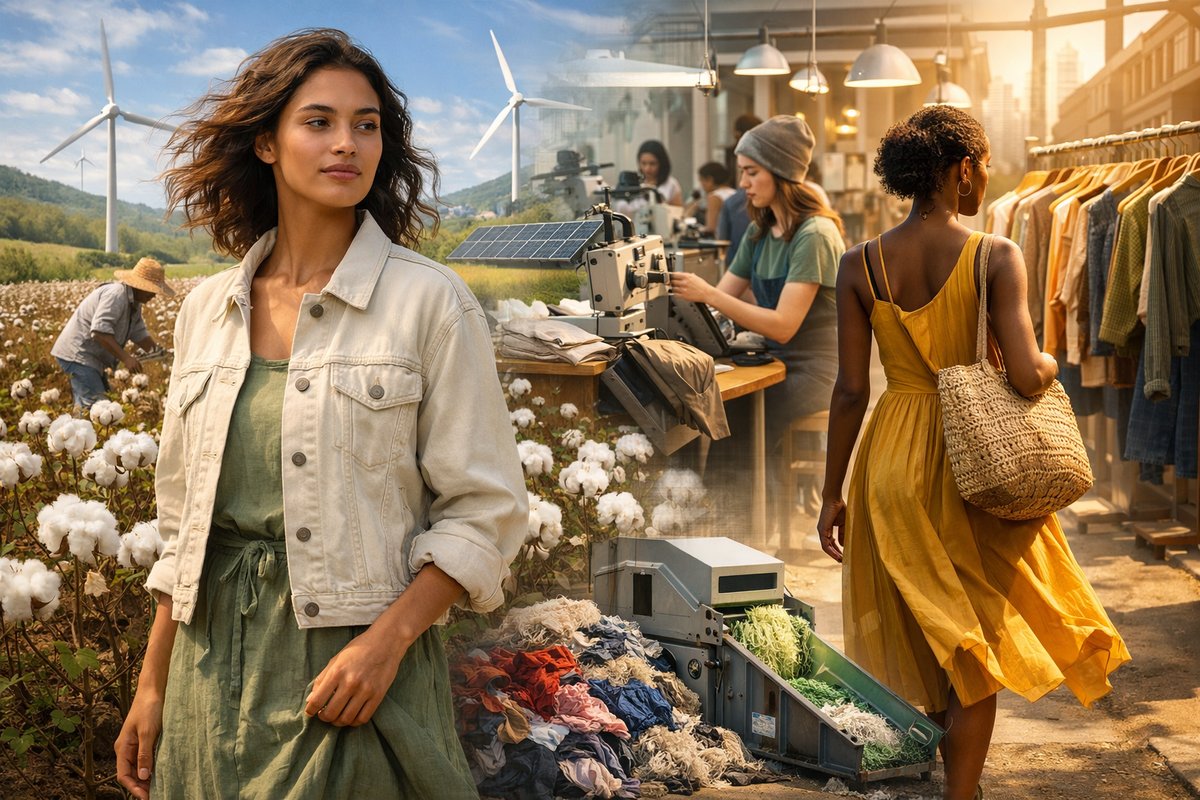
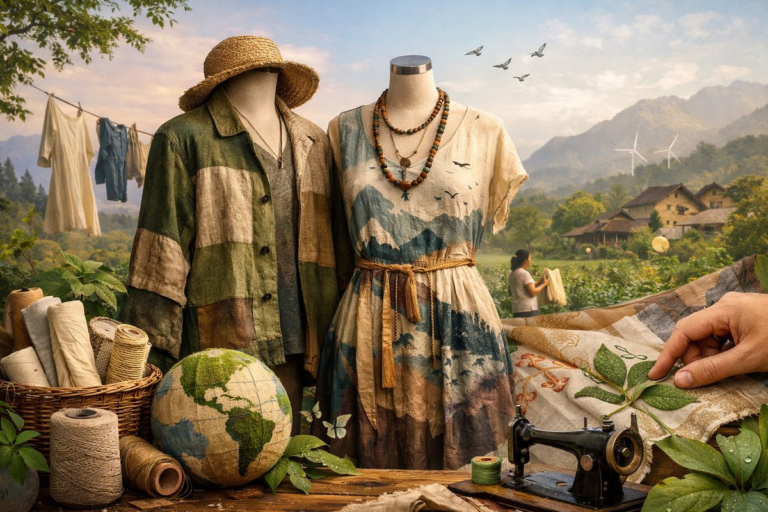
The fashion industry is undergoing a profound transformation as consumers demand more transparency, ethical practices, and meaningful storytelling behind every garment. From regenerative cotton farms to innovative recycling technologies, today's apparel blends style with sustainability, inviting wearers to express values as boldly as their looks.
In recent years, fashion has evolved far beyond fleeting trends and fast consumerism. The modern wardrobe increasingly reflects deeper values-environmental stewardship, social responsibility, and personal authenticity. This shift is not merely a niche movement but a global reimagining of how clothes are made, worn, and understood.
At the heart of this transformation is transparency. Shoppers no longer accept vague claims about “ethical” or “sustainable” without proof. Brands are now opening their supply chains to public scrutiny, showcasing everything from the origin of fibers to the conditions in factories. This traceability builds trust and invites consumers into a collaborative dialogue about the impact of their choices.
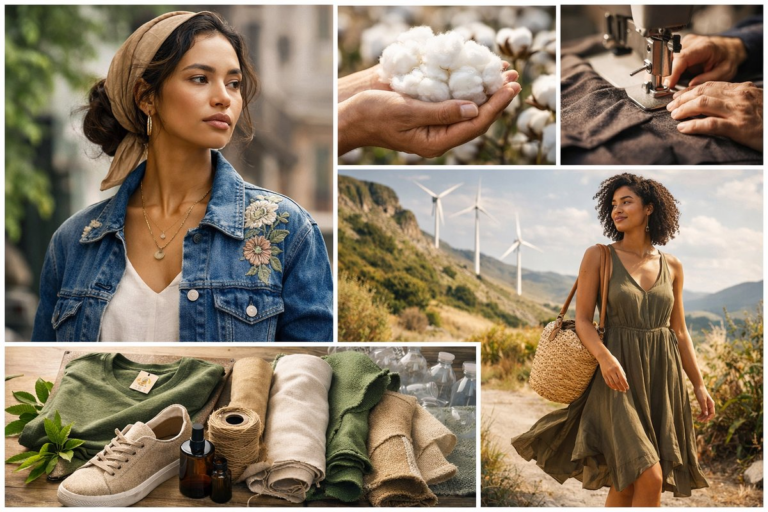
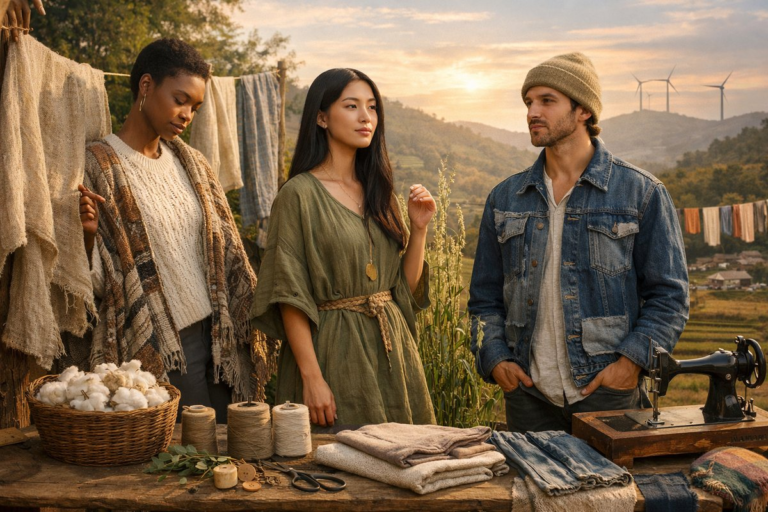
One compelling example lies in the rise of regenerative agriculture for cotton cultivation. Unlike conventional cotton farming, which often depletes soil and consumes vast water resources, regenerative practices prioritize soil health, biodiversity, and carbon sequestration. By partnering with farms committed to these methods, apparel companies can offer garments that not only look good but actively help restore ecosystems.
Material innovation also plays a crucial role. Beyond organic cotton, new fabrics derived from agricultural byproducts, recycled fibers, and even lab-grown textiles are entering the market. These alternatives reduce reliance on virgin resources and minimize waste. For instance, recycled polyester made from plastic bottles transforms environmental pollutants into durable, versatile fabric, closing the loop on plastic waste.
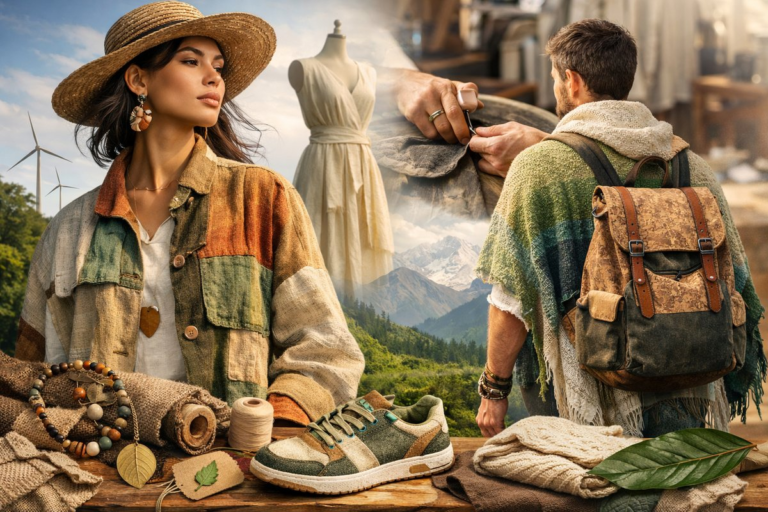
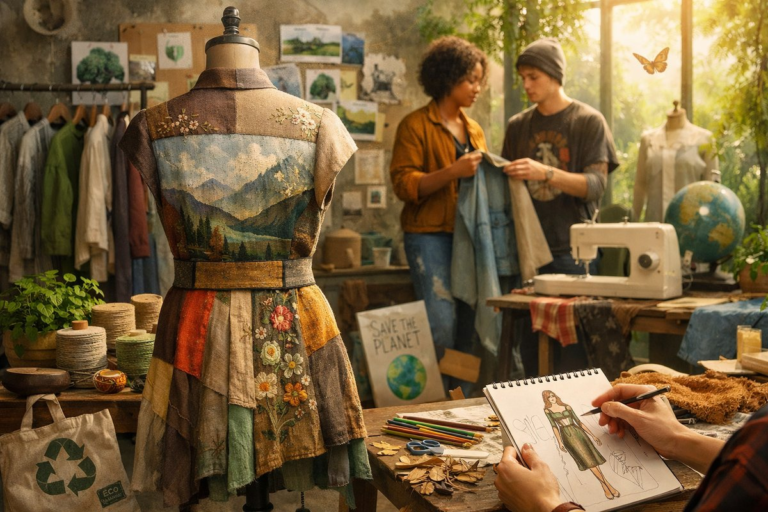
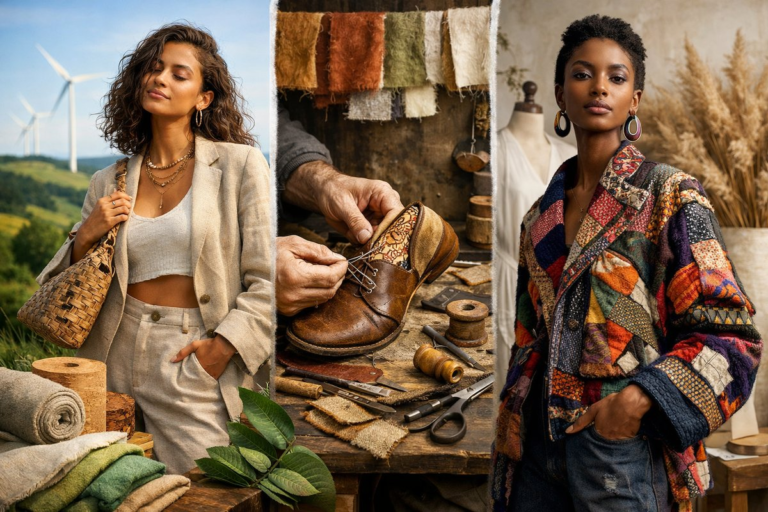
Upcycling and artisanal craftsmanship further enrich this landscape. Designers are increasingly incorporating vintage fabrics, deadstock textiles, and handwoven elements into collections that celebrate heritage and individuality. This approach counters the homogenizing effect of mass production, allowing each piece to tell a unique story and foster emotional connections between wearer and garment.
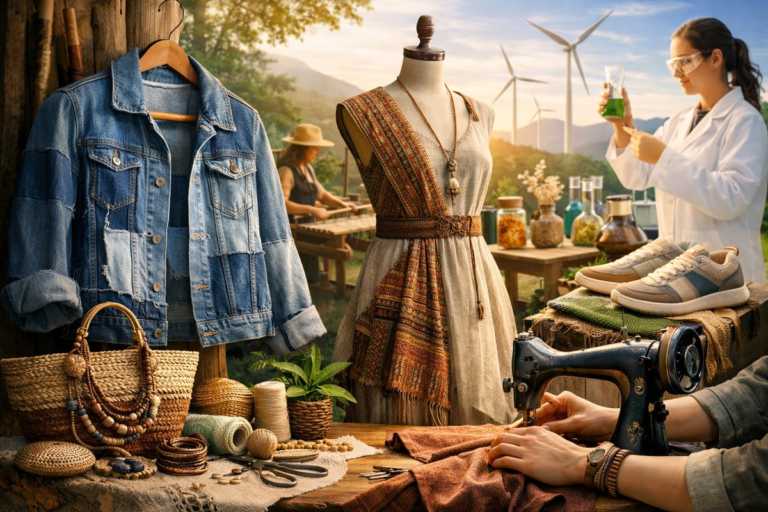
Social impact is another pillar of contemporary fashion ethics. Many brands collaborate directly with artisan communities, ensuring fair wages, safe working conditions, and the preservation of traditional skills. These partnerships empower marginalized groups and contribute to cultural resilience, all while producing exquisite, meaningful apparel.
The consumer’s role has expanded beyond passive purchasing to active participation. Digital tools such as QR codes embedded in clothing labels enable instant access to a product’s journey-from seed to store. This interactive storytelling cultivates mindfulness and encourages thoughtful consumption, which is essential in an industry historically plagued by overproduction and waste.
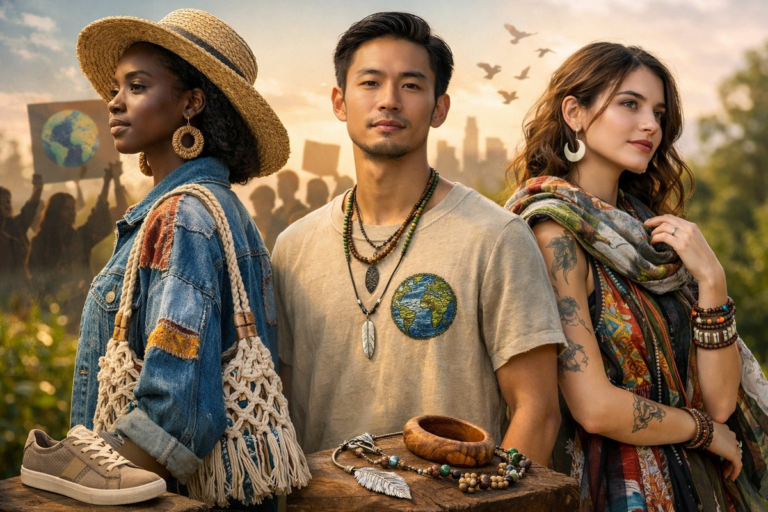
Moreover, the concept of style itself is evolving. Fashion is no longer just about aesthetics but about expression of identity, values, and aspirations. Wearing sustainably sourced, ethically made clothing becomes a form of activism-a visible statement of care for people and planet.
Retail environments are adapting as well, with many stores adopting circular models such as take-back programs, repair services, and rental options. These initiatives extend the life of garments and reduce landfill contributions, aligning economic incentives with ecological imperatives.
Challenges remain, including balancing scalability with authenticity, addressing the carbon footprint of transportation, and ensuring inclusivity across socioeconomic strata. Yet, the momentum is undeniable. Industry leaders, startups, and consumers are collectively redefining what it means to dress well in the 21st century.
In embracing transparency, innovation, and empathy, fashion is weaving a future where every thread carries purpose. This convergence of style and story invites us all to reconsider not just what we wear, but why-and how those choices ripple outward into the world we share.