Location
Mount Vernon, WA 98274

Location
Mount Vernon, WA 98274
A new wave in apparel is redefining how we dress and what our outfits say about us. From regenerated fibers grown without pesticides to striking accessories crafted from reclaimed materials, each garment becomes a personal statement and a catalyzer for change.
The world of fashion is experiencing a pivotal moment. Consumers, designers and retailers are all asking: How can clothing reflect personal values as well as aesthetic preferences? Where once a flashy logo held sway, now the source of a fiber or the story behind a handcrafted accent carries far more weight. In this evolving landscape, sustainable materials and bold accessories are not just trends-they’re shifting the very narrative of what it means to dress well.
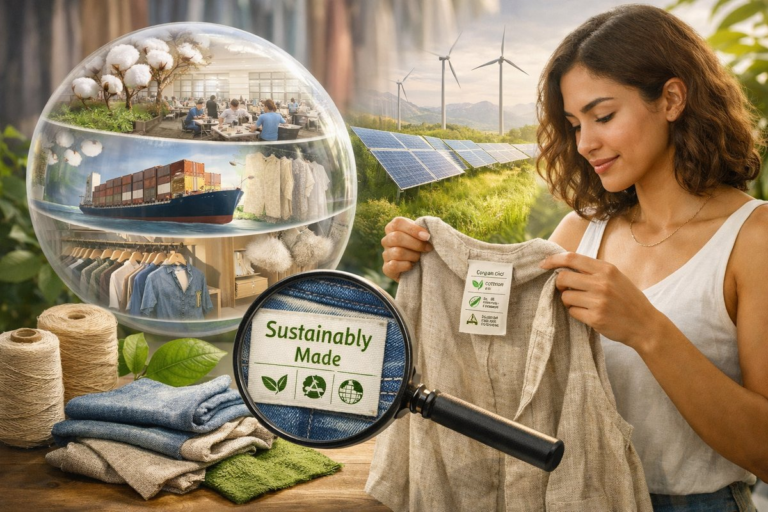
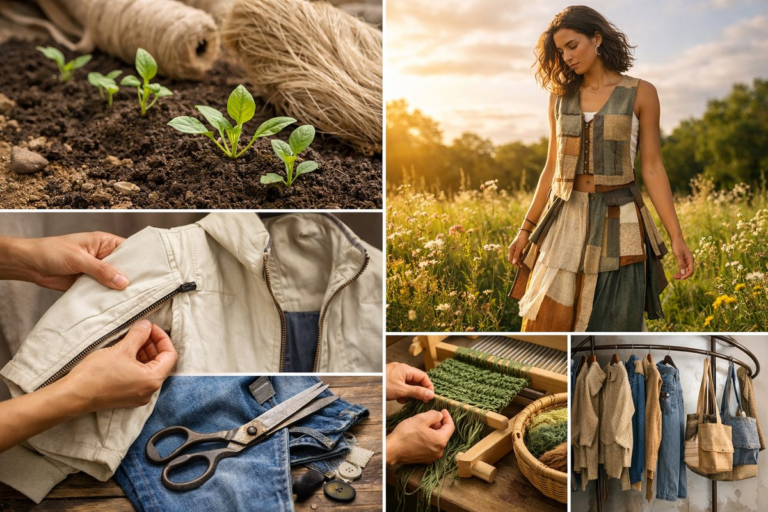
It starts with the fibers. Conventional cotton fields, reliant on heavy pesticide use and vast amounts of water, are giving way to regenerative agriculture practices that rebuild soil fertility rather than strip it. Organic cotton grown without synthetic chemicals is joining forces with innovative cellulosic fibers like Tencel, a fabric derived from sustainably managed forests and manufactured in closed-loop facilities that recapture most of the processing solvents. Even fruit byproducts are making their way into our wardrobes: pineapple leaf fibers are being transformed into cruelty-free “leather,” while apple pomace finds new life as a supple, plant-based alternative to animal hides.
Beyond the farm and forest, the manufacturing stage is getting a makeover, too. Textile mills are adopting zero-waste pattern techniques that arrange cutting layouts to use every last scrap of fabric. Deadstock initiatives rescue leftover cloth from larger fashion houses, repurposing them into limited-edition runs of shirts, trousers or scarves. And digital printing technologies are minimizing water use and chemical runoff by applying inks directly to textiles, sidestepping the multi-stage dye baths that once polluted waterways.
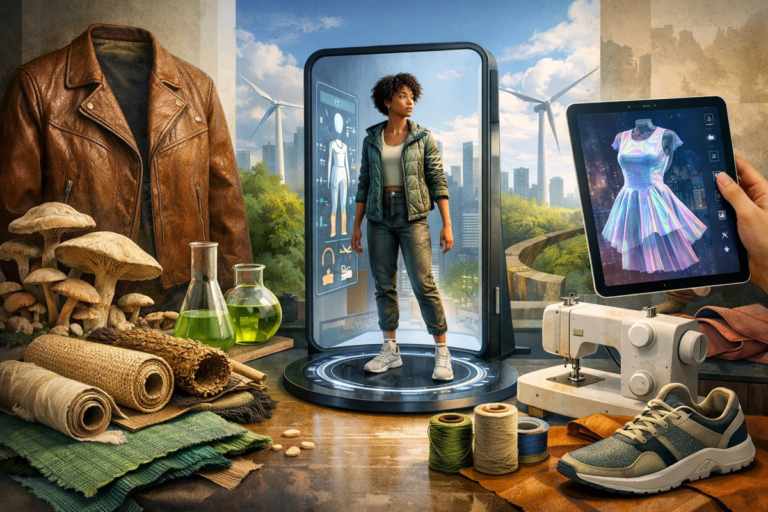
Technology also offers transparency. Blockchain systems can trace a garment’s journey from raw material to retail rack, recording each transaction on an immutable ledger. Shoppers can scan a QR code on a label and verify certifications, see the names of the farms, review labor standards and confirm that wastewater treatment thresholds were met. When built around open-source protocols, these systems invite third-party audits and empower independent watchdogs to flag inconsistencies, making greenwashing more difficult than ever.
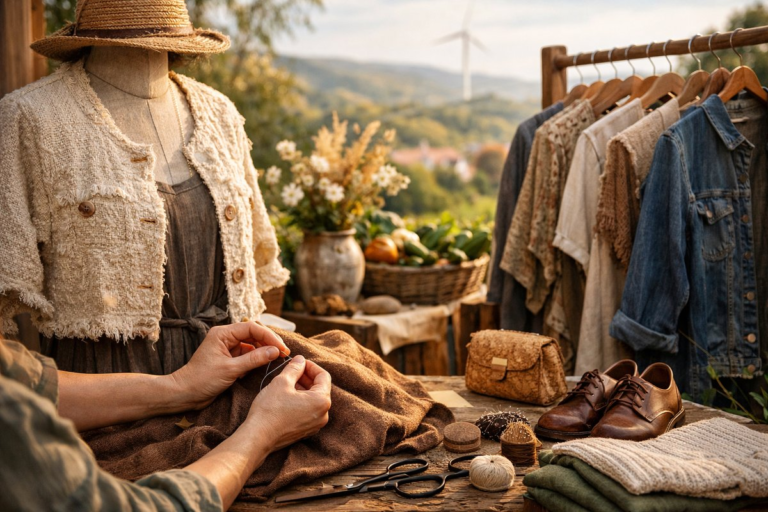
The move toward circularity extends beyond production. Clothing rental platforms give consumers access to high-end pieces for special events without the environmental cost of a one-time purchase. Secondhand marketplaces encourage the resale of preloved garments, keeping them out of landfills for longer and democratizing access to vintage and designer styles. Repair cafes and mending kits foster a culture of care, where broken seams or missing buttons become opportunities for personalization rather than reasons to discard.
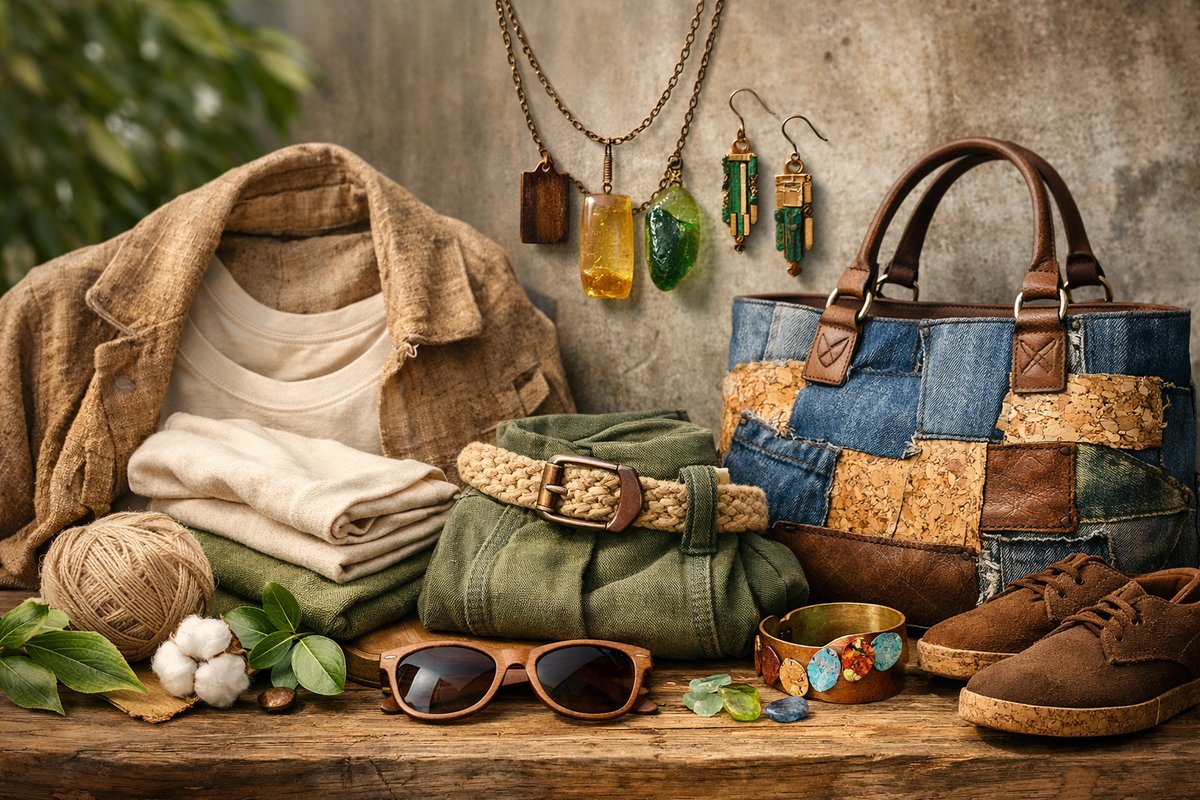
Against this backdrop of sustainability, accessories have taken on new importance. A minimalist ensemble of neutral-tone basics gains personality through a bold necklace cast from reclaimed metal or a belt woven from recycled plastic bottles. Artisanal accents-hand-dyed scarves in handwoven silk, rings carved from recycled sterling silver or earrings fashioned from upcycled ocean debris-offer narrative hooks that encourage conversation. Each piece carries the fingerprint of craftsmanship and the weight of its ethical journey, transforming accessories into wearable storytelling.
3D printing is a surprising ally in this realm. By layering recycled polymers or bioplastics, designers can produce lightweight, intricate jewelry that would be impossible with traditional casting methods. Custom on-demand production cuts out the waste associated with mass runs, while open-source design libraries allow independent creators to remix and share forms freely, accelerating a decentralized fashion revolution.
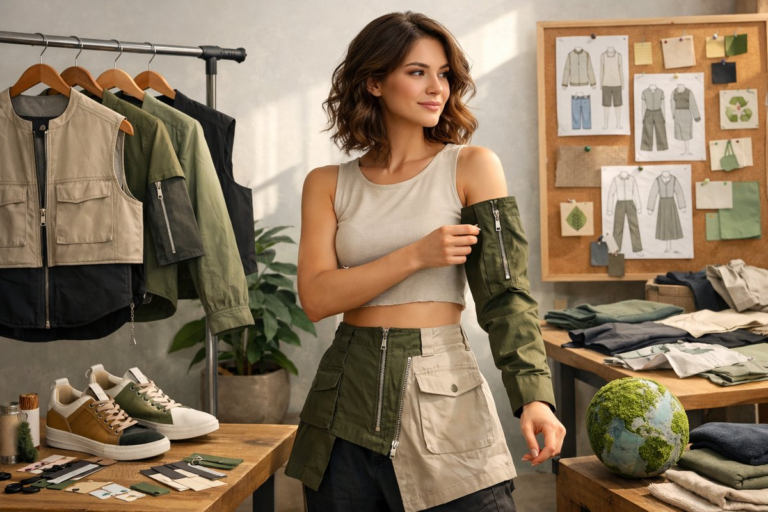
Of course, bringing these innovations into everyday wardrobes requires thoughtful styling. A pair of trousers made from recycled polyester stands out most when paired with a soft organic cotton T-shirt in a muted hue. Elevate that foundation with a sculptural accessory-a ring or cuff bracelet that showcases a geometric, 3D-printed design. Introduce a handwoven scarf in bamboo fiber for an extra layer of texture and color, then finish with a cork or vegan leather wallet that slips effortlessly into a recycled canvas tote.
Beyond the aesthetic payoff, these choices foster a deeper sense of connection. When we know that a garment’s dye house treats wastewater responsibly or that a piece of jewelry was cast using solar-powered equipment, every wear becomes a reminder of personal values and collective progress. Conversation starters emerge naturally: a coworker might ask about the unusual texture of a jacket reclaimed from deadstock fabric, or a friend may compliment the bold lines of an upcycled metal necklace. Those interactions reinforce our commitment and inspire others to ask questions and seek alternatives.
Retailers, too, are responding. Brick-and-mortar stores are hosting workshops on garment repair, fabric identification and sustainable styling. Digital platforms offer augmented-reality try-ons that educate shoppers on the energy footprint of different fabric choices. Loyalty programs reward customers for returning old garments for recycling or choosing slow-fashion brands over fast-fashion impulse buys.
But authenticity is paramount. A handful of high-profile scandals has shown that simply slapping an eco-friendly label on a garment without substantive proof invites swift consumer backlash. That’s why certifications from independent bodies-covering organic cultivation, chemical management, fair labor practices and carbon neutrality-are more important than ever. Shoppers should look for multi-tiered verification, transparent sourcing documents and tangible evidence of community impact.
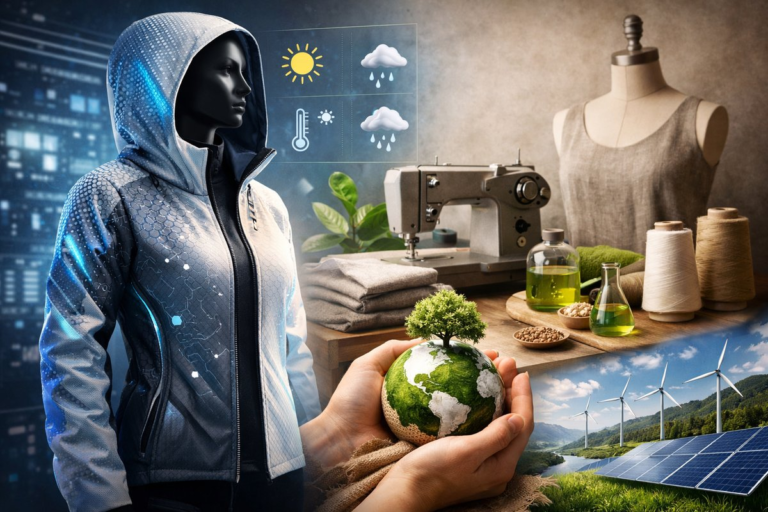
The intersection of sustainability and style is expanding into new frontiers, too. Scientists are developing lab-grown fabrics that mimic silk and cashmere without the environmental strain of animal farming. Pioneering researchers are exploring bacterial cellulose grown in bioreactors, which could one day yield a new generation of vegan leather. And designers are experimenting with living textiles-dyes derived from bacteria that change color with temperature or humidity, creating garments that shift with the wearer’s environment.
Meanwhile, community-driven micro-factories are cropping up in city centers, reducing shipping distances by bringing production closer to consumers. Localized loops for fabric recycling and garment alteration encourage collaboration between tailors, makers and customers, fostering a sense of shared ownership. Pop-up marketplaces celebrate these initiatives, showcasing one-off creations that blend art, activism and apparel.
For the consumer, the takeaway is clear: every item in a wardrobe can be an act of self-expression and a declaration of values. Sustainable basics provide the canvas, while bold accessories add the brushstrokes that bring a personal narrative into focus. As the fashion ecosystem shifts toward circularity and transparency, each purchase, rental or repair becomes a vote for the world we want to wear.
With every passing season, the definitions of luxury and elegance are being rewritten. Luxury is no longer just about rare materials or intricate embellishment-it’s about trust in supply chains, respect for the planet and pride in craftsmanship. Elegance isn’t solely about silhouette or sheen but about the subtle resonance of a garment’s backstory and the confidence that comes from wearing something with purpose.
This transformation is just beginning. As more brands and consumers align their wardrobes with their ethos, the runway extends beyond glossy fashion magazines and celebrity endorsements. Street style becomes a global conversation about stewardship and identity, and every outfit tells a chapter in the story of our collective future.
Whether you’re building a capsule wardrobe from certified organic basics, experimenting with statement accents crafted from reclaimed materials or investing in on-demand 3D-printed jewelry, remember that style is more than surface beauty. It’s a medium for connection, authenticity and positive impact. In this new era, dressing well means dressing with intention-and each stitch, fiber and accessory invites us to wear our values with pride.