Location
Mount Vernon, WA 98274

Location
Mount Vernon, WA 98274

From aroma-mapping sensors to app-driven induction cooktops, a new generation of kitchen gadgets is transforming everyday cooking into an immersive, data-driven adventure. These devices blend sustainability, emotional intelligence, and hands-on experimentation to help curious cooks unlock deeper layers of taste while respecting privacy and minimizing waste.
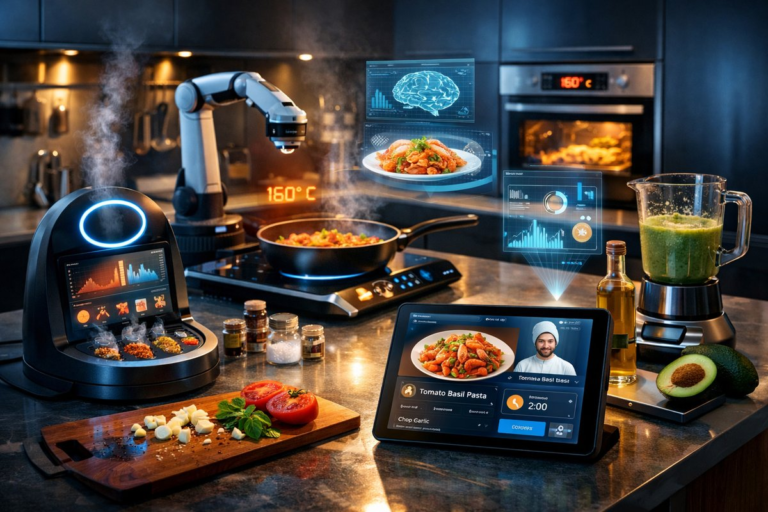
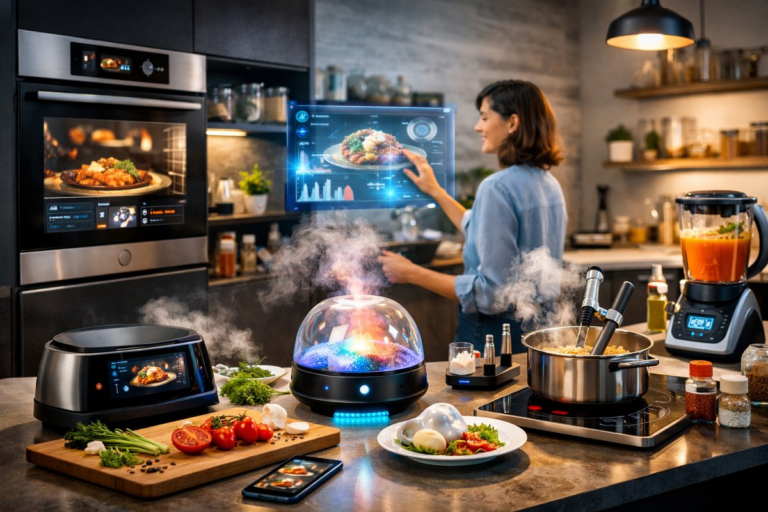
Walking into a home kitchen used to mean encountering pots, pans, and handwritten recipe cards, but today that same space can be a laboratory full of sensors, algorithms, and real-time feedback loops. Experimental kitchen technology is shifting the cooking experience away from rote measurements toward a richer dialogue between chef and machine. Instead of guessing whether a sauce needs a minute more on the stove, cooks are watching live graphs of volatile compounds, logging precise heat curves, and receiving gentle voice prompts to stir or adjust. This convergence of data science and cooking ritual turns each meal into a journey of discovery rather than a test of luck.
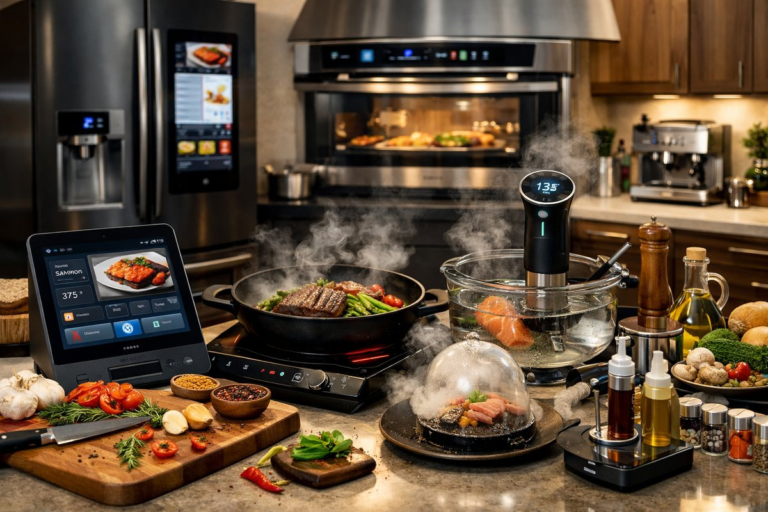
At the heart of this revolution is the integration of digital kitchen scales with smartphone apps and recipe platforms. Far from being simple weight readers, these scales now track ingredient ratios in real time, syncing measurements with cloud databases to suggest dynamic adjustments. Imagine adding a scant teaspoon of spice and seeing the flavor profile shift on your phone, along with a suggestion to reduce liquid by a milliliter or lengthen cooking time by ten seconds for optimal consistency. This feedback loop elevates novice cooks and seasoned home chefs alike, allowing them to experiment safely and build intuitive understanding of how tiny changes ripple through texture and taste.
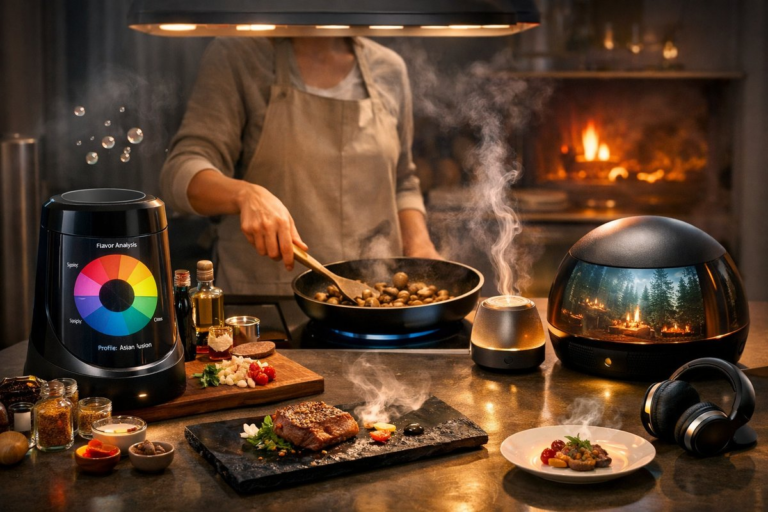
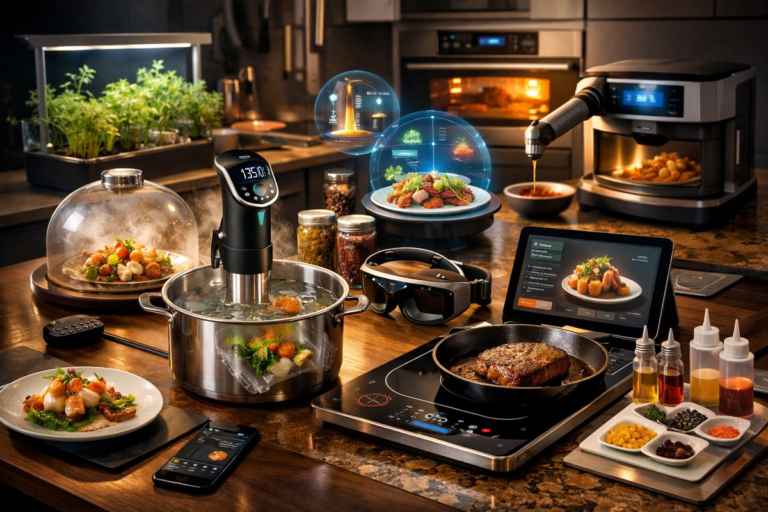
Flavor mapping through aroma sensors offers another layer of insight. Small handheld devices can now sample the air above a searing steak or simmering broth, detecting signature volatile molecules that indicate caramelization, fermentation, or fat breakdown. These sensors translate chemical readings into simple indicators-green for balanced Maillard reaction, amber for early smoke, red for overcooked bitterness-so cooks can make real-time corrections. By quantifying what was once purely sensory, this technology encourages experimentation with unfamiliar ingredients while lowering the risk of ruin.
Meanwhile, smart fermentation jars equipped with temperature, humidity, and CO2 sensors are ushering in a renaissance of homemade kimchi, yogurt, and sourdough starters. These connected vessels log environmental data around the clock, alerting users when cultures hit their ideal pH or when brine concentration dips below a safe threshold. With a companion app, fermenters can track multiple batches across different flavors, revisit past successes with precise replication, and troubleshoot fizzling projects by pinpointing environmental missteps. This blend of ancient craft and modern monitoring invites cooks to develop a deeper relationship with the microbial world.
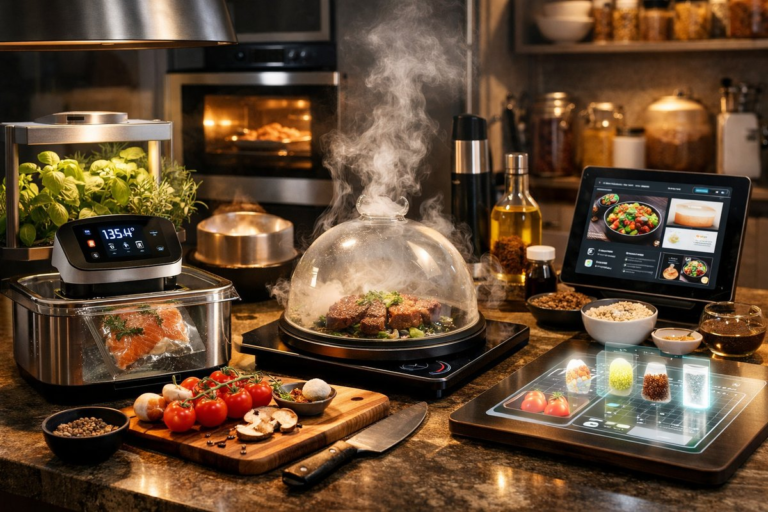
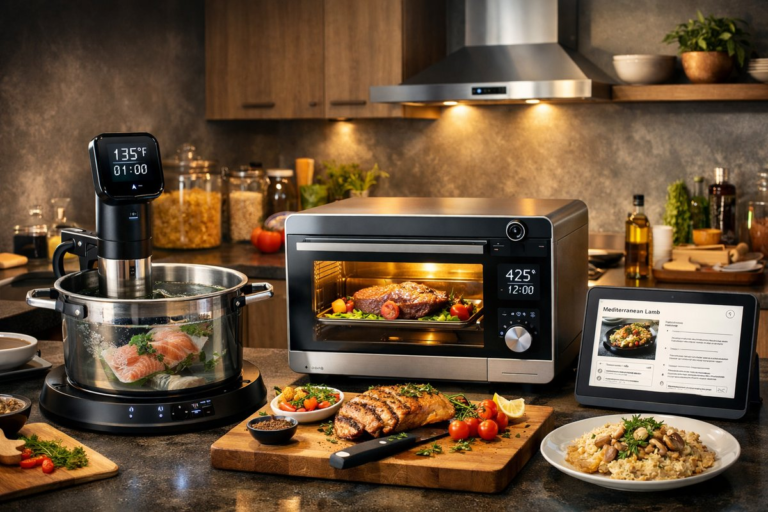
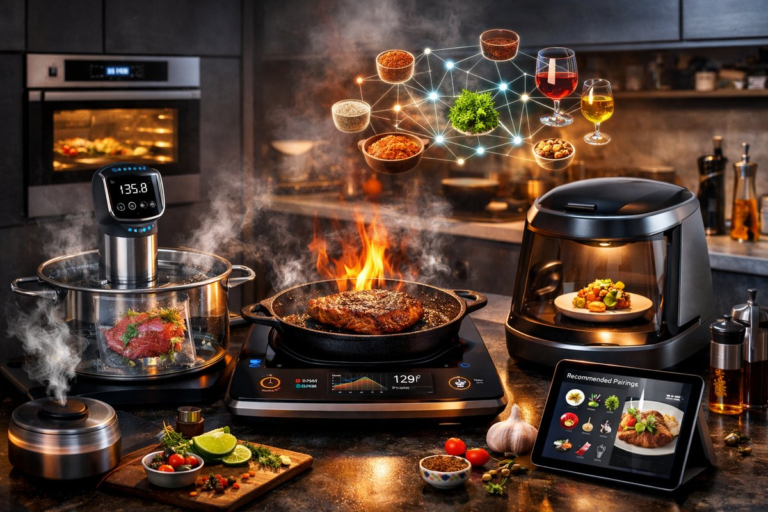
Energy-efficient induction cooktops have also gained smart features that extend beyond simple temperature control. New panels include built-in power meters that record how much electricity each burner consumes, displaying usage trends and cost estimates. Some models even harvest residual heat from cooling fans or cookware surfaces to preheat adjacent zones, reducing overall energy drain. By coupling sustainability with precision, these induction surfaces help cooks align their culinary experiments with household budgets and environmental goals. Users can see exactly how running a long sous-vide session compares to firing up an oven or a gas range.
Adding emotional intelligence to the hardware, several cooking platforms now include voice-activated assistants tuned for the kitchen environment. These assistants can recognize stress in a user’s tone, offering calming encouragement when a recipe goes sideways or suggesting simple comfort food when time is tight. Beyond mere timers and measurement conversions, they engage in friendly banter, recommend playlist pairings for a mellow sauce simmer or an upbeat stir-fry session, and even nudge users toward hydration and brief stretch breaks during long prep routines. By treating cooking as a holistic activity, these interfaces foster playfulness and reduce anxiety around complex dishes.
Privacy-minded cooks will welcome the shift toward local AI processing on these devices, which minimizes cloud data transfers. As concerns grow over recipe data being mined for commercial profiling or ingredient trends being sold to marketers, some startups are offering fully edge-based software. Recipe suggestions, flavor predictions, and performance logs are stored in encrypted local memory rather than in faraway servers. That approach resonates with users who want to preserve their unique flavor combinations and kitchen experiments as private creative output, rather than as fodder for algorithmic commercialization.
Yet adoption isn’t without challenges. The up-front cost of specialized sensors and smart cookware can be daunting for many home cooks, and the learning curve for interpreting chemical readings or energy curves may feel like trading one form of kitchen anxiety for another. Many early adopters report setting aside devices after initial enthusiasm, returning to tried-and-true methods. To overcome this, manufacturers are designing modular upgrades that let cooks add one piece at a time-starting with a single burner sensor or a voice-guided chopping board-so the integration feels more like gradual skill-building than wholesale overhaul.
Looking ahead, researchers are exploring bioenrichment modules that infuse dishes with vitamin compounds on demand and networked pantry systems that track ingredient freshness via RFID and optical sensors. Imagine a countertop device that suggests recipes based on the aromatic fingerprints of vegetables stored within, or a flavor AI that generates custom spice blends to pair perfectly with leftovers. These speculative innovations carry a clear throughline from today’s aroma scanners and smart fermentation jars, illustrating how kitchen tech will continue to blur boundaries between science, sustainability, and sensory delight.
As cooks embrace these emerging tools, they reshape the kitchen from a static stage into a dynamic playground of data, discovery, and delight. Whether capturing the subtlest scent of browning butter or logging the energy footprint of a midday stir-fry, tomorrow’s home chefs will have unprecedented insight into the art and science of flavor. In this world of sensors and steam, meals become moments of exploration-inviting everyone to cook with greater curiosity, confidence, and care.