Location
Mount Vernon, WA 98274

Location
Mount Vernon, WA 98274
From sensor-packed prep surfaces to AI-driven recipe assistants, the world of kitchen technology is evolving faster than ever. Discover how these breakthroughs are reshaping home cooking, ingredient rituals, and sustainable practices in the modern culinary landscape.
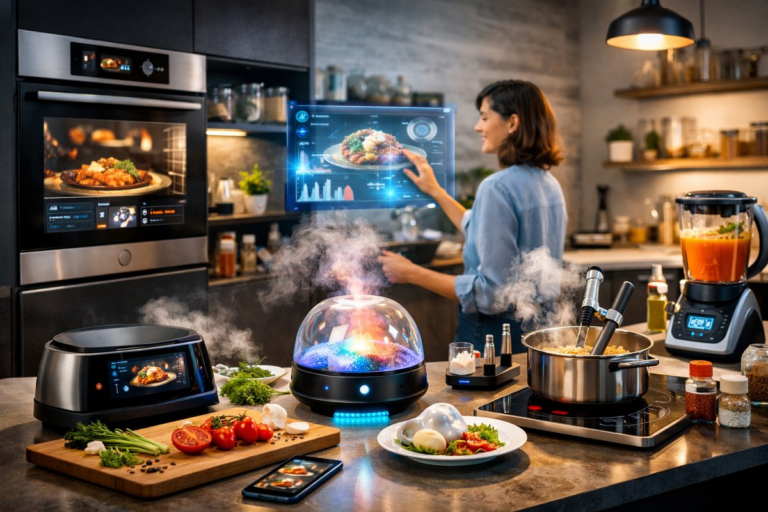
When technology leaders and emerging startups converged at CES this January, the usual lineup of TVs and wearables made way for a suite of next-generation kitchen tools that promise to transform every meal into an immersive experience. Among the buzz were sensor-infused countertops that track chopping speed and pressure, robotic prep arms capable of whisking and slicing on demand, and app-connected fermentation chambers designed to cater to both novice picklers and gourmet enthusiasts.
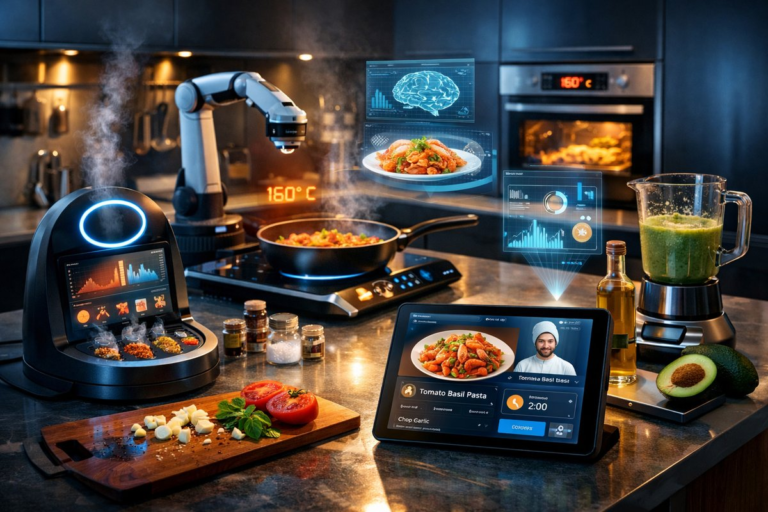
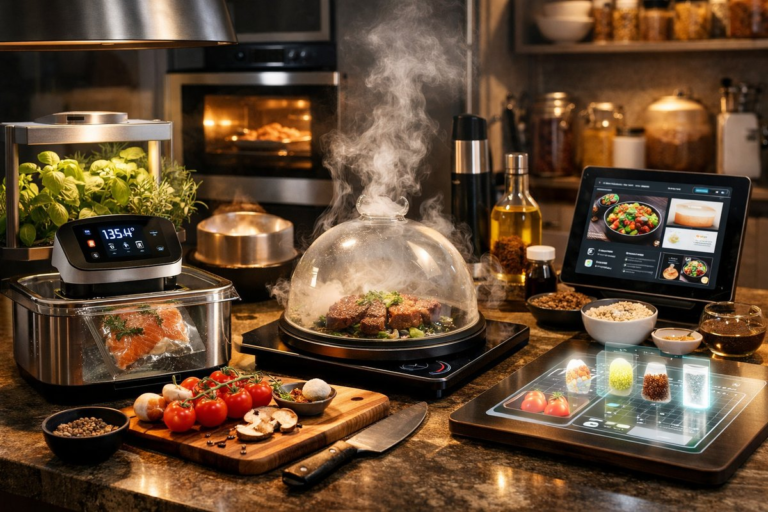
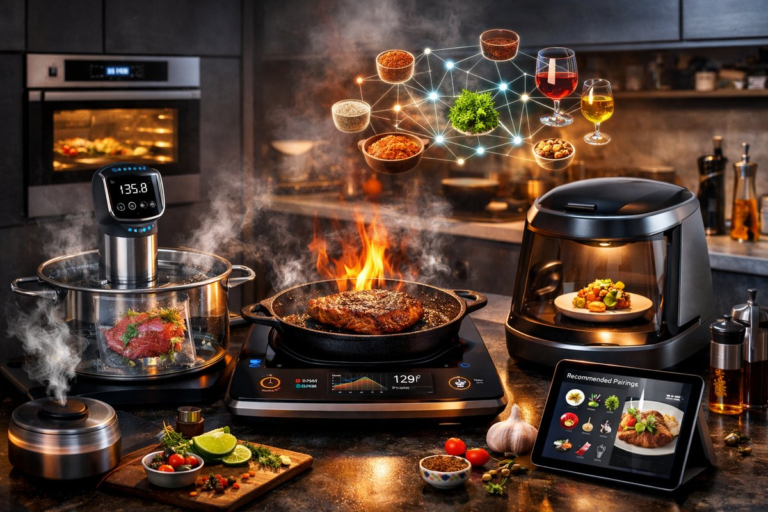
Sensor-driven cooking platforms are taking center stage in home kitchens. These smart surfaces use pressure-sensitive grids and infrared imaging to monitor ingredient placement and heat distribution in real time. Aspiring chefs can receive haptic feedback through compatible utensils, while built-in cameras capture each step to auto-generate detailed cooking logs. Beyond convenience, these platforms aim to demystify professional techniques-guiding users through the precise timing and motions that elevate a simple stir-fry into a restaurant-quality dish.
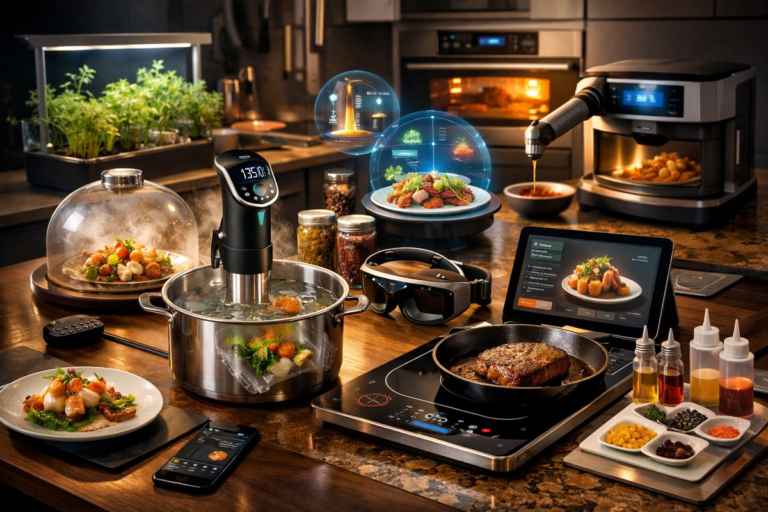
Meanwhile, robotic prep arms have stepped out of industrial plants and into residential spaces. Mounted on multipurpose bases, these compact machines can dice vegetables, whisk eggs, and knead dough with programmable precision. AI-powered vision systems identify each ingredient’s shape and color, adjusting blade speed to match. Early adopters laud their reliability for repetitive tasks, reducing fatigue and freeing home cooks to focus on seasonings and plating.
Modular ingredient management is another emerging frontier. Smart spice racks equipped with RFID-tagged jars instantly recognize contents and quantities, syncing with recipe apps to suggest replenishment orders or alternative seasoning combinations. Magnetic rail systems allow rapid rearrangement of jars, while built-in LED indicators guide users through step-by-step spice layering during complex preparations like biryanis and mole sauces.
Fermentation lovers have also found new playthings in automated enzyme-monitoring crocks. These sealed vessels regulate temperature, humidity, and airflow based on real-time acidity readings, ensuring consistent batches of kimchi, kombucha, or sourdough starters. Connected via Bluetooth, they deliver mobile alerts when desired pH levels are reached-eliminating the guesswork that often intimidates first-time fermenters.
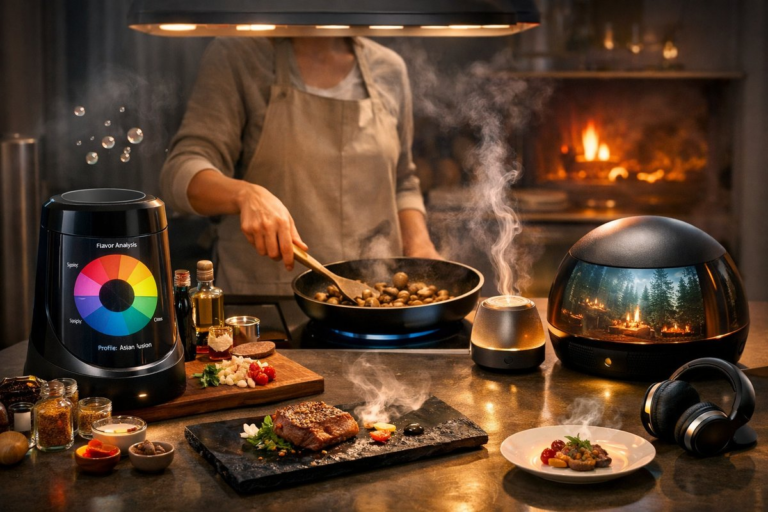
Voice-activated assistants have quietly expanded their kitchen skill sets beyond timers and grocery lists. New integrations enable hands-free recipe walkthroughs, dynamic measurement conversions based on ingredient weight, and even ambient lighting adjustments that shift color to indicate different cooking stages. Imagine your countertop lights glowing warm amber when meats reach sear temperature or pulsing cool blue when vegetable steam is ready to be released.
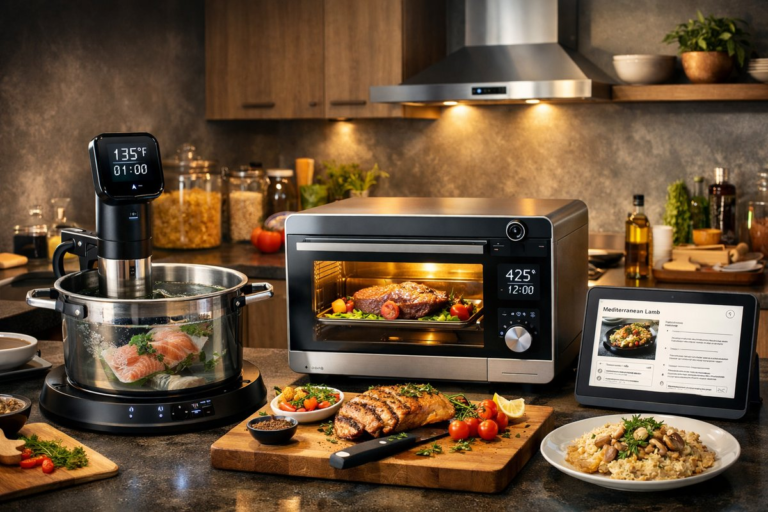
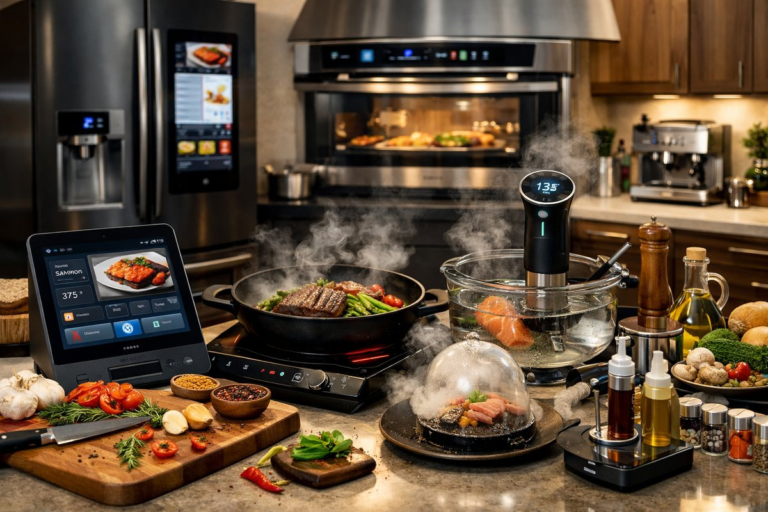
On the software side, data-driven recipe platforms are gaining traction. These apps mine user feedback, pantry inventories, and nutritional goals to generate tailored meal plans and shopping lists. Machine learning models analyze patterns-such as frequent requests for gluten-free options or low-sodium profiles-and refine suggestions over time, fostering a more personal culinary dialogue between cook and code.
Yet amid all this automation, a renewed emphasis on mindful cooking rituals is emerging. Tech designers are collaborating with chefs and food psychologists to craft experiences that invite slower, sensory engagement. One demo combined aroma diffusers with projection mapping to evoke garden scenes while users kneaded dough, encouraging a multisensory connection that traditional timers can’t replicate.
Sustainability and privacy considerations are also part of the conversation. Energy-efficient induction surfaces and insulated vessels reduce waste, while closed-network architectures keep recipe data and kitchen video feeds confined to local hubs. Developers stress the importance of open-source protocols to prevent vendor lock-in, allowing owners to retrofit new modules without sacrificing control over personal cooking data.
Interoperability remains a hurdle: different devices often speak proprietary languages, forcing cooks to juggle multiple apps and hubs. Industry consortia are now exploring universal standards for food-focused IoT, hoping to create seamless ecosystems where a single dashboard can manage spice levels, roasting profiles, and fermentation cycles across brands.
Looking ahead, the intersection of culinary art and cutting-edge tech points toward a future where creativity and convenience coexist. As more home cooks embrace both analog traditions and digital enhancements, kitchens may evolve into hybrid studios-spaces defined as much by code libraries and sensor arrays as by mortar and pestle. Whether you’re an enthusiast eager to automate repetitive tasks or an experimental cook craving new sensory dimensions, the latest wave of kitchen innovations offers tools to personalize every flavor adventure.