Location
Mount Vernon, WA 98274

Location
Mount Vernon, WA 98274
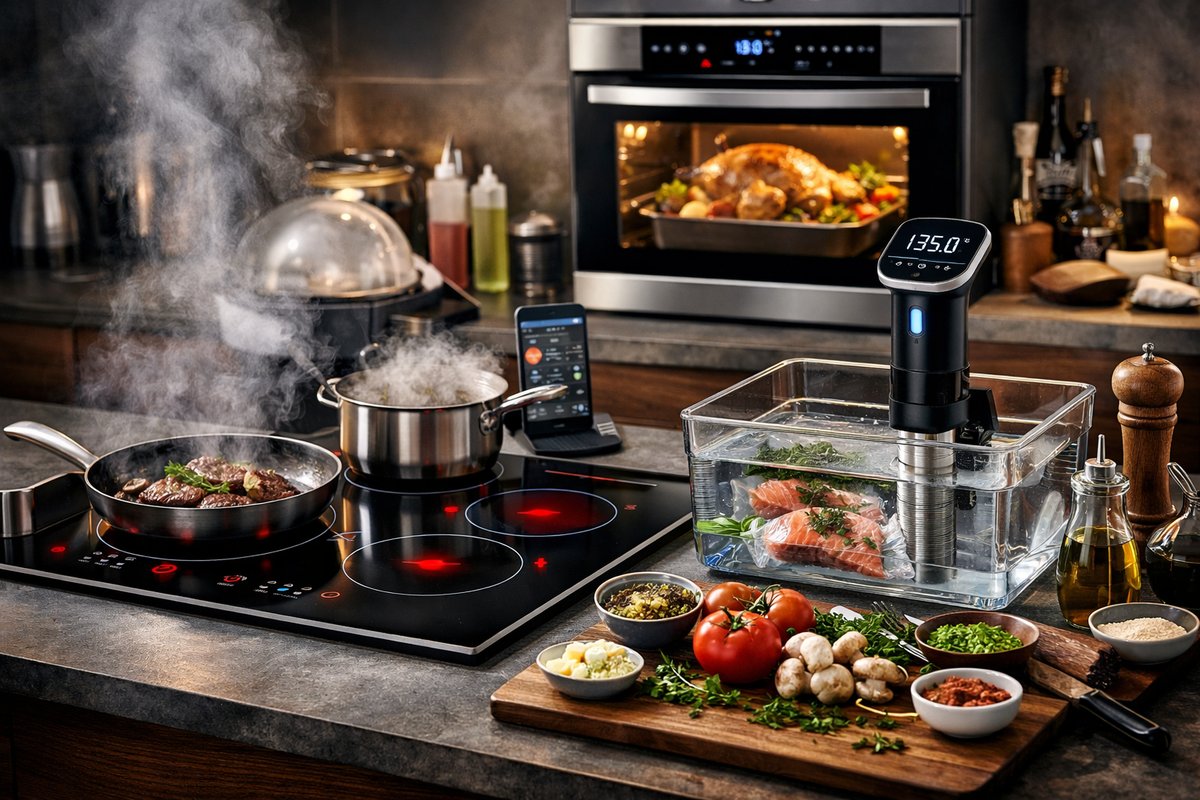
From multi-zone induction cooktops to IoT-connected ovens and precision sous vide immersion circulators, the kitchen is transforming into a space of experimentation. Explore how new tools, rituals, and ingredients are elevating home cooking into an interactive adventure.
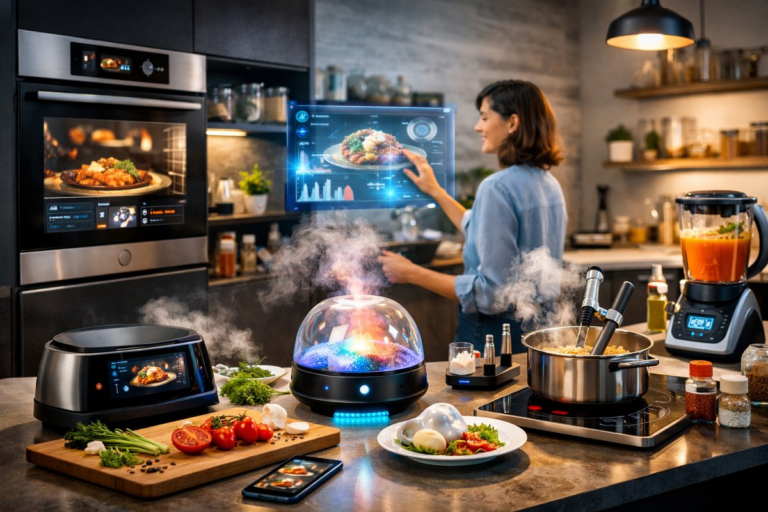
In neighborhoods from coastal towns to urban high-rises, a quiet revolution is unfolding on stovetops and countertops. Chefs and home cooks alike are embracing a new generation of kitchen technologies designed not just to speed up meal prep, but to open portals to entirely fresh flavor experiences. Precision temperature control meets data-driven recipes, while time-honored fermentation rituals gain digital monitoring. This isn’t a sci-fi set, but rather the modern kitchen-where gadgets and gourmet curiosity collide to transform everyday cooking into a laboratory of taste.
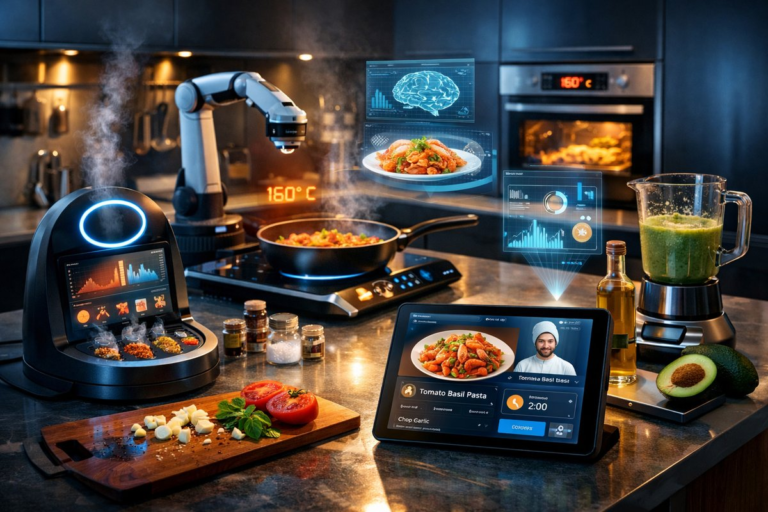
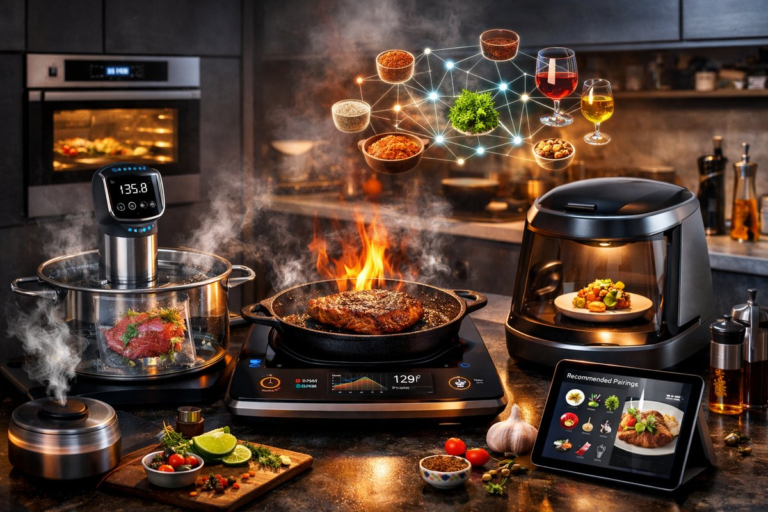
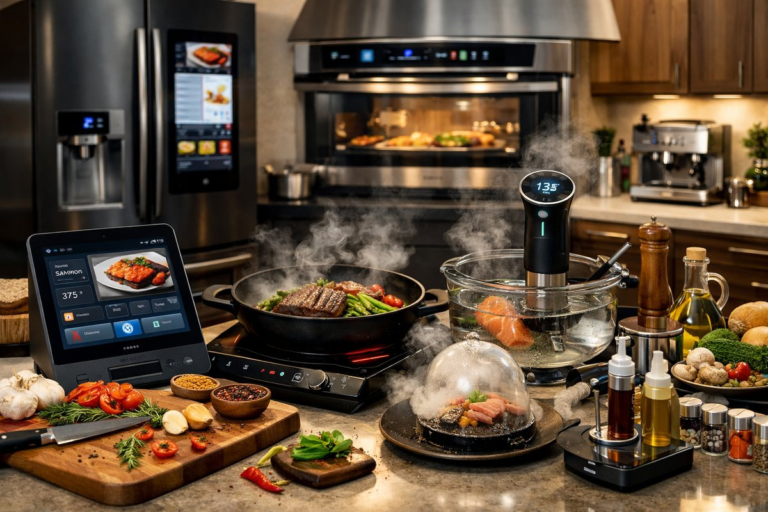
Take the rise of multi-zone induction cooktops. These sleek surfaces allow precise heat management across separate cooking areas, letting a simmering sauce, searing steak, and gentle poach happen simultaneously without guesswork. Built-in sensors detect pan placement and automatically adjust power levels, removing the chore of manual burner dials. In a recent test kitchen in Brooklyn, enthusiastic home cooks reported trimming 20 percent off active cooking time by juggling pots with digital precision-no more scorching or undercooking during busy dinners.
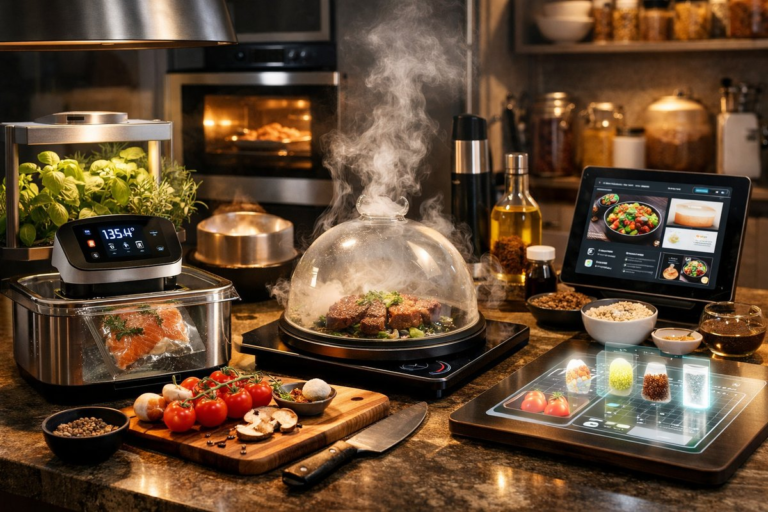
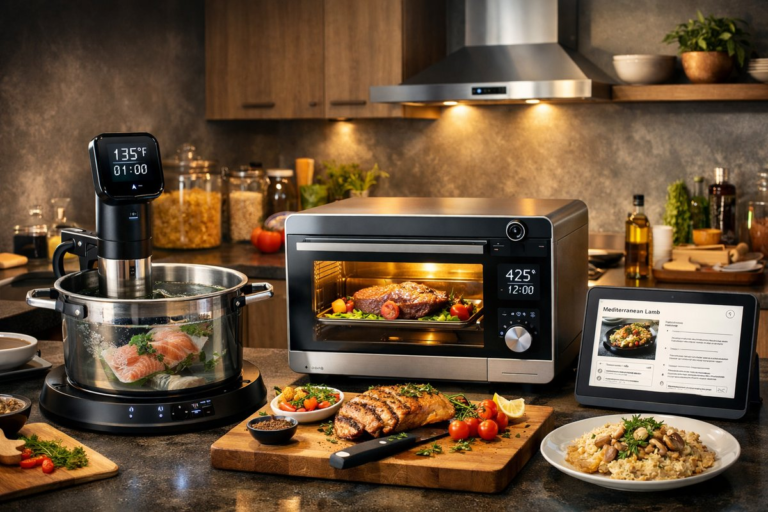
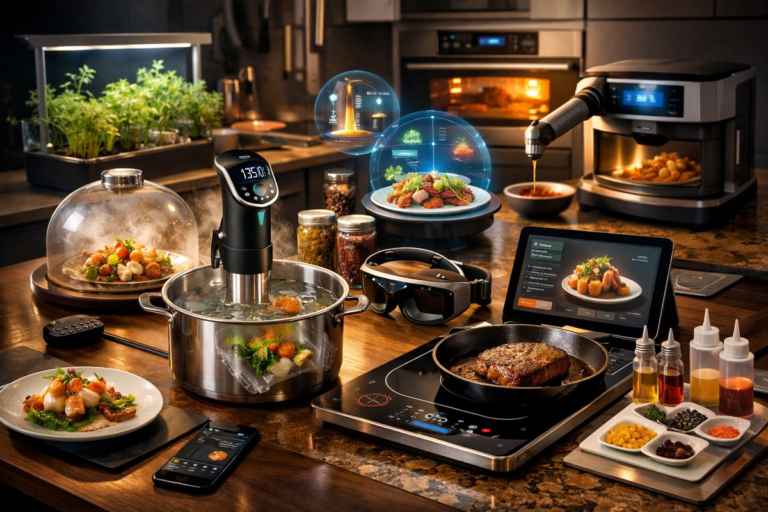
Sous vide immersion circulators have also escaped the confines of professional test kitchens. Once the domain of Michelin-starred restaurants, these water-bath tools maintain target temperatures to within a fraction of a degree. That level of control yields perfectly cooked proteins with edge-to-edge doneness, but many enthusiasts are discovering creative additions: infusing citrus steam into shellfish, or slow-braising vegetables until they retain shape yet absorb essence. The playful ritual of sealing ingredients in vacuum-pouch baths has become a weekend meditation for food lovers seeking consistent results.
Meanwhile, smart ovens with integrated cameras and recipe-streaming apps promise to democratize chef-level baking and roasting. Imagine preheating an oven with a voice command and watching your sourdough rise in real time via smartphone. Ambient-light sensors and AI-guided cooking modes can detect browning levels, nudging users when to rotate pans or reduce heat. The result: fewer ruined roasts and more confidence to attempt ambitious pastries. Early adopters report newfound joy in tackling laminated dough and layered tarts without fear of collapse.
Yet not every innovation needs to draw power. Fermentation vessels equipped with wireless temperature and pH monitors marry ancient food-preservation techniques with modern data visualization. Homebrewers, kimchi aficionados, and sourdough devotees now chart their jars through intuitive dashboards, learning how slight shifts in culture temperature yield bolder tang or creamier mouthfeel. The glass-top fermentation crock has become a focal point on kitchen islands, a living experiment that sparks conversation at dinner parties.
Amidst precision gear, traditional tools aren’t being cast aside but upgraded. High-speed blenders now boast hardened stainless-steel blades and noise-reduction enclosures, making silky purees and nut butters without rattling the walls. Some models even include preset programs for soup, nut milk, and frozen desserts, deepening the playground of textures. Nostalgic cooks who once relied on mortar and pestle are now reaching for modern electro-mechanical siblings that deliver consistent particle size and blend at speeds topping 30,000 RPM.
But technology alone cannot create flavor; choice ingredients remain at the heart of every plate. New online marketplaces connect cooks to single-estate salts, micro-lot peppercorns, and heirloom grains unavailable in big-box stores. QR codes on packaging link to farm profiles, climate data, and tasting notes-transforming a simple grind of spice into a story of terroir. Community-supported agriculture programs likewise have digital platforms that let subscribers trade seasonal surpluses, from baby squashes to wild-foraged mushrooms, fostering both sustainability and serendipitous recipe sprints.
Voice-activated kitchen assistants have replaced sticky note cookbooks, but they do more than read recipes aloud. By integrating with smart scales and pan sensors, they adapt ingredient amounts on the fly if you only have half a cup of flour or a slightly larger roast. Dashboards display substitution charts for dietary restrictions, and some assistants even suggest side-dishes based on leftover marinade. They nudge cooks toward inventive mash-ups-miso-tomato soup, anyone?
Energy efficiency and waste reduction are also central themes. Vacuum sealers partnered with precision scales help cooks portion ingredients, vacuum-pack excess produce, and track freshness. When combined with home dehydraters and cold-press juicers, nothing goes to waste-peels become fruit leather; stalks turn into instant stocks. Solar-powered countertop dehydrators are emerging, promising off-grid preservation ideal for sustainable living and adventurous road trips.
On the edge of this landscape lies 3D food printing. While still nascent, these extruder-based machines stack layers of pureed ingredients into whimsical shapes. Chocolatiers are already using them to craft bespoke bonbons; plant-based protein startups prototype meat analogs with layered fiber alignment. For home users, the question is not just novelty but whether printed geometry enhances marinating surfaces or texture contrasts. Early reports suggest that body scans of pasta shapes can yield sauce clinging designs that improve flavor distribution.
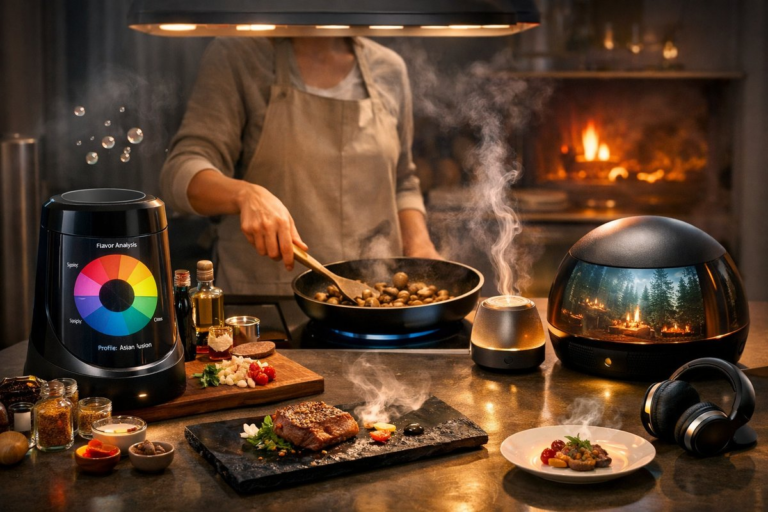
The resulting ecosystem of gadgets has spawned new rituals: communal “tech-tasting” nights where friends bring contrasting fermented condiments; weekend workshops on pairing AI-generated flavors with local cheeses; interactive livestreams that let remote family members guide the cooking of a celebratory meal in real time. Kitchens are doubling as social studios, and the act of meal creation has become a shared performance.
Critics caution that increasing reliance on gadgets may distance cooks from tactile skills. Yet most enthusiasts view technology as a bridge rather than a barrier-tools that handle mundane tasks so cooks can focus on seasoning, presentation, and improvisation. Instead of scrubbing, stirring, and babysitting, they’re free to experiment with flavor layering, plating artistry, and ingredient provenance.
In a recent survey of home cooks who adopted at least three smart-kitchen appliances, 80 percent reported enhanced confidence to try complex techniques, while 65 percent said their cooking felt more playful. Many attributed renewed family dinner participation to the novelty factor-kids pressing buttons on a vacuum sealer or peeking at fermentation progress through glass lids. The kitchen, once relegated to routine chores, has reemerged as a place of discovery.
As this wave of culinary tech rolls forward, it’s worth remembering that every gadget is just a vehicle for creativity. The true ingredient for exceptional meals remains curiosity-a willingness to explore new tools, challenge established rituals, and savor the surprises that arise when precision engineering meets the alchemy of taste. Whether you’re a weekend dabbling cook or a seasoned home chef, the modern kitchen offers a playground where flavor and innovation walk hand in hand.