Location
Mount Vernon, WA 98274

Location
Mount Vernon, WA 98274
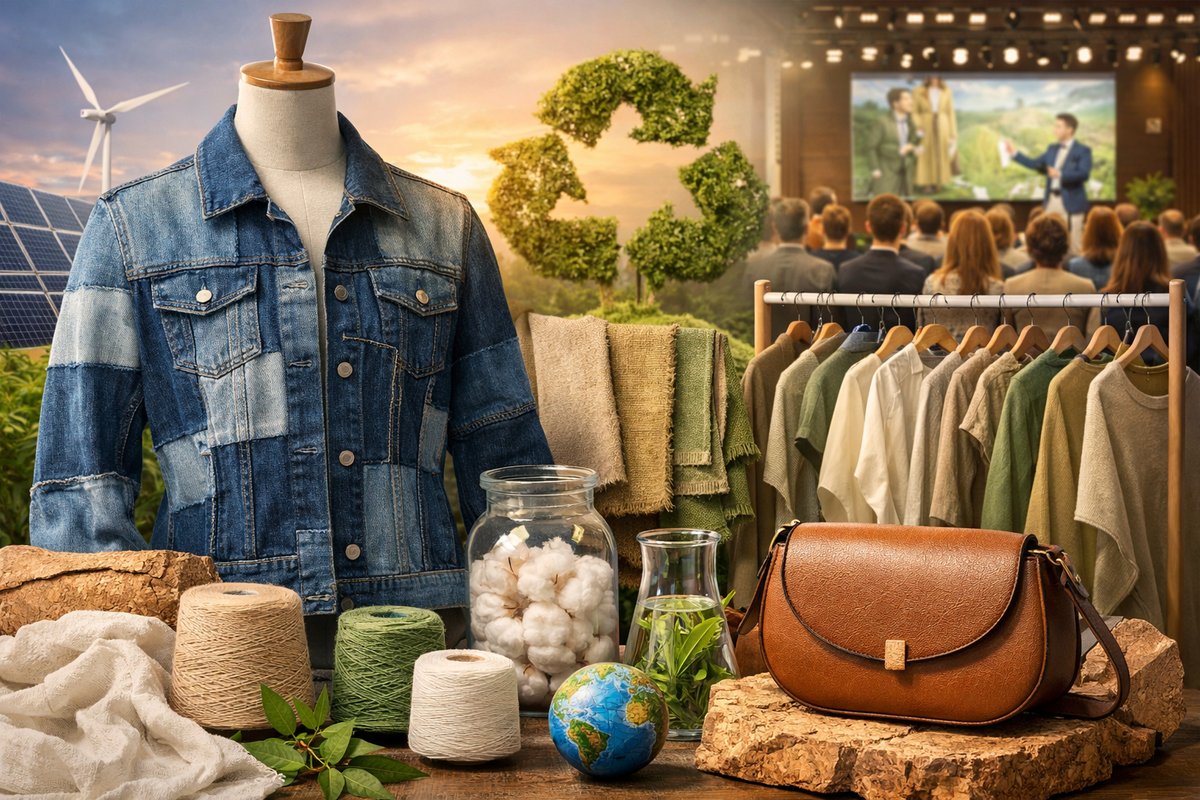
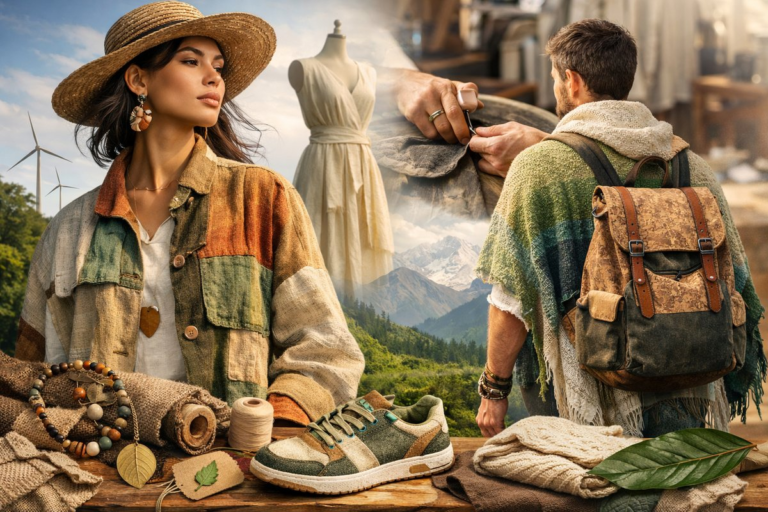
From fiber innovations to circular business models, the fashion industry is undergoing a values-driven transformation. As events spotlight eco-friendly fabrics and consumers demand greater transparency, every garment-whether upcycled denim or plant-based leather-becomes a statement of identity and intention.
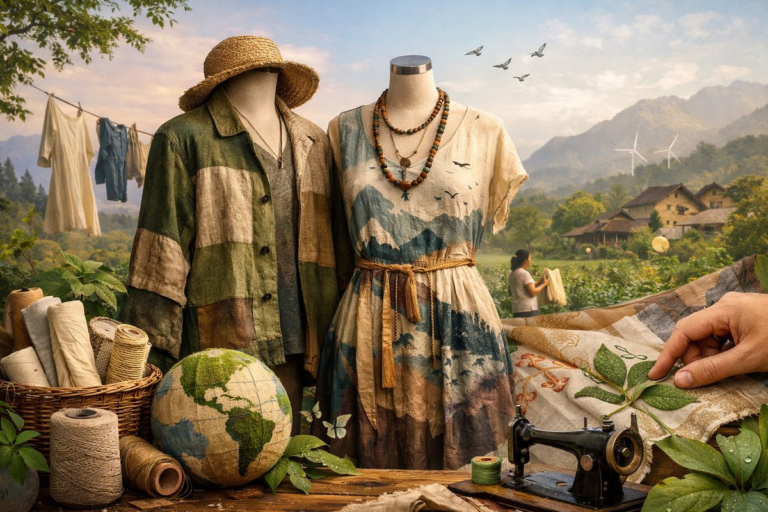
Fashion’s next frontier is no longer defined solely by silhouettes and seasonal color palettes. Instead, it’s driven by a deeper narrative: one where every seam tells a story of environmental stewardship, where dye baths are fed by vegetable scraps, and where old jeans find new life in circular systems. This shift comes amid mounting data: a recent Nielsen survey found that 73% of global consumers say they would change their consumption habits to reduce environmental impact. As that demand ripples through boardrooms and design studios, a new era of apparel innovation is taking shape.
Major industry gatherings have taken note. At the latest Copenhagen Fashion Summit, brands showcased jackets made from recycled fishing nets, shirts spun from regenerative organic cotton, and loafers crafted from mycelium-the root structure of mushrooms. Textile Exchange’s annual report underscores this momentum, reporting that recycled polyester now accounts for nearly 19.3% of global polyester supply, up from 17.9% the prior year.
Behind the glossy runway presentations lies a web of emerging material sources. Organic cotton, certified by internationally recognized standards, still faces scalability challenges, but its ecological footprint remains substantially lower than conventional cotton. Meanwhile, bio-based alternatives-derived from fruit waste, algae, and even wood pulp-are blurring the line between agriculture and apparel. One pioneering textile mill in Northern Europe has converted forestry byproducts into a soft, breathable yarn that requires 60% less water than conventional viscose.
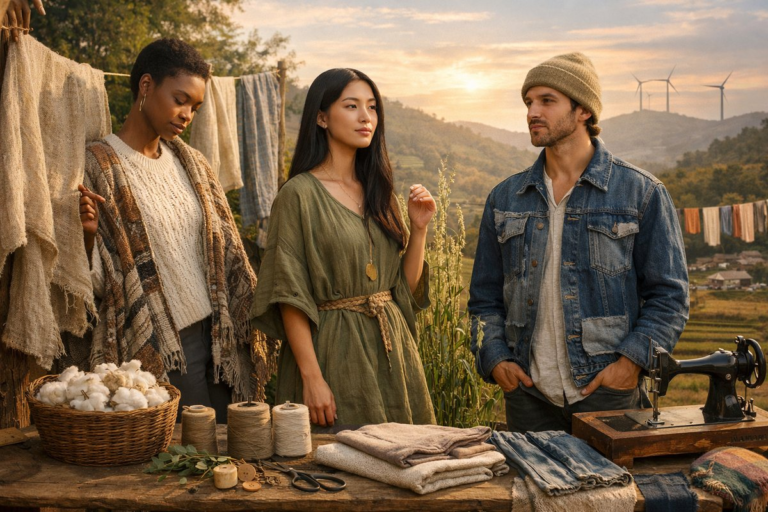
Natural dyes offer another chapter in this unfolding story. Traditional indigo vats are being supplemented by extracts from onion skins, avocado pits, and spent coffee grounds-all of which reduce reliance on synthetic colorants linked to chemical pollution. A collective of indie designers on the West Coast has perfected a cold-process dye method that slashes water usage by 40% while yielding earthy hues ranging from deep forest greens to rich mahoganies.
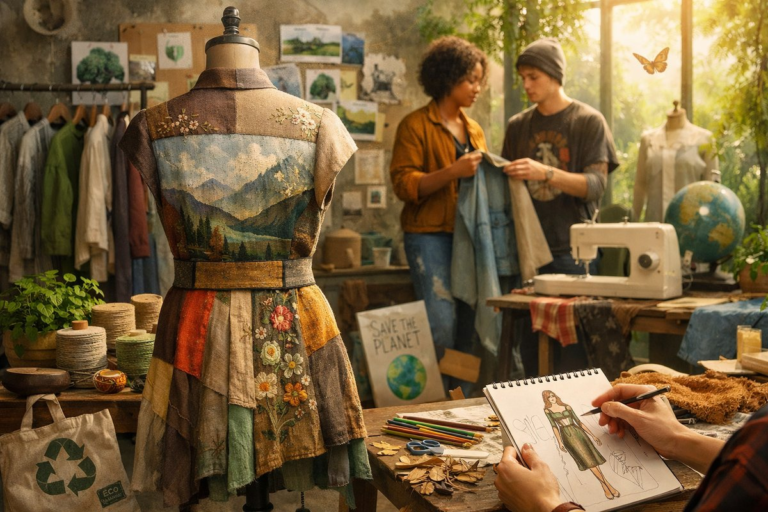
Innovation isn’t confined to fabrics. Business models are evolving to extend the lifespan of garments. Rental platforms have grown in value by more than 30% over two years, according to market research firm Euromonitor. Resale marketplaces are boomeranging perfectly wearable items back into circulation, keeping millions of pieces out of landfills. Pop-up swap shops in urban neighborhoods enable community members to trade outerwear, denim, and accessories-sometimes even teaming up with local tailors who customize secondhand finds on the spot.
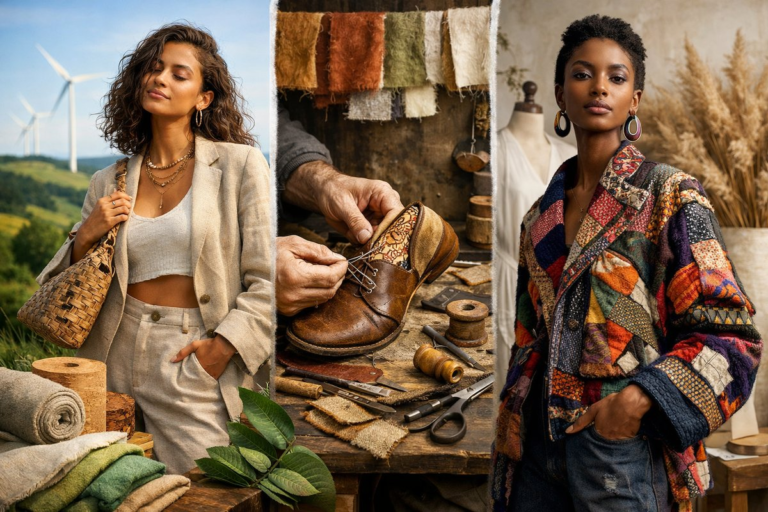
Accessories, too, are undergoing an eco-reinvention. Statement jewelry made from upcycled metals and repurposed plastic beads has become a runway staple. Handbags fabricated from plant-based leather alternatives-crafted from apple pulp or mushroom mycelium-offer the luxurious look and feel of traditional leather without the environmental toll. Even eyewear is finding a greener path: frames carved from sustainably harvested bamboo or recycled acetate pair bold silhouettes with ethical sourcing.
Despite these breakthroughs, challenges remain. Greenwashing persists, and consumers must navigate a maze of labels and certifications to verify true impact. Costs for small designers can soar when sourcing low-impact raw materials, and supply chain transparency still lags in many regions. Yet public pressure shows no signs of abating. A report from the Ellen MacArthur Foundation estimates that, by 2030, the circular fashion market could unlock $560 billion in economic benefits.
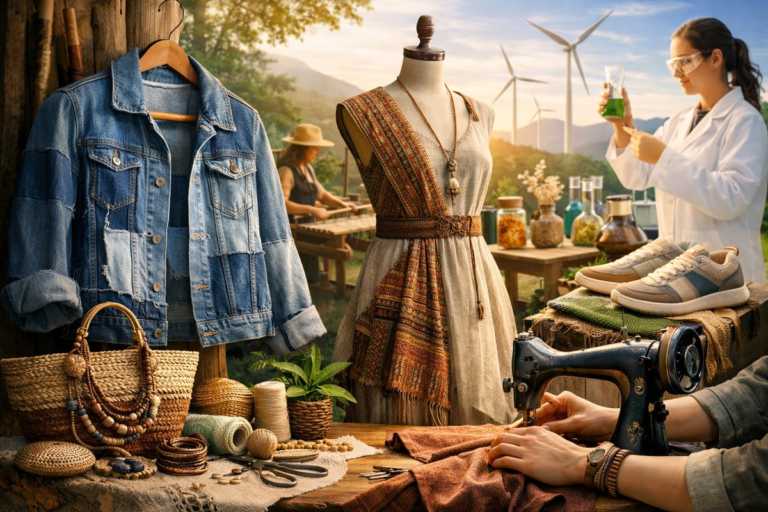
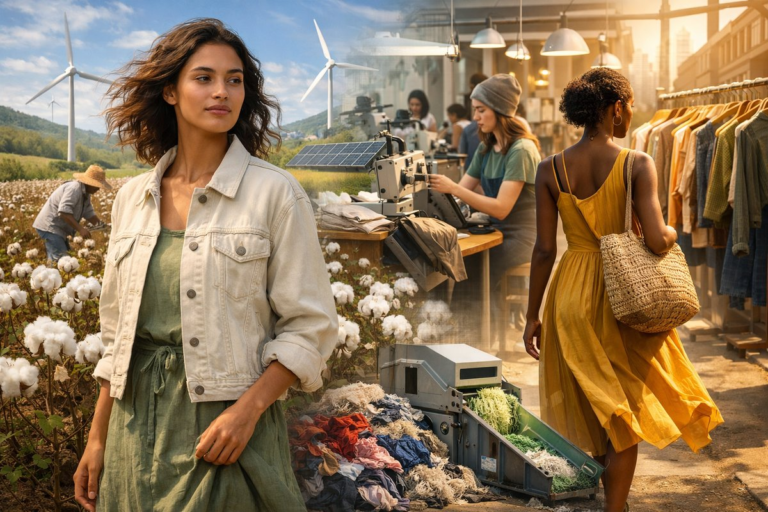
In response, startups and established houses alike are forging partnerships with scientific labs, waste-management firms, and agricultural cooperatives. Enzyme-based recycling processes can break down blended textiles into their molecular building blocks, enabling genuine closed-loop recycling. Pilot programs are testing seawater-based dyeing systems that drastically reduce freshwater consumption and eliminate toxic effluent.
For consumers, the takeaway is clear: personal style can’t be divorced from personal values. Building a wardrobe today involves asking questions about origin, lifecycle, and impact. It might mean choosing a sustainably milled flannel shirt over a mass-market alternative, or investing in a boldly patterned scarf whose natural dyes were crafted by artisans earning living wages. It could involve opting for modular sneakers whose soles can be replaced after tens of thousands of steps, keeping the upper portion in high-rotation for years.
Retailers are adapting to meet these new expectations. Flagship stores in major cities now dedicate space to showcasing material innovation labs, hosting in-store repair workshops and buy-back programs. Virtual reality experiences invite shoppers to trace a garment’s journey from fiber to finish. And digital care guides-accessed via QR codes sewn into labels-offer personalized repair tips, washing best practices, and end-of-life recycling options.
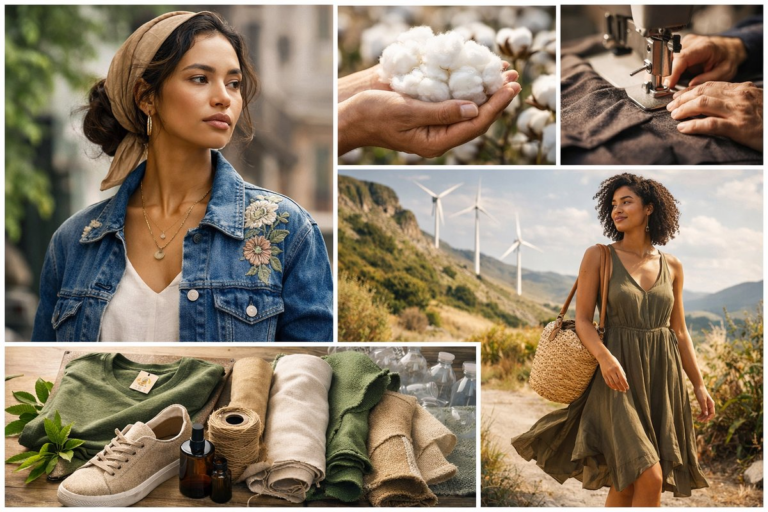
As consumers embrace this values-infused approach, fashion becomes less about chasing fleeting trends and more about curating a meaningful collection of garments that reflect personal ethics. A cotton T-shirt takes on new resonance when its thread is certified organic and its dye is plant-derived. A recycled-wool cardigan becomes a symbol of circularity. A pair of bamboo-frame sunglasses stands as a testament to resourceful design.
Looking ahead, the intersection of technology and textiles promises even greater possibilities. Wearable sensors embedded in performance apparel will soon monitor fiber health, alerting users when garments need mending. Blockchain platforms are poised to track every step of the supply chain with immutable transparency. And scientists continue to explore cell-cultured silk and other lab-grown biomaterials that could revolutionize luxury fashion.
In this unfolding landscape, one principle remains constant: style without substance no longer suffices. Consumers are seeking wardrobes that mirror their values, and the industry is under pressure to deliver. From sustainable threads to bold accessories, every piece now invites expression-and not just of aesthetic taste, but of deeper convictions about the planet, people, and progress.
For anyone curious about how to integrate these ideas into daily life, the path forward is already lined with accessible options. Whether you’re a lifelong eco-advocate or just beginning to rethink your closet, these emerging trends offer both inspiration and actionable steps. After all, when fashion meets purpose, every garment becomes a platform for storytelling-and every decision a chance to make a positive impact.