Location
Mount Vernon, WA 98274

Location
Mount Vernon, WA 98274
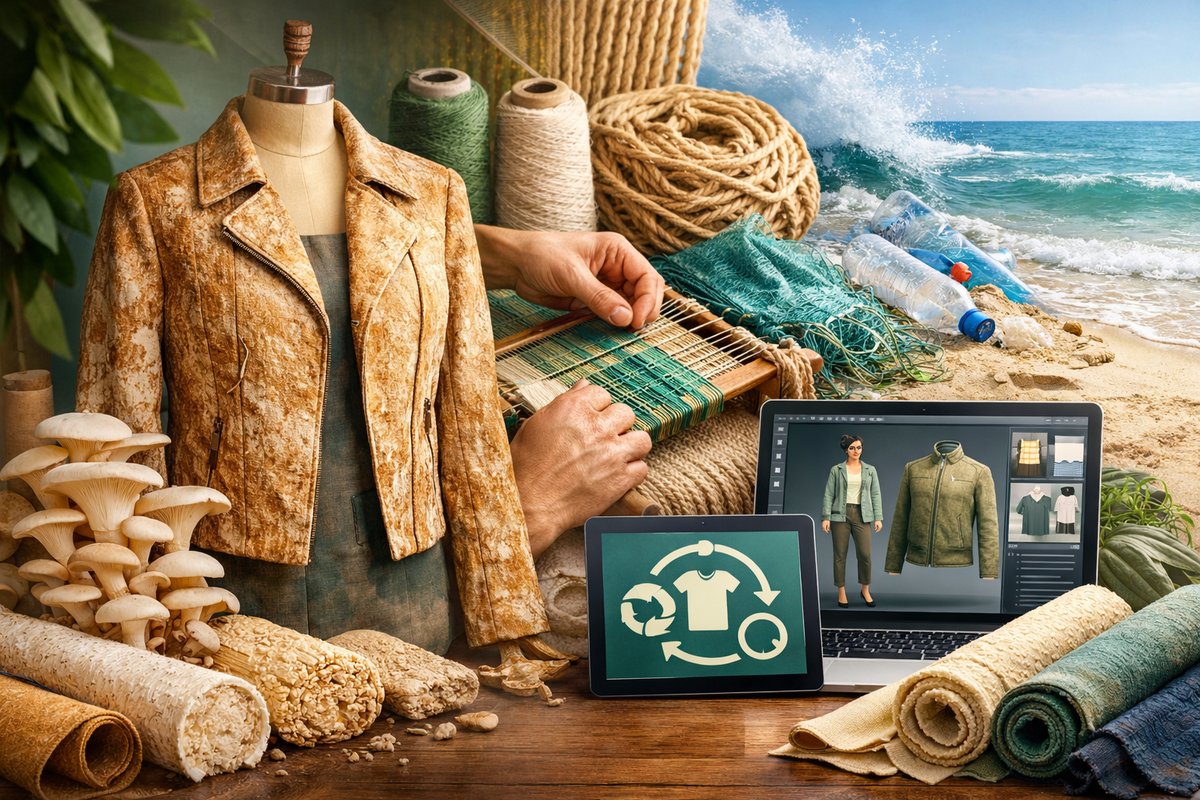
From mushrooms to ocean plastics, a new wave of designers is weaving purpose into every stitch. Explore how sustainable textiles, circular business models, and digital innovation are rewriting the rules of style.
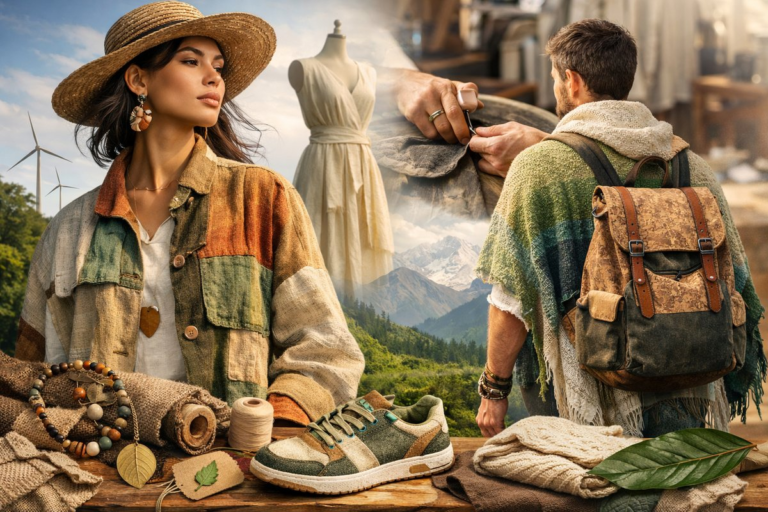
What if your favorite jacket carried the memory of a forest? Or your sneakers once lived as discarded fishing nets? In the evolving landscape of fashion, garments are no longer just symbols of status or trends-they’re vessels of values and narratives. Across showrooms and city streets, a movement is sweeping through closets: consumers and creators alike are demanding transparency, sustainability, and emotional resonance from every piece they wear.
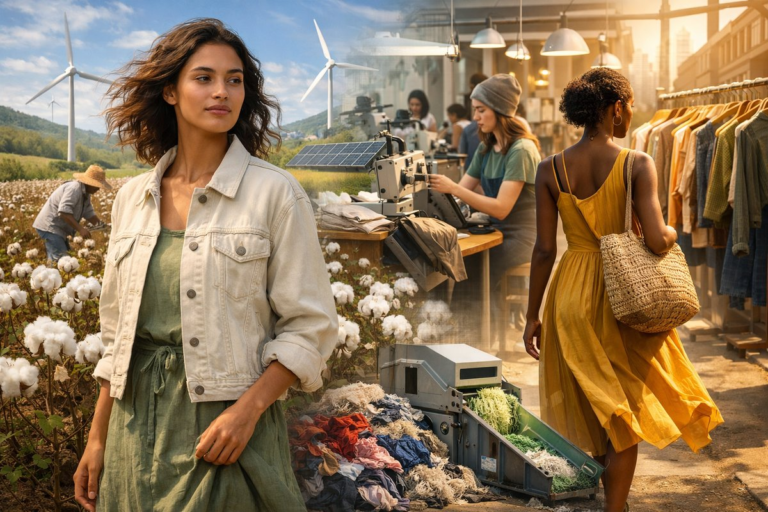
At a warehouse-turned-studio on the outskirts of a coastal city, bolts of fabric in shades of kelp green and sky blue await inspection. These materials were produced from recycled ocean plastics collected by volunteer beachcleanup crews. Designers here collaborate with marine biologists to ensure each thread meets rigorous environmental standards. Their goal is straightforward yet ambitious: transform post-consumer waste into garments that feel luxurious and perform under everyday wear.
It’s a far cry from the fast-fashion model that churns out disposable clothing in bulk. Seven years ago, this site was an abandoned pier. Today, it’s one of dozens of labs experimenting with mycelium leather grown in controlled chambers. Engineers monitor humidity and temperature to guide the growth of mushroom roots into supple, animal-free panels. The result is a material that simulates the texture of traditional leather without the environmental toll of livestock farming.
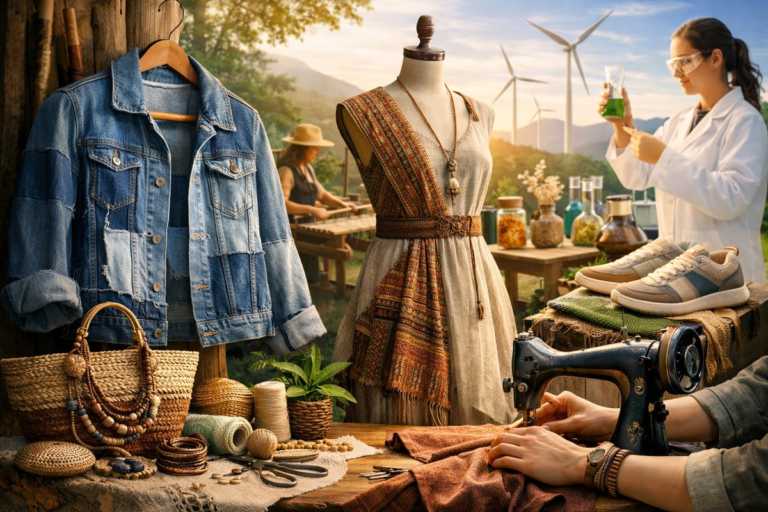
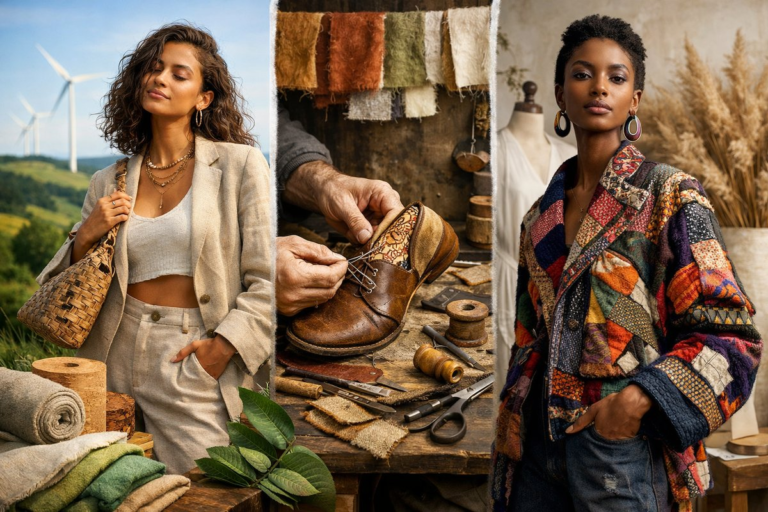
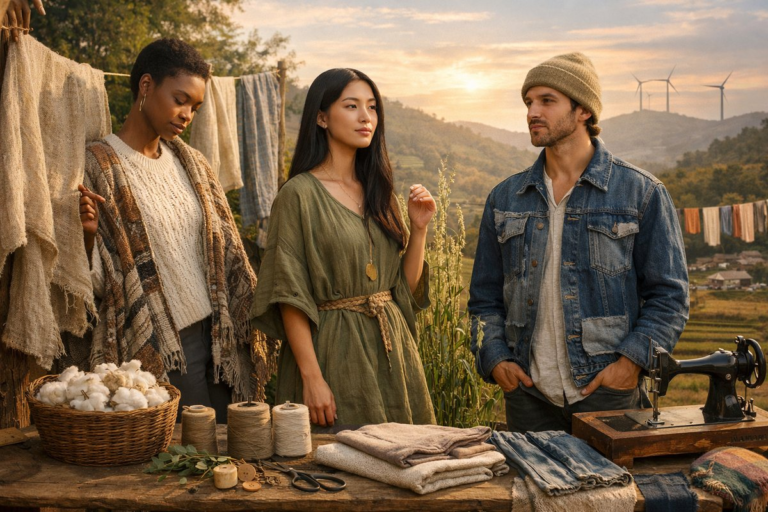
Alongside these labs, independent ateliers are reviving time-honored crafts. Hand weavers, dyers, and tailors work in small teams, each piece taking days or weeks to complete. Their ateliers resemble galleries more than factories, with natural light streaming through studio windows and the hum of looms echoing softly. Customers are invited to tours, watch artisans at work, and even dye fabric by hand. This approach emphasizes slow fashion-placing quality, heritage, and durability above rapid turnover.
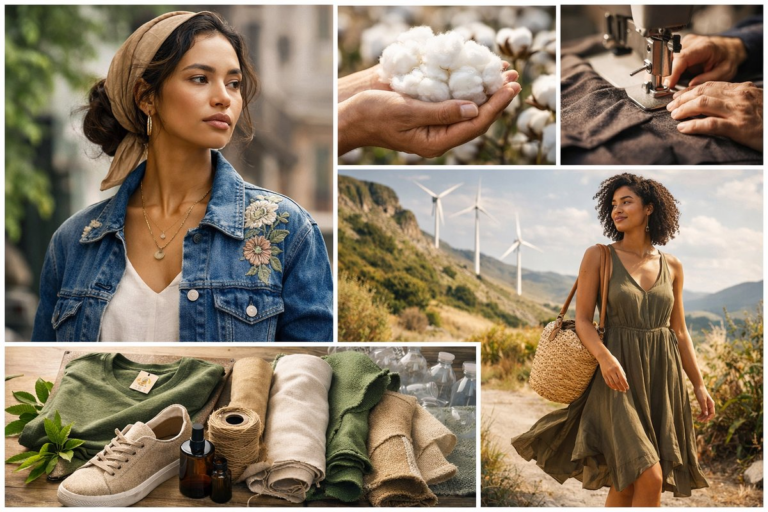
Consumers are responding. Recent surveys show a 60 percent increase in searches for “organic cotton” and “recycled polyester” over the last two years. Online platforms that verify supply-chain ethics have seen membership double. Shoppers are beginning to think of their wardrobes as collections of stories-garments that connect them to a global community and to the environment.
Transparency is at the heart of this evolution. QR codes woven into labels link directly to information about harvest locations, dye recipes, and carbon-footprint metrics. Some brands even deploy near-field communication tags so a quick tap from a smartphone reveals the journey of each yarn, down to the farm where cotton was harvested or the port where recycled plastic arrived. These digital passports satisfy the growing demand for accountability, and they turn clothing into interactive experiences.
Yet the path to fully ethical wardrobes is not without challenges. Supply-chain complexity remains a major hurdle. A single pair of jeans can involve dozens of suppliers: cotton growers, spinners, weavers, dyers, stitchers, finishers, and logistics providers. Aligning all these actors around fair wages, safe working conditions, and minimal environmental impact requires rigorous auditing and collaboration across borders.
Greenwashing is another risk. Some companies, eager to tap into the eco-conscious market, slap a sustainability label on products without real commitments behind them. To combat this, consumer advocates and third-party certifiers are increasingly vigilant. Certifications like Global Recycled Standard and Fair Trade Textile help separate genuine innovators from opportunists. Shoppers are getting sharper, too-learning to ask probing questions about fiber origin, ink composition, and end-of-life disposal options.
Amid these complexities, technology offers fresh solutions. Blockchain registers are being piloted to track fibers from farm to finished garment, ensuring immutable records of every transaction. Augmented-reality apps enable virtual try-ons, reducing returns and wasted shipments. AI-driven pattern algorithms optimize fabric usage down to the last centimeter, cutting excess waste. Even 3D knitting machines are emerging, capable of producing fully shaped garments in a single pass, minimizing offcuts and eliminating sewing labor.
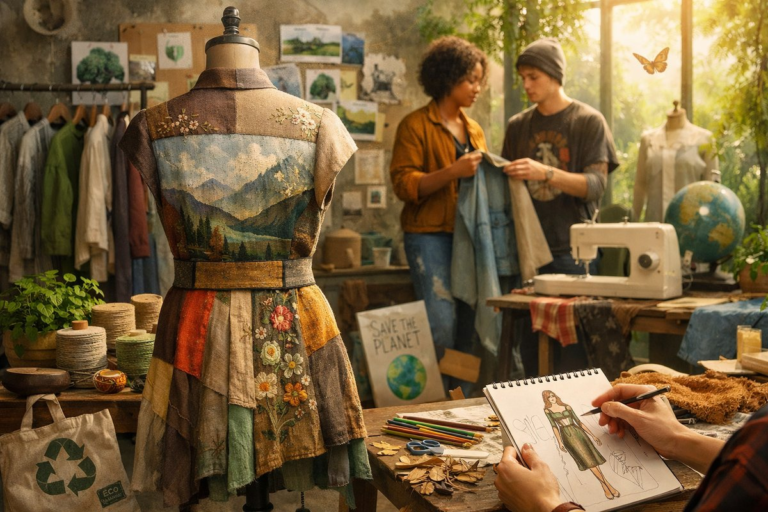
Beyond production, repair and rental services are reshaping consumption norms. Repair cafés hosted in community spaces are teaching basic mending skills-patching holes, replacing zippers, reinforcing seams-to prolong clothing lifespan. Meanwhile, peer-to-peer rental platforms let members lend or borrow special-occasion items, from evening gowns to tailored blazers. This shift reduces the need for one-off purchases and keeps garments in circulation longer.
One recent initiative in a major European capital transformed an old railway station into a temporary “Circular Fashion Fair.” Shoppers swiped digital tokens at entry, then browsed pop-up stalls showcasing capsule collections made from agricultural byproducts, deadstock fabrics, and recyclable fibers. Workshops taught everything from zero-waste pattern making to natural indigo dye baths. A panel discussion highlighted how small startups and legacy manufacturers can partner to scale sustainable practices.
The emotional side of fashion is resurging, too. Customers want pieces that resonate with their personal stories-be it family heritage, cultural identity, or environmental activism. Brands are responding by offering customization options: embroidered initials, bespoke color palettes, handcrafted trims. In some cases, designers collaborate directly with local artists to embed traditional motifs into modern silhouettes, creating garments that celebrate cultural diversity while supporting artisanal communities.
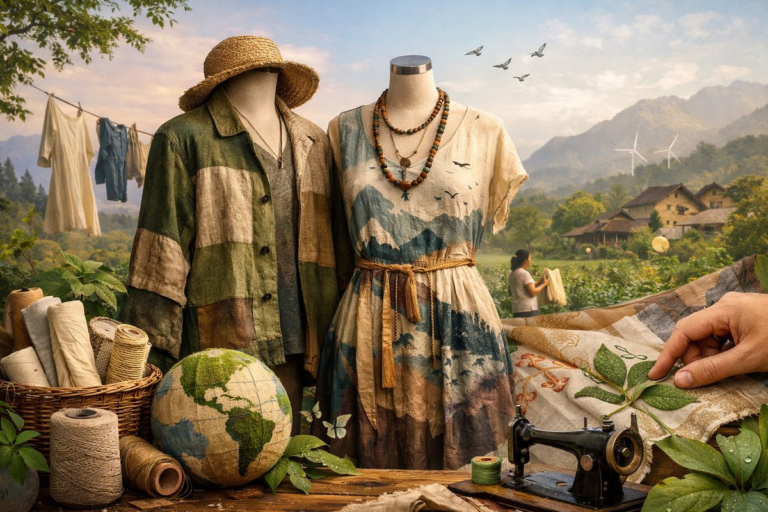
All these efforts point toward a future where wardrobes function as living archives of personal and planetary history. Every garment becomes a conversation starter: the linen shirt that filtered storm water before being milled, the dress dyed with botanicals harvested from a community garden, the coat insulated with biodegradable foams derived from seaweed. Wearing these pieces isn’t just about aesthetics-it’s a statement of values and a pledge to tread lightly on the Earth.
For everyday consumers, building a values-driven wardrobe need not be daunting. Start by auditing current pieces: repair what can be fixed, donate or recycle what no longer fits, and consider rental options for special events. When shopping, look for certifications, ask about after-care services, and prioritize timeless designs that transcend fleeting trends. Even small steps-swapping polyester basics for organic cotton alternatives or choosing secondhand accessories-add up over time.
Meanwhile, industry leaders are doubling down on innovation. New bio-fibers grown from waste streams such as fruit peels and coffee grounds are entering pilot production. Circular resale marketplaces are integrating AI-powered styling recommendations to match preloved garments with new owners. And on the design front, modular garments with interchangeable components are gaining traction, allowing wearers to refresh wardrobes by swapping collars, sleeves, or embellishments rather than buying whole new pieces.
As the season turns, this movement shows no signs of slowing. From runway showcases that emphasize repair techniques to mass-market retailers launching take-back programs, fashion is in the midst of a values revolution. What you choose to wear tomorrow matters not just to your own style, but to global communities and ecosystems-and it carries the potential to rewrite the story of an entire industry.
In the end, perhaps the most radical act is to choose clothing that tells a story greater than the sum of its stitches. Garments that whisper of cleaner oceans, healthier farms, and cultures preserved. When style meets story, every piece becomes an invitation-to connect, to care, and to wear your values.