Location
Mount Vernon, WA 98274

Location
Mount Vernon, WA 98274
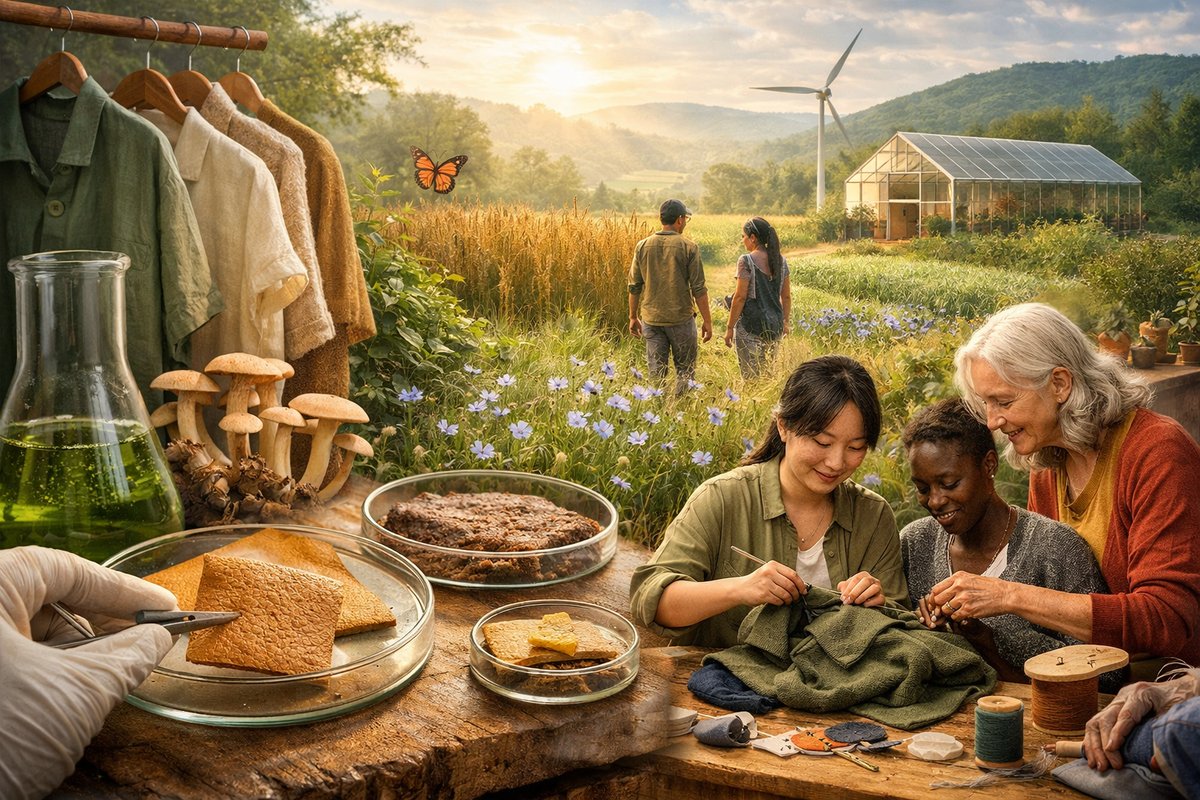
Consumers and designers worldwide are championing a shift toward materials that replenish ecosystems instead of depleting them. From lab-grown leather alternatives to community-driven mending circles, this new wave of regenerative textiles is transforming wardrobes-and the planet.
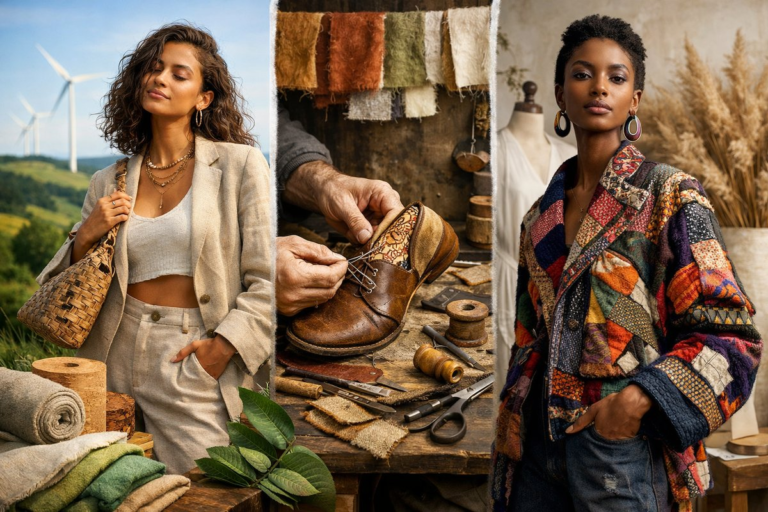
In recent months, an escalating awareness of environmental pressures has propelled regenerative textiles from niche studios into mainstream conversations. No longer content with simply reducing waste, a new generation of designers is seeking fabrics and production methods that actively restore soil health, conserve water, and support biodiversity. This movement reflects a deeper narrative: the garments we wear can speak to our values, telling stories of resilience, community and planetary care.
At the forefront of this evolution are biofabricated materials. Mycelium-based leathers-grown from mushroom roots in controlled environments-have matured in texture and durability, offering a soil-sequestering alternative to both animal hides and petroleum-derived synthetics. Grape-leaf fabrics, made from wine-industry byproducts, have found their way into jackets and joggers, diverting tons of viniculture waste from landfills. In parallel, algae-infused yarns are being spun into activewear, delivering moisture-wicking performance while consuming carbon dioxide during growth. These innovations demonstrate how fashion can become a net-positive force rather than a drain on natural systems.
Digital tools have amplified these material breakthroughs. 3D knitting machines are now capable of assembling entire sweaters without cutting or sewing, yielding zero-waste garments in minutes. Pattern-recognition software helps designers optimize every scrap of textile, nesting layouts to consume 30 percent less fabric than traditional methods. Virtual prototyping platforms allow buyers to preview sustainable colorways and fit online, cutting down on returns and reducing the carbon footprint of shipping. Taken together, these advances showcase a mode of creation that values precision and care over excess.
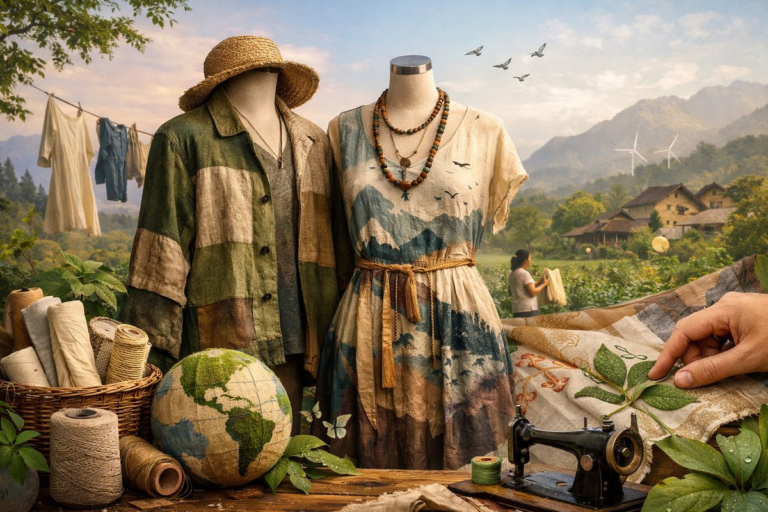
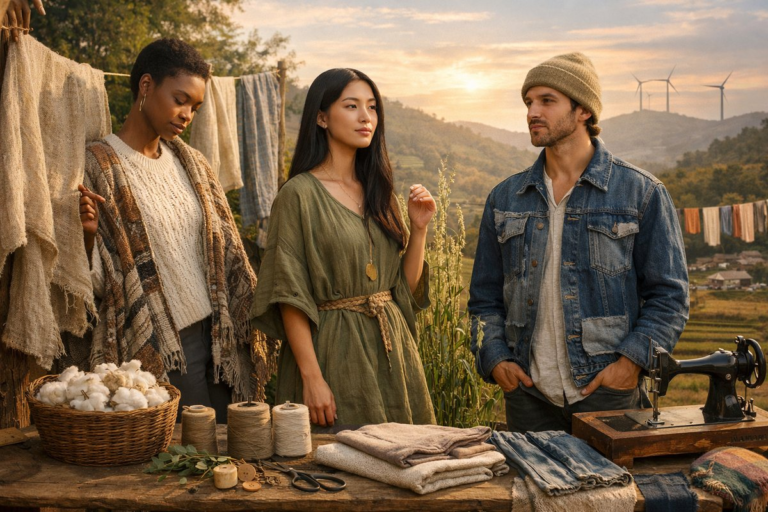
Yet technology alone does not define regeneration. Across urban studios and rural co-ops, craftspeople are reviving centuries-old dyeing traditions. Natural plant dyes-sourced from onion skins, madder roots or butterfly pea flowers-are replacing chemical vats, producing subtle, breathable hues that evolve with wear. Workshops featuring cotton cloth, natural fabric dye kits and open-air steaming stations invite community members to experiment and connect. In these shared moments of learning, fashion becomes a tool for cultural exchange and local empowerment as much as a style statement.
With new fabrics and colorways in hand, attention turns to garment care-an often-overlooked link in the regenerative chain. Instead of tumble-drying on high heat, many advocates embrace portable garment steamers to remove wrinkles and refresh fibers with minimal water use. Sturdy bamboo clothing hangers, designed with non-slip ridges, prolong the life of delicate knits and woven tops. These small tools underscore the belief that clothing deserves respect, and a little daily maintenance can delay disposal by years.
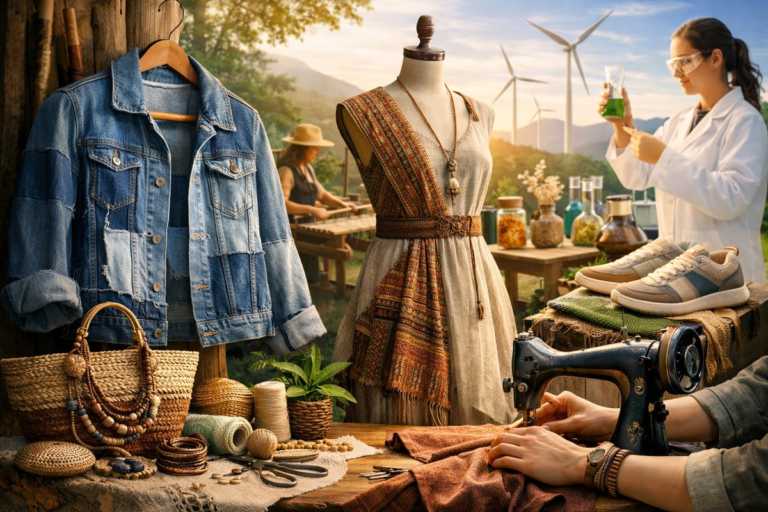
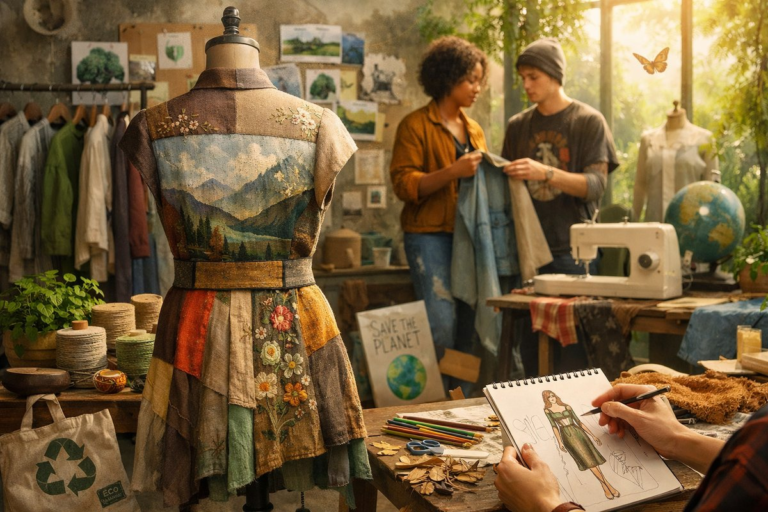
Meanwhile, the rise of at-home mending has spurred a renaissance in textile repair. Kits stocked with resealable iron-on patches-made from upcycled denim and organic cotton-offer a quick, sustainable alternative to outright replacement. Embroidery threads in bold colors let wearers personalize faded cuffs or torn knees, transforming signs of use into badges of experience. By stitching new patterns over old tears, consumers craft one-of-a-kind pieces that echo the regenerative ethos: fixing rather than discarding.
Accessories, too, are getting a makeover. Modular jewelry organizer trays-crafted from recycled plastic or reclaimed wood-encourage mindful acquisition and display, keeping necklaces tangle-free and earrings paired. As minimalist wardrobes gain traction, these organizers double as artful installations, reminding owners of each accessory’s story and urging thoughtful styling choices. In living rooms or bedrooms, a well-maintained tray becomes a quiet testament to organized, conscientious consumption.
Parallel to these hands-on practices, many households are rethinking laundry itself. Eco-friendly laundry detergent strips, shipped in tiny compostable envelopes, have sidestepped bulky plastic jugs and potent chemical residues. By dissolving cleanly in any water temperature, these strips cut down on microplastic shedding and reduce shipping weight dramatically. The result is fresher garments and a smaller footprint from washer to wardrobe.
Retailers have begun to mirror these consumer habits through experimental pop-ups and rental hubs. Shoppers can borrow a limited-edition mycelium bomber for a weekend or trade in a season-old sweater for store credit, confident that returned items will be sanitized, repaired or upcycled rather than trashed. Some boutiques offer fabric take-back points, ensuring that worn-out cotton tees reenter a mechanical recycling stream. These circular models demonstrate that sustainability can be profitable when designed with transparency and accountability.
Still, widespread adoption faces challenges. Infrastructure for collecting and processing old textiles remains uneven across regions, and many biofabrication techniques are still scaling up to make prices competitive. Consumer education is another hurdle: fashion shoppers must learn new care rituals, from steaming instead of drying to sorting naturally dyed pieces separately. Overcoming ingrained habits will require clear labeling, supportive workshops and continued storytelling that highlights the beauty of imperfection.
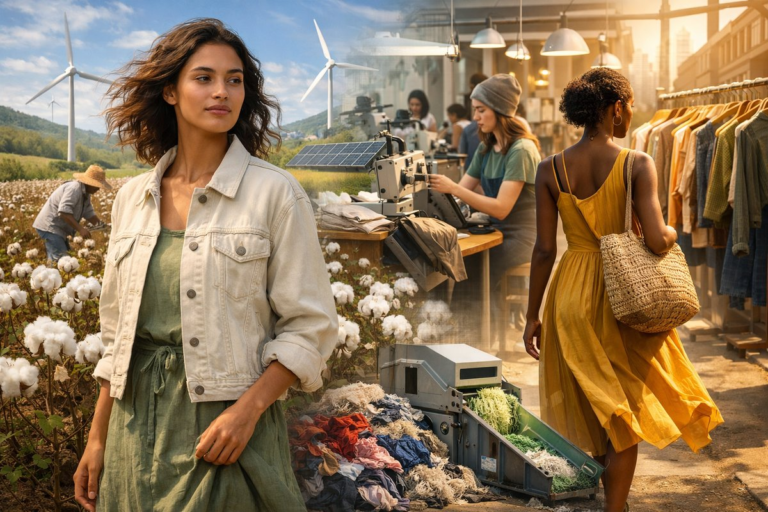
Despite these obstacles, momentum is building. Designers are partnering with farmers to grow cotton with regenerative practices that improve soil carbon content. Start-ups are prototyping ocean-safe dye processes that leave waterways unpolluted. Online communities are swapping repair tips and dye recipes, forging global networks of textile custodians. Fashion, once a driver of consumption and waste, is being reimagined as an agent of restoration-proof that style and stewardship can coexist.
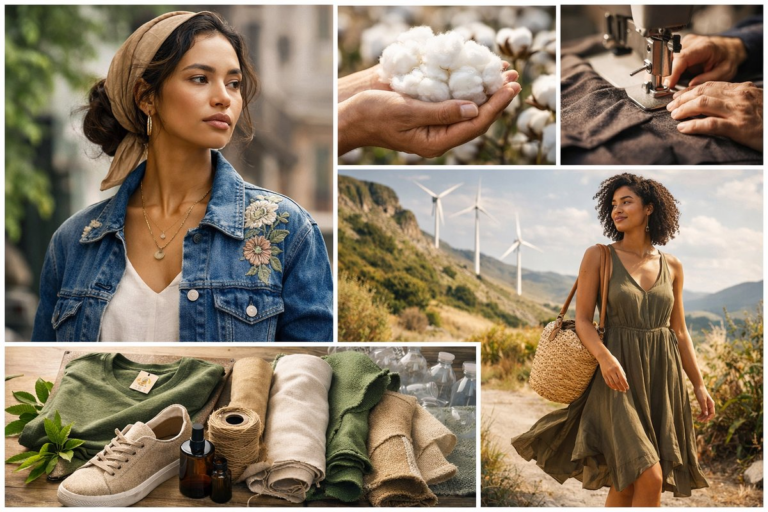
As consumers reach for their next garment, they carry more than a price tag: they hold the potential to shift supply chains and champion a model of clothing that gives back. From a naturally dyed scarf to a mended denim jacket, each piece can knit us closer to healthier ecosystems and more resilient communities. In this era of regenerative textiles, our wardrobes become documents of progress and ambition-a fabric map pointing toward a future where fashion truly weaves good.