Location
Mount Vernon, WA 98274

Location
Mount Vernon, WA 98274
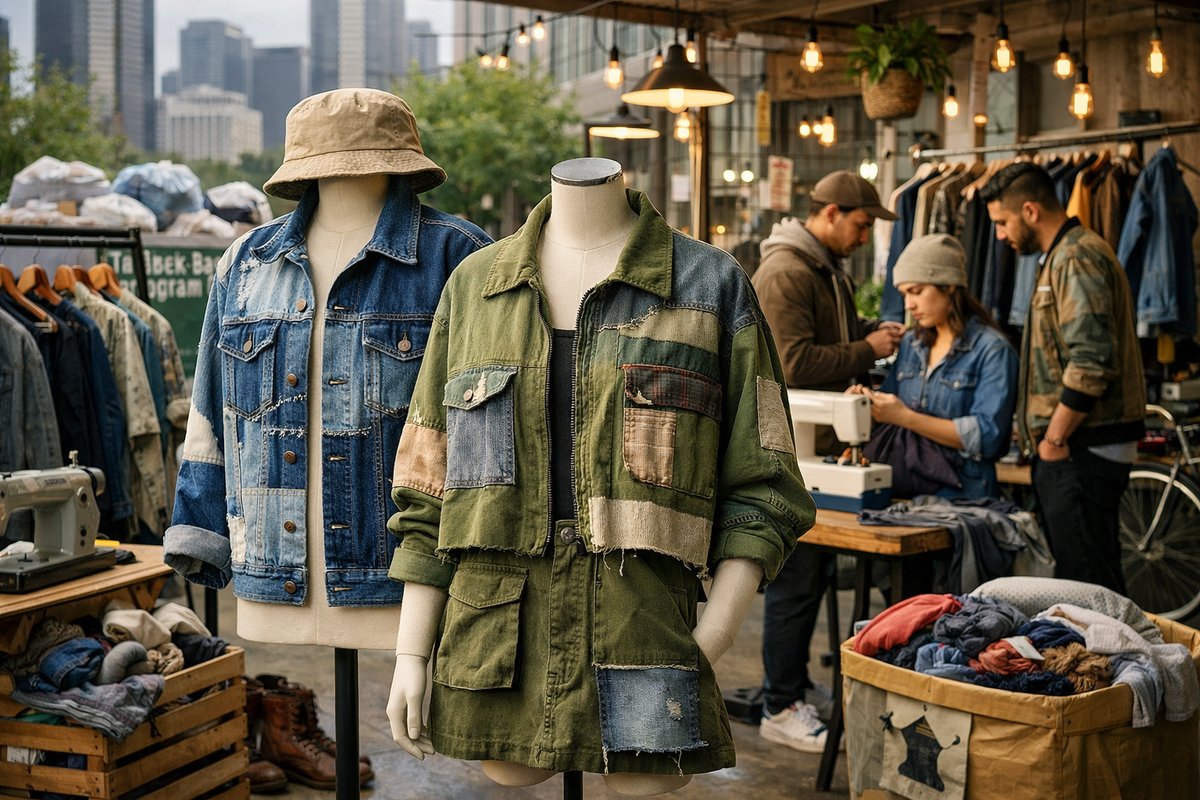
A new wave of labels is merging sustainability with urban style, turning discarded textiles into statement pieces. From citywide take-back programs to pop-up repair cafes, this story explores how circular design is reshaping modern wardrobes.
A growing movement at the intersection of sustainability and streetwear is challenging traditional fashion cycles. In warehouses turned creative labs and storefronts repurposed into community hubs, designers and consumers are collaborating on circular systems that keep materials in play far longer than the season calendar. What began as a niche interest among eco-conscious early adopters has blossomed into a dynamic ecosystem where discarded hoodies find new life and access to durable basics no longer means sacrificing style.
City streets are becoming runways for upcycled jackets with bold graphic patches, knitted from rescued knitwear and hand-stitched by local artisans. These pieces carry tangible histories-each stitch a reminder that clothing can transcend its initial purpose. Brands leading this charge have launched citywide take-back schemes, collecting worn-out tees and sweaters for deconstruction. Factory floors once churning out uniform cuts now hum with the buzz of sewing machines, as reinvigorated fibers emerge in fresh silhouettes that appeal to both fashion insiders and everyday wearers.
Innovation goes beyond design. Behind the scenes, textile-recycling centers deploy high-speed sorters and fiber scanners to separate blends with unprecedented precision. Automated systems can now identify cotton-polyester blends and mechanically separate them, preserving fiber strength so recycled yarns rival new cotton in softness and durability. At the same time, digital platforms connect customers to local repair cafes, where tailors offer mending services for price points that undercut fast-fashion replacement costs. People once resigned to tossing a snagged sweater are discovering that a few minutes of stitching can restore both form and sentimental value.
Collaborations with street artists add another layer of storytelling. Murals in underserved neighborhoods double as dye sources: powdered pigments collected from wastewater treatment byproducts are mixed into fabric-friendly formulas, creating one-of-a-kind colorways that pay homage to local culture. When those limited-edition tees hit the sidewalk, they carry a message: sustainability is as much about community resilience as it is about environmental impact.
Tech giants are taking notice too. Smart labels embedded with QR codes allow shoppers to trace a garment’s lifecycle, from the origin of its fibers to each reuse cycle. Scan a patchwork bomber jacket, and you’ll discover that its panels began life in a catalog tee from a past decade; learn which repair stations restored its seams and how many washes it has endured. This transparency is fueling a sense of ownership that extends beyond mere possession-soon, consumers will vote with their wardrobes, rewarding brands that maximize resource efficiency.
Retail experiences have transformed alongside product innovation. Pop-up shops are equipped with textile repair bars where customers sip fair-trade coffee while waiting for hemming or minor patchwork. Some venues have even installed on-demand knitting machines, allowing visitors to watch fiber spinning and garment assembly in real time. One London pop-up enlisted local musicians to remix the sounds of knitting needles and conveyor belts, creating an immersive soundtrack that blurs the line between craft and performance art.
Online, circular fashion marketplaces have streamlined resale by handling authentication, cleaning and minor repairs before listing pre-loved items. Sellers are incentivized to return unsold inventory to warehouse hubs rather than shipping them back, minimizing emissions tied to reverse logistics. In-app features gamify the process-earners of carbon-offset points can redeem rewards like discounts on single-origin denim or invitations to members-only upcycling workshops.
Financial stakes are rising. Circular fashion startups attracted more than a quarter-billion dollars in venture funding last year, with investors betting that consumers will remain willing to pay premium prices for traceable, socially responsible apparel. Established labels are partnering with recycling pioneers to retrofit their supply chains, while independent designers crowdfund direct-to-consumer drops of limited-run capsule collections made from surplus fabrics.
Critics warn of greenwashing risks, noting that true circularity demands more than recycled content claims. Brands must invest in infrastructure for take-back, sorting and repair, and be transparent about end-of-life disposal for non-recyclable trims or hardware. Some innovators are experimenting with biodegradable buttons cast from plant starches or metal-free fasteners that dissolve harmlessly if composted. These small steps signal a broader commitment to dismantling the linear “take-make-waste” model embedded in traditional manufacturing.
As circular practices scale, the very notion of ownership is evolving. Subscription services now offer wardrobes on loan: customers rotate through curated capsules of upcycled outerwear, trading items quarterly to explore new styles without adding to their closet footprint. Digital wardrobes track wear frequencies and suggest swaps based on personal style data, nudging users to rewear favorite pieces rather than chase fleeting trends.
In this landscape, creativity thrives. DIY bloggers are sharing zero-waste pattern tutorials, while local hackathons challenge teams to redesign surplus banners or seat covers into everyday essentials. Schools and universities are integrating garment chemistry and industrial design courses, preparing the next generation of makers to optimize both aesthetics and environmental impact.
The result is a fashion scene that feels both rooted and revolutionary-anchored in the idea that clothing can be more than disposable accessories. It can be a canvas for collaboration, a vessel for storytelling and a testament to the ingenuity of circular design. As more cities join the movement, upcycled streetwear may no longer be confined to select neighborhoods; it could become the standard for anyone who values style with a conscience.
Watching these developments unfold offers a glimpse into a future where wardrobes are living systems-continually repurposed, repaired and reimagined. When garments carry the legacies of past lives and bear stories of local artisans, sustainability transcends marketing slogans and becomes woven into the fabric of everyday life. That is circular chic in action, and it’s just getting started.