Location
Mount Vernon, WA 98274

Location
Mount Vernon, WA 98274
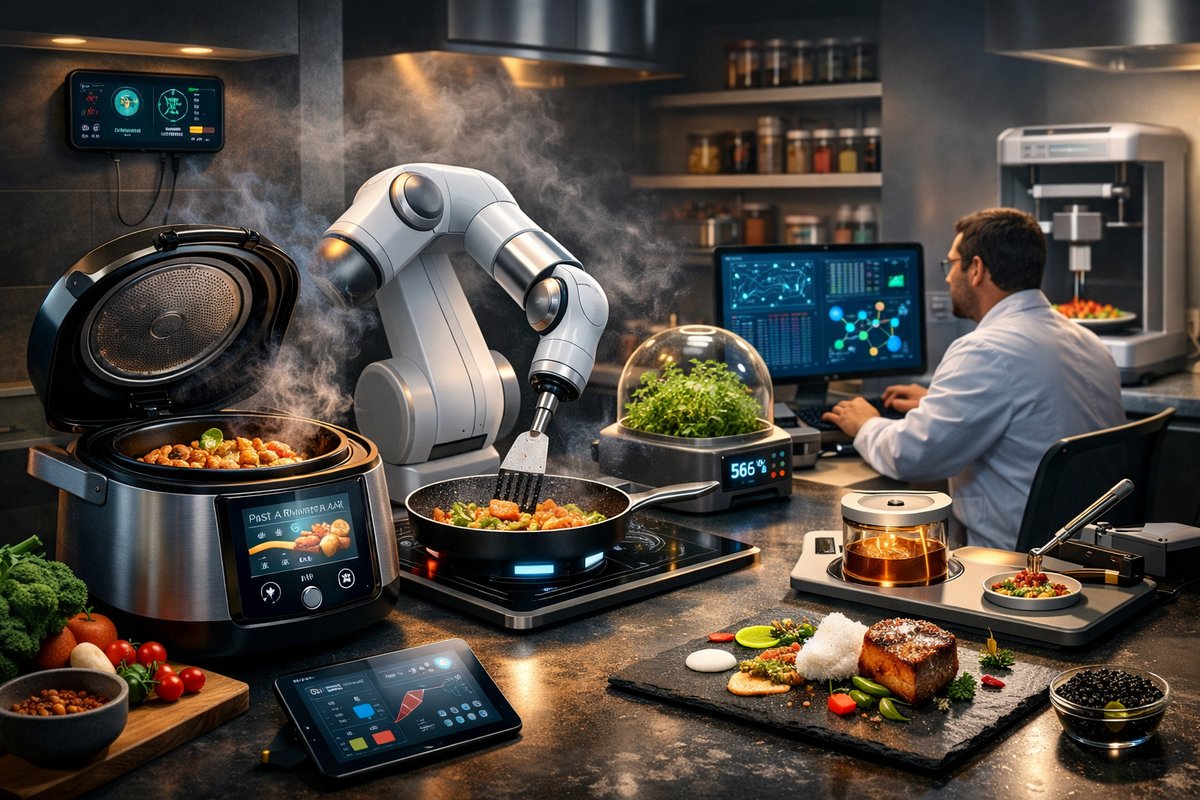
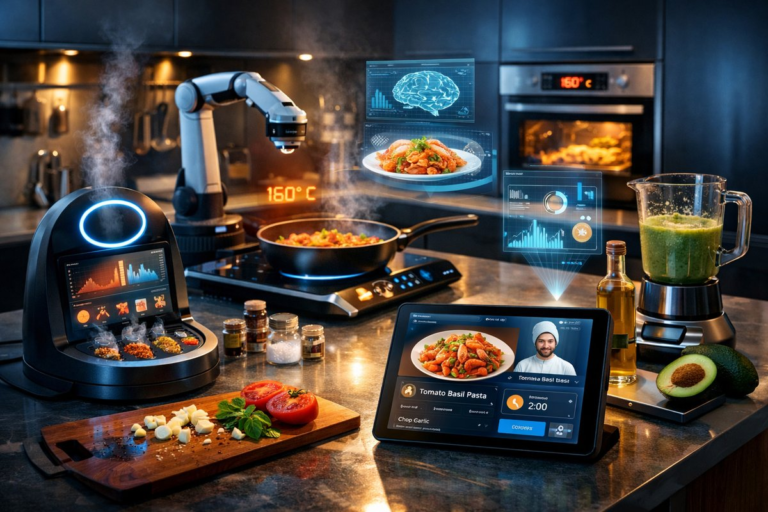
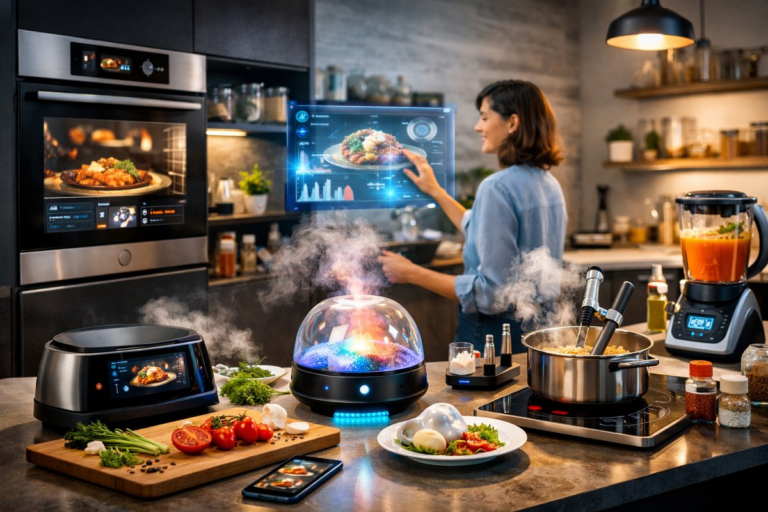
An emerging wave of connected cookers, robotic helpers, and data-driven flavor tools is reshaping what happens behind kitchen doors. Engineers, food scientists, and curious cooks are tapping sensors, algorithms, and modular hardware to make meals more precise, sustainable, and adventurous.
In a small urban apartment, a hobbyist home cook taps a tablet icon and watches as a compact robotic arm gently flips pork belly cubes suspended in a steam-injection oven. Across town, a mid-sized family tests an immersion circulator that monitors protein denaturation in real time, adjusting temperature by fractions of a degree to coax out perfectly silky egg custard. These snapshots hint at a larger transformation unfolding in home kitchens: the blending of hardware, software, and sensory science to redefine cooking as a precise, personalized, and playful craft.
What once belonged to restaurant test kitchens and food-tech startups is now trickling into consumer devices priced for everyday cooks. Pressure boilers, vacuum infusion systems, molecular mixers, and AI-powered flavor-pairing platforms are entering countertops alongside stand mixers and toasters. The driving idea is simple: better data, more reliable controls, and modular tools can accelerate learning curves, reduce wasted ingredients, and open creative doors.
But this shift is not only about novelty or slick industrial design. It taps into deeper ambitions around sustainability, accessibility, and emotional connection. By using sensors to reduce overcooking, advanced circulation methods to cut energy usage, and custom recipe repositories to minimize trial-and-error, tomorrow’s kitchens could trim waste by up to 30 percent and save hours of planning and fussing each week.
Crucially, privacy and user autonomy are rising concerns as well. Many new tools collect temperature logs, aroma profiles, or usage metrics-and some integrate cloud-based recipe exchanges. Cookware brands and software developers must balance connectivity with data ownership, ensuring home cooks retain control over personal cooking data and flavor preferences.
The following dispatch surveys five emerging trends in kitchen technology, spotlighting tools that promise to turn everyday meals into immersive adventures without sacrificing sustainability or the joy of hands-on cooking.
1. Sensor-Guided Precision Appliances
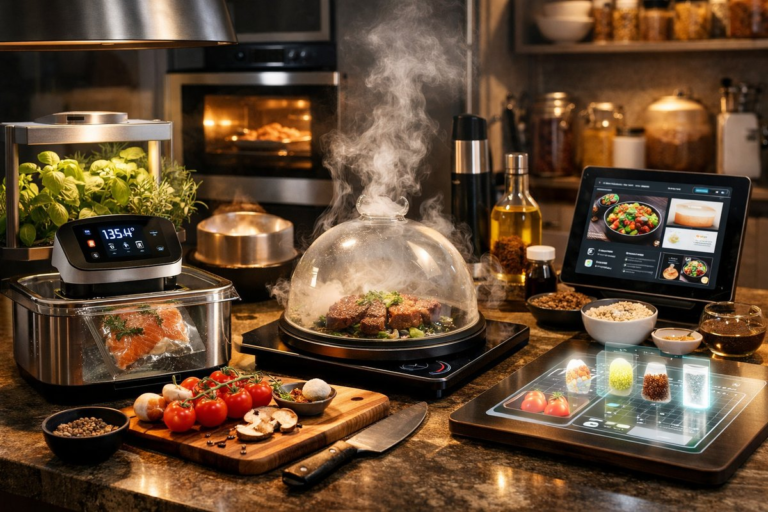
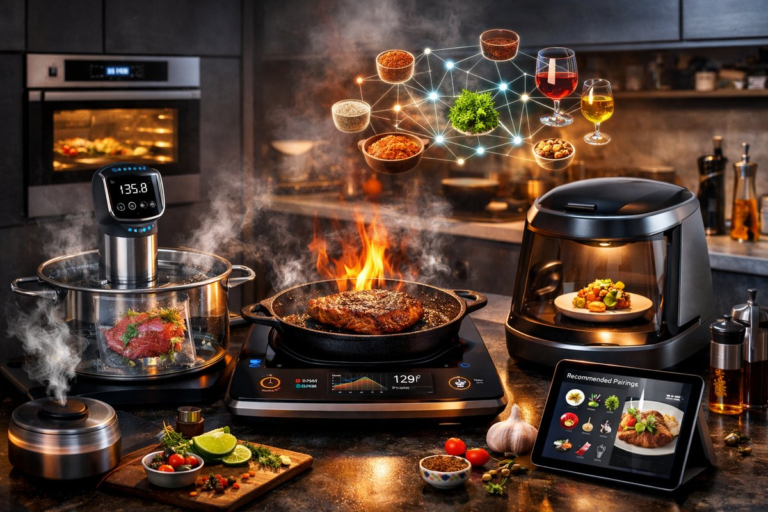
Gone are the days when a simple probe thermometer was the height of electronic integration. New induction cooktops embed infrared scanners and humidity sensors that detect surface moisture, automatically adjusting heat to optimize sear and prevent scorching. Steam ovens now feature spectroscopy modules that analyze steam density, altering injection cycles to lock in moisture or crisp crusts on demand.
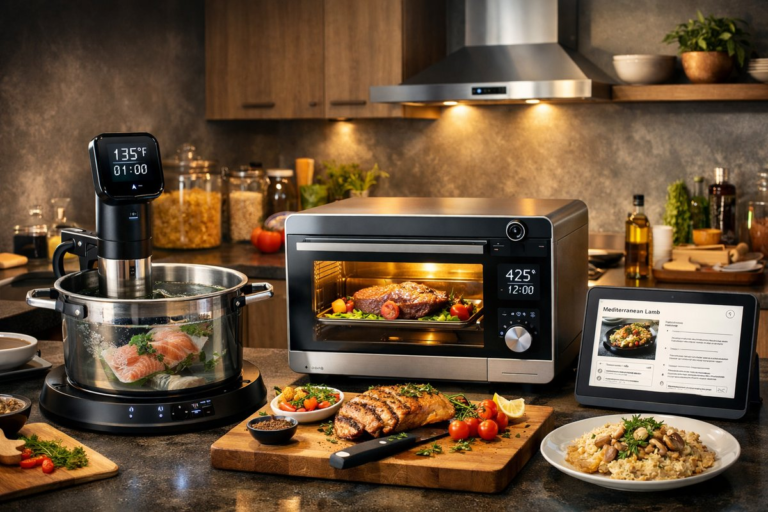
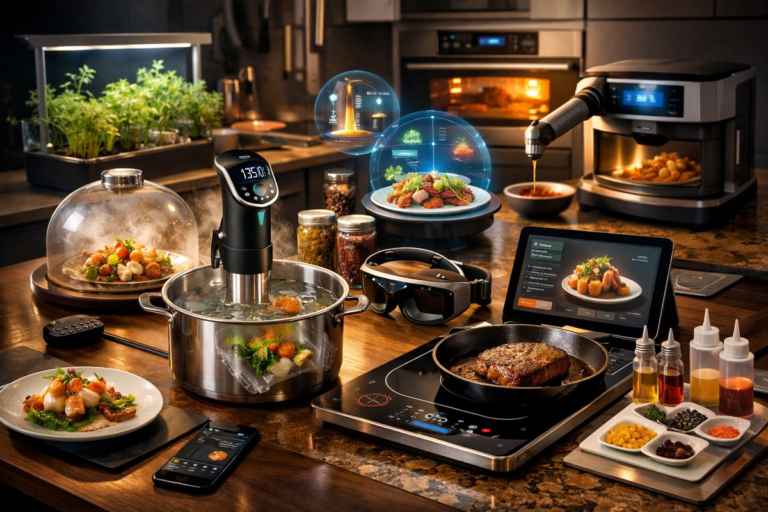
One portable smart immersion circulator uses flow meters and dissolved-oxygen sensors to track water circulation speed and protein reaction rates. Home cooks receive step-by-step prompts on a paired app, guiding them through fish poaching or custard crafting with millikelvin precision. This turns sous-vide cooking from a niche hobby into an intuitive process for novices, dramatically reducing overcooking incidents and failed batches.
Behind the scenes, open-source firmware and community-driven sensor libraries allow tinkerers to build custom interfaces. As these projects gain traction on maker forums, expect a new wave of DIY precision appliances that blur lines between kitchen and laboratory.
2. Modular Robotic Helpers
Modular robotic kits designed for home chefs are shifting from one-off curiosity to practical assistants. Arm segments, suction grippers, and magnetic tool changers can be configured to handle tasks like chopping, whisking, and plating. Users snap together standardized modules on a magnetic rail and load simple scripts that perform repetitive prep jobs.
Although fully autonomous cooking remains a work in progress, these kits free cooks from tedious slicing or stirring, letting them focus on creativity, plating, or gathering with guests. Open-source cook scripts circulating online enable anyone to replicate basic knife skills or egg emulsification. As machine vision libraries improve, future robot helpers could identify produce by ripeness or adjust shear force when dicing soft fruits versus root vegetables.
3. AI-Driven Flavor Discovery Apps
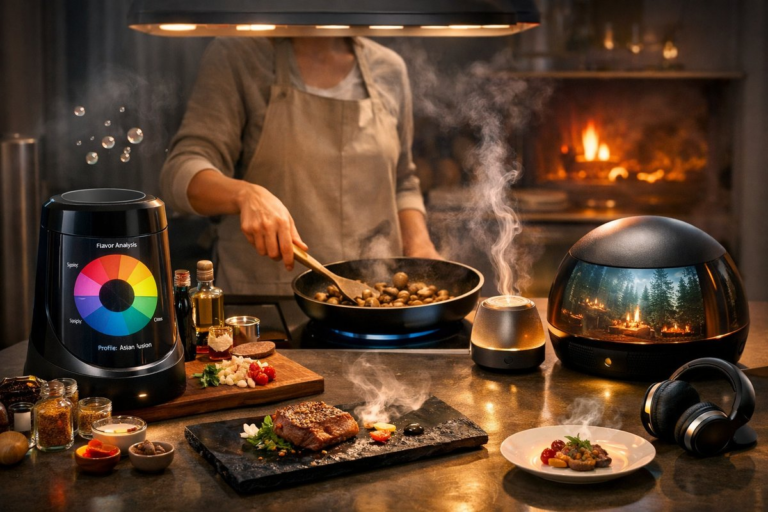
On the software front, flavor engines powered by neural networks are cataloging thousands of ingredient pairings, regional recipes, and aroma compound profiles. Rather than simply recommending traditional matches like chocolate and chili, advanced platforms can suggest novel combinations-matcha with smoked yuzu peel, or fermented squash with black garlic oil-based on molecular similarity and user feedback loops.
Some apps integrate with barcode scanners or smart scales to log pantry inventories automatically. When a cook scans heirloom tomatoes and ricotta, the system proposes recipes that fit current supplies, dietary preferences, and past ratings. Adaptive algorithms learn which textures, spice levels, and cooking methods each user favors, fine-tuning suggestions over time.
Critics caution against overreliance on algorithmic creativity, noting that human intuition and cultural wisdom still play vital roles in cuisine. Yet these tools can spark unexpected ideas, especially for cooks seeking to reduce food waste by pairing overlooked ingredients in exciting new ways.
4. Sustainable Waste-Reduction Innovations
Kitchen tech isn’t only about precision; it’s also tackling food loss. Countertop compostors now use infrared moisture sensors and micro-Grinding mechanisms to shred vegetable scraps into nutrient-rich soil additives within hours. Vacuum-sealed fermentation chambers track gas output and pH changes, enabling controlled pickles, kimchi, and mead with minimal draftiness or spoilage.
One countertop dehydrator leverages a thin-film sensor array to map humidity distribution across trays. It dynamically redirects heat and airflow, drying fruit and herbs evenly while cutting electricity consumption by up to 20 percent compared to conventional models. Another gadget extracts juice and nutrients from peels and cores to create water-soluble concentrates, ensuring no part of produce goes unused.
As concerns about landfill methane emissions grow, these closed-loop solutions give eco-minded cooks the tools to compost, preserve, and repurpose kitchen scraps on the spot.
5. 3D and Bioprinting for Culinary Expression
For those seeking the frontier of edible art, 3D food printing is entering an accessible phase. Desktop-scale extruders deposit layers of dough, puree, or chocolate based on user-designed patterns. While once restricted to lab environments, simplified filament cartridges and drag-and-drop design software are bringing shape-shifting pasta, personalized cookie molds, and intricate chocolate sculptures into home kitchens.
Alongside geometric printing, early bioprinting experiments are exploring vegetable-based protein pastes that can be printed into steak-like textures. Though not yet common in households, these developments hint at a future where home chefs can grow cell-cultured proteins or texturized plant matrices on demand.
Biohacking communities are testing DIY versions of tissue-culture incubators, merging microbiology with gastronomy. As safety protocols improve and open hardware guides become more robust, experimental kitchens may turn into small-scale food labs under domestic roofs.
Such breakthroughs raise questions about culinary tradition, ingredient sourcing, and the emotional resonance of handmade dishes. Yet they also promise new modes of expression for cooks who view food as a three-dimensional medium.
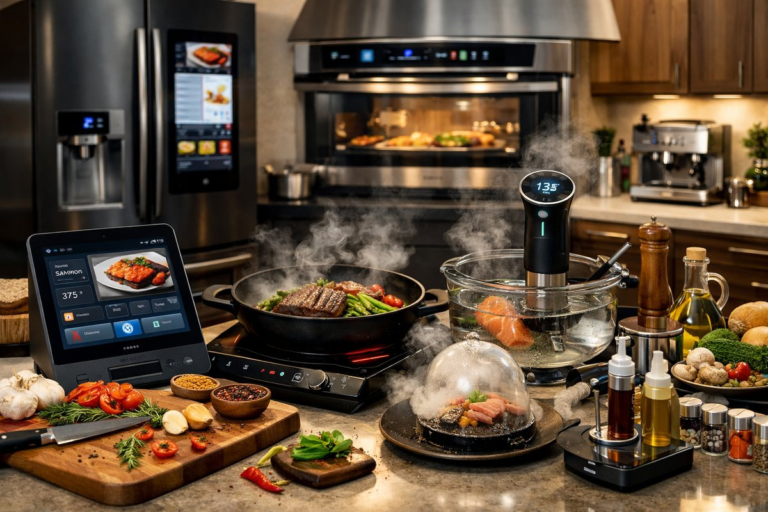
As sensors, robotics, AI algorithms, and novel fabrication methods converge in connected cookspaces, the home kitchen is evolving into a dynamic laboratory of flavor. Whether slices of perfectly seared meat, zero-waste pickles, or printed chocolate jewelry, the next generation of tools aims to elevate everyday cooking into more precise, sustainable, and creative territory.
Despite rapid technological advances, one thing remains constant: the desire to share good food and memorable moments. At the end of the day, the most compelling innovations are those that respect the elemental joy of cooking together-even if that journey now starts with a sensor reading or a robotic prompt.
This wave of kitchen transformation is still in its early days. As privacy safeguards mature, open standards for data interoperability spread, and prices gently fall, tools that once seemed exotic may become everyday essentials. Curiosity, emotional intelligence, and sustainable values will guide which gadgets stick around-and which remain digital curiosities. In the meantime, home cooks have more ways than ever to turn ingredients into memories, all with a little help from sensors, algorithms, and creative hardware.