Location
Mount Vernon, WA 98274

Location
Mount Vernon, WA 98274
A fresh wave of social and cultural currents is converging on our daily routines-from digital nomads cultivating urban gardens in coworking hubs to micro-entertainment pop-ups lighting up neighborhoods. These emerging patterns reveal a world weaving together slow-tech rituals, biophilic design, hyperlocal marketplaces, and maker-culture revivals. Read on to explore the signals of change shaping how we live, work, and connect.
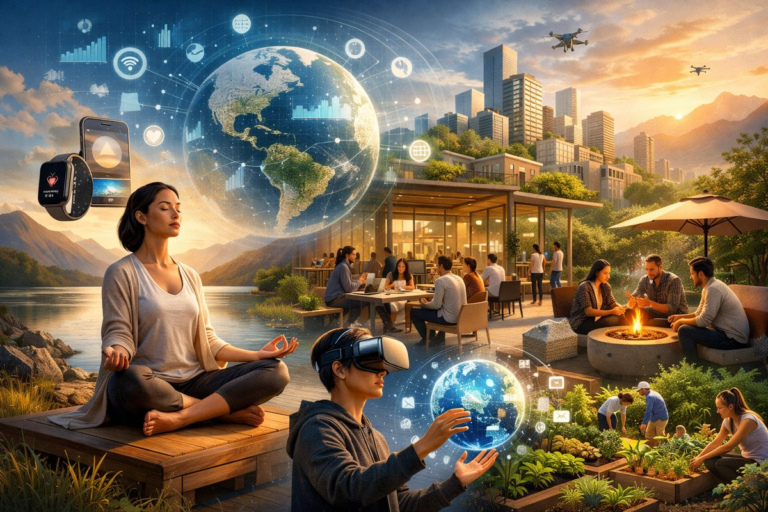
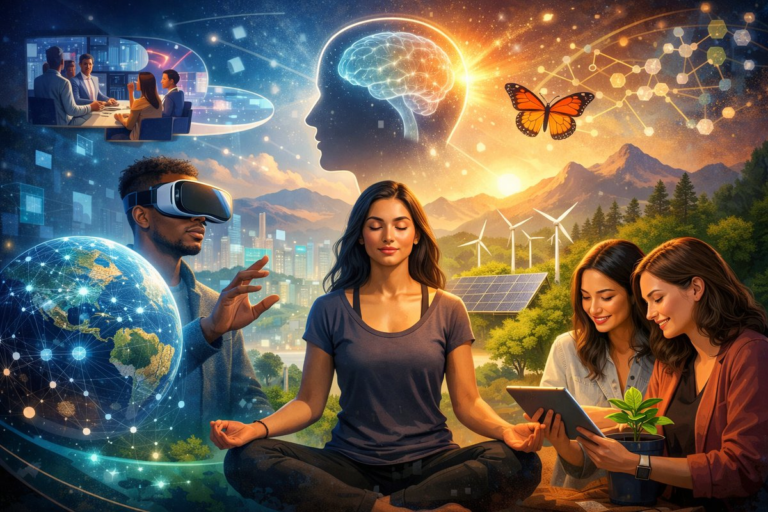
Work and leisure are no longer separate realms but parts of a fluid spectrum shaped by new social dynamics and design sensibilities. Across cities and suburbs, four key forces are converging: blending the physical and digital, injecting nature into built environments, recalibrating our sense of community around proximity, and reigniting hands-on creativity. These signals of change point toward a future that values emotional intelligence, sustainability, curiosity, and privacy-whether we’re spinning kombucha at home or collaborating on a cloud-hosted 3D prototype with someone halfway around the world.
At the heart of this shift is a redefinition of “workspace.” Remote work has matured into nomadic workstyles that fuse travel with productivity. Instead of relegating their laptops to home desks, digital nomads are gravitating toward coworking venues that feel more like living rooms than corporate offices. Vertical gardens and living walls soften open-plan layouts, while private phone booths clad in natural cork offer respite from background noise. These spaces double as incubators for micro-communities: lunchtime ramen nights, weekend pottery classes, and book exchanges spring up organically when people share a leaf wall and communal coffee bar.
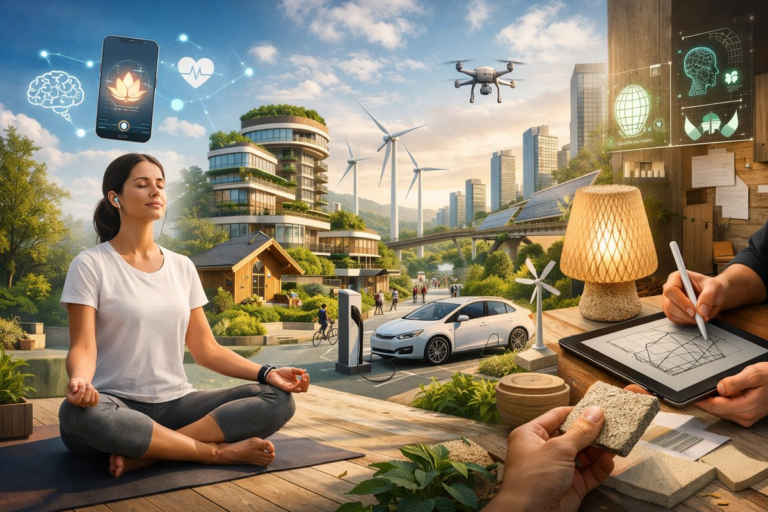
This biophilic ethos extends beyond coworking hubs. City planners and interior designers are embedding greenery into architecture-transforming parking garages into pocket parks, retrofitting subway stations with moss panels, and deploying modular planter kits on apartment terraces. Urban beekeeping and rooftop microfarms are gaining traction among residents keen to source hyper-local produce. Kitchens once designed for takeout containers are being retooled to host fermentation workshops and zero-waste meal prepping. The rise of DIY food labs speaks to a collective curiosity about microbiomes-both human and environmental-and a desire to reconnect with the seasons, even in high-rise apartments.
Parallel to this green renaissance is a countercurrent celebrating craftsmanship. After a decade dominated by digital interfaces, maker culture is experiencing a revival. Community workshops equipped with laser cutters, 3D printers, and CNC routers invite hobbyists to prototype everything from custom lamp shades to artisanal wooden watches. This hands-on trend underscores an emotional yearning for tangible results and personal agency. Sharing progress on microblogs and live-streaming build sessions taps into social reinforcement loops-collaborators cheer each other on while trading tips on filament types, wood finishes, or open-source design files.
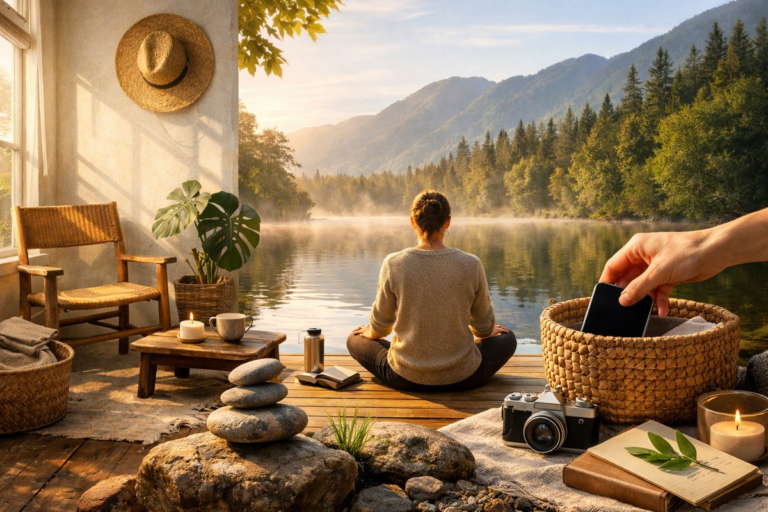
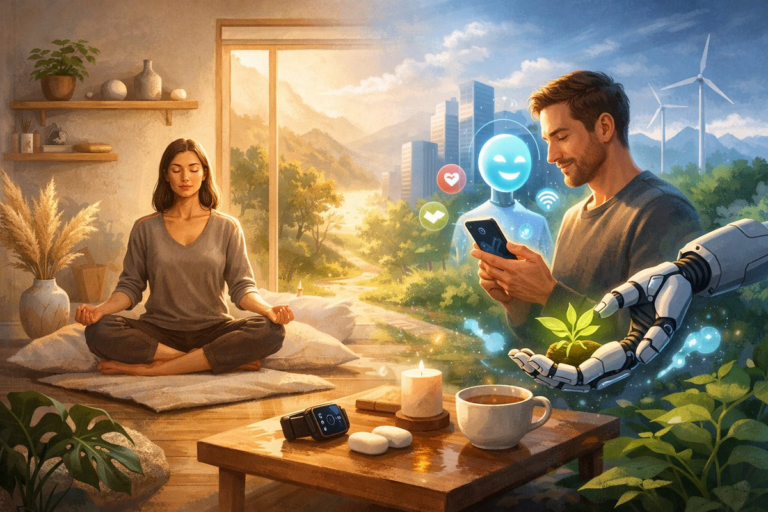
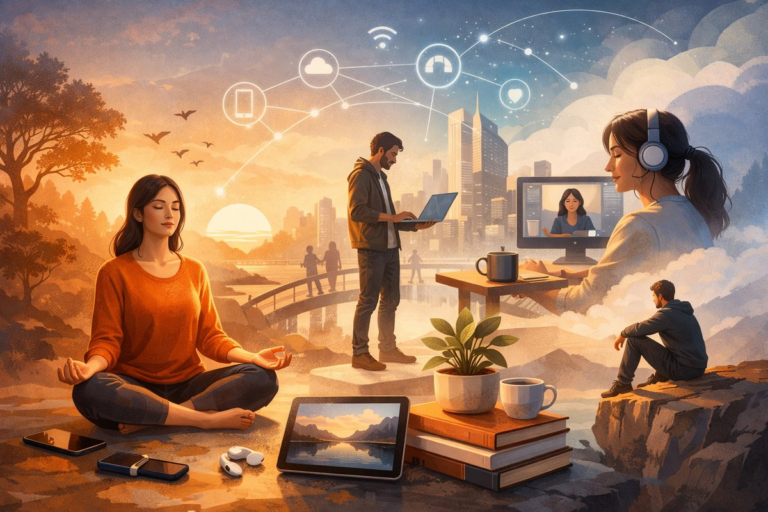
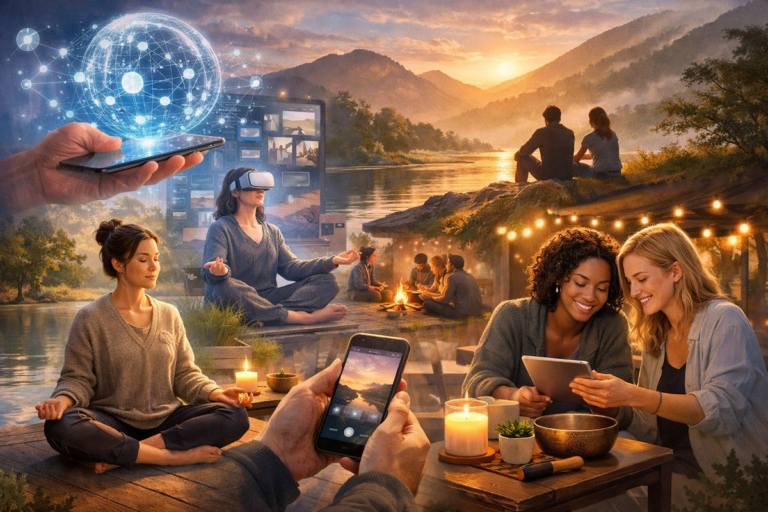
Yet technology remains a silent partner rather than an all-consuming master. Slow-tech rituals are emerging as antidotes to always-on lifestyles. Weekday routines might include analog morning pages in a fountain-pen journal, midday stretch breaks guided by simple fitness bands, and evening digital-detox sessions with wireless noise-cancelling earbuds blocking out notifications. Wearable devices still track sleep and stress metrics, but the focus has shifted from self-optimization to self-awareness. Apps that remind us to pause and breathe, or to reflect on three things we’re grateful for, are becoming as essential as calendar alerts.
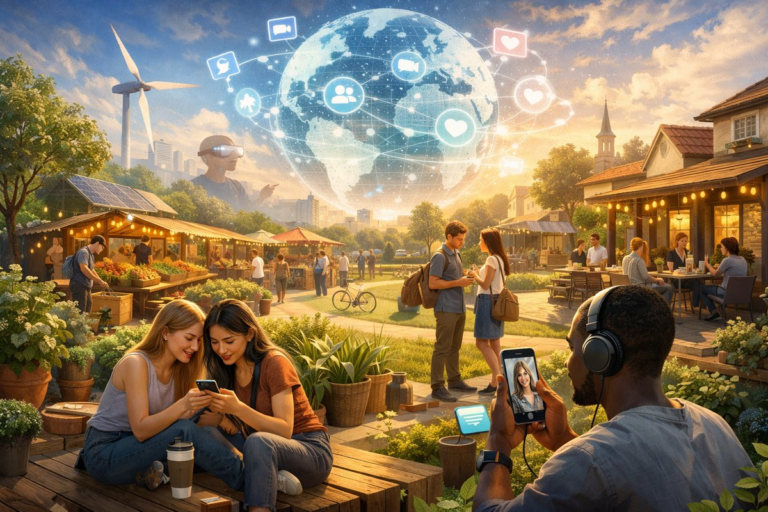
Culture, too, is finding new footholds in proximity. Hyperlocal marketplaces and neighborhood barter networks are revving up. Instead of scrolling endless platforms to buy pre-owned goods, people are swapping items with neighbors over a community bulletin board or dedicated messaging channels. A baby stroller might trade hands alongside a loaf of sourdough bread; a ukulele for rent could appear next to a weekend babysitting exchange. These micro-economies foster trust at a scale small enough to sustain interpersonal bonds.
Even entertainment is morphing into micro-scale experiences. Pop-up micro-cinemas in vacant storefronts host film marathons for fifteen people, complete with projector screenings, portable speakers, and curated snack bars selling local soda flavors. Living rooms are converting into themed puzzle-hunt arenas for friends. Augmented-reality street art trails invite passersby to unlock digital murals through smartphone cameras. Each of these intimate formats emphasizes discovery and shared curiosity over passive binge-watching.
Design language across these trends leans modular and reconfigurable. Furniture brands are unveiling stackable, tool-free components that can shift from desk to dinner table to art easel in minutes. Lighting fixtures integrate magnetic tiles, allowing residents to sculpt ambient glow patterns that follow their daily rhythms. Apps and physical controls coexist: smart bulbs sync to sunrise and sunset, but can still be toggled by a tactile dimmer on the wall. This seamless interplay between screen and surface honors both digital fluency and the human craving for tangible touchpoints.
The convergence of these movements suggests a broader social phenomenon: the forging of hybrid spaces that honor individuality while reinforcing communal ties. By weaving natural elements, mindful routines, and local exchanges into the warp and weft of daily life, people are reclaiming agency over environments once dictated by corporate norms. They’re saying yes to slower rhythms, yes to meaningful craftsmanship, yes to micro-scale gatherings, and yes to technology that respects privacy and fosters well-being.
Looking ahead, we can expect these patterns to deepen. Neighborhoods may host quarterly tool-share fairs alongside farmers markets. Independent cinemas might emerge as cultural hubs curated by local artists and archivists. Co-living spaces will prototype eco-pods and shared hydroponic installations. AI-driven platforms might make adaptive recommendations for neighborhood events-like yoga in the park or rooftop stargazing nights-while preserving personal data through decentralized ledgers. Even our kitchens could become hybrid labs where smart fermentation crockpots work in tandem with artisanal pickling boards, capturing fermentation stats without siphoning personal details.
In essence, the trajectory points toward a world that balances scale with soul. As we harness digital tools and algorithmic insights, we’re also slipping back into the comfort of analog rhythms-picking up a whisk, tending a seedling, drafting notes with pen on paper, and swapping stories in person. These unfolding signals of change reveal that while technology propels us forward, it’s our human need for connection, creativity, and meaning that ultimately shapes what’s next. And as these emergent patterns continue to ripple outward, they invite us to co-author the design of our collective tomorrow-one micro-garden, one maker-project, one neighborhood gathering at a time.