Location
Mount Vernon, WA 98274

Location
Mount Vernon, WA 98274

Subtle tremors in how we connect, create, and consume reveal deeper transformations in culture, design, and technology. This exploration uncovers emerging patterns-from mindful digital breaks to bio-integrative materials-that point toward a more adaptable, human-centered tomorrow.
In every corner of daily life, subtle tremors signal that the ground beneath our routines is shifting. We no longer chase novelty for its own sake; instead, we hunt for experiences that feel authentic, sustainable, and deeply rooted in purpose. The patterns of consumption and creation are evolving in tandem with growing calls for environmental responsibility, emotional well-being, and collective resilience. As apps introduce “focus modes” and pop-up craft fairs sprout in repurposed shipping containers, a new ethos of mindful engagement is emerging. It’s a quiet revolution-one powered not by blockbuster launches or glossy ad campaigns, but by grassroots movements, open-source collaborations, and a renewed appetite for material honesty.
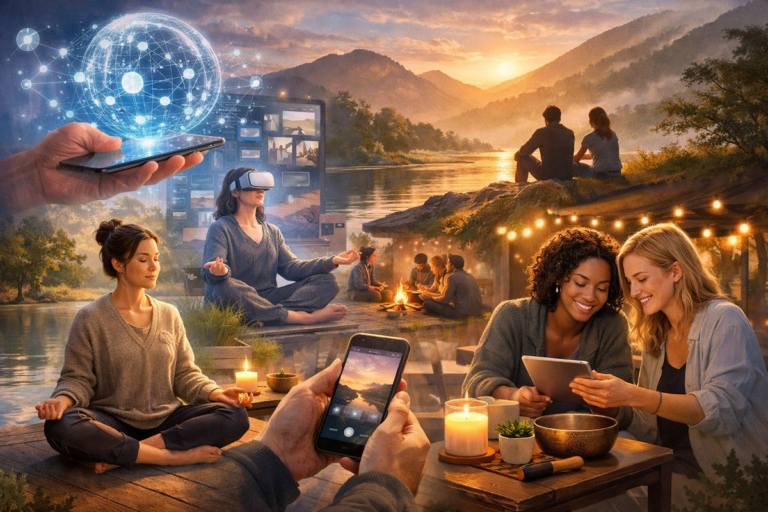
Across digital culture, the pendulum is swinging away from endless scrolling toward intentional pauses. Users are carving out “slow windows” for reading long-form essays, listening to guided micro-meditations or engaging in asynchronous group chats with no pressure to respond immediately. Small communities centered on analog rituals-pen pal exchanges, zine-making circles, pocket-sized poetry swaps-have exploded on social platforms, creating pockets of calm in an otherwise shouting match. These micro-niches celebrate the joy of taking things one step at a time, whether that means mastering a daily sketch practice with a compact sketchbook or hosting low-key listening parties for handmade mixtapes.
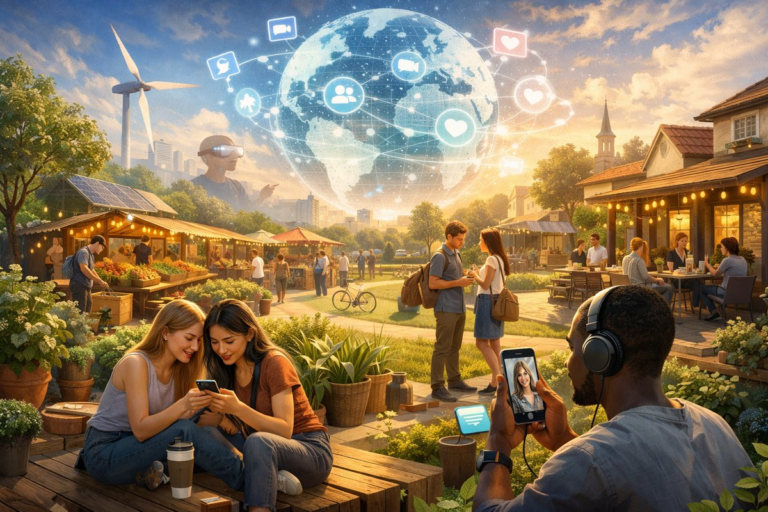
Meanwhile, the built environment is responding with modular, adaptive spaces that blur inside and out. Pop-up parklets in urban centers invite passersby to sow micro-gardens or share story fragments on community chalkboards. Co-living experiments, often out of view of mainstream real estate listings, are embracing compact private suites linked by shared kitchens, sliding walls, and communal craft studios. The DIY ethos is alive in open-source furniture plans that make it easy to 3D-print connectors for reclaimed wood beams or weave textiles from recycled polyester yarn. Such innovations give rise to neighborhood ecosystems that can sprout, shift or vanish in response to resident needs and environmental conditions.
Material science, too, is moving out of laboratories and into everyday objects. Biodegradable packaging derived from seaweed and mushroom mycelium is entering grocery aisles; plant-based leather alternatives are showing up on jacket racks alongside vegetable-tanned hides. Designers are prototyping concrete mixes that incorporate industrial byproducts, slashing carbon emissions without sacrificing strength or aesthetic versatility. In tandem, small-batch weavers are experimenting with algae-dyed linens and coffee-ground textiles, offering tactile alternatives to mass-produced synthetics. These efforts herald a shift from extractive supply chains to regenerative loops where waste becomes a feedstock and longevity replaces disposability.
On the emotional front, new rituals are lending structure to otherwise fractured days. At dawn, people gather on video calls for two-minute breath-work sessions before hopping into email threads. At twilight, neighborhood WhatsApp groups share curated playlists for communal unwinding-no algorithm required. Micro-celebrations abound: daily gratitude journals exchanged through password-protected blogs, monthly skill-share potlucks convened in repurposed storefronts, and flash-mob reading circles that animate empty subway cars. Such practices demonstrate a yearning for collective calibration: small acts performed with others to reinforce bonds, even when physical proximity isn’t possible.
The world of work, long dominated by rigid schedules and siloed collaboration, is being reimagined. Teams embrace deep-focus sprints-two-hour blocks where notifications are silenced and status updates deferred. Offices transform into labs where furniture can be reconfigured in minutes to host ideation sessions, workout breaks or meditation circles. Remote workers adopt nomadic desk kits-durable laptop stands, foldable backrests and compact noise-blocking headphones-that slip into messenger bags alongside reusable water bottles. These shifts reflect a deeper realignment: prioritizing flow over friction, and well-being over always-on availability.
Even our digital tools are realigning with human rhythms. Messaging apps now offer built-in “activity nudges” that suggest stepping away for a stretch after 45 minutes of screen time. Creative platforms experiment with “collab canvases” where contributors leave time-stamped sketches and voice memos, layering ideas in organic sequences rather than linear threads. Meanwhile, algorithmic filters give way to community-curated feeds, where trust is earned through shared values rather than engagement metrics. In this emerging landscape, technology doesn’t demand our attention-it invites our participation on our terms.
Taken together, these signals form a constellation of emerging priorities: slow authenticity, material mindfulness, modular adaptability and collective emotional calibration. They remind us that large-scale change often begins in the margins, in the small adjustments we choose to make in how we connect, craft and care for one another. As the boundaries between digital and physical, individual and community, design and ecology continue to blur, we find ourselves with a fresh set of tools for shaping a more resilient future.
The next time you pause that playlist to jot down a note, sew a patch onto your tote, or join a sunrise breath-work session, remember that you’re participating in an unfolding experiment. The artifacts you choose-whether a fold-flat lamp for impromptu reading, a pocket sketch pad, or a packet of microgreen seeds-become markers on the map of collective transformation. By embracing these whispers of change, we gain the power to design a world that honors our humanity at every scale and cadence.