Location
Mount Vernon, WA 98274

Location
Mount Vernon, WA 98274
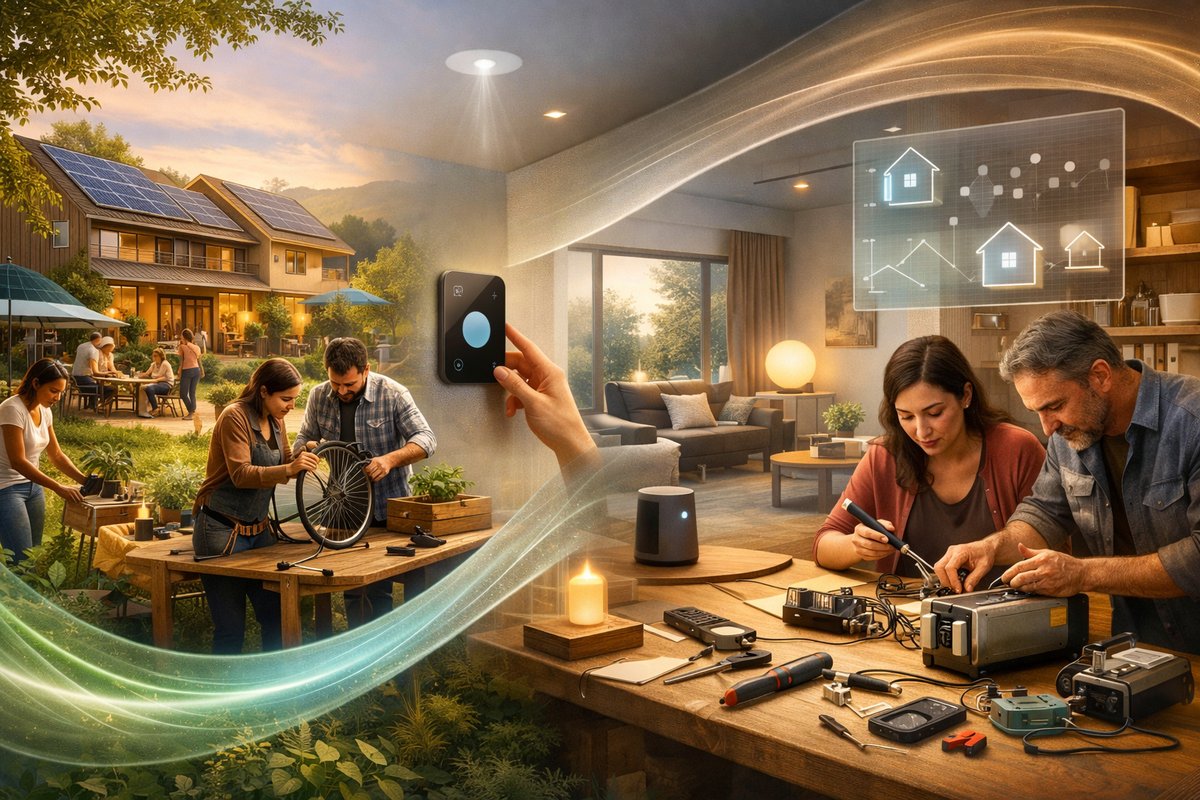
From the revival of neighborhood co-housing experiments to the rise of invisible sensors shaping our homes, subtle shifts are rippling through daily routines. By tracing patterns in communal repair initiatives, ambient interfaces, and sensory minimalism, this article maps the signals pointing toward a more intentional, sustainable future.
In living rooms and local parks, in smartphone apps and kitchen counters, subtle signals are converging to reshape how we connect, work, and find meaning. These emerging currents are neither thunderous revolutions nor headline-grabbing breakthroughs. Instead, they are quiet ripples-micro-trends and experimental communities-that reveal deeper shifts in values around resilience, presence, and sustainability.
Across city blocks, neighbors are pooling resources to cultivate shared gardens, swap tools, and host repair cafes. Far from nostalgia for a bygone era, this micro-communalism responds to rising concerns about supply-chain fragility and social isolation. Community gardeners are using simple sensors and open-source weather stations to fine-tune watering schedules. Apps that track soil moisture and local rainfall guide scheduling for planting kale and pollinator-friendly flowers. While the hardware remains affordable-motion sensors repurposed from hobbyist kits-its real power emerges when groups share data to anticipate drought stress or prevent frost damage. The result is a patchwork of small orchards, herb circles, and edible hedgerows growing in alleyways, rooftops, and schoolyards.
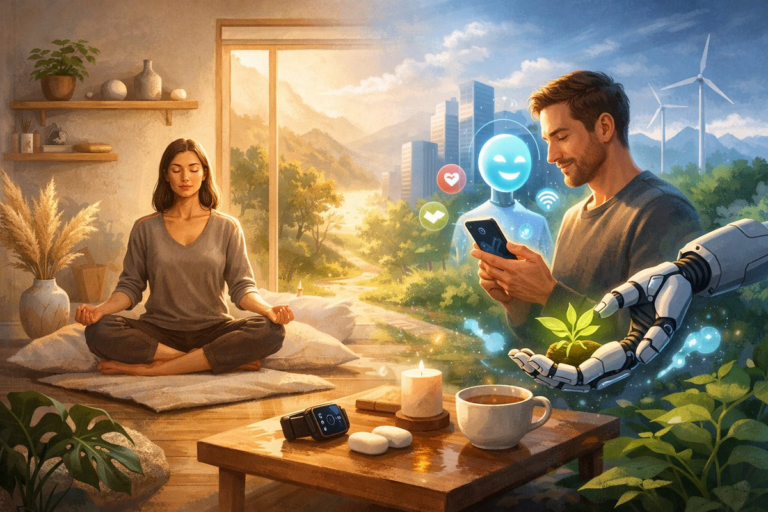
In parallel, the home itself is becoming an ambient stage for background intelligence. Motion detectors embedded discreetly in hallways, smart plugs that monitor energy use, and voice-activated assistants blended into light fixtures are dissolving the boundaries between device and décor. Instead of jarring alerts, these systems whisper context: a gentle glow signals an open window on a rainy morning, while a subtle hum shifts when air quality drops. Rather than wrestling with complex interfaces, residents learn to read color cues and ambient soundscapes. This move toward “invisible tech” emphasizes low-effort interactions, minimizing screen-time fatigue by embedding prompts in daily rituals: a colored beam toward the sink reminds you to hydrate, a barely audible chime signals time to stretch between work calls.
As our environments grow smarter, a counter-trend of sensory minimalism has also taken hold. Fueled by growing awareness of digital overload and the mental toll of constant connectivity, many are rediscovering the allure of analog tools. Leather-bound notebooks are back in fashion, not as status symbols but as vessels for bullet journaling, relief mapping, and idea sketches. Local stationery artisans are reporting 20 percent year-over-year sales growth in fountain pens and recycled-paper pads. Pop-up workshops for calligraphy and letterpress printing double as social gatherings where people swap stationery, share layouts, and compare pen nibs. Even on office desks, a tactile timer-often an hourglass set or simple wind-up clock-coexists with smartphone timers, inviting moments of deliberate pause.
Online, identities are fluid and ephemeral. Social feeds built around short-lived photo sets, voice-only chatrooms that vanish after a session, and avatar-driven virtual lounges are offering alternatives to static profiles and permanent sharing. These platforms emphasize mood-based connection: today you might lounge as a watercolor-sketched character sipping digital tea with friends; tomorrow, you morph into an origami-inspired avatar in a cloudscape. The allure lies in playfulness and privacy by design. Without a permanent record, participants feel freer to experiment with voice, persona, and creative expression. Emerging standards for decentralized identity promise even more control over personal data, allowing individuals to curate their social footprints with granular permissions.
Environmental mindfulness underpins many of these shifts. As concern over waste and carbon footprints deepens, everyday objects are reimagined through the lens of circular design. Bamboo toothbrushes replace plastic ones, stainless steel water bottles with bamboo lids supplant single-use cups, and compostable packaging made from mycelium and potato starch edges into mainstream availability. Local makers’ markets report a surge in demand for handcrafted items using reclaimed wood or upcycled textiles. Digital platforms dedicated to peer-to-peer sharing of tools, clothing, and kitchenware are expanding beyond weekend swap events into integrated mobile apps, complete with credit systems for lending and returning items.
Not all these signals point toward utopian harmony. The influx of ambient sensors raises questions about data ownership and surveillance creep. Repair cafés sometimes struggle with liability when a power drill bit shatters or a soldering iron splatters. Virtual-avatar social spaces face moderation challenges as identities blur and bad actors slip through anonymity. Yet these frictions are part of the signal itself-revealing which designs need recalibration, what policies must evolve, and where grassroots experimentation meets regulatory frameworks.
The workplace feels the echo of these trends too. Remote-first companies are equipping home offices with ergonomic standing desk converters, ambient noise modules, and climate-control gadgets so employees can craft personalized micro-environments. Water-usage sensors attached to kitchen faucets nudge breaks for mindful hydration. Virtual coffee rooms use minimalist, avatar-driven interfaces that deprioritize text chat, encouraging spontaneous voice check-ins instead. Teams are piloting “digital sunset” policies that dim notifications and mute channels after work hours, signaling an intentional boundary between professional and personal time. Such measures reflect a growing consensus that productivity flourishes when technology recedes into supportive background modes.
Travel and leisure are not immune to these undercurrents. Micro-escapes-day trips centered on pottery classes, forest-bathing walks guided by urban foragers, and sunrise tai chi sessions in reclaimed industrial sites-are gaining traction. Tour-booking platforms that once prioritized mass-market attractions are now featuring curated “slow travel” itineraries led by local craftspeople and environmental stewards. Guests learn traditional weaving techniques, practice low-impact fire-making, or participate in seed-saving workshops before bedtime. Social media tags celebrating “offline pilgrimages” have climbed by 35 percent in the past year, suggesting more people seek experiences that plug them into place rather than into online applause.
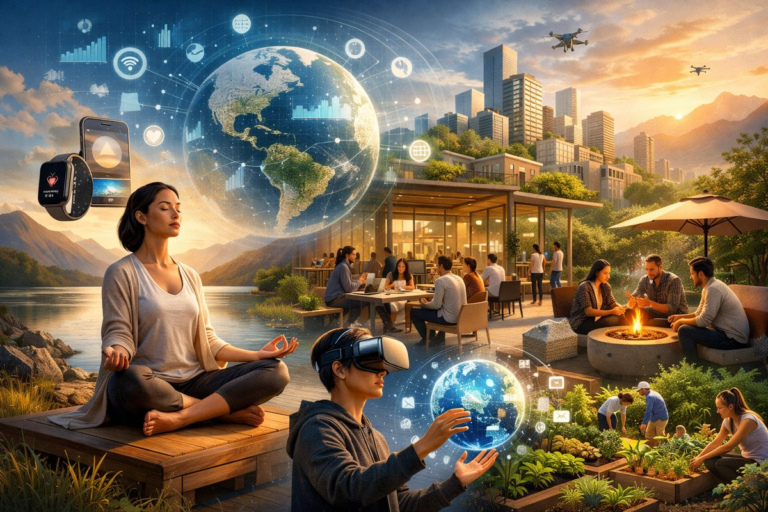
What unites these diverse signals is a shared orientation toward intentional presence, distributed agency, and environmental attention. Whether through co-created gardens, invisible interfaces, analog notebooks, or ephemeral digital personas, individuals and communities are asserting the right to shape their own rhythms. The technologies that support these rhythms are not about more screen-time or flashy new features-they are about dissolving friction, amplifying collective intelligence, and honoring the physical world we inhabit.
As designers, policymakers, and everyday participants tune into these currents, they will find fertile ground for innovation. A local repair cafe could integrate sensor-driven workflows to track tool usage and maintenance needs. A startup might develop modular sensor kits that seamlessly attach to furniture, lighting, and appliances for ambient feedback loops. Co-housing projects could experiment with shared energy-use dashboards, letting neighbors collaboratively optimize solar panels, battery storage, and micro-grid exchanges. Virtual social platforms can bake in ethical guidelines to guard against harassment in anonymous spaces, turning ephemeral chatrooms into bastions of kindness.
The promise of these emerging patterns lies not in predicting an exact future, but in offering a palette of possibilities. By observing the small experiments sprouting in backyards, studios, and coding sprints, we glimpse a more human-centered path forward-one that honors both our digital ingenuity and our need for tactile grounding. These ripples may be quiet now, but together they can swell into powerful waves of change.
In the months ahead, watch for cross-pollination: ambient sensor makers teaming up with community cooperatives, stationery artists collaborating with mindfulness coaches, virtual-identity platforms partnering with digital-rights advocates. These alliances will reveal the next inflection points of collective aspiration, where technology amplifies empathy and sustainability roots itself in shared practice. The whispers of tomorrow are already here-listen closely, and you’ll hear the hum of possibility.