Location
Mount Vernon, WA 98274

Location
Mount Vernon, WA 98274

From reimagined co-living villages to the rise of AI companions in daily routines, new social phenomena are reshaping how we work, live, and recharge. These evolving patterns reveal a collective shift toward conscious consumption, flexible lifestyles, and technology that supports well-being rather than undermines it.
Across bustling metropolises and rural retreats alike, a quiet revolution is unfolding. Each community gathering, every app update, and every product launch hints at deeper currents driving our collective future. As remote work populations swell, sustainability gains new adherents, and digital assistants grow ever more intuitive, we find ourselves at a crossroads: will we solve friction points in daily life or simply chase the next novelty? By tuning into emerging patterns-in design, culture, technology, and personal habits-we can glimpse the road ahead and equip ourselves for the detours.
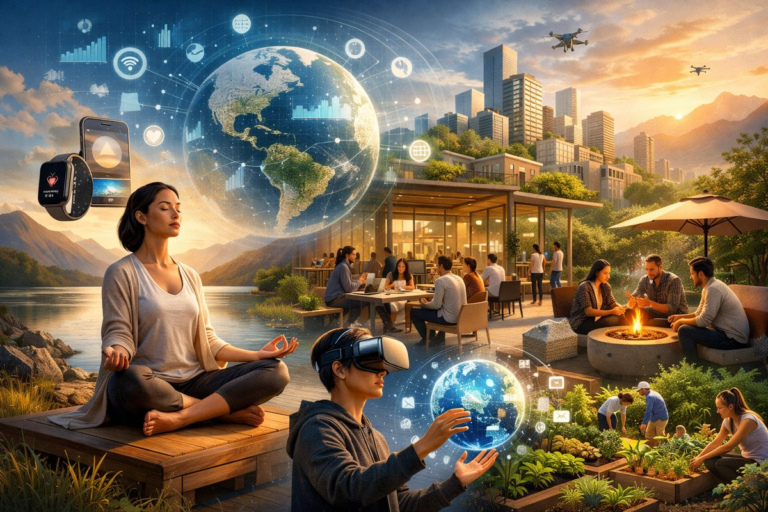
Early last year, an industry report noted that remote workers worldwide had increased by more than 50 percent compared to the previous two years. In response, entrepreneurs and local governments have begun to seed “digital nomad” villages: co-living spaces in seaside towns and mountain hamlets that combine high-speed internet, shared work lounges, and sustainably repurposed structures. These micro-communities emphasize flexibility, allowing residents to cycle between focused solo work and collaborative hackathons in repurposed barns or converted shipping containers.
Inside these hubs, ergonomic home office setups are evolving too. Gone are the days of a simple desk and chair; remote workers now invest in mechanical keyboards that deliver precise tactile feedback and portable monitors that clip onto laptop screens for dual-display efficiency. Wireless earbuds with active noise cancellation help filter out background chatter, while minimal-frame laptop stands and foldable accessories pack easily into day bags. In these mobile work environments, every tool must balance performance and portability-no small feat when you’re cranking through time zones.
Sustainability isn’t merely a buzzword; it’s a guiding principle behind many new ventures. The global market for recommerce-reselling, repurposing, and renting everyday items-has surged past $50 billion. Pop-up thrift bazaars now coexist with digital wardrobe-sharing platforms. Apartment dwellers subscribe to modular furniture services that allow them to swap sofas, shelving units, and lighting fixtures on demand, cutting down waste while keeping interiors fresh.
A similar ethos has taken hold in outdoor recreation. With climate concerns top of mind, adventurers seek gear that treads lightly on the planet. Portable solar chargers now power phones and headlamps deep in the backcountry, while collapsible water bottles reduce single-use plastic on city streets. Even everyday carry kits showcase multipurpose tools-reusable utensil sets that stow into credit-card-thin cases, and biodegradable coffee filters for beans ground over camp stoves.
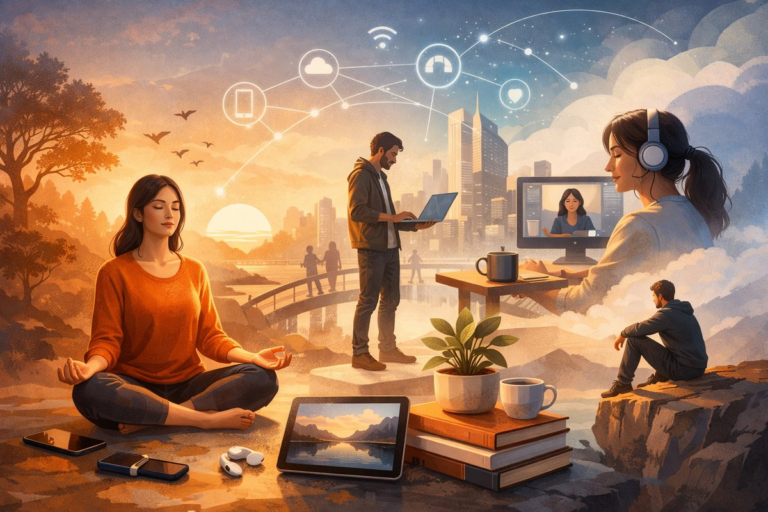
Meanwhile, artificial intelligence has quietly slipped into routine life. Chat-based assistants draft emails, suggest meal plans based on dietary preferences, and curate personalized playlists to match our energy levels. According to a recent survey, nearly 40 percent of professionals now rely on generative AI for brainstorming or drafting first revisions. Yet a counter-trend is emerging: people carving out “digital detox zones” in homes, where smart speakers and notification lights are silenced so families can connect without pings and vibrations.
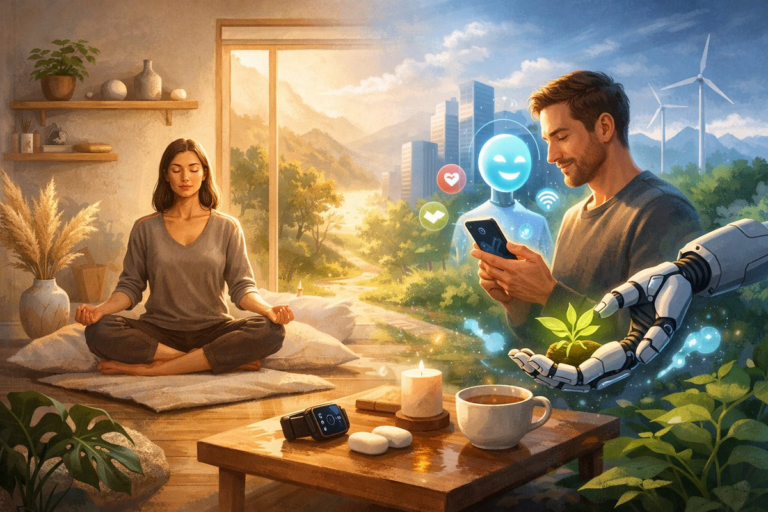
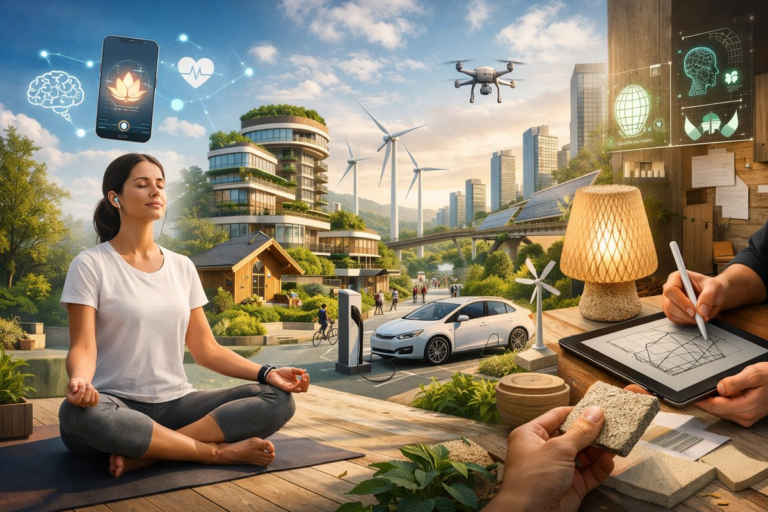
Mindful tech is the name of the game. Meditation apps with real-time biofeedback guide users through breathwork, while wristbands that track stress levels buzz gently when it’s time to pause. Plant-care sensors embedded in pots send alerts when humidity dips, encouraging caretakers to spend a moment nurturing greenery. The goal isn’t to replace human intuition but to foster small, deliberate pauses in our always-on routines.
Parallel to digital mindfulness, wellness has become hyper-integrated into daily rituals. At-home exercise has evolved beyond yoga flows on YouTube. Smart yoga mats measure alignment and offer corrective feedback, while compact standing desks fold flat against walls for instant posture shifts. Evening wind-down kits include salt lamps and sound-scaping machines that mimic ocean waves or forest rain, helping busy minds transition into restful sleep.
Physical and digital realms are weaving together more tightly than ever. Augmented-reality glasses now overlay transit schedules and historical facts onto city streets. In smart apartments, security cameras equipped with simple facial recognition differentiate between trusted visitors and unknown guests, sending homeowners instant notifications of deliveries or late-night wanderers. These systems promise convenience, but they also spark conversations about privacy boundaries and the ethics of constant observation.
On social media, tastes are pivoting away from hyper-polished feeds toward more fleeting, authentic moments. Platforms emphasizing ephemeral content have seen engagement jump by 30 percent as users crave honest snapshots over curated highlight reels. Meanwhile, independent newsletters and audio memos are experiencing a renaissance; niche communities band together around shared interests-be it rare vinyl records, urban foraging, or slow-fashion mending circles-exchanging deep-dive insights beyond the scroll.
Whether these currents will coalesce into a lasting tide or splinter into new sub-cultures remains to be seen. Yet one thing is clear: we’re redefining progress, measuring success not by accumulation but by adaptability, intentionality, and collective well-being. By staying attuned to these emerging patterns, we gain more than a snapshot of the moment; we glean signposts for navigating the social and technological landscapes that lie just beyond the horizon.