Location
Mount Vernon, WA 98274

Location
Mount Vernon, WA 98274
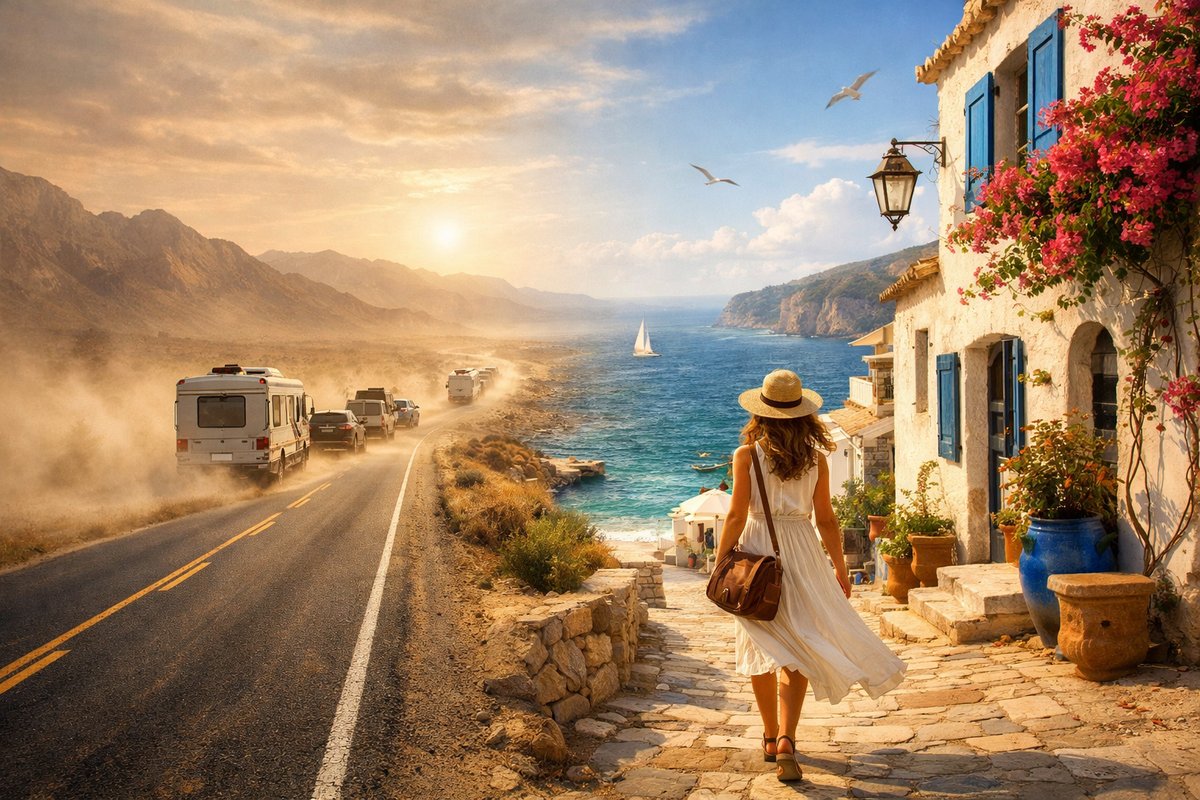
A drifting caravan of dust on an open highway, a coastal breeze guiding footsteps through salt-kissed streets-travel is both mirror and map. This article explores the landscapes that call to us, the communities that welcome us, and the inner currents that carry stories home.
A single highway stretching under a vast sky can feel like an invitation. Tire treads crackle over sunbaked asphalt as the horizon shimmers with heat. Whether you’re rolling along a desert highway toward rust-colored mesas or winding through rolling hills blanketed in olive groves, the act of moving invites a kind of opening. Early morning light transforms roadside motels into glowing beacons. Steam rises from fresh coffee poured into chipped mugs. The world seems to hush for a moment. In that hush lies the promise of discovery: a hidden canyon, a cliffside trail, a roadside stand selling handwoven blankets.
Dusty dunes unfurl like golden waves in some desert corners of the world. A soul stirring moment comes when you step from a sun-baked road onto fine sand, each footprint vanishing behind you like a whispered secret. In the embrace of a shifting dune field you learn to navigate by instinct-wind patterns, angles of slope, the distant call of solitary birds. In places where there are no streetlights, stars reveal themselves by the thousands. At night, campers gather around lantern glow, sharing tales passed down through generations. Under that tapestry of constellations, the desert hums with an ancient rhythm that feels both humbling and freeing.
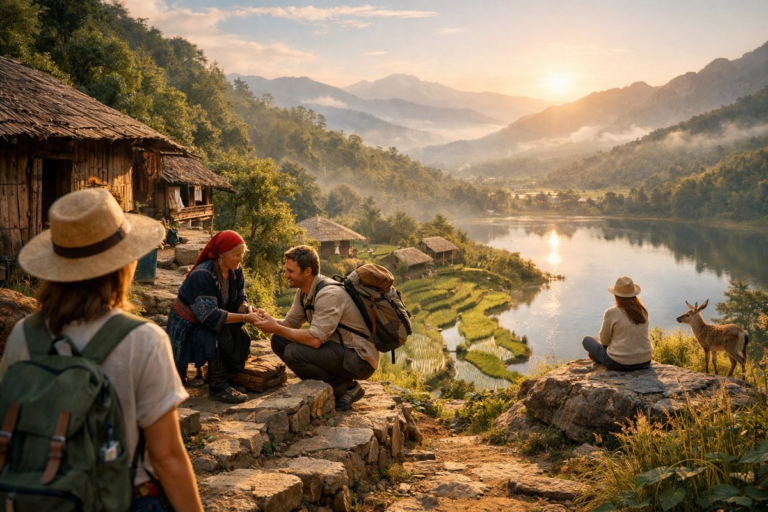
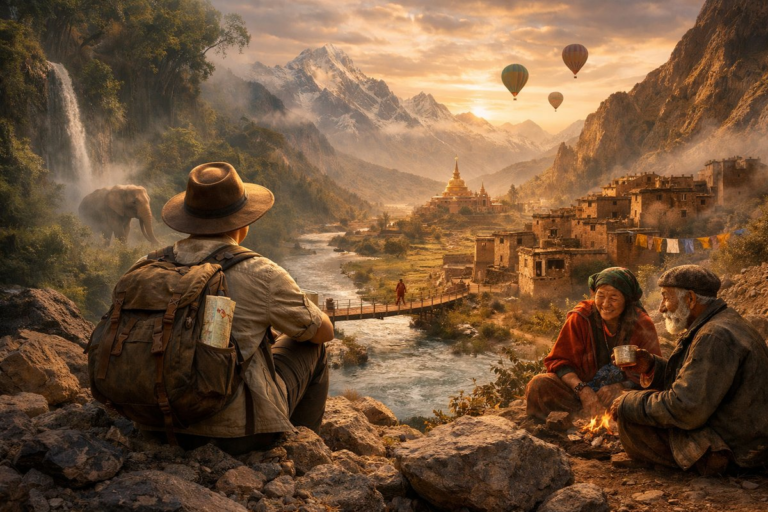
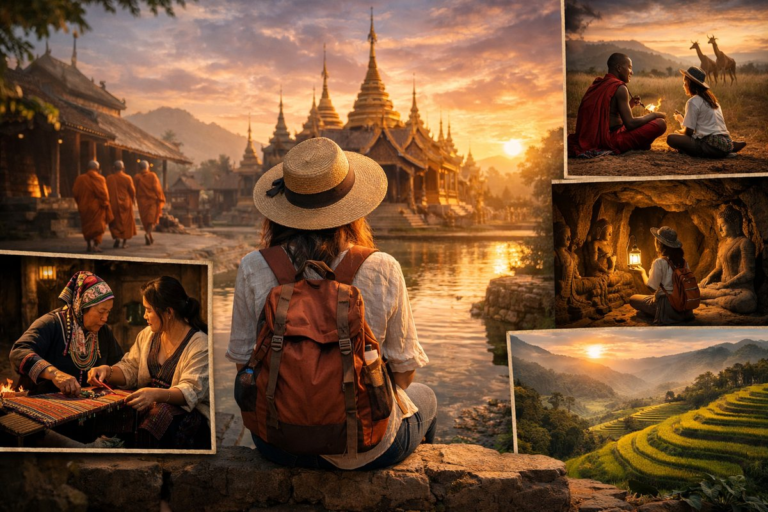
Beyond the landscape, it’s people who truly animate a journey. In small desert encampments, nomadic families welcome strangers with gleaming brass teapots and cushions swept across the sand. Conversation is an exchange of simple courtesies and profound curiosities. Hands gesture toward distant hills where grazing herds roam, and stories flow about the wind’s shifting moods. In those moments you realize travel is not just about seeing new vistas but about finding shared threads-language of hospitality that needs no translation. When gift and gratitude move effortlessly between two cultures, you carry a sense of belonging long after the teapot has been packed away.
Coastal highways offer a different sense of forward motion, one measured in briny breezes and surf breaks. You might camp beside a lonely lighthouse, waves slapping the rocks in percussive rhythm. At dawn you lace your boots for a cliffside walk, breathing in the tang of salt spray. Small seaside towns blur by, colorful houses stacked like postcards against turquoise water. Fishermen pull nets shimmering with fresh catch, and street vendors offer grilled fish tacos dusted with lime. In that interplay of sea and settlement, you sense the ebb and flow not only of tides but of human lives shaped by them.
Wandering through coastal markets, time seems to bend. Stalls draped with patterned textiles spill over with ceramics painted in azure and terracotta. Spices rest in pyramids-fiery paprika, earth-dark cumin, golden turmeric-inviting both bargain and indulgence. You barter for a length of cloth that later becomes a makeshift picnic blanket atop a secluded cove. Every purchase feels like a piece of local history sliding into your backpack. With each fold, cloth carries memory of dusty streets, laughing children, the song of street musicians weaving through narrow alleys.
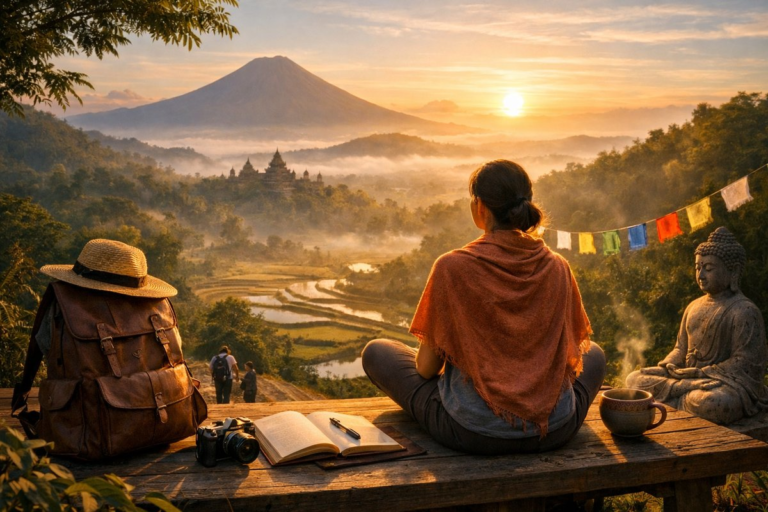
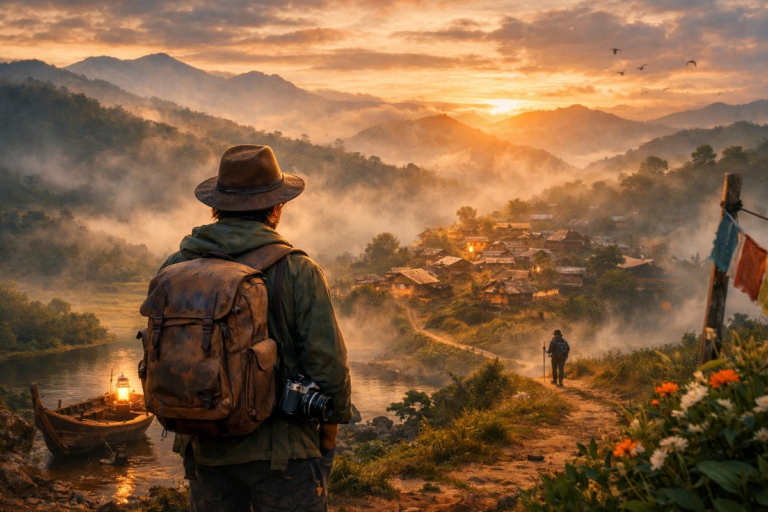
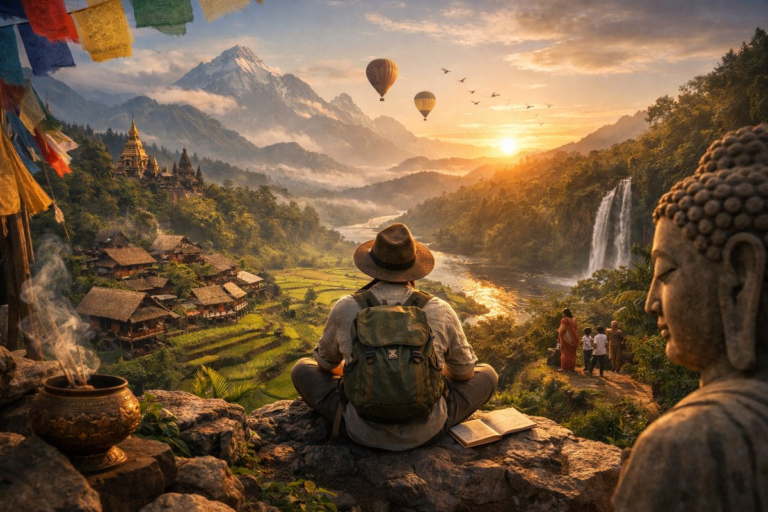
There is a quiet power in solo travel, too. At dawn you slip away while the world sleeps, backpack snug across shoulders. The trail snakes upward through pine forests, each step ringing out on rocky ground. Birds flit between branches, unseen but heard, and in the hush you hear your own breath, your own heartbeat. Reaching a ridge just as the sun peeks above the horizon, you watch a world painted in pinks and golds. In that solitary moment you feel both infinitely small and unfathomably vast, as if you’ve stumbled into a secret conversation between earth and sky.
With notebook in hand you settle near a weathered oak. Words come slowly at first-tentative sketches of color and feeling. Then ideas unfurl. You write of a young shepherd guiding goats through misty hills, of a makeshift fire warmed by shared laughter around a campsite, of salt-laced wind chasing you along the coast. Journaling becomes an act of weaving inner landscapes with the outer world. Every detail-sound of cicadas, warmth of cracked leather, taste of fresh berries foraged on a woodland path-becomes part of a larger narrative that you carry home, tucked safely in the folds of your mind.
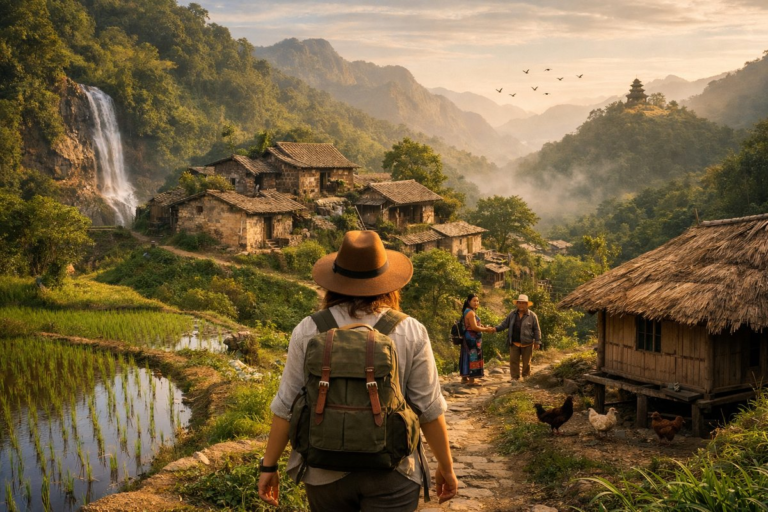
Travel reshapes not only your perspective on place but on impact. Leaning into sustainable choices becomes part of the journey’s ethos: choosing guesthouses run by local families, packing out your own trash, commuting on foot or bicycle whenever roads allow. When you swap a global hotel chain for a homestay perched above rice paddies, you swap abstraction for connection. Morning sunlight warms a shared kitchen where breakfast is built from eggs laid that day and fruit plucked from backyard trees. You learn to tread lightly, aware that the patterns we leave behind-worn footpaths, water footprints, echoes of conversation-can either enrich or erode.
Practical gear often takes pride of place in travel stories. A well-organized backpack, with compartments for cameras, journals, and snacks, can feel like an extension of the traveler’s mind. A portable water purifier bottle grants access to hidden streams and mountain springs. Noise-canceling wireless earbuds offer clarity on long bus rides, letting you lose yourself in ambient tracks or your own reflective playlist. A compact mirrorless camera captures unexpected angles of light and shadow, while a water-resistant travel journal preserves the smallest details of a day’s wonder. And tucked in a zip pouch, a small multi-tool survival kit reminds you that even the wildest adventure is grounded in quiet preparedness.
Budget-aware choices can deepen rather than limit a journey. Couchsurfing or shared dorm stays become portals to friendships across continents. Communal kitchens invite recipe swapping with fellow wanderers, turning a simple meal of rice and vegetables into a cultural exchange. Local markets often yield cheaper-and far fresher-ingredients than restaurants. When you cook a stir-fry with peppers pulled straight off a roadside table, you taste the rich tang of place itself. Even a shared ride in a local van can become an impromptu social hub, filled with laughter, stories passed from one traveler to the next, and unexpected detours into hidden shrines or roadside photo ops.
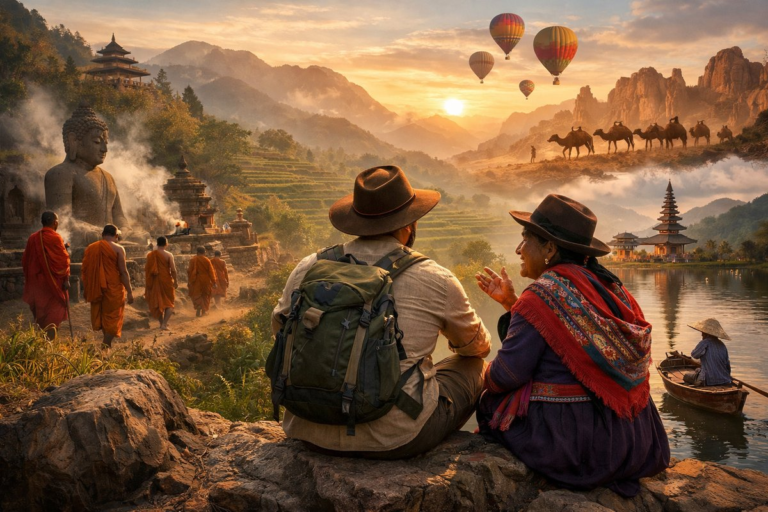
When the journey ends, the return can feel disorienting. Familiar streets, once comforting, seem thin and unreal compared to the textures of dust and salt and dew. Yet the real gift of travel is carried inside a traveler’s heart: a capacity to see beyond maps and guidebooks, to recognize the arc of a story in every human face, and to welcome the unknown as an invitation rather than a threat. The lessons linger-friendship built on shared bread, the echo of camel bells at dusk, the sudden rush of wind atop a mountain pass. Those are the souvenirs that last, artifacts of experience that shape how you move through every future horizon.