Location
Mount Vernon, WA 98274

Location
Mount Vernon, WA 98274
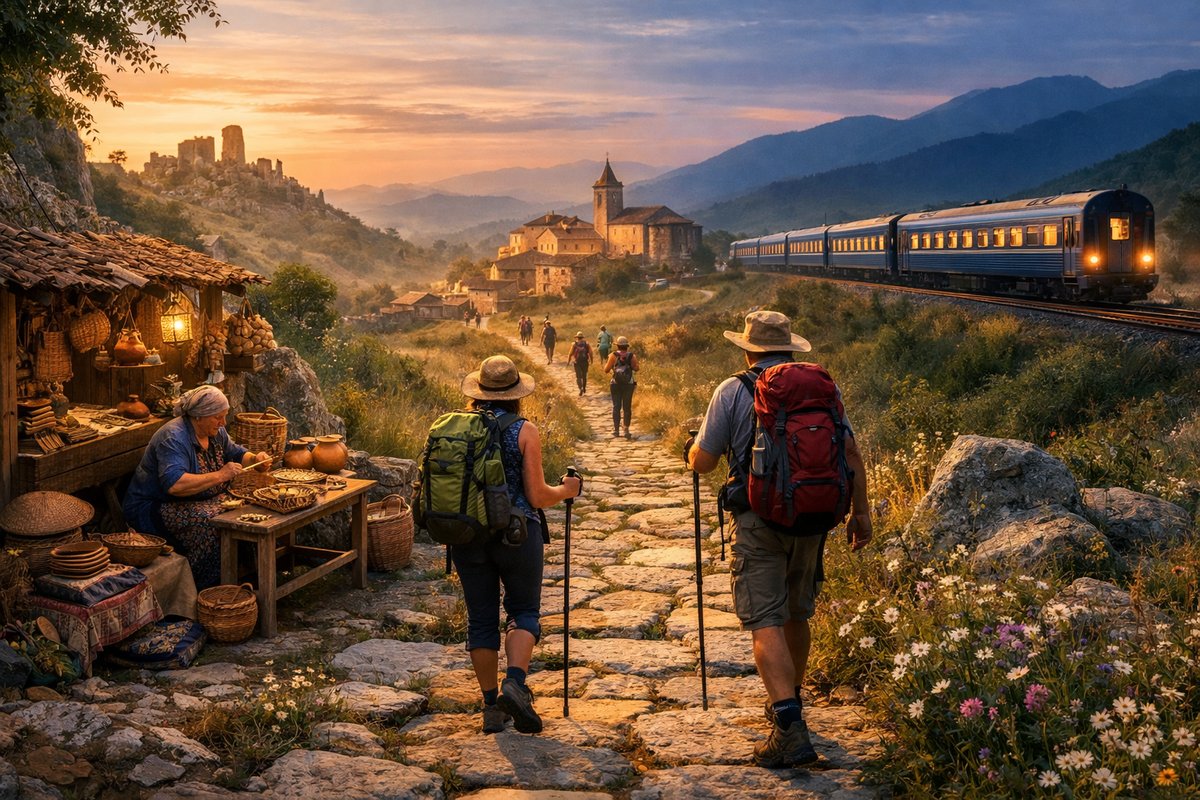
Across Europe and Asia, travelers are trading crowded cities for centuries-old footpaths, immersing themselves in local craft communities and sustainable waystations. With pilgrim numbers climbing 20 percent on key routes and new night trains linking distant villages, the journey itself is back in the spotlight.
In the rolling foothills outside Burgos, Spain, a steady stream of travelers follows weathered stone markers toward Santiago de Compostela. This year, Spain’s official pilgrimage office reported a 20 percent rise in arrivals on the Camino Francés, fueled by a renewed interest in slow-paced adventure and community-driven hospitality. Yet this surge isn’t confined to Spain alone. Across multiple continents, ancient footpaths are finding fresh purpose as destinations for introspection, cultural exchange, and sustainable tourism.
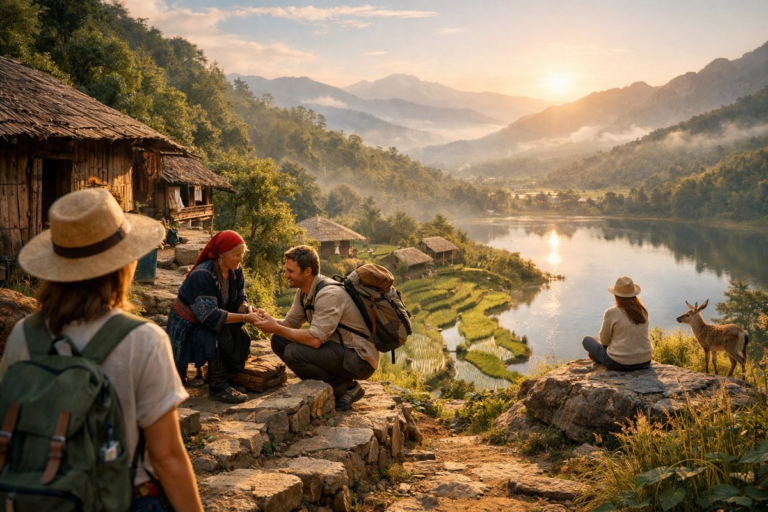
Pilgrimage routes have always carried a spiritual undertone. Today’s itineraries, however, are reshaping that legacy. Rather than focusing solely on religious devotion, modern pilgrims seek personal growth, creative inspiration, and hands-on learning. Along Spain’s northern coastline, travelers now gather in communal kitchen studios to learn traditional cheese-making from local artisans. In Japan, small inns along the 88-temple Shikoku circuit host workshops on indigo dyeing and woodblock printing, preserving centuries-old crafts that might otherwise vanish.
Beyond the workshops and cozy dormitories, the logistics of long-distance walking have also evolved. Night trains linking Paris to Rome and Hamburg to Florence have been reintroduced by several European rail companies. These overnight services blur the line between travel and respite, allowing passengers to cover hundreds of miles while asleep. It’s a practical response to rising climate concerns, offering a low-emissions alternative to short-haul flights and highway traffic.
Local communities have embraced the benefits. In the Italian region of Lombardy, villages along the Via Francisca del Lucomagno have banded together to refurbish century-old waystations. With funding from a UNESCO cultural heritage grant, these small hostels now feature eco-friendly insulation, solar panels, and communal gardens. Guests can barter a night’s lodging for a few hours of help in the garden or a cooking shift in the common kitchen – a simple passport to authentic cultural exchange.
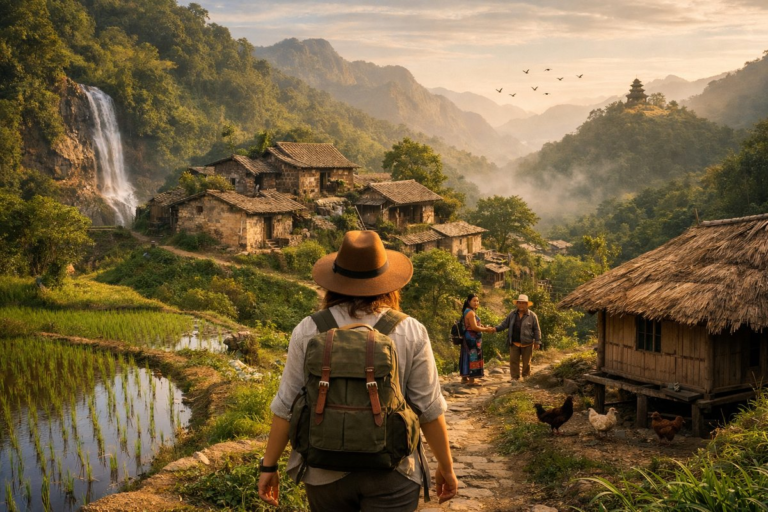
In India, too, a historic path is being reborn. The Chardham Yatra, a pilgrimage circuit in the Himalayas, has been rebranded for the discerning traveler. Organizers emphasize sustainable trekking practices: porterless journeys to reduce ecological impact, biodegradable trail markers, and solar-powered campsites. Small local cooperatives offer homestays in mountain hamlets, giving revenue directly to families who live off-grid. Tour operators highlight minimal-waste packing lists and encourage participants to leave the trail cleaner than they found it.
These developments represent a shift away from mass tourism’s hallmark itineraries. Travelers no longer rush through bucket-list capitals; they linger on lesser-known detours, practice ancient crafts, and contribute to village economies. According to the World Tourism Organization, regions that promote cultural immersion and environmental stewardship see 30 to 40 percent longer average stays and a 15 percent higher rate of repeat visits.
Nor is this trend limited to well-trod pilgrimage paths. Across North America, a network of “heritage highways” is gaining attention. In Canada’s Yukon Territory, the historic Dawson Trail, once a gold-rush supply route, now invites hikers to sample local berry preserves in remote cabins. Guides lead small groups to abandoned prospectors’ camps, pointing out reindeer grazing grounds and early 20th-century mining equipment. These micro-adventures, typically four to six days, combine outdoor survival skills with interpretive storytelling, forging a sensory connection to the land’s layered past.
Digital nomads are also joining the ranks of today’s wayfarers. Remote workers have discovered that a two-week passage across the Portuguese Camino Portugues fits neatly between projects. Co-working hubs in Porto and Lisbon now offer “pilgrim rates,” giving travelers access to high-speed internet and communal desks before or after their long marches. This hybrid approach blends the contemplative silence of a mountain trail with the connectivity required by modern professional life.
Sustainability, in fact, lies at the heart of this revival. Pilgrimage organizations and local authorities have launched zero-waste initiatives along popular routes. Biodegradable toilets, refill-only water stations, and trail-side compost bins have become as essential as waymarkers. In the French Cévennes, community volunteers patrol sections of the Via Podiensis each season, collecting litter and educating newcomers about Leave-No-Trace principles.
Cultural preservation goes hand in hand with these ecological efforts. In central Anatolia, Turkey, a newly mapped variant of the ancient Silk Road connects forgotten villages famed for handwoven carpets. Travelers can apprentice with local artisans at roadside looms, learning to dye wool with madder root and weave complex motifs by hand. This hands-on approach reverses the trend of factory-produced souvenirs, ensuring that each rug carries the fingerprint of its maker.
Financially, these experiences catalyze rural revitalization. Small family-run pensions, local eateries serving heritage grains, and cooperatives selling handmade crafts create a web of micro-enterprises. A recent report by a European development fund found that every euro spent on a community homestay generated at least 2.5 euros in ancillary revenue for village shops, bakeries, and guide services.
Beyond the economic benefits, participants frequently report transformative outcomes. Mental health professionals note that extended walking and community immersion can reduce stress, boost creativity, and strengthen social bonds. One Spanish guesthouse owner recounts how travelers often arrive burdened by deadlines and leave with journal entries, hand-stitched souvenirs, and new pen-pals scattered across continents.
What lies ahead for this new era of pilgrimage and craft-centered travel? Experts anticipate further collaborations between UNESCO heritage bodies and regional tourism boards to map lesser-known trails. In Latin America, discussions are underway to formalize a network of Inca and pre-Inca footpaths in the Andes, offering guided passages from highland villages to remote archaeological sites. Meanwhile, tech companies are developing offline-first mapping apps that allow wayfarers to navigate without relying on unreliable mountain cell service.
Ultimately, the reawakening of historic routes reveals more than buried chapels or hand-carved milestones. It underscores a collective yearning for authenticity in an age of digitized experiences. Travelers are choosing to slow down, learn from custodians of fading traditions, and leave a positive imprint on landscapes once overrun by crowds.
Whether crossing rugged passes in the Alps, threading through fishing villages on a coastal trail, or tracing the steps of ancient merchants in Central Asia, these journeys remind us that the act of going-carefully, conscientiously, and with an open heart-can reshape both the traveler and the world left behind.