Location
Mount Vernon, WA 98274

Location
Mount Vernon, WA 98274

As global wanderlust revives, a shift is underway: travelers are seeking deeper connections with people, places, and the planet. From revitalized train routes to regenerative village stays, these evolving travel trends promise more sustainable, mindful adventures that leave a positive footprint.
For millions emerging from years of restricted movement, travel is no longer just about ticking destinations off a list. A fresh wave of curiosity is driving explorers toward journeys that feel both timeless and transformative. Across landscapes and cultures, seasoned voyagers and first-timers alike are embracing travel styles shaped by sustainability, community engagement, and mindful pacing. Whether hopping aboard a sleeper train, volunteering on an organic farm, or charting unmarked footpaths, today’s travelers seek stories that stay with them long after they return home.
In Europe, long-distance rail travel has seen a striking resurgence. Data from a leading ticketing platform shows a 35 percent jump in international rail bookings over the last year, defying pre-pandemic forecasts. Sleeper trains traversing mountain passes and coastal spurs aren’t merely alternatives to air travel-they’ve become experiential journeys in their own right. Vintage carriages restored for modern comfort glide through moonlit landscapes while passengers wake to panoramic sunrises in alpine valleys. For those who once treated trains as mere transport, these nocturnal voyages are proving to be destinations themselves.
Asia’s rail renaissance is no less dramatic. New high-speed routes linking cultural hubs and remote towns are opening corridors of discovery. A recently launched line running from a historic port city to a UNESCO-listed mountain village has cut travel time in half, yet travelers report lingering longer at stops to savor local markets or dip into natural hot springs. Outside formal schedules, spontaneous detours by regional trains offer chances to stumble into village festivals or sample specialties at family-run teahouses. This blend of precision and serendipity is rewriting the narrative of rail travel.
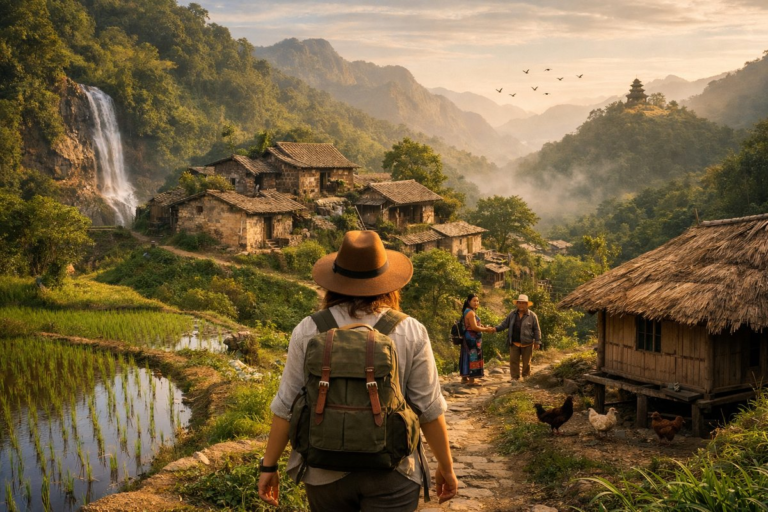
A parallel trend is transforming how and where people stay. Digital nomad villages-rural and coastal communities offering coworking spaces, reliable broadband, and short-term residency visas-have sprouted from Latin America to Southeast Asia. These micro-hubs foster connections between visiting professionals and local residents. In one Andean town, an abandoned school has been converted into a co-living complex where coders and coffee farmers swap skills over communal dinners. Such projects channel tourism revenue directly into village infrastructure while introducing new opportunities for cross-cultural collaboration.
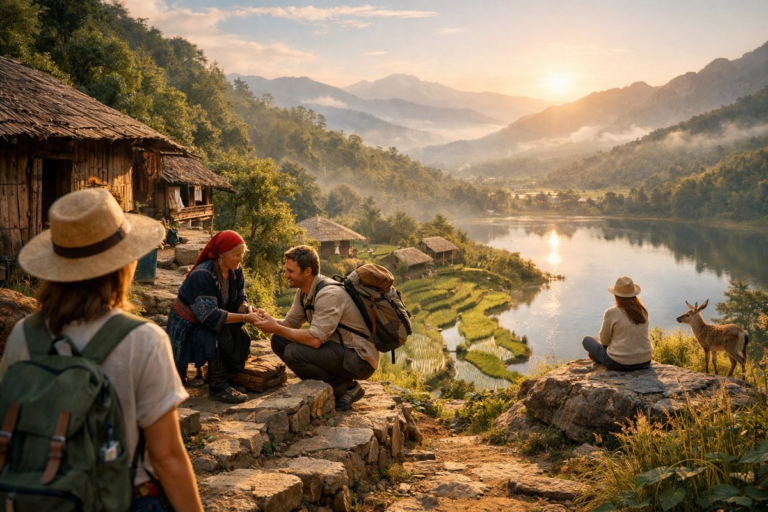
Regenerative stays take this concept further. Travelers volunteer alongside locals to restore degraded landscapes, plant agroforestry systems, or renovate heritage buildings. A cooperative in Portugal invites guests to learn stone masonry techniques used centuries ago, then teams up with architects to rebuild eroded coastal walls. Participants leave with the satisfaction of tangible impact-and often return as ambassadors, raising funds and awareness in their home countries. These immersive programs foster emotional investments long after the final goodbye.
Guiding much of this evolution is the United Nations World Tourism Organization’s call for responsible travel that prioritizes people and the planet. Over 60 percent of tourism boards surveyed this year have launched campaigns promoting low-impact itineraries, from hiking regional trail networks to staying in certified eco-lodges. Incentives such as discounted rail passes for groups traveling without cars or grants for community-run homestays are encouraging visitors to explore less traveled areas. By shifting flows away from overburdened hotspots and into under-resourced communities, these policies aim to spread economic benefits more evenly.
At the heart of these transformations lies the micro-adventure-a concept credited to outdoor activists urging people to treat weekends like expeditions. Skipping commercial flights and bypassing crowded cities, micro-adventurers embark on single-night hikes, bike-packing trips, or kayak circumnavigations of local islands. A global wellness organization found that travelers who unplug for at least 48 hours experience a 30 percent drop in stress hormones. Many report that small-scale outings build confidence to pursue longer, more challenging journeys down the line.
Modern technology plays a subtle but crucial role in enabling these escapes. Solar phone chargers ensure travelers can navigate unfamiliar trails without draining their devices, while offline mapping apps let them plot custom routes far from cell towers. Compact micro-filter water bottles remove bacteria and sediments in real time, cutting reliance on disposable plastic. Even simple digital journals-lightweight text editors synced to cloud storage-help travelers capture reflections and itineraries without lugging heavy notebooks.
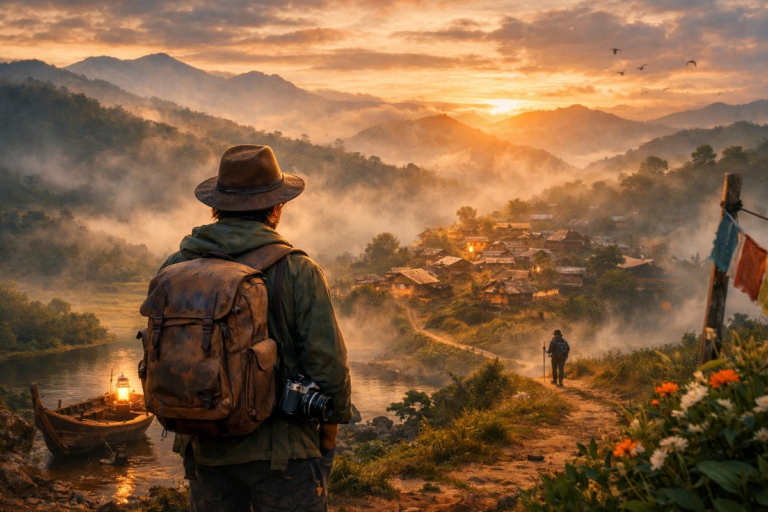
Meet Maria, a teacher from northern Europe who spent two weeks this spring in a Slovenian village renowned for its forest bathing retreats. Equipped only with a basic sleeping bag and a foldable daypack, she hiked to hidden glacial lakes and joined local herbalists gathering wild mint for teas. “I lost track of days,” she recalls. “No schedules, just the rhythm of the woodpeckers and the wind in the pines.” What she brought home wasn’t just photographs, but recipes for tinctures and a newfound sense of belonging to a community she’d never heard of six months earlier.
Infrastructure upgrades are making such experiences increasingly accessible. Private operators now offer direct sleeper links between major hubs and remote regions once reachable only by multiple transfers. Specialty trains fitted with panoramic roof windows and on-board chefs are catering to food-lovers keen to sample local ingredients at each stop. Meanwhile, some rail networks allow last-minute ticket swaps, enabling spur-of-the-moment adventures when travelers spot intriguing countryside vistas through the window.
Food tourism has also evolved. Beyond tasting menus in top-tier restaurants, travelers are seeking homestyle meals with producers themselves. Community kitchens in rural Spain host drop-in dinners prepared by elder village women, passing down olive-pressing stories and age-old bread-baking rituals. In Southeast Asia, cooperative fish farms invite guests to learn traditional net-casting techniques then savor the catch over seaside picnics. These culinary exchanges deepen cultural understanding while supporting local economies.
Language, once a barrier, is being bridged by informal exchange circles held in village squares. Travelers and residents teach each other words from their native tongues, sharing proverbs and songs. At dusk, lanterns glow as new friendships take root, dissolving stereotypes and fueling empathy. Experts note that cultivating these human connections can transform a short getaway into a life-shaping chapter.
Challenges remain: seasonal weather disruptions can derail unplanned itineraries, and limited healthcare access in some regions calls for extra preparation. But an emphasis on resilience-packing versatile gear, learning basic first aid, and favoring communities that embrace emergency protocols-helps travelers navigate uncertainties. Many now view challenges as part of the adventure, reinforcing self-reliance and adaptability.
As the travel landscape continues to evolve, one constant remains: the power of journeying with purpose. Whether by rail, on foot, or through shared meals in far-flung hamlets, these new forms of exploration invite us to see the world not as consumers but as participants in a larger story. The most memorable souvenirs, travelers say, aren’t trinkets or selfies-they’re the lessons learned and the relationships forged along the way.