Location
Mount Vernon, WA 98274

Location
Mount Vernon, WA 98274
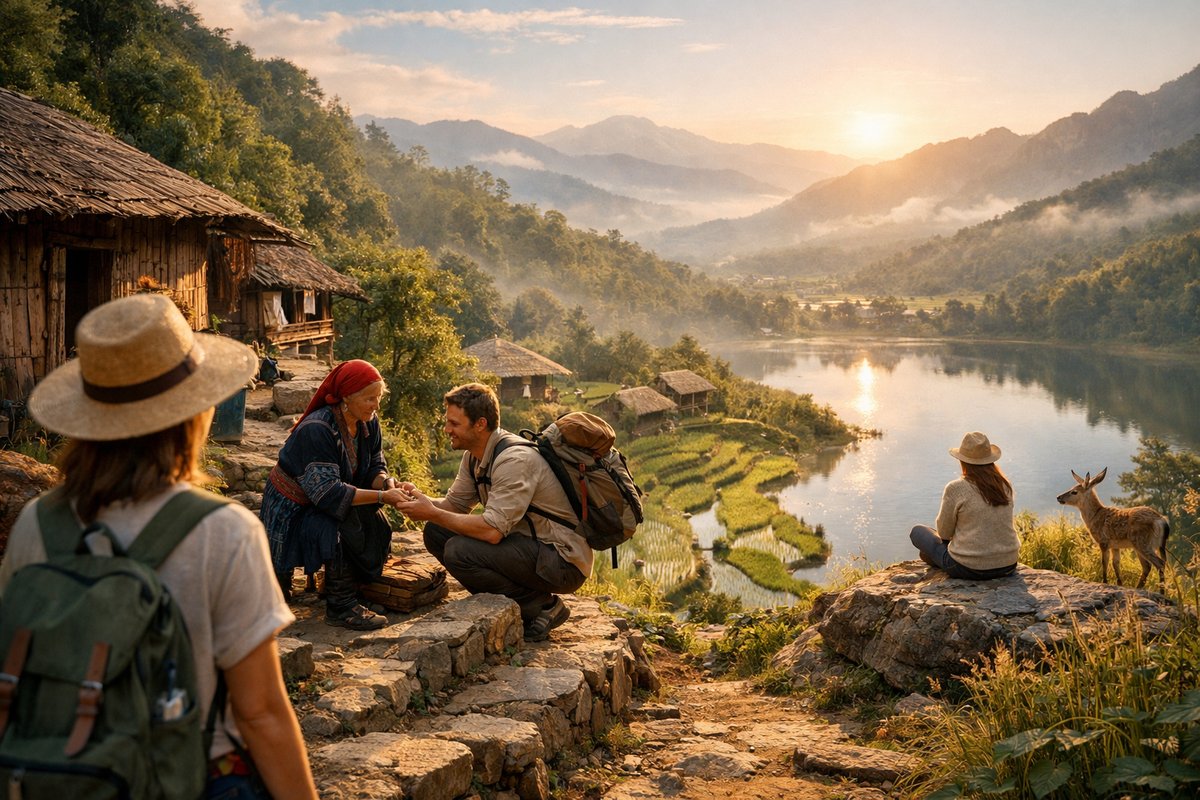
Venturing beyond popular tourist spots, travelers increasingly seek the subtle magic of less-visited places. These quieter journeys offer immersive cultural exchanges, intimate encounters with nature, and a chance to slow down and reconnect with ourselves and the world around us.
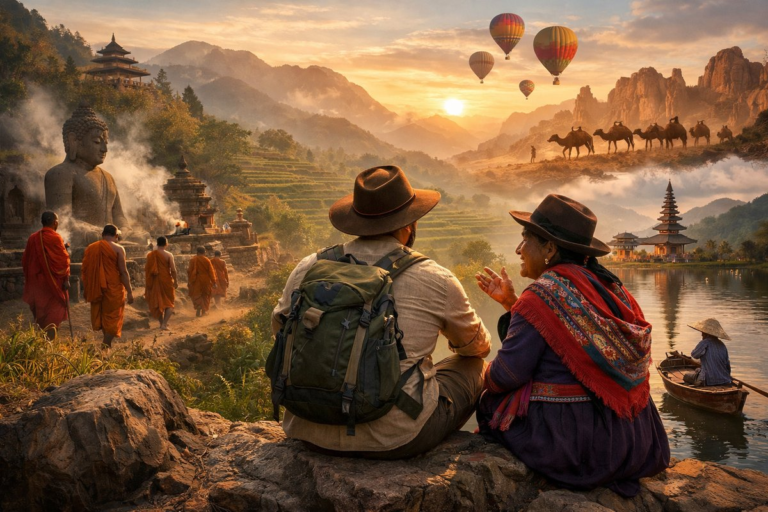
In an age dominated by social media snapshots and bucket-list checkmarks, a growing movement among travelers is steering away from the crowded landmarks and bustling cities toward the quiet roads less traveled. These offbeat destinations-often tucked away in rural landscapes, small towns, or hidden corners of the world-offer a distinctive kind of travel experience that challenges conventional notions of tourism. Rather than rushing through a checklist of famous sites, these journeys invite deep presence, meaningful connection, and personal transformation.
The allure of off-the-beaten-path travel lies in its invitation to slow down and observe life as it unfolds naturally. Without the pressure of crowds or the commercial trappings of popular destinations, travelers find space to breathe and reflect. This slower pace nurtures curiosity and encourages authentic engagement with local cultures, traditions, and environments.
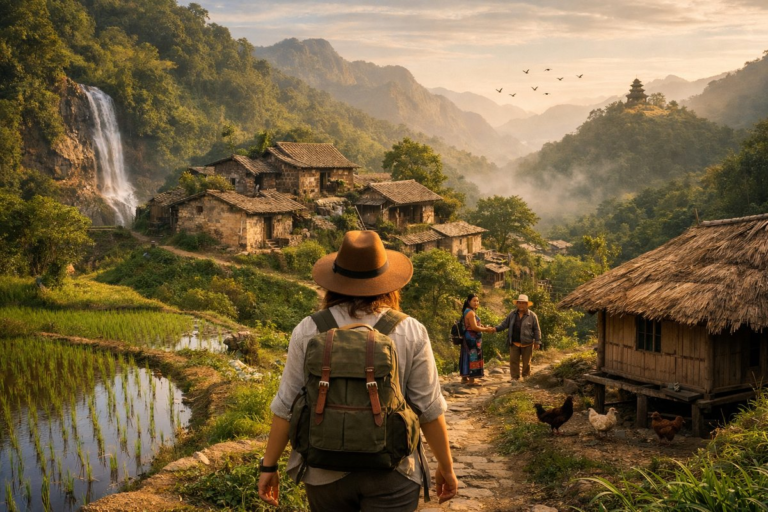
Take, for example, the resurgence of interest in rural villages and small communities where heritage crafts, storytelling, and culinary traditions are still alive. Travelers who venture into these places often discover that the richness of their experience comes not from ticking off landmarks but from sharing meals with local families, participating in seasonal festivals, or learning age-old skills passed down through generations. These moments foster empathy and understanding, bridging cultural divides in subtle yet profound ways.
Nature also plays a vital role in these quieter journeys. Remote mountain trails, secluded beaches, and lesser-known national parks offer opportunities for solitude and immersion in the natural world. Scientific studies have shown that spending time in nature reduces stress, improves mood, and enhances cognitive function. For many travelers, these restorative effects are a key reason to seek destinations off the typical tourist grid.
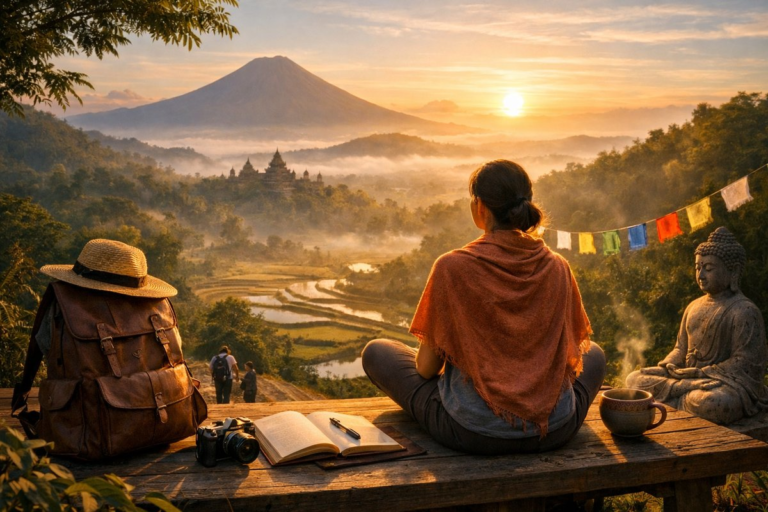
The concept of slow travel, which emphasizes mindful movement and deeper engagement with place, aligns perfectly with these explorations. Instead of rushing from one landmark to the next, slow travelers might spend days or even weeks in a single location, allowing them to absorb the rhythms and stories of the community. This approach not only enriches the travel experience but also supports sustainable tourism by reducing environmental impact and spreading economic benefits more evenly.
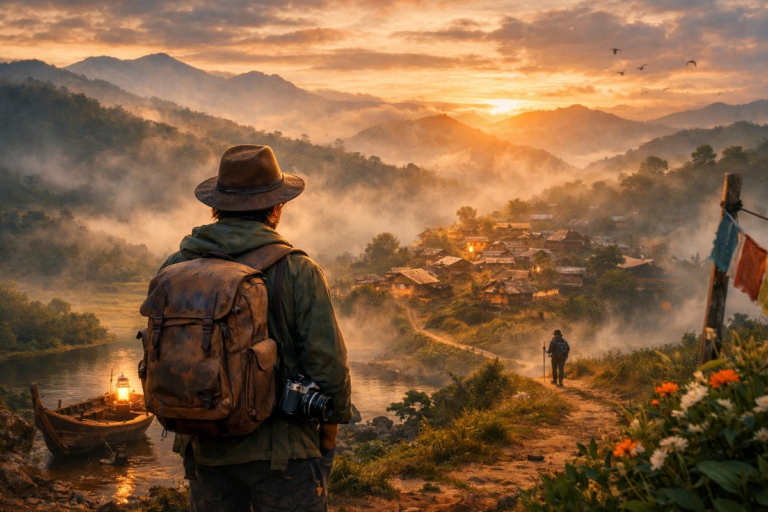
Importantly, journeys through less-visited places often require flexibility and openness to the unexpected. Infrastructure may be limited, language barriers more pronounced, and conveniences fewer. Yet, these challenges frequently become part of the adventure, fostering resilience and humility. Travelers learn to navigate uncertainty with grace, developing skills that translate into other areas of life.
Digital nomads and remote workers have also contributed to this shift, as technology enables more people to work from anywhere. This flexibility allows for longer stays in diverse locations, encouraging deeper connections and more meaningful exchanges. Moreover, the pandemic has reshaped travel priorities, prompting many to value safety, space, and authenticity over spectacle.
As we navigate a world increasingly defined by rapid change and digital saturation, these quieter journeys remind us of the importance of slowing down and connecting deeply-to place, people, and ourselves. They offer a counterbalance to the frenetic pace of modern life and a path toward more thoughtful, responsible travel.
In embracing the roads less traveled, we carry stories that resonate long after the journey ends. These stories, woven from encounters with unfamiliar landscapes and cultures, enrich our understanding of humanity and the planet we share. They remind us that travel is not merely movement through space but a transformative act that shapes who we are and how we relate to the world.
For those seeking to embark on such journeys, preparation involves more than packing essentials. It calls for cultivating an open heart and a curious mind, ready to embrace difference and uncertainty. It means valuing experiences over possessions and connection over convenience.
Ultimately, the quiet roads less traveled beckon us to rediscover the joy of exploration-not as a race to see the most sights but as a meaningful passage into the diverse tapestry of life. They invite us to carry the spirit of travel within us, wherever we go.