Location
Mount Vernon, WA 98274

Location
Mount Vernon, WA 98274
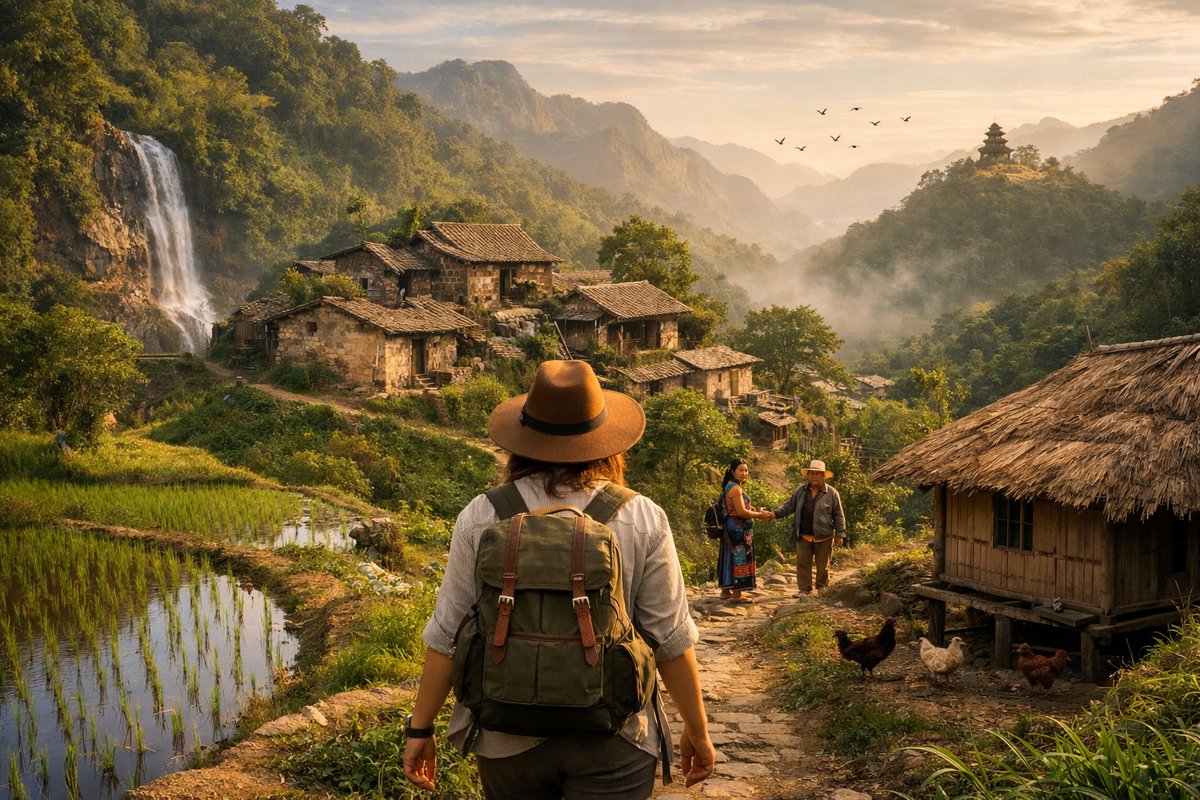
Travel often conjures images of bustling cities and iconic landmarks, yet some of the most profound experiences arise from venturing off the beaten path. Exploring lesser-known destinations invites travelers to slow down, engage more deeply with place and people, and return home with stories that linger far beyond the trip.
In a world increasingly saturated with travel influencers and crowded hotspots, a quiet movement is gaining momentum: the intentional pursuit of journeys that prioritize depth over breadth, connection over checklist, and discovery over consumption. These are travels that unfold slowly, inviting curiosity and reflection rather than rapid photo ops or fleeting impressions.
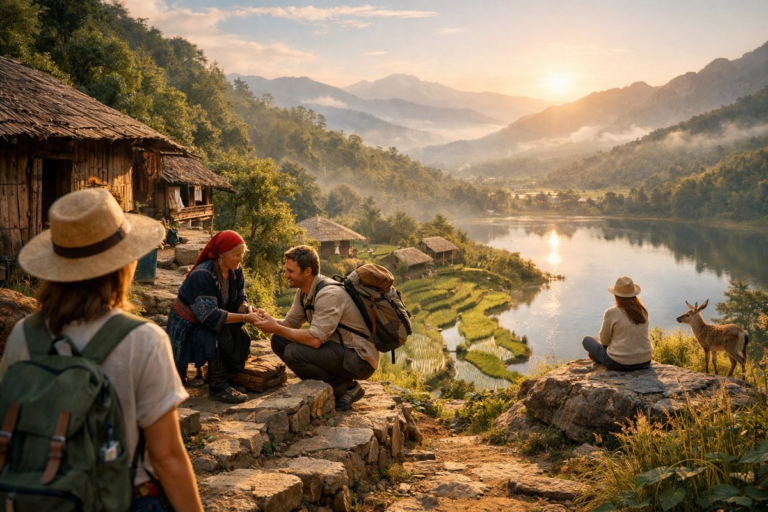
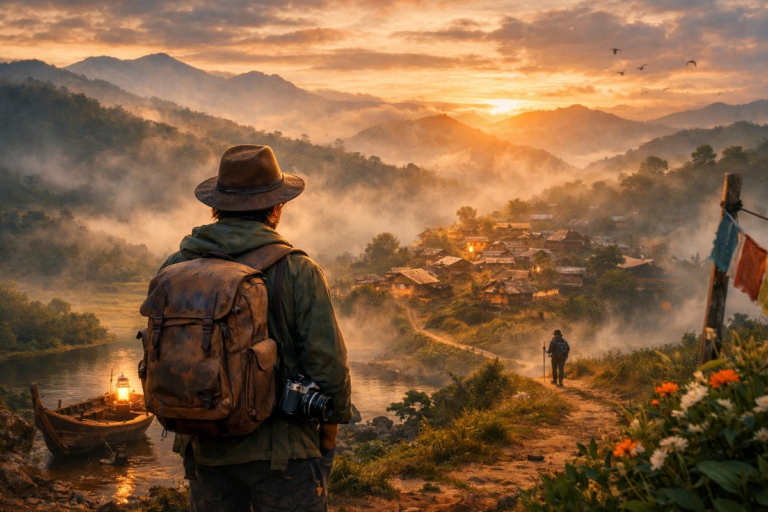
Choosing routes that meander through small towns, rural landscapes, or nature preserves encourages a different kind of seeing. The traveler becomes more attuned to subtle shifts in light and weather, the rhythms of local life, and the stories embedded in everyday places. This approach to travel not only expands geographical horizons but also nurtures emotional and intellectual growth.
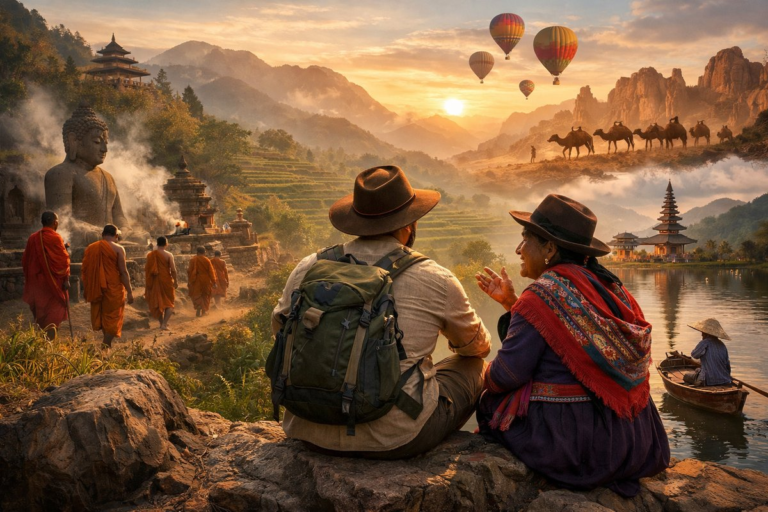
The benefits of such mindful travel extend beyond the individual. By engaging with communities on their terms, travelers support local economies more sustainably and respectfully. They become participants rather than mere observers, fostering cross-cultural understanding in an era often marked by division and misunderstanding.
One recent example comes from travelers who have embraced slow journeys through the diverse regions of the Pacific Northwest. Instead of racing between major cities, they explore coastal trails, indigenous cultural sites, and small farms, learning about the complex history and ecology that shape the area. This kind of immersive experience contrasts sharply with the typical tourist itinerary and leaves a more lasting impression.
Similarly, many are rediscovering rail travel as a way to see the world at a human pace. Trains offer panoramic views and communal spaces that encourage conversation and contemplation. Unlike air travel, which often feels like a blur of security lines and terminals, rail journeys allow for a gradual transition between environments, enhancing the sense of place.
The resurgence of road trips on scenic byways also exemplifies this shift. Travelers intentionally avoid highways in favor of routes that reveal hidden gems-quaint diners, local artisans, and natural wonders that rarely feature in guidebooks. This mode of travel invites spontaneity and serendipity, qualities often lost in tightly scheduled vacations.
Beyond physical landscapes, these journeys often catalyze inner exploration. Many travelers report that slowing down on the road fosters mindfulness and self-awareness. Removed from the distractions of daily life, they gain fresh perspectives on their values, relationships, and aspirations.
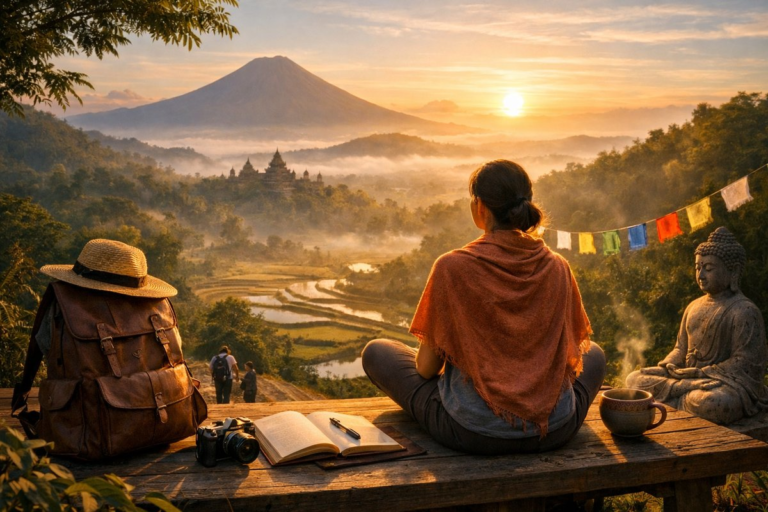
Technology plays a nuanced role in this trend. While smartphones and apps remain essential for navigation and communication, many travelers deliberately limit screen time to stay present. Analog tools like journals, maps, and cameras with film or manual settings are making a quiet comeback among those seeking a more tactile connection to their experiences.
Environmental consciousness is another vital thread woven into these travels. With growing awareness of tourism’s carbon footprint and ecological impact, many choose modes of transportation and accommodations that minimize harm. Eco-lodges, community-run guesthouses, and renewable energy-powered facilities offer alternatives that align with sustainable values.
Ultimately, this emerging ethos of travel invites us to reconsider what it means to go somewhere. It challenges the notion that the value of a trip lies in the quantity of places visited or photos taken. Instead, it celebrates the quality of attention we bring to each moment, the relationships we nurture along the way, and the stories we carry home that shape who we become.
For those yearning to embark on such journeys, the path begins with curiosity and openness-willingness to venture beyond familiar comforts and expectations. Whether wandering a quiet mountain village, sharing a meal with locals, or simply watching a sunset from a little-known beach, these moments accumulate into a mosaic of meaning that enriches life long after the trip ends.
In a time when speed and efficiency dominate many aspects of life, the art of slow, intentional travel offers a vital counterbalance. It reminds us that the act of going is not just about movement through space but a profound engagement with the world and ourselves. By embracing this approach, travelers become storytellers, ambassadors, and stewards of the diverse places and cultures that make our planet so endlessly fascinating.