Location
Mount Vernon, WA 98274

Location
Mount Vernon, WA 98274
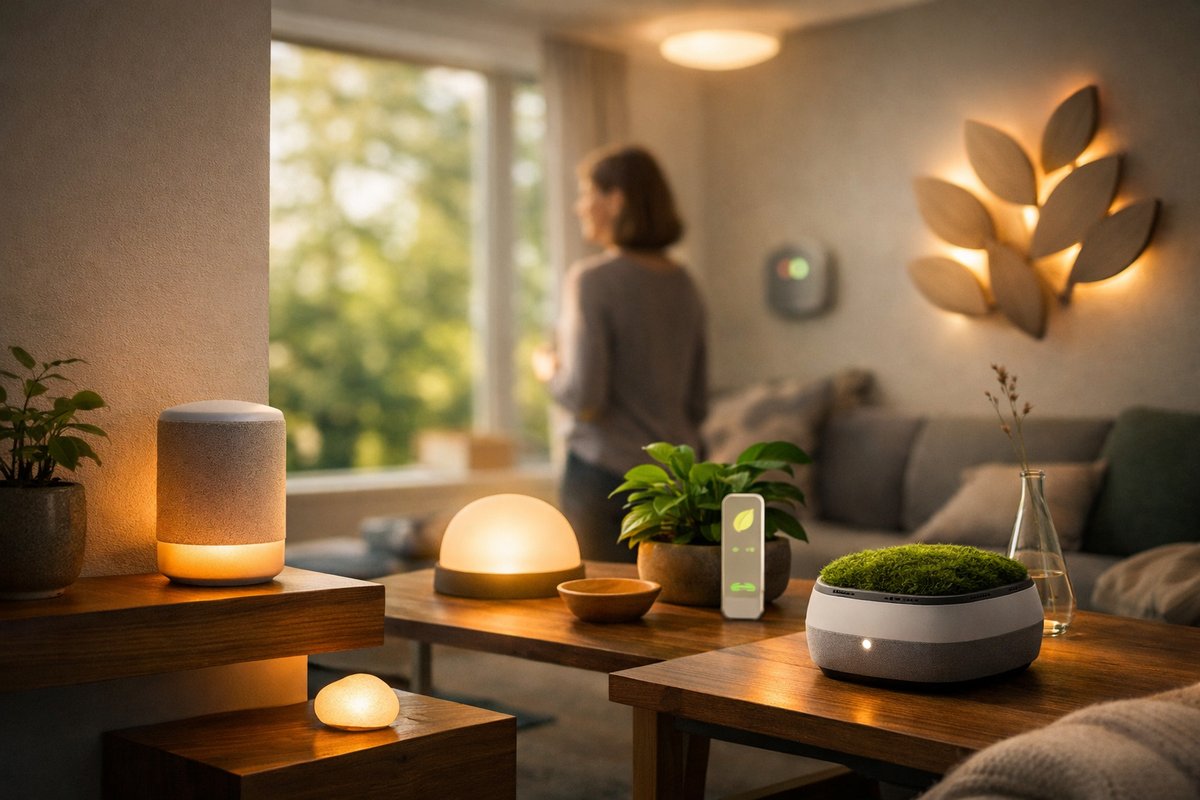
In an era saturated with flashy gadgets and constant notifications, a subtle shift is underway toward ambient technology that blends seamlessly into our environments. This new wave of innovation prioritizes unobtrusive design, emotional resonance, and sustainable impact, transforming how we interact with the world around us.
The landscape of consumer technology is evolving beyond the spectacle of high-powered devices and overt digital interfaces. A quiet revolution is taking place, one that emphasizes ambient technology – tools and gadgets designed to integrate effortlessly into our daily lives, enhancing our experiences without demanding constant attention. This shift reflects a growing awareness of the need for balance in an increasingly connected world, where the cacophony of alerts and screens often overwhelms our senses.
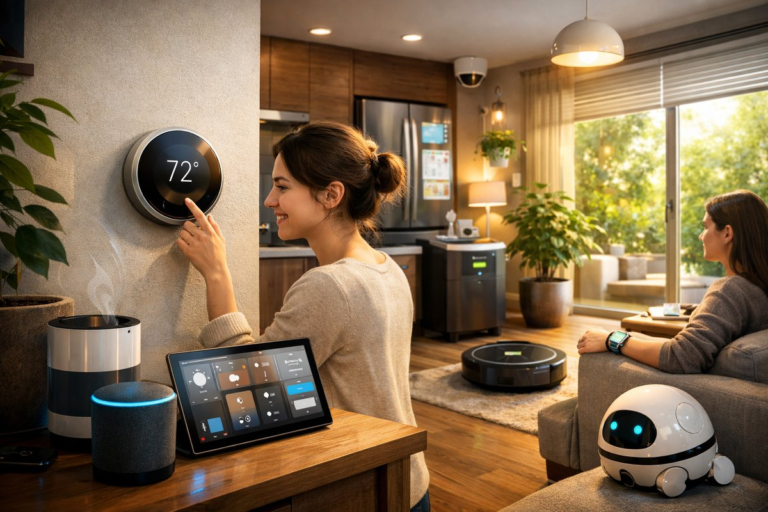
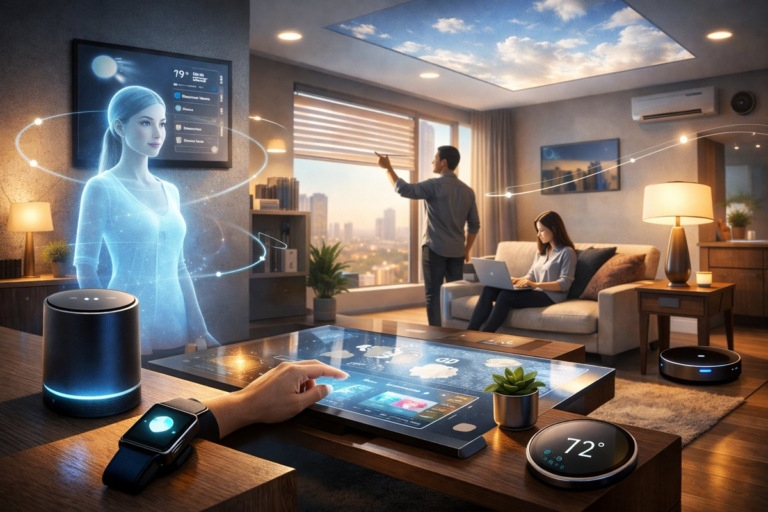
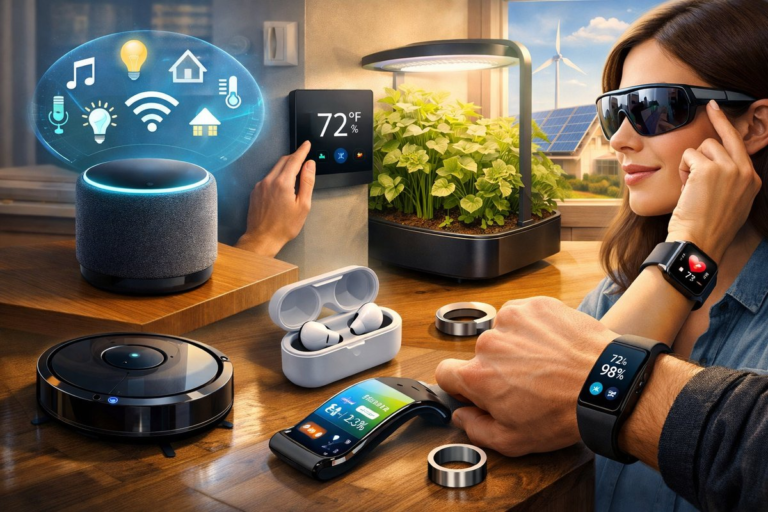
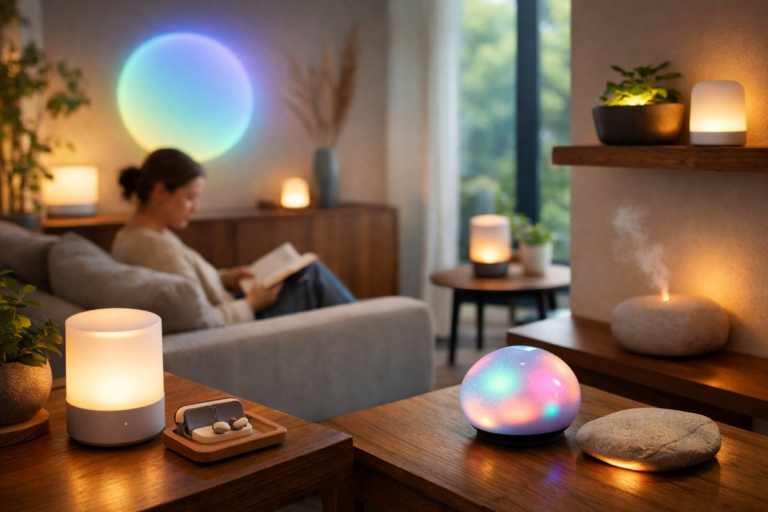
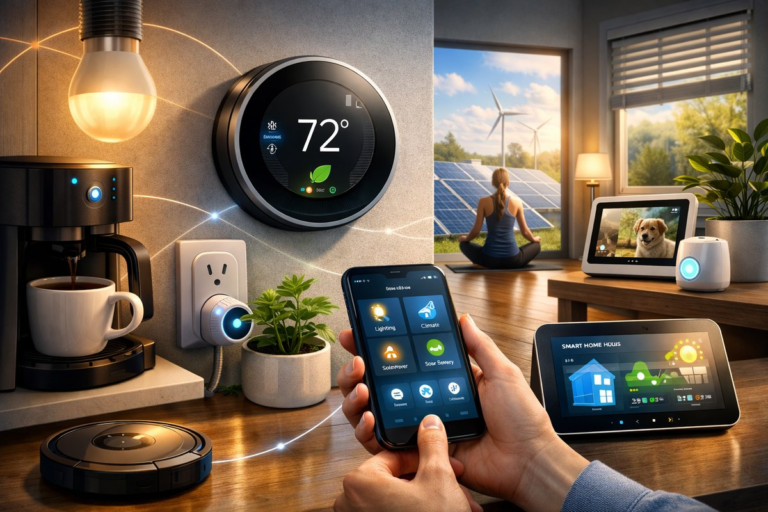
Ambient tech is not about flashy displays or aggressive notifications; it’s about subtlety, emotional intelligence, and sustainability. Imagine a smart home system that adjusts lighting and temperature based on your mood and the time of day, without you needing to lift a finger. Or consider wearable devices that monitor your well-being discreetly, offering gentle reminders to take a breath or stretch when stress levels rise. These innovations are designed to support human needs intuitively and respectfully.
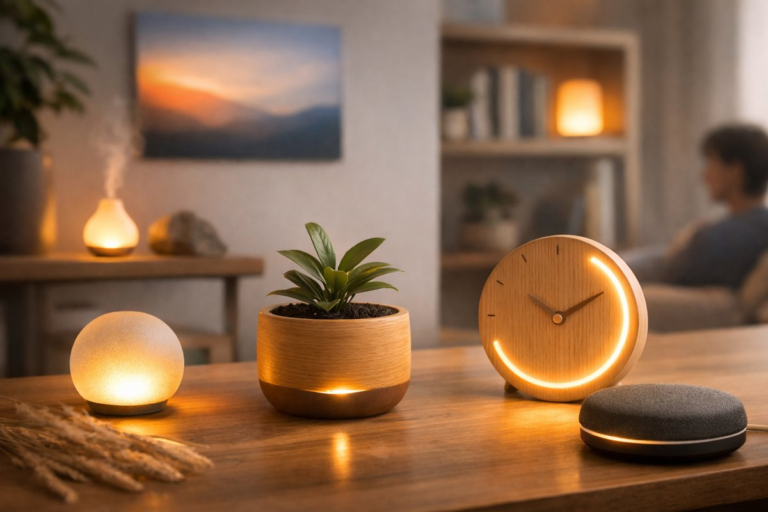
One of the driving forces behind this movement is the desire for technology that respects privacy and fosters mindfulness. As people grow more conscious of digital wellbeing, there’s a demand for gadgets that help reduce screen time and digital clutter rather than add to it. Ambient tech accomplishes this by operating in the background, collecting data with consent, and providing actionable insights without being intrusive. For example, smart speakers have evolved from mere voice assistants into ambient hubs that can modulate soundscapes to improve concentration or relaxation.
Sustainability also plays a pivotal role in this new wave of innovation. Designers are increasingly choosing eco-friendly materials and energy-efficient components to minimize environmental impact. Modular designs that allow for easy repair or upgrades extend the lifespan of devices, countering the throwaway culture prevalent in tech. This approach aligns with a broader cultural shift toward responsible consumption and environmental stewardship.
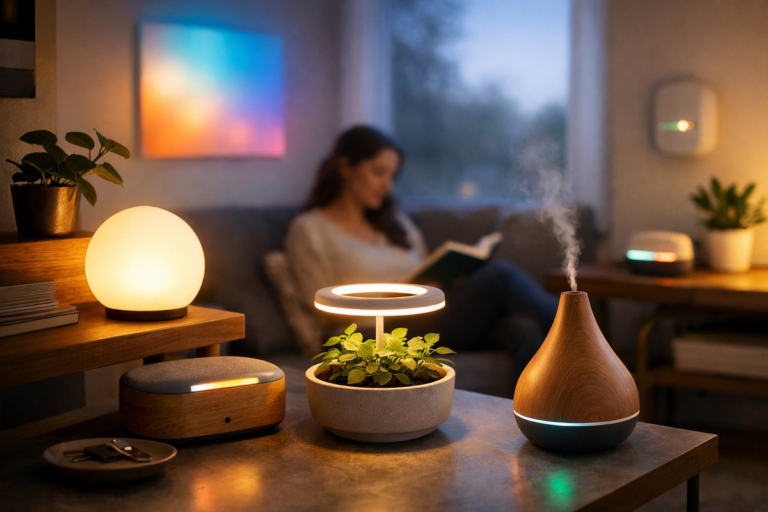
The integration of adaptive learning algorithms further enhances the ambient experience. These systems analyze user habits and environmental cues to personalize responses, creating a dynamic interaction that evolves over time. For instance, smart lighting can adjust color temperature and brightness to support circadian rhythms, promoting better sleep and overall health. Similarly, ambient noise generators can tailor soundscapes to mask distractions, boosting productivity in home offices or shared spaces.
Beyond the home, ambient technology is making strides in public and work environments. Offices equipped with sensor-driven climate control and personalized workstations enhance comfort and reduce energy waste. Public spaces utilize ambient displays to convey information unobtrusively, improving accessibility without overwhelming visitors. Even transportation systems are adopting ambient interfaces to provide timely updates and safety alerts while maintaining passenger calm.
The emotional resonance of ambient tech cannot be overstated. By prioritizing subtlety and context-awareness, these devices foster a sense of calm and connection rather than anxiety and distraction. They invite users to engage with technology on their own terms, supporting mental health and emotional balance. This empathetic design philosophy marks a significant departure from the relentless push for more features and louder notifications.
Looking ahead, the potential for ambient technology to reshape everyday life is vast. As artificial intelligence and sensor technologies advance, we can expect even more seamless integration between digital and physical realms. Imagine clothing that adjusts its insulation based on weather and activity, or kitchen appliances that anticipate your cooking preferences and dietary needs without explicit input. The promise is a future where technology enhances human experience in a way that feels natural, respectful, and sustainable.
However, this future also requires vigilance to ensure ethical use of data and equitable access. Transparency in how ambient devices collect and use information is essential to maintain trust. Moreover, designers must consider diverse user needs to avoid reinforcing digital divides or excluding marginalized communities.
In essence, the ambient tech revolution invites us to rethink our relationship with technology-not as an intrusive force demanding our constant attention but as a gentle companion that enriches our lives quietly and meaningfully. It challenges innovators and consumers alike to embrace a more thoughtful, balanced approach to digital living, one that honors privacy, nurtures wellbeing, and champions sustainability.
This transformation is not just about gadgets; it’s about cultivating a culture of mindful innovation that values quality over quantity, presence over distraction, and connection over consumption. As ambient technology continues to evolve, it holds the promise of a more harmonious coexistence between humanity and the digital world.