Location
Mount Vernon, WA 98274

Location
Mount Vernon, WA 98274
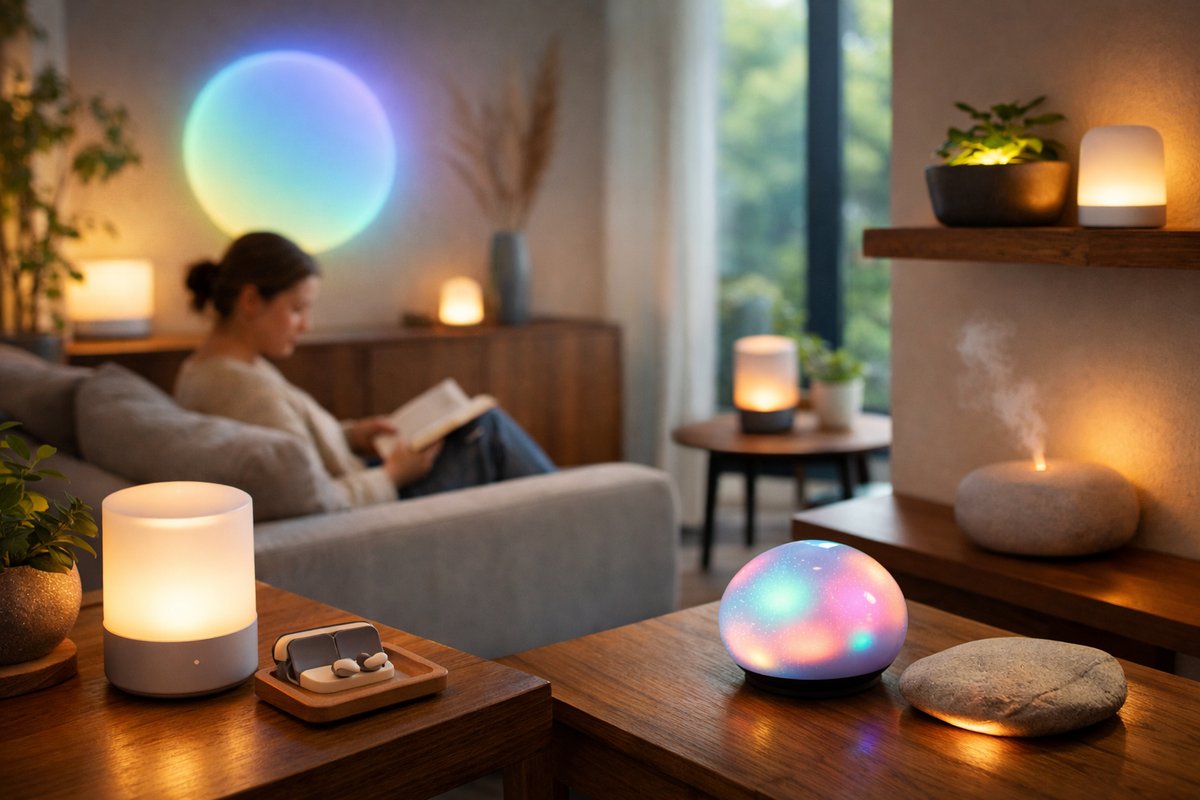
In a world increasingly saturated with screens and notifications, a new wave of ambient technology is reshaping how we interact with our environments. These subtle, often invisible innovations prioritize seamless integration and emotional wellbeing, offering a fresh perspective on how gadgets can enhance daily life without overwhelming it.
As technology continues to embed itself into every facet of daily living, a counter-movement is gaining momentum-one that values subtlety, harmony, and emotional resonance over flashy displays and constant alerts. This shift toward ambient technology reflects a growing desire for tools that blend effortlessly into our environments, enhancing our experiences without demanding constant attention.
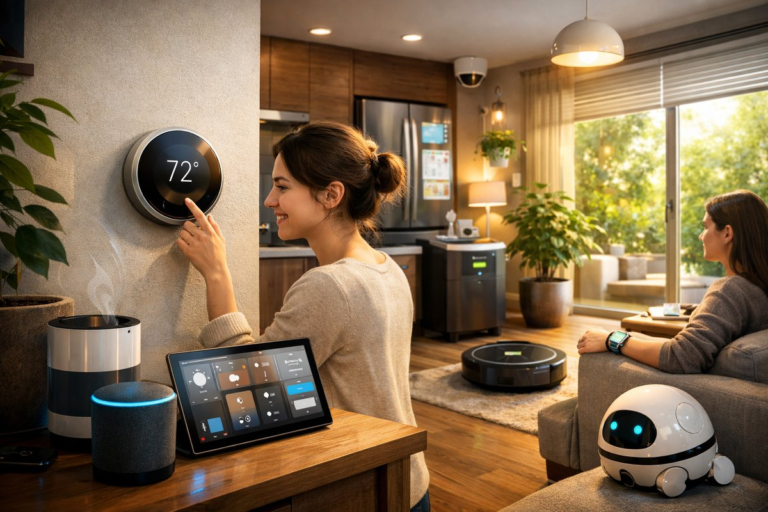
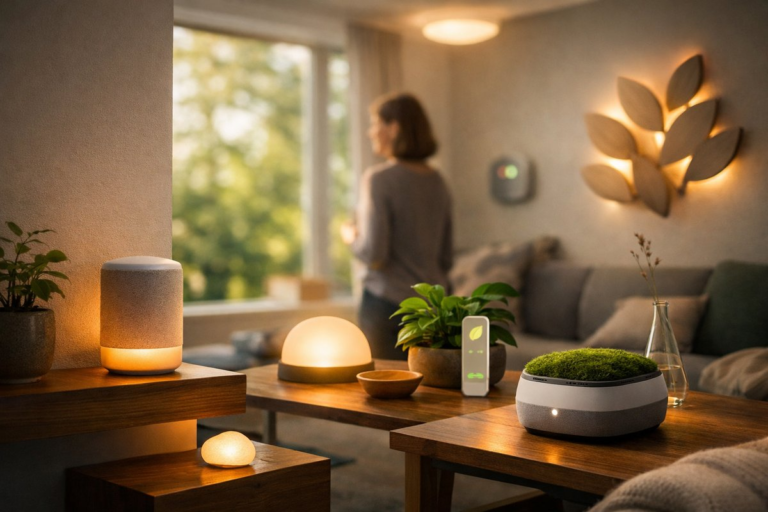
Ambient technology encompasses devices and systems designed to operate quietly in the background, responding intuitively to human presence, mood, and context. Unlike traditional gadgets that vie for focus with screens and notifications, ambient tech aims to create a supportive atmosphere, often leveraging sound, light, and environmental sensors to adapt and enrich our surroundings.
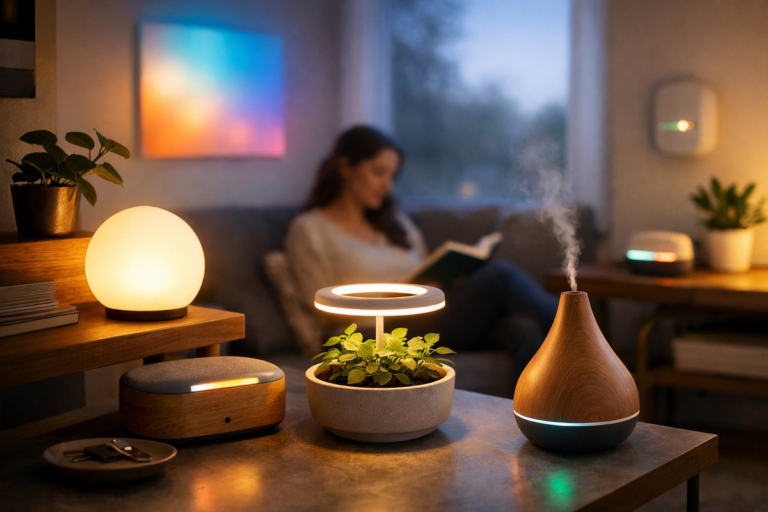
One of the most compelling aspects of this trend is its alignment with principles of emotional intelligence and mindfulness. By reducing cognitive load and fostering calm, ambient devices can help mitigate the stress and distraction commonly associated with modern digital life. For example, smart lighting systems that adjust color temperature and brightness based on the time of day can promote better sleep cycles and mood regulation. Similarly, soundscapes that subtly shift to mask urban noise or encourage relaxation are becoming integral to home and office design.
Beyond individual wellbeing, ambient technology is also redefining social interactions. In shared spaces, adaptive environments can facilitate connection by subtly tuning acoustics or lighting to suit group dynamics. In workplaces, this can translate to improved collaboration and focus without the need for overt interventions. The technology’s unobtrusive nature allows it to support rather than disrupt human rhythms.
Material innovation plays a crucial role in enabling these experiences. Sensors embedded in textiles, furniture, and architectural elements collect data on posture, temperature, and even emotional states, feeding into intelligent systems that respond in real time. This convergence of design, data, and empathy exemplifies a holistic approach to technology-one that respects privacy while enhancing quality of life.
Moreover, sustainability considerations are increasingly central to ambient tech development. Devices are being engineered for energy efficiency, durability, and recyclability, reflecting a commitment to reducing environmental impact. By integrating technology into existing structures and routines, ambient systems can also minimize electronic waste and encourage responsible consumption.
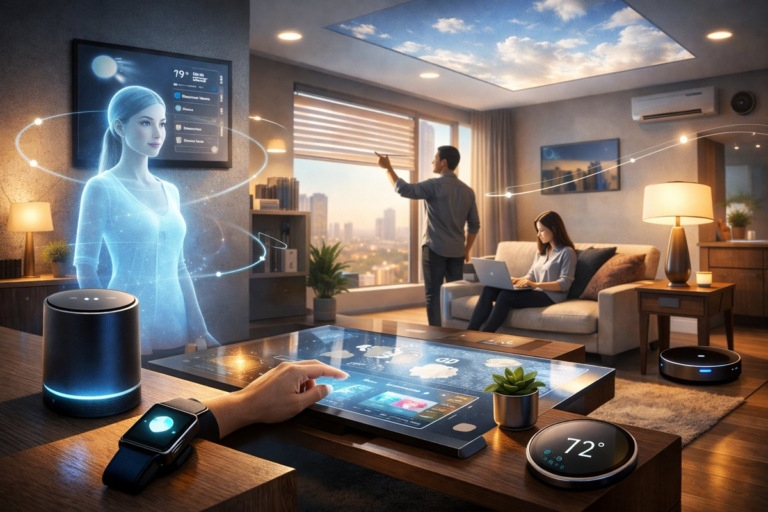
Looking ahead, the possibilities for ambient technology are vast. Integration with wearable devices and health monitoring could enable environments that proactively support physical and mental health. Advances in artificial intelligence may allow for even more nuanced and personalized responses, creating spaces that learn and evolve alongside their inhabitants.
However, this evolution also raises important questions about data security and consent. Because ambient systems often rely on continuous sensing, ensuring that personal information is protected and used ethically is paramount. Transparent design and user control must remain at the forefront to maintain trust and autonomy.
In essence, ambient technology represents a paradigm shift from gadgets as isolated tools to technology as an empathetic partner in daily life. It invites us to reconsider our relationship with devices-not as distractions or burdens, but as facilitators of wellbeing, connection, and harmony. As this quiet revolution unfolds, it promises to transform our spaces into responsive, nurturing environments that honor both human complexity and the natural world.