Location
Mount Vernon, WA 98274

Location
Mount Vernon, WA 98274
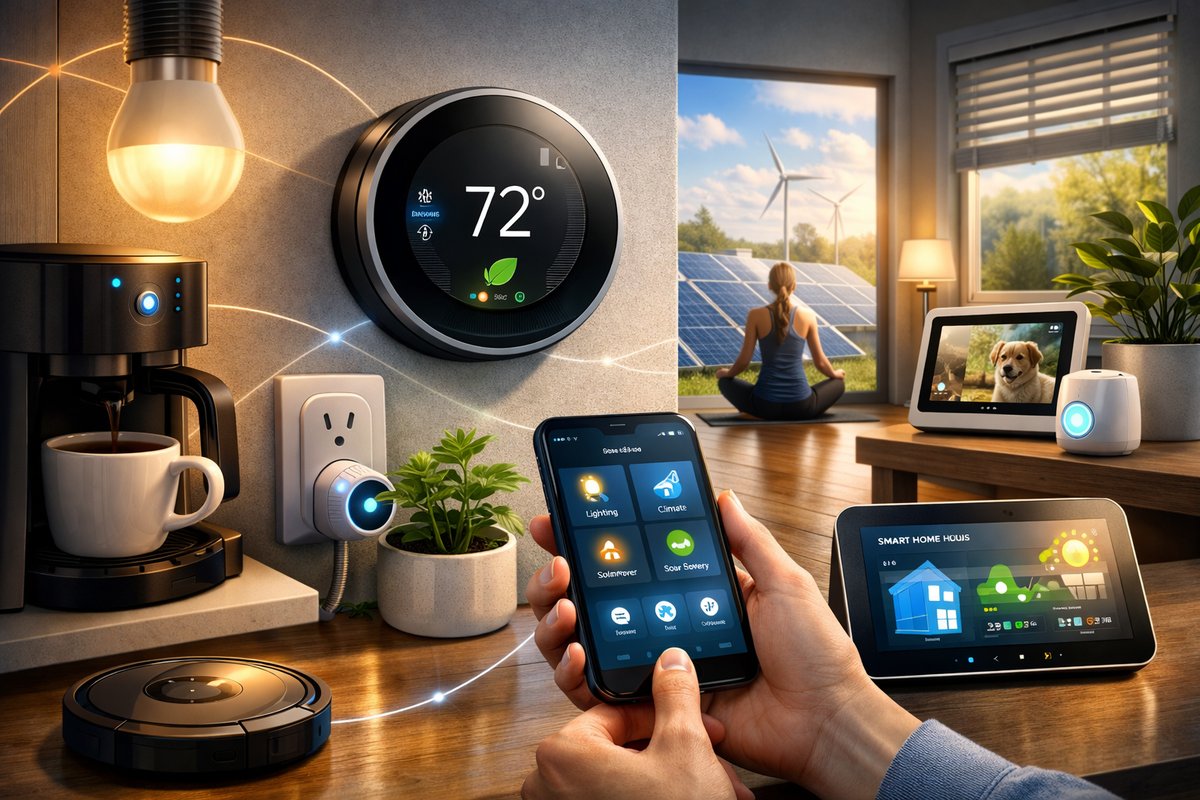
From intuitive home assistants to energy-conscious gadgets, the latest wave of smart technology is reshaping daily routines with seamless integration and thoughtful design. This evolution goes beyond mere convenience, fostering sustainability and emotional connection in our increasingly digital lives.
In recent years, the landscape of everyday technology has undergone a profound transformation. No longer confined to the realm of novelty, smart gadgets and connected devices have woven themselves into the fabric of daily life, offering new ways to interact with our environment, manage our time, and even nurture our well-being. This shift is not just about flashy features or incremental upgrades; it represents a deeper change in how technology aligns with human values such as privacy, sustainability, and emotional intelligence.
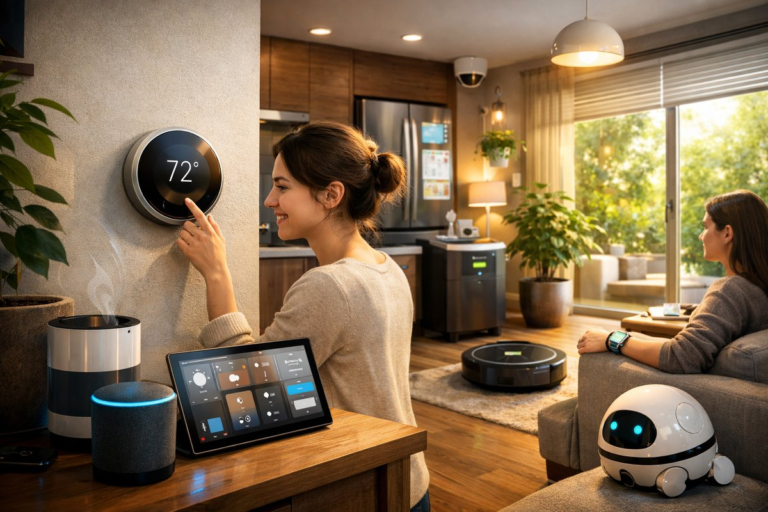
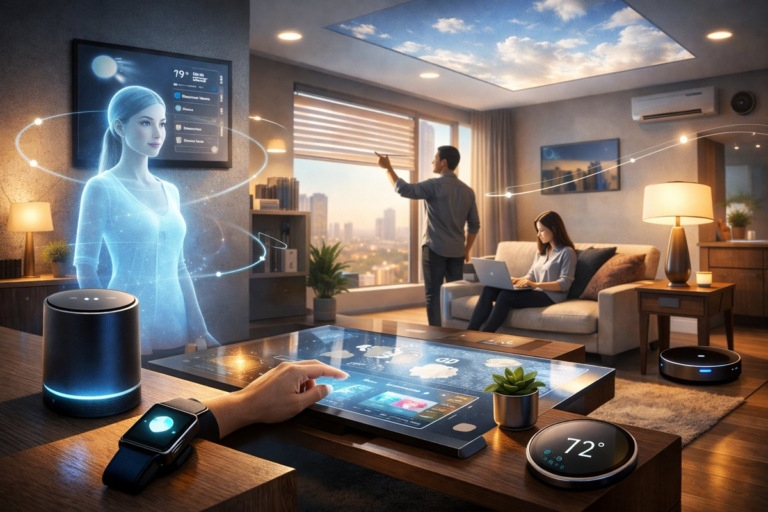
One of the most notable trends is the rise of smart home ecosystems that prioritize user privacy and energy efficiency. Unlike earlier generations of connected devices that often sacrificed security for convenience, today’s smart assistants and home hubs are designed with encrypted communication protocols and local data processing. This approach minimizes the exposure of personal information while still enabling voice commands, automated routines, and real-time environmental adjustments. For example, smart thermostats now learn household patterns to optimize heating and cooling schedules, significantly reducing energy consumption without sacrificing comfort.
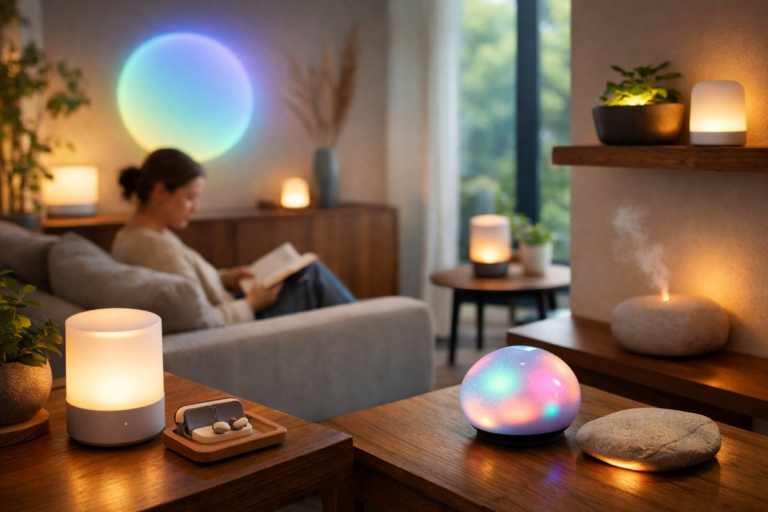
Beyond environmental control, smart lighting solutions have become a cornerstone of modern living spaces. These systems do more than adjust brightness; they adapt color temperature and intensity based on the time of day and user activity, supporting natural circadian rhythms. Such features contribute to improved sleep quality and daytime alertness, demonstrating how technology can harmonize with biological needs. Moreover, the integration of motion sensors and presence detection allows lights to activate only when needed, further conserving energy and reducing waste.
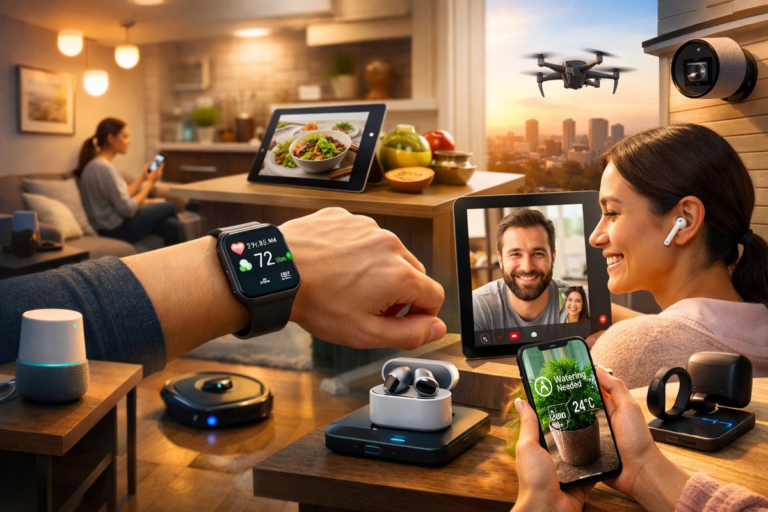
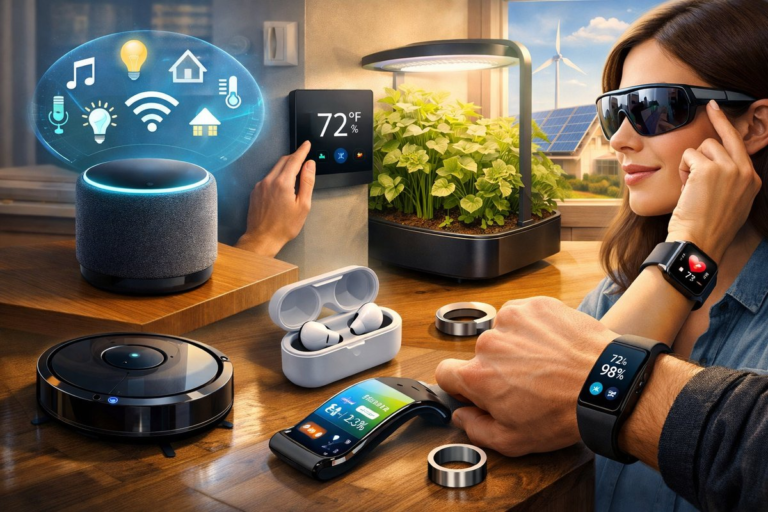
In the realm of personal gadgets, wearable technology has evolved from simple fitness trackers to sophisticated health monitors that provide continuous insights into heart rate variability, sleep stages, and stress levels. This data empowers users to make informed lifestyle choices and facilitates early detection of potential health issues. Importantly, many of these devices now offer customizable privacy settings, giving users control over what information is shared and with whom.
The workplace has also felt the impact of smart technology, especially as hybrid and remote work models become more prevalent. Compact, multi-functional devices designed for portability and ease of use enable seamless transitions between home and office environments. Noise-canceling headphones with adaptive sound profiles help maintain focus in diverse settings, while portable wireless chargers and compact mechanical keyboards enhance productivity without adding bulk. These tools reflect a growing demand for technology that supports flexibility without compromising on performance or ergonomics.
A particularly exciting development is the emergence of adaptive gadgets that learn from user behavior to offer personalized experiences. For instance, some smart speakers now adjust their audio output based on room acoustics and listener preferences, creating immersive soundscapes tailored to individual tastes. Similarly, intelligent kitchen appliances can suggest recipes and adjust cooking times based on ingredient availability and dietary restrictions, making meal preparation more intuitive and less wasteful.
Sustainability remains a central theme in the design and adoption of new technology. Manufacturers are increasingly focusing on materials with lower environmental impact, modular designs that facilitate repair and upgrades, and energy-efficient components. Consumers, in turn, are showing greater interest in products that align with eco-conscious values, seeking transparency about sourcing and lifecycle impacts. This shift is fostering a more circular economy where technology supports longevity rather than planned obsolescence.
Emotional intelligence in technology is another frontier gaining attention. Devices are being developed to recognize and respond to human emotions through voice tone analysis, facial expression recognition, and contextual awareness. While this raises important ethical questions, it also opens possibilities for more empathetic interactions and mental health support. For example, some smart assistants can detect signs of distress and offer calming exercises or connect users with resources, blending technology with compassionate care.
Looking ahead, the convergence of these trends points toward a future where technology is not just smart but wise-attuned to human needs, respectful of privacy, and committed to sustainability. The challenge lies in balancing innovation with responsibility, ensuring that the tools we invite into our lives enhance rather than complicate our existence. As consumers, embracing curiosity and critical thinking will be key to navigating this evolving landscape and making choices that reflect our values.
In essence, the new wave of smart everyday technology is about more than gadgets; it’s about creating environments and experiences that empower individuals, foster connection, and honor the planet. Whether through a voice-activated home assistant that guards your data, a wearable that supports your health journey, or an adaptive kitchen appliance that reduces food waste, these innovations invite us to rethink how technology can serve our highest aspirations in daily life.