Location
Mount Vernon, WA 98274

Location
Mount Vernon, WA 98274
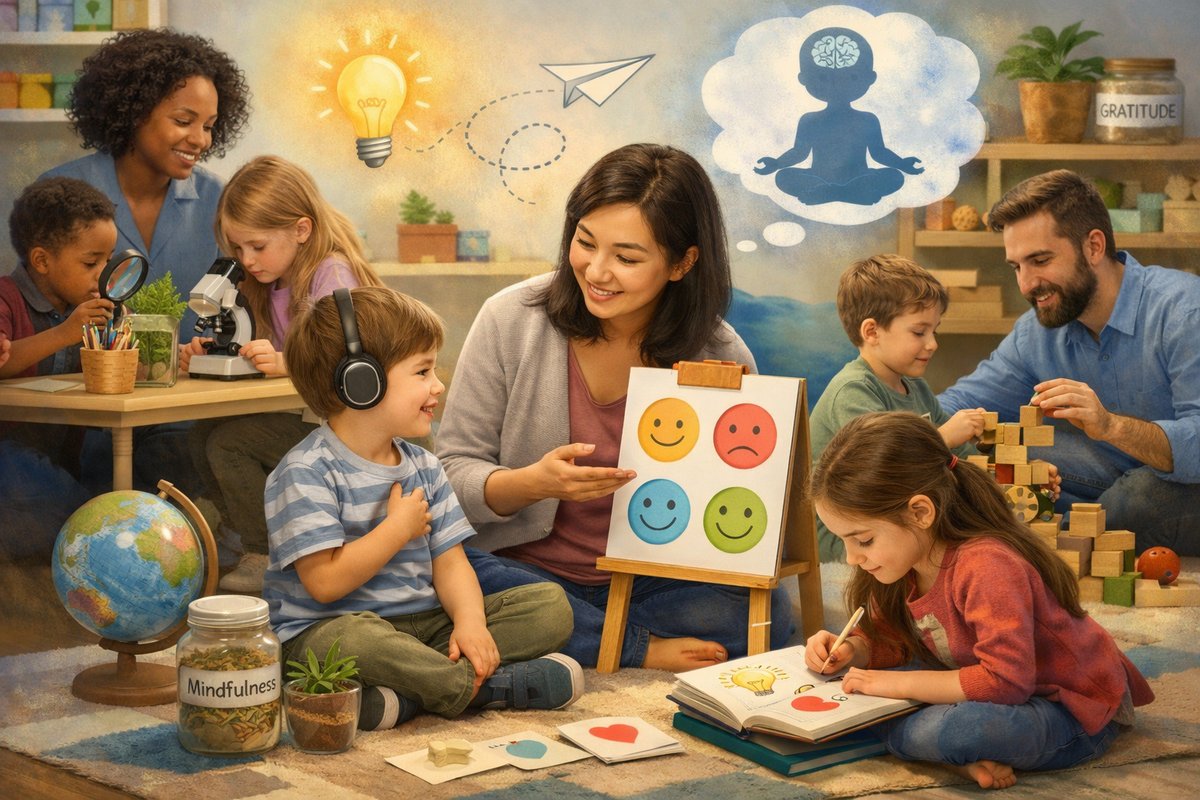
Modern parenting and education increasingly emphasize nurturing not just cognitive skills but emotional intelligence and agency in children. By integrating tools and approaches that support curiosity and self-awareness, families and educators are cultivating resilient, thoughtful learners prepared for a complex world.
In recent years, there has been a significant shift in how parents and educators approach the development of children. No longer is the focus solely on academic achievement or rote learning; instead, a more holistic view has taken hold-one that balances intellectual growth with emotional intelligence and personal agency. This evolution reflects a growing understanding that children thrive best when their curiosity is encouraged alongside their ability to manage emotions and navigate social complexities.
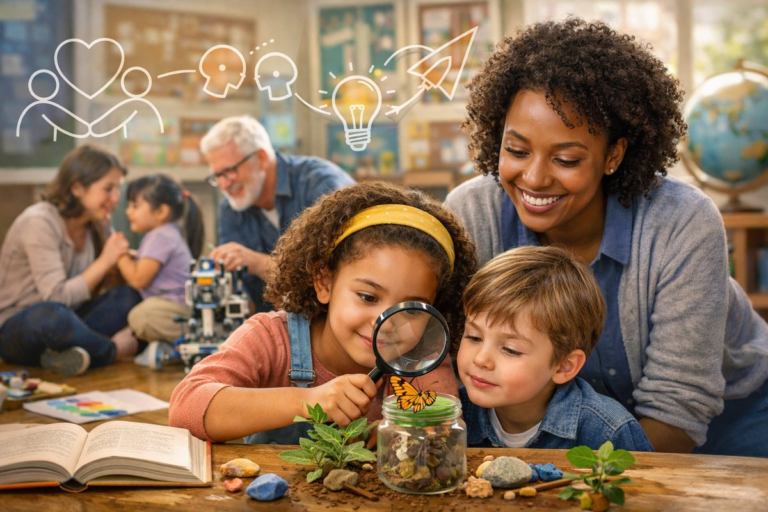
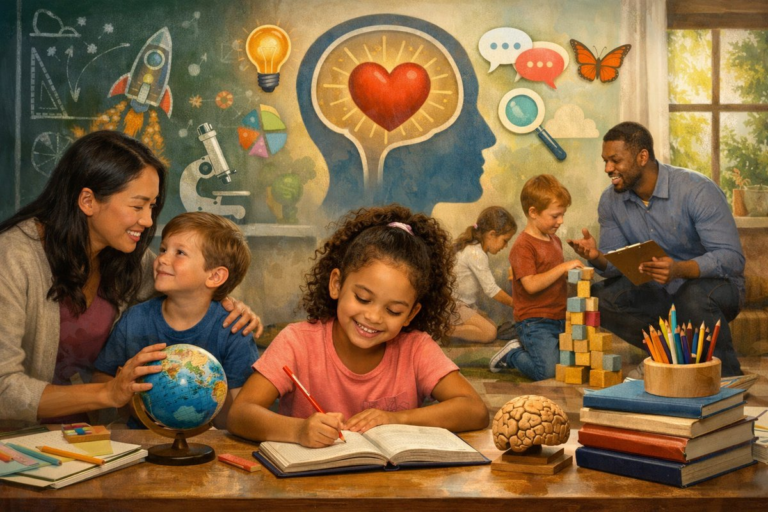
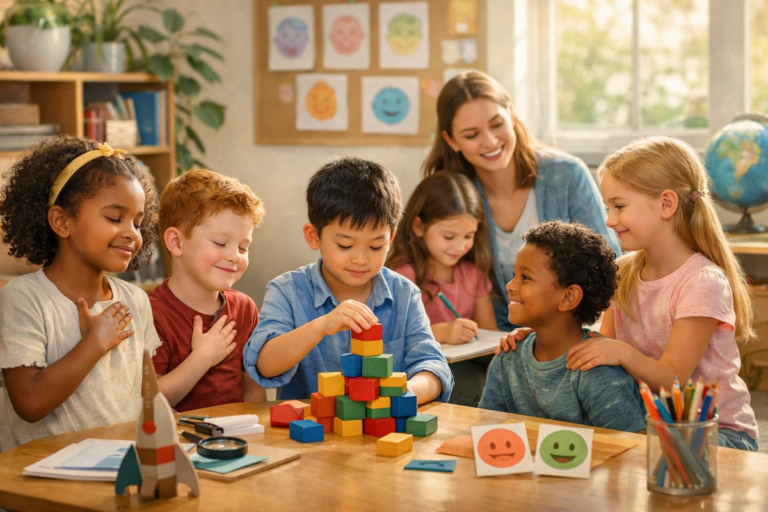
At the heart of this movement is the recognition that raising thinkers involves more than just feeding information. It requires creating environments where children feel safe to explore, question, and express themselves authentically. This means supporting their natural curiosity through hands-on learning experiences and open-ended play, while also providing emotional tools that help them understand and regulate their feelings.
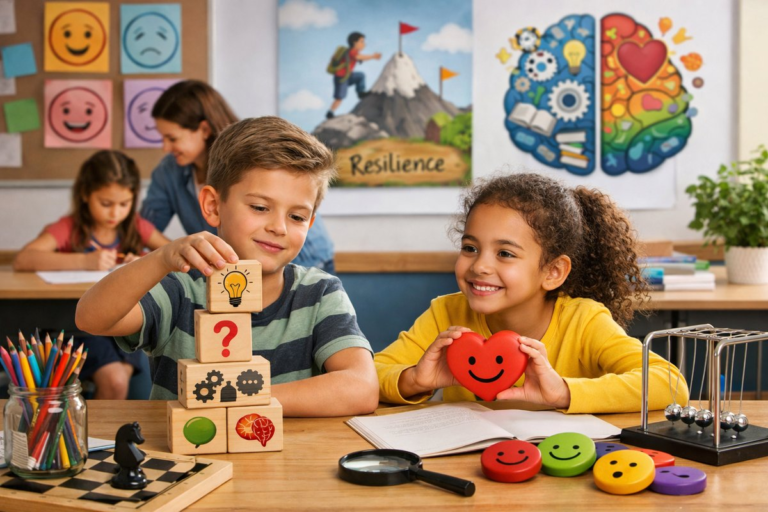
One of the key components in this approach is fostering agency-the sense that children have control over their learning and choices. When children are given opportunities to make decisions and solve problems independently, they develop confidence and a deeper engagement with their education. This empowerment is crucial for building resilience and adaptability, qualities that are increasingly important in a rapidly changing world.
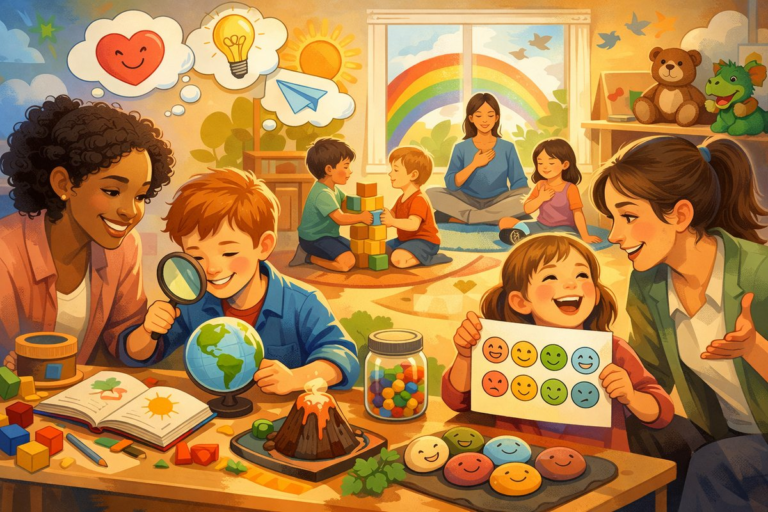
Parents and educators are employing a variety of strategies to nurture these qualities. For example, incorporating social-emotional learning (SEL) curricula in schools helps children recognize emotions, practice empathy, and develop interpersonal skills. At home, mindful parenting practices encourage caregivers to listen attentively and respond to children’s emotional needs with compassion and patience.
Technology and educational toys have also evolved to align with these values. Rather than passive consumption, many modern learning tools invite active participation, creativity, and reflection. From interactive storybooks that adapt to a child’s responses to building kits that challenge problem-solving abilities, these resources serve as catalysts for both intellectual and emotional growth.
Moreover, the role of play remains central. Play is not merely a break from learning but a vital process through which children experiment with ideas, rehearse social roles, and develop emotional resilience. Playful learning environments, whether in classrooms or at home, promote curiosity and joy, reinforcing the notion that education is an exciting journey rather than a chore.
This holistic approach also extends to communication styles. Encouraging open dialogue about feelings and experiences helps children develop emotional literacy, which supports mental health and positive relationships. When children feel heard and validated, they are more likely to engage deeply with learning and develop a strong sense of self-worth.
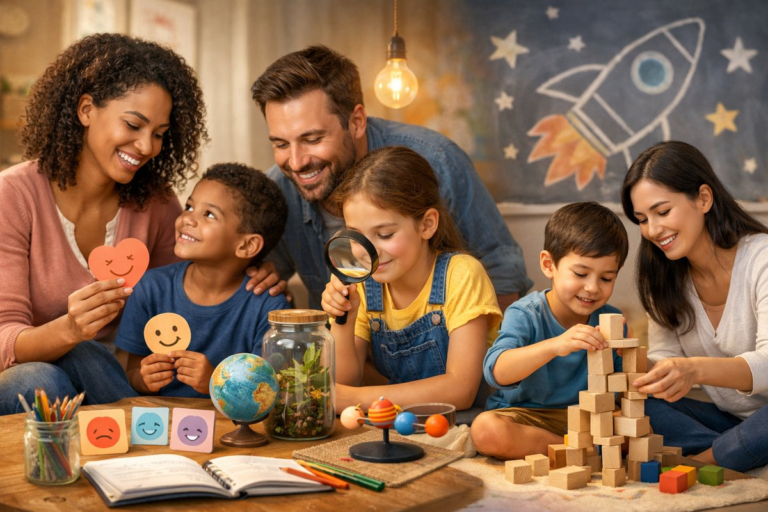
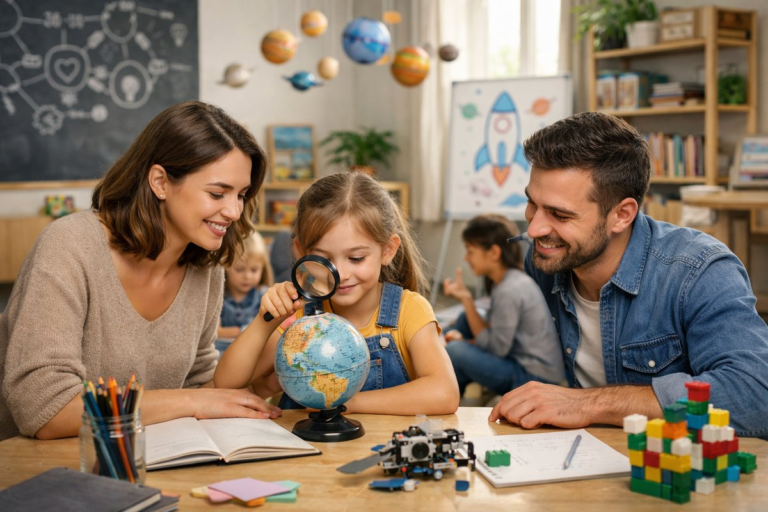
In practice, this means that parenting and education today often involve collaborative partnerships between families and schools. Shared goals around fostering curiosity, emotional intelligence, and agency create a consistent support network for children. This collaboration can include workshops for parents on emotional coaching, school programs that integrate mindfulness, and community initiatives that celebrate diverse ways of learning.
The benefits of this integrated approach are already becoming evident. Studies show that children who develop strong emotional and social skills alongside academic knowledge tend to perform better in school, have healthier relationships, and exhibit greater resilience in the face of challenges. These skills also lay the foundation for lifelong learning and adaptability, essential traits in an unpredictable future.
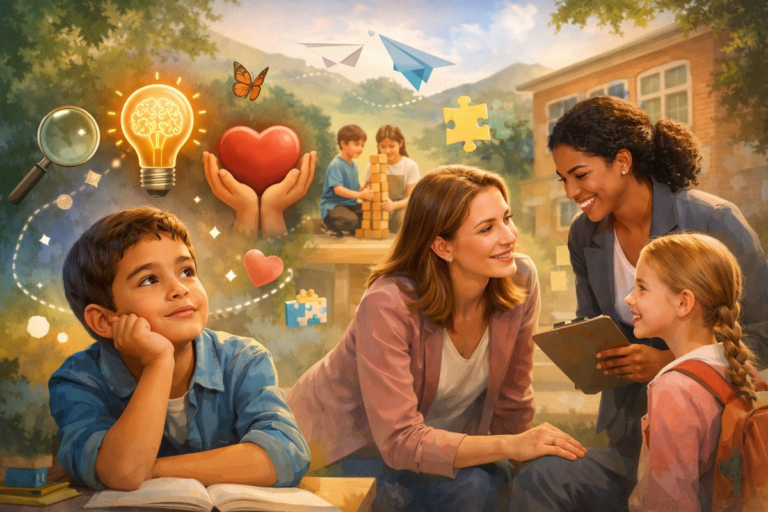
Ultimately, the evolving landscape of parenting and education champions a vision where children are seen as whole individuals-curious, capable, and emotionally intelligent. By supporting this vision through thoughtful tools, practices, and partnerships, caregivers and educators contribute to raising not just successful students, but compassionate and empowered human beings ready to engage meaningfully with the world around them.